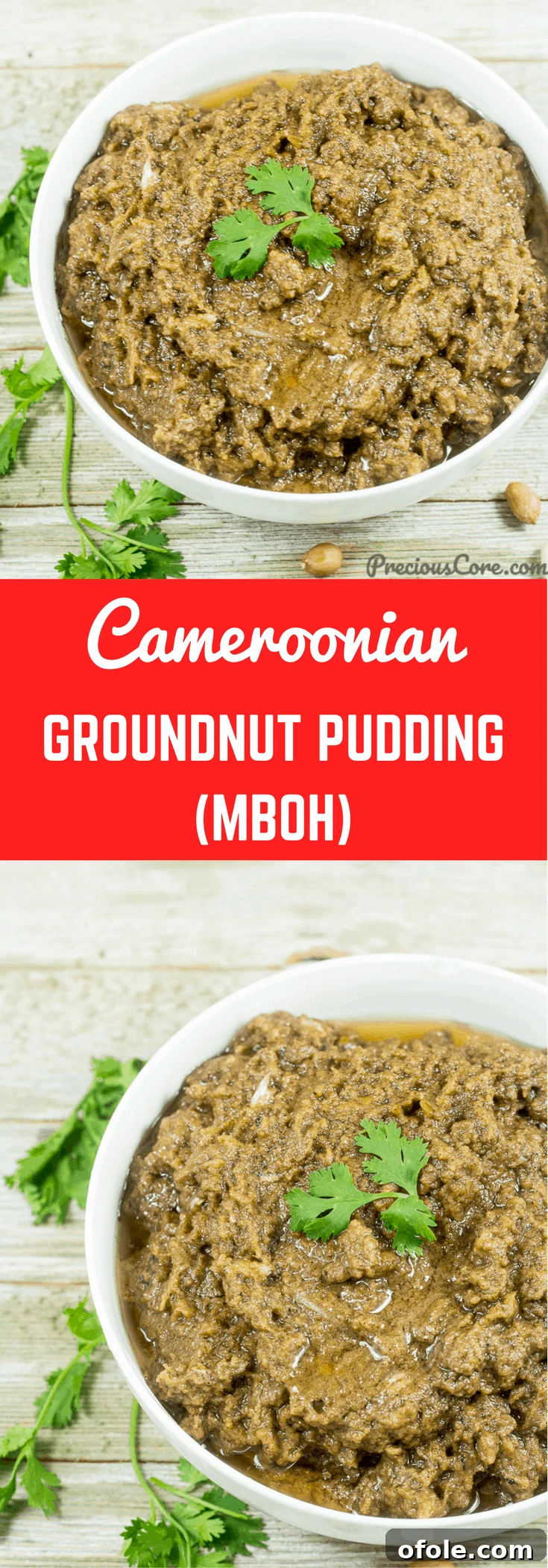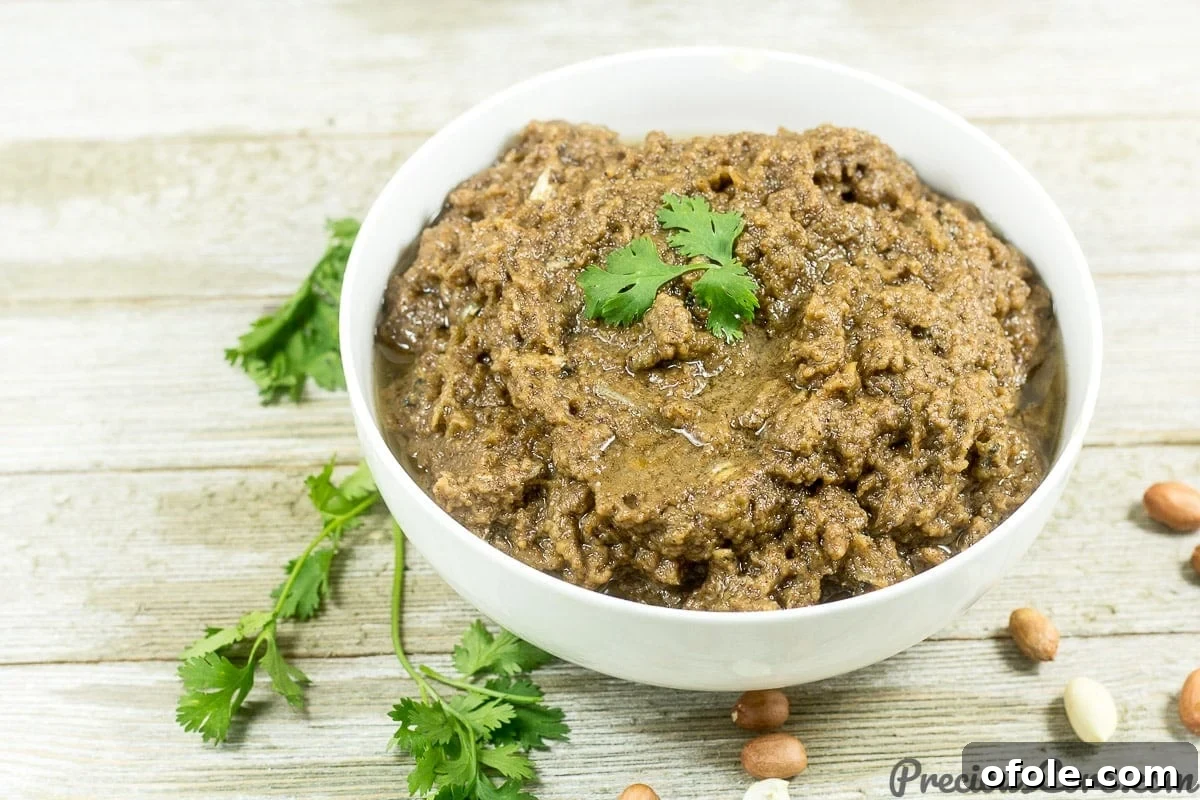
Cameroonian Groundnut Paste (Mboh): The Ultimate Spicy Peanut Pudding Recipe
Embark on a culinary journey to the heart of Cameroon with Mboh, a rich and savory groundnut paste that captivates the senses. Known for its distinct peanuty flavor, subtle spiciness, and pudding-like consistency, Mboh is more than just a meal; it’s a staple that embodies the warmth and tradition of West African cuisine. Whether served as a hearty main course or a flavorful side dish, this authentic Cameroonian delicacy promises an unforgettable taste experience. Prepare to discover the secrets behind crafting this incredibly delicious dish, a recipe passed down through generations, now simplified for your kitchen.
Food is often a bridge to our heritage, and for many, Mboh evokes cherished memories of home and family. My personal connection to this recipe runs deep, having learned the intricacies of its preparation from my mother over countless phone calls. Her passion for cooking, even across distances, transformed simple instructions into a vibrant culinary lesson. The joy of recreating her dishes, like this Mboh, is immense, especially when it resonates with others. I recall Mr. N, a friend whose roots trace back to Cameroon, tasting my Mboh and exclaiming how it instantly transported him back to his grandmother’s kitchen – a testament to its authentic and comforting essence. This dish truly captures the soul of Cameroonian home cooking, a taste that lingers long after the last bite.
Across Cameroon, Mboh holds a special place, often enjoyed as a comforting meal or a popular street food. It shares similarities with other traditional dishes like Cameroonian Egusi Pudding, both frequently hawked on bustling roadsides, serving as quick, nutritious, and incredibly flavorful sustenance for many.
What is Cameroonian Mboh? Unpacking This Savory Peanut Pudding
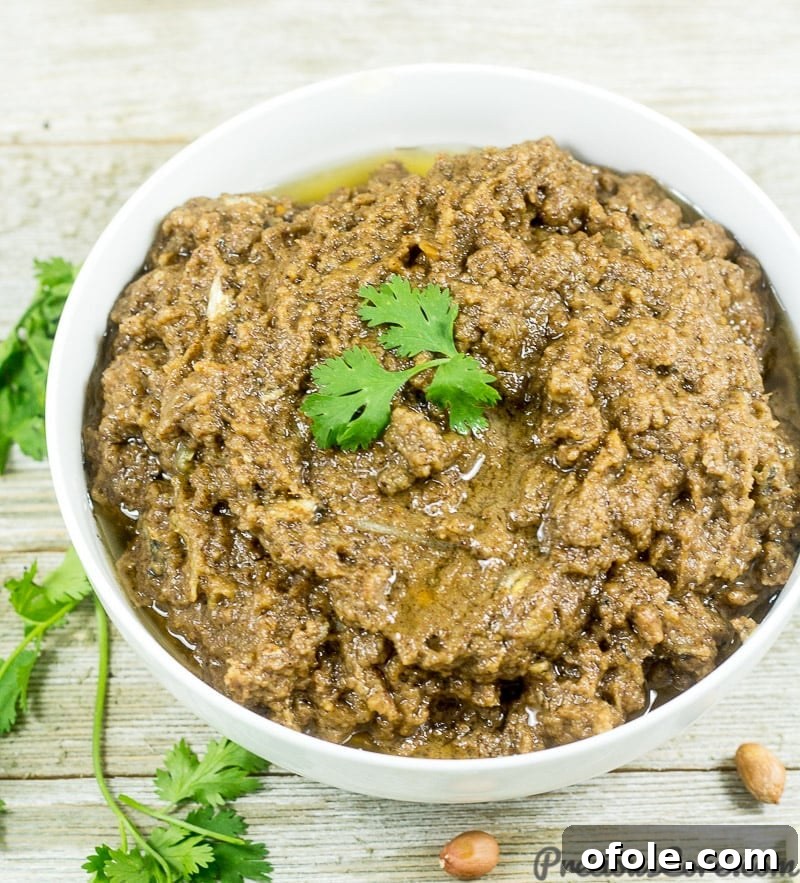
At its core, Cameroonian Mboh is a savory pudding crafted from roasted peanuts, ground into a smooth paste, and then slow-cooked with a blend of aromatic spices and ingredients. The term “Mboh” specifically refers to this groundnut paste in various Cameroonian dialects, highlighting its prominence in local culinary traditions. Unlike sweet peanut butter, Mboh offers a complex flavor profile that is deeply savory, with a delightful hint of spiciness, making it a versatile and incredibly satisfying dish.
The texture of Mboh is key to its appeal. It’s typically thick and creamy, much like a hearty pudding, yet remarkably smooth thanks to the finely ground peanuts. The natural oils released during the cooking process contribute to its rich mouthfeel and glossy finish. This dish is not only delicious but also packed with protein and healthy fats from the peanuts, making it a substantial and nourishing meal.
While often compared to other West African peanut stews or sauces, Mboh distinguishes itself with its pudding-like consistency and specific preparation methods, particularly the emphasis on roasting the peanuts to perfection before grinding and cooking. This initial roasting step is crucial, intensifying the nutty flavor and contributing to the dish’s overall depth and aroma.
Serving Suggestions: The Perfect Accompaniments for Mboh
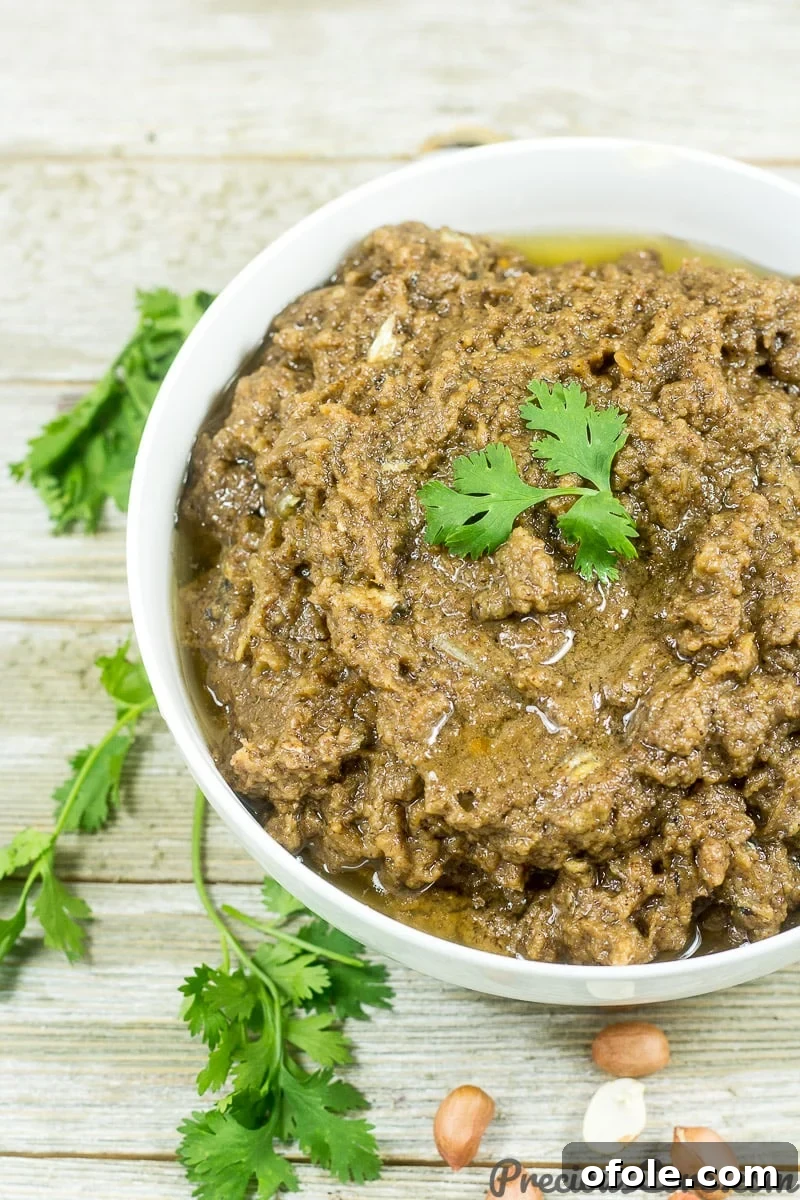
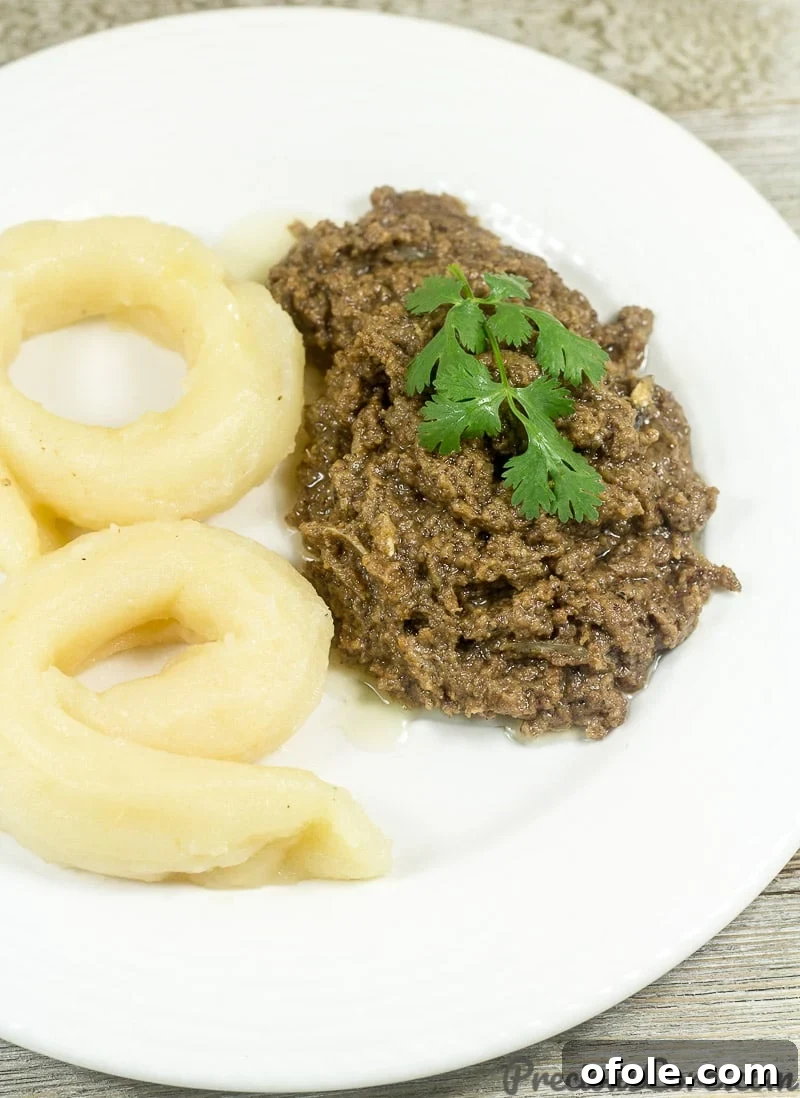
One of the beauties of Cameroonian Mboh lies in its versatility when it comes to serving. Its rich flavor and satisfying texture make it an excellent partner for a variety of starchy sides. Traditionally, Mboh is most commonly enjoyed with Bobolo or Miondo, two popular Cameroonian staples made from fermented cassava (yuca roots). Bobolo, often cylinder-shaped, and Miondo, typically flatter, offer a slightly tangy counterpoint that perfectly complements the savory richness of the Mboh. Stay tuned, as I plan to share an authentic Bobolo/Miondo recipe in the near future!
Beyond traditional cassava products, Mboh pairs wonderfully with other readily available starches. Consider serving it with boiled or fried plantains, which add a touch of sweetness; fluffy yams, providing a soft, earthy balance; or even simple boiled potatoes. For a more unconventional yet equally delicious pairing, try Mboh spread generously on a warm piece of French bread – the contrast between the crusty bread and the creamy paste is truly delightful. Some also enjoy Mboh with fresh garden eggs (African eggplant), adding a slight bitterness that enhances the overall experience.
Choose Your Method: Steaming vs. Stove-Top Mboh
While the essence of Mboh remains consistent, there are two primary methods for preparing this beloved groundnut paste, each yielding a slightly different texture and experience:
- The Steaming Method: This traditional approach involves mixing all the ingredients, wrapping the paste in banana leaves (or parchment paper for convenience), and then steaming it until fully cooked. The result is a firmer, cake-like Mboh, similar in consistency to Cameroonian Koki (black-eyed peas pudding). This method imparts a unique aroma from the banana leaves and offers a denser texture that’s often enjoyed in slices. (For those interested in exploring this method, please refer to the recipe notes section below for specific guidance).
- The Stove-Top Method: This is the method I personally prefer and will detail in this recipe, primarily due to its ease and convenience. Cooking Mboh directly on the stove-top produces a creamier, slightly less dense paste. This consistency makes it incredibly versatile – perfect as a spread, a dip, or a spoonable side dish. The continuous stirring ensures a smooth, even cook, allowing the flavors to meld beautifully.
Both methods result in a delicious Mboh, so feel free to experiment and discover which one best suits your taste and cooking style. Below, we’ll dive into the stove-top method for its accessible and consistently delightful results.
How to Make Cameroonian Groundnut Paste (Mboh): A Step-by-Step Guide
Creating authentic Cameroonian Mboh from scratch is a rewarding experience, and with this detailed guide, you’ll be able to master it in your own kitchen. This recipe focuses on the stove-top method for its simplicity and delicious results. Let’s gather our ingredients and begin!
Essential Ingredients for Authentic Mboh
The beauty of Mboh lies in its relatively simple yet powerful ingredient list. For approximately 8 servings of this savory dish, you will need:
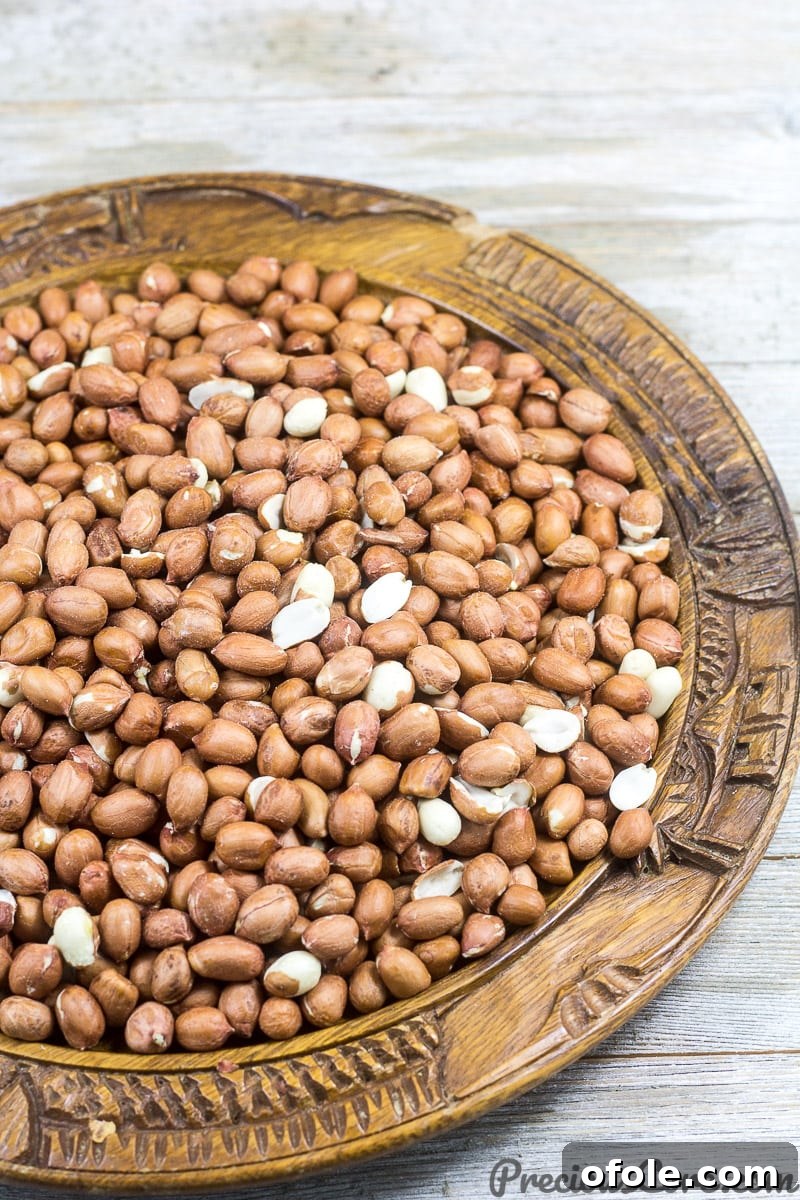
- 3 cups of raw peanuts: In Cameroon, these are commonly referred to as “groundnuts.” Opt for raw, unsalted peanuts for the best flavor control. Ensure they are fresh for optimal taste.
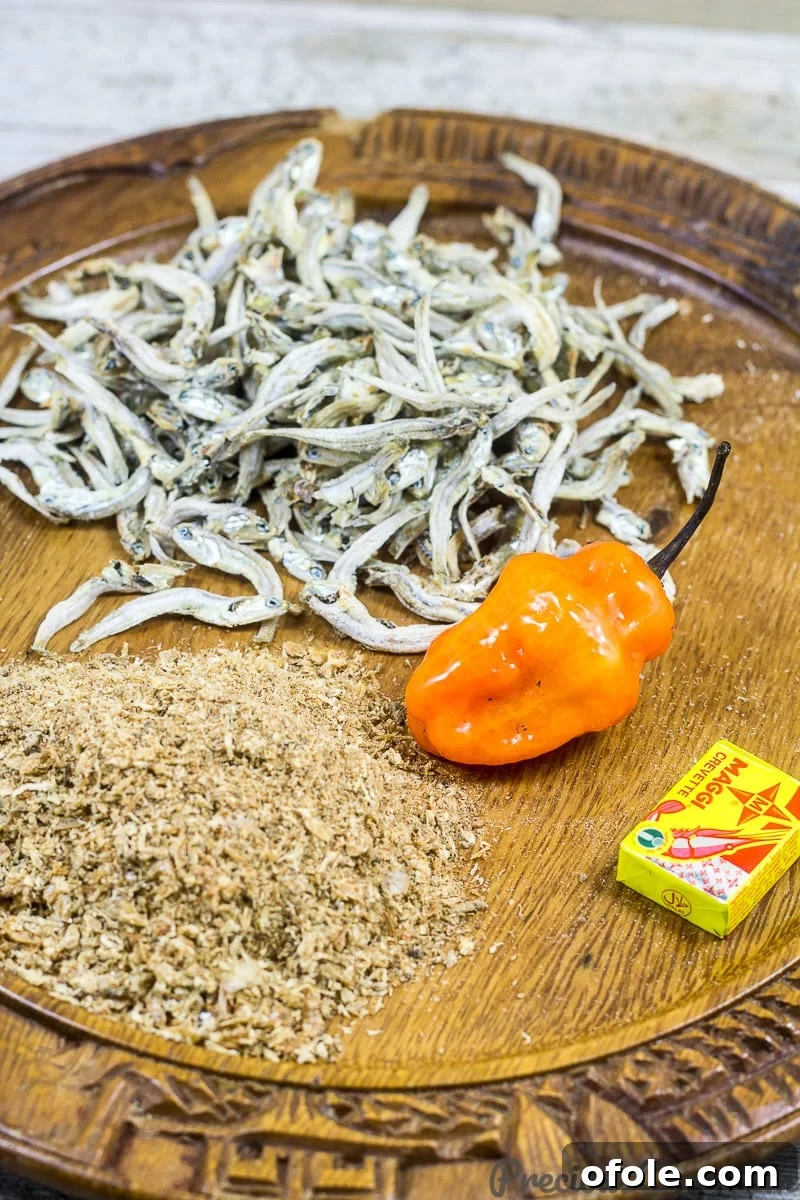
- 1/2 cup of ground crayfish: This ingredient is a cornerstone of West African cuisine, providing a deep, umami-rich flavor that is hard to replicate. You can find this in African or international grocery stores.
- 1 hot pepper (e.g., habanero or Scotch bonnet): Adjust to your spice preference. For a milder Mboh, use half a pepper or a less potent variety like a jalapeño. For extra heat, add more or include its seeds.
- 1 crayfish seasoning cube (or 2 regular Maggi cubes): These bouillon cubes enhance the savory depth of the dish and are widely used in Cameroonian cooking.
- 1 teaspoon salt: Essential for balancing all the flavors. Adjust to your personal taste after the initial cooking.
- 3 cups of water: For cooking and achieving the desired pudding consistency.
- Optional: 1 cup of dried fish (e.g., anchovies, locally known as “njanja moto”): Adding dried fish provides an extra layer of savory, smoky flavor that many traditional recipes include. If using, ensure it’s cleaned thoroughly and deboned if necessary.
Step-by-Step Cooking Instructions
- Roast the Peanuts: Place the raw groundnuts in a wide, dry frying pan or pot. Roast them over medium heat for approximately 15 minutes, stirring continuously to prevent burning and ensure even roasting. The peanuts should turn a rich golden-brown color and release a wonderfully fragrant, nutty aroma when done. Avoid high heat to prevent scorching. Allow the roasted peanuts to cool completely on a tray for about 30 minutes; this cooling step is crucial for achieving the perfect grind and preventing them from becoming oily too quickly.
- Prepare the Spices and Grind Peanuts: While the peanuts cool, prepare your hot pepper. Blend the habanero pepper with about 2 tablespoons of water until smooth. For a finer paste, you can also use a mortar and pestle. Once the roasted peanuts are completely cool, grind them into a fine, smooth paste. You can use a food processor, a high-speed blender with a small cup attachment, or a traditional coffee grinder for this. The goal is a consistency similar to natural peanut butter. Combine the ground peanuts with 1.5 cups of water in a bowl, mixing thoroughly to form a smooth, thick paste. This helps prevent lumps when adding it to the pot.
- Combine and Cook the Mboh Base: In a clean pot (preferably non-stick), bring 1 cup of water to a boil. Add the ground crayfish and the optional dried fish (if using). Let it simmer for a few minutes to infuse the water with their rich, savory flavors. Then, stir in the salt, Maggi seasoning cubes, and the blended habanero pepper. Mix everything thoroughly. Now, slowly add the prepared groundnut paste into the pot, mixing continuously to ensure no lumps form. Add the remaining half cup of water, adjusting the quantity slightly based on how thick or thin you prefer your Mboh.
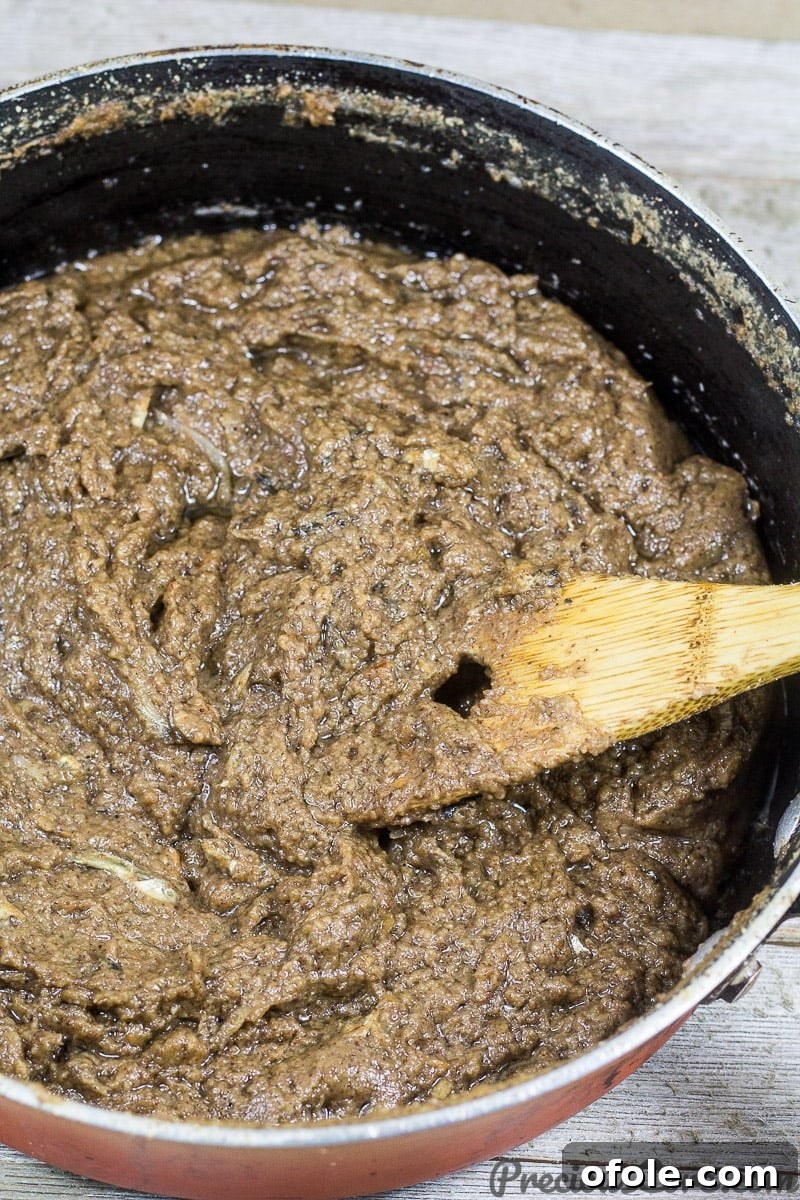
- Simmer to Perfection: Bring the groundnut mixture to a gentle boil, then reduce the heat to medium-low. Cook the mixture, stirring constantly. This continuous stirring is vital to prevent the paste from sticking to the bottom of the pot and burning, and also to ensure a smooth, even texture. Continue cooking for about 15-20 minutes, or until the natural oils from the peanuts begin to separate and rise to the surface of the paste, and the mixture has significantly thickened to a pudding-like consistency. You’ll know it’s ready when a visible, glossy layer of oil hovers over the groundnut paste, indicating that it’s fully cooked and the flavors have melded perfectly.
- Serve and Enjoy: Once cooked, remove the pot from the heat and serve hot. Mboh is best enjoyed immediately with your chosen starchy side. I particularly love it with Bobolo, but feel free to experiment with your favorite accompaniment!
Recipe Notes and Flavor Enhancements
For those looking to explore variations or refine their Mboh, consider these notes:
- Steaming Method Alternative: If you prefer the denser, cake-like Mboh, combine all ingredients with 2 cups of water to form a paste. Divide the paste into portions, wrap them securely in clean banana leaves (or aluminum foil/parchment paper if leaves are unavailable), and steam them in a pot with boiling water for 30-45 minutes, or until firm to the touch. This method yields a distinct texture and often imparts a subtle, earthy fragrance from the leaves. It’s very similar to how traditional Koki (steamed black-eyed peas pudding) is prepared.
- Additional Flavor Boosters: The basic Mboh recipe is incredibly flavorful on its own, but you can always elevate it further with these optional additions, commonly used in Cameroonian cooking:
- Onion: Half a small onion, blended together with the hot pepper, can add a subtle sweetness and aromatic depth to the paste, complementing the savory notes.
- Pebe (African Nutmeg): Grinding 1 pebe (also known as Calabash nutmeg) along with the peanuts introduces a distinctive, earthy, and slightly pungent flavor that is highly characteristic of West African spices.
- Bush Pepper / Peppercorns: Half a teaspoon of “bush pepper” (also known as Selim pepper or Guinea pepper) or regular white peppercorns, finely ground, can intensify the peppery notes and add a unique, warm undertone to the Mboh.
Frequently Asked Questions About Mboh
Here are some common questions about making Cameroonian Groundnut Paste (Mboh) that might help you perfect your dish:
- Can I use store-bought peanut butter instead of raw peanuts? While technically possible, it is highly recommended to use raw peanuts and roast them yourself. Store-bought peanut butter often contains added sugars, oils, and stabilizers that will significantly alter the authentic flavor and texture of Mboh. The roasting step is crucial for developing the deep, nutty flavor that defines this dish.
- How do I prevent the Mboh from burning or sticking to the pot? Continuous stirring is absolutely key, especially when cooking on the stove-top. Use a sturdy wooden spoon or spatula and scrape the bottom of the pot frequently. Cooking on medium to low heat also helps prevent scorching. A heavy-bottomed pot or a non-stick pot can further aid in even cooking.
- My Mboh is too thick/thin. How can I adjust it? If your Mboh turns out too thick, gradually add small amounts of hot water (about 1-2 tablespoons at a time), stirring continuously, until you reach your desired consistency. If it’s too thin, continue cooking and stirring over low heat, allowing more water to evaporate, until it thickens. Be patient, as this might take a few extra minutes.
- How long can Mboh be stored, and how should I store it? Leftover Mboh can be stored in an airtight container in the refrigerator for up to 3-4 days. For longer storage, it can be frozen for up to 2-3 months. Thaw in the refrigerator before reheating.
- How do I reheat Mboh? Reheat gently on the stove-top over low heat, adding a splash of water if it has thickened too much in the fridge. Stir occasionally until heated through. You can also microwave it in short bursts, stirring halfway through, to prevent it from drying out.
- Is Mboh suitable for vegetarians/vegans? The basic recipe includes crayfish and optional dried fish. For a vegetarian/vegan version, simply omit the crayfish and dried fish. You might want to enhance the umami flavor with mushroom powder, nutritional yeast, or a plant-based bouillon cube to compensate for the savory depth.
Nutritional Information (Approximate per serving)
Understanding the nutritional value of your meal is always helpful. For one serving of this Cameroonian Groundnut Paste (Mboh), here’s an approximate breakdown:
- Calories: 414 kcal
- Carbohydrates: 9g
- Protein: 36g
- Fat: 28g
- Saturated Fat: 4g
- Polyunsaturated Fat: 10g
- Monounsaturated Fat: 12g
- Cholesterol: 65mg
- Sodium: 2639mg
- Potassium: 881mg
- Fiber: 5g
- Sugar: 0.2g
- Vitamin A: 61 IU
- Vitamin C: 3mg
- Calcium: 118mg
- Iron: 3mg
(Note: Nutritional values are approximate and may vary based on specific ingredient brands, preparation methods, and serving sizes.)
Conclusion: A Taste of Cameroonian Heritage
Cameroonian Groundnut Paste, or Mboh, is more than just a dish; it’s a celebration of rich flavors, cultural heritage, and the comforting essence of home cooking. With its deep nutty aroma, savory spice, and versatile nature, Mboh offers a unique and satisfying culinary experience that speaks volumes about West African gastronomy. By following this authentic recipe, you’re not just preparing a meal; you’re inviting a piece of Cameroonian tradition into your kitchen and creating a dish that will surely impress. Don’t hesitate to experiment with the serving suggestions and flavor enhancements to truly make this dish your own. We encourage you to try this delightful recipe and share your experience with us!
Share Your Mboh Creation!
Did you make this delicious Mboh? We’d absolutely love to see your culinary masterpiece! Share a photo of your Mboh on Instagram and tag @preciouscore, or use the hashtag #PreciousCore. You can also share your photos and comments on our Facebook page. Your creations and feedback truly inspire us!
Recommended Kitchen Tool
For achieving that perfectly smooth peanut paste, a powerful and efficient grinding machine is essential. While the original video showcased a specific model, any robust blender, food processor, or even a dedicated coffee grinder can yield excellent results. Investing in a good quality grinder will ensure your peanuts are finely processed, contributing to the creamy, authentic texture of your Mboh.
Pin this recipe to your favorite board for later inspiration!