
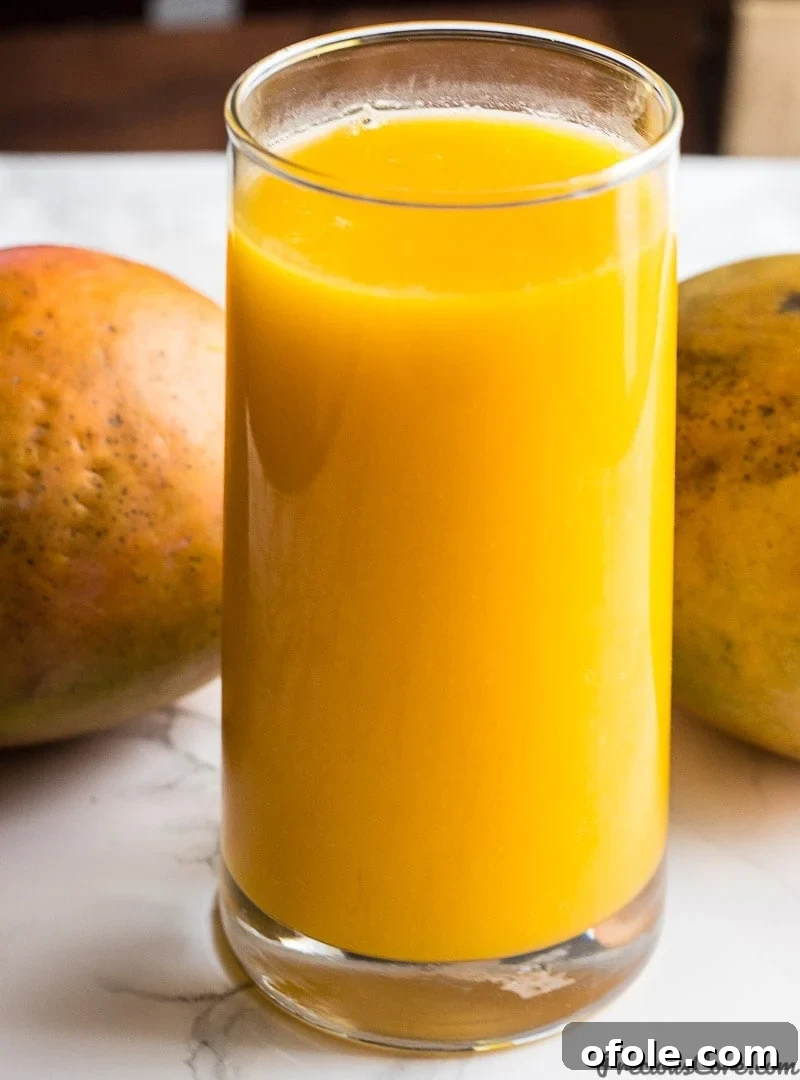
Homemade Mango Juice: A Refreshingly Sweet & Healthy Sip (No Added Sugar!)
Experience the pure, unadulterated taste of summer with this incredibly easy and unbelievably delicious homemade mango juice. Made with no added sugar, it’s naturally sweet, bursting with fruity flavor, and incredibly refreshing. Whip it up in just minutes for the perfect antidote to hot summer days!
The Irresistible Allure of Fresh Mango Juice
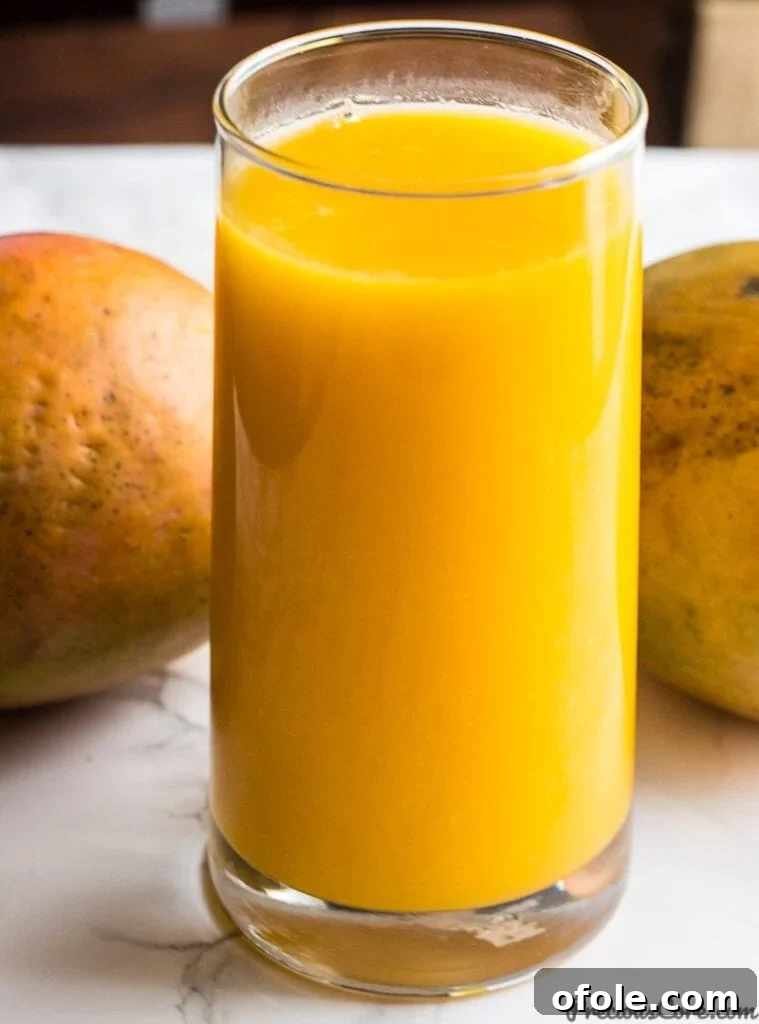
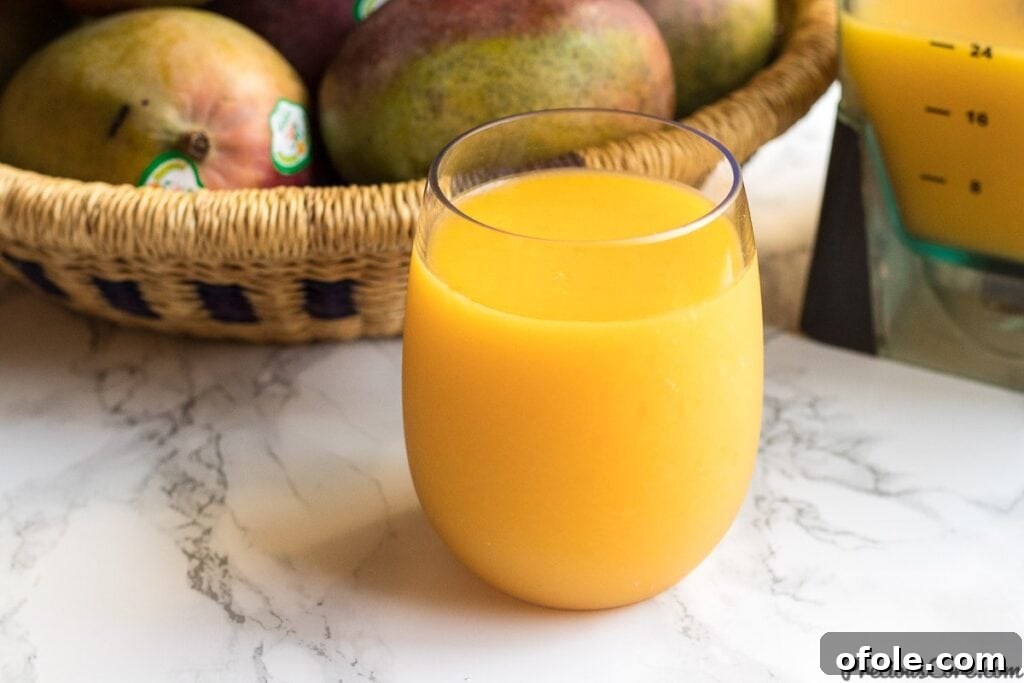
Have you ever heard a description of food so vivid, so passionate, that you could almost taste it just from the words? That’s precisely the experience I had with homemade mango juice. I remember a family friend recounting his delight over a glass of mango juice he’d enjoyed years ago. His eyes lit up as he described it as “veryyyy nice!” – a simple phrase, yet it painted a picture of pure bliss and ignited a craving within me that lingered for years. His description conjured images of a lusciously fresh, naturally sweet, creamy, and intensely mango-infused drink, a vibrant elixir capable of chasing away any blues.
That longing became a delightful reality yesterday when Mr. N surprised me by bringing home a bounty of ripe, fragrant mangoes. The moment I saw them, that long-dormant craving resurfaced, stronger than ever. The mission was clear: it was time to finally create that “veryyyy nice” mango juice. And let me tell you, the result was nothing short of spectacular. As I savored my first glass, a wave of pure happiness washed over me. It truly was everything I had imagined and more – a perfect blend of natural sweetness, tropical aroma, and silky smoothness that satisfied every expectation.
Why Choose Homemade Mango Juice?
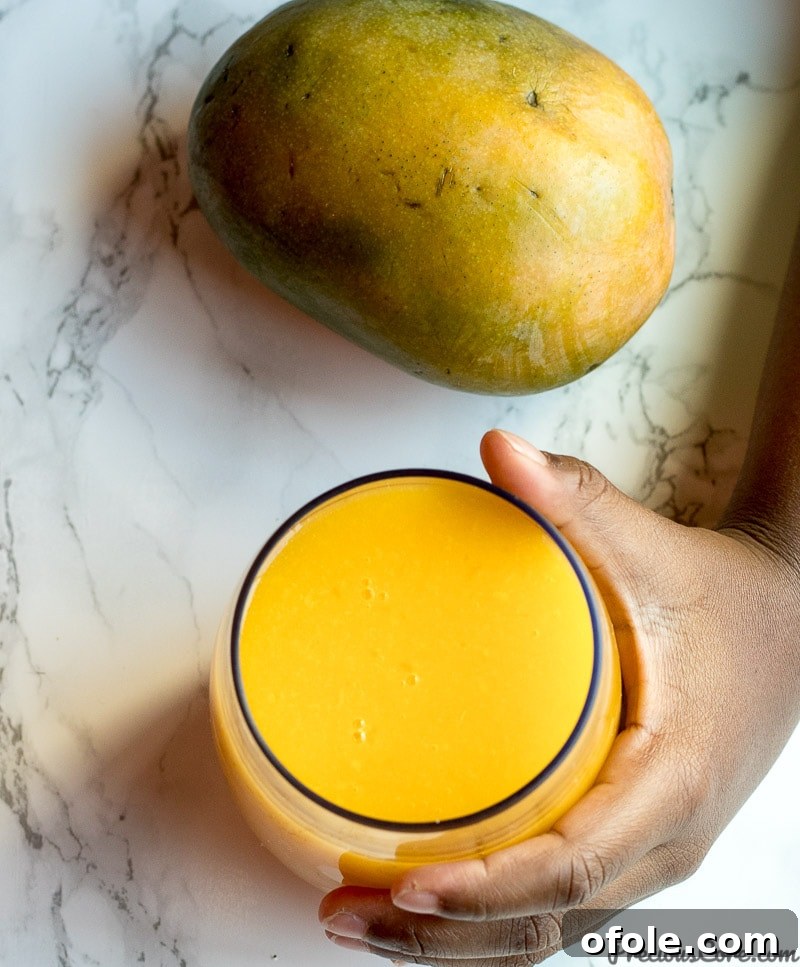
In a world filled with processed beverages, homemade mango juice stands out as a beacon of natural goodness. Unlike many store-bought options that are often loaded with artificial flavors, preservatives, and excessive amounts of added sugar, our recipe celebrates the mango in its purest form. You control every ingredient, ensuring a drink that is not only incredibly delicious but also genuinely healthy.
Just like my popular Pineapple Ginger Juice, this mango juice recipe contains no added sugar. The natural sugars in ripe mangoes provide ample sweetness, meaning you won’t even miss the extra granules. The flavor profile is simply unbeatable: a rich, authentic mango taste, delightfully creamy texture, and an overall refreshing quality that makes it an instant favorite. It’s a guilt-free indulgence that nourishes your body while delighting your palate.
Incredible Health Benefits of Mango Juice
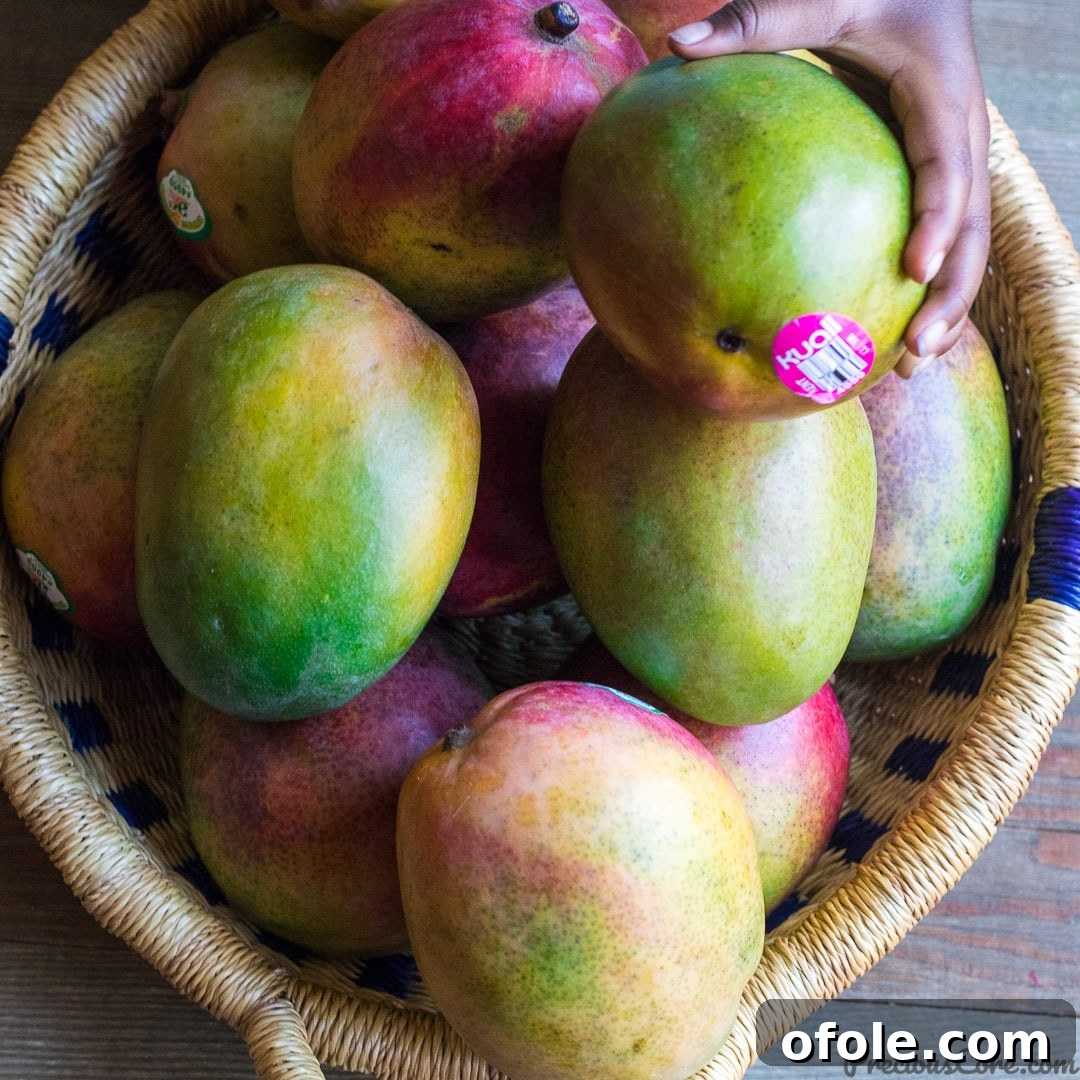
Beyond its fantastic taste, mango juice is a powerhouse of essential nutrients, offering a wide array of health benefits that make it a smart choice for your daily diet. Mangoes are celebrated for their rich vitamin and mineral content, contributing significantly to overall well-being. Let’s explore some of the fantastic advantages of incorporating this golden drink into your life:
- Rich in Vitamin C: Mangoes are an excellent source of Vitamin C, a crucial antioxidant that plays a vital role in strengthening your immune system. It helps your body fight off infections, promotes healthy skin by aiding collagen production, and contributes to wound healing.
- Boosts Immunity: With a potent combination of Vitamin C, Vitamin A, and other antioxidants, mango juice acts as a natural immune booster, helping your body defend itself against common illnesses and environmental stressors.
- Fights Anemia with Iron: While not as high as some other sources, mangoes do contain iron, which is essential for red blood cell production and preventing iron-deficiency anemia. Coupled with Vitamin C, which enhances iron absorption, mango juice can be a beneficial addition for those looking to maintain healthy iron levels.
- Strengthens Bones: Mangoes contain small amounts of Vitamin K, which is important for bone health, and calcium, a mineral vital for maintaining strong bones and teeth.
- Maintains Blood Pressure & Lowers Cholesterol: The presence of potassium in mangoes helps regulate blood pressure, counteracting the effects of sodium and promoting cardiovascular health. Additionally, the dietary fiber found in mangoes can contribute to lowering bad cholesterol (LDL) levels.
- Packed with Antioxidants: Mangoes are loaded with various antioxidant compounds, including mangiferin, catechins, quercetin, and gallic acid. These antioxidants combat free radicals in the body, which are known to contribute to chronic diseases and cellular damage. This antioxidant strength is why mangoes are often associated with potential cancer prevention properties.
- Improves Eye Health: Thanks to their high content of Vitamin A and beta-carotene (which converts to Vitamin A in the body), mangoes are fantastic for eye health. They help protect against vision problems, promote good eyesight, and can reduce the risk of age-related macular degeneration.
- Aids Digestion: Mangoes contain digestive enzymes like amylases, which help break down complex carbohydrates, aiding digestion. Their fiber content also promotes healthy bowel movements and can alleviate issues like constipation.
- Supports Skin and Hair Health: The vitamins and antioxidants in mango juice contribute to radiant skin and healthy hair. Vitamin C supports collagen production for firm skin, while Vitamin A helps reduce oil production and improve skin tone.
The health benefits of mangoes are truly tremendous, making this delicious juice much more than just a refreshing treat – it’s a valuable part of a healthy lifestyle. For more in-depth information, you can explore resources like this article on StyleCraze.
How to Make the Best Homemade Mango Juice
Making your own mango juice is incredibly simple and requires just a few basic steps and ingredients. The key is to start with perfectly ripe mangoes for the best flavor and natural sweetness. Follow these easy instructions for a flawless batch:
Step 1: Prepare Your Mangoes
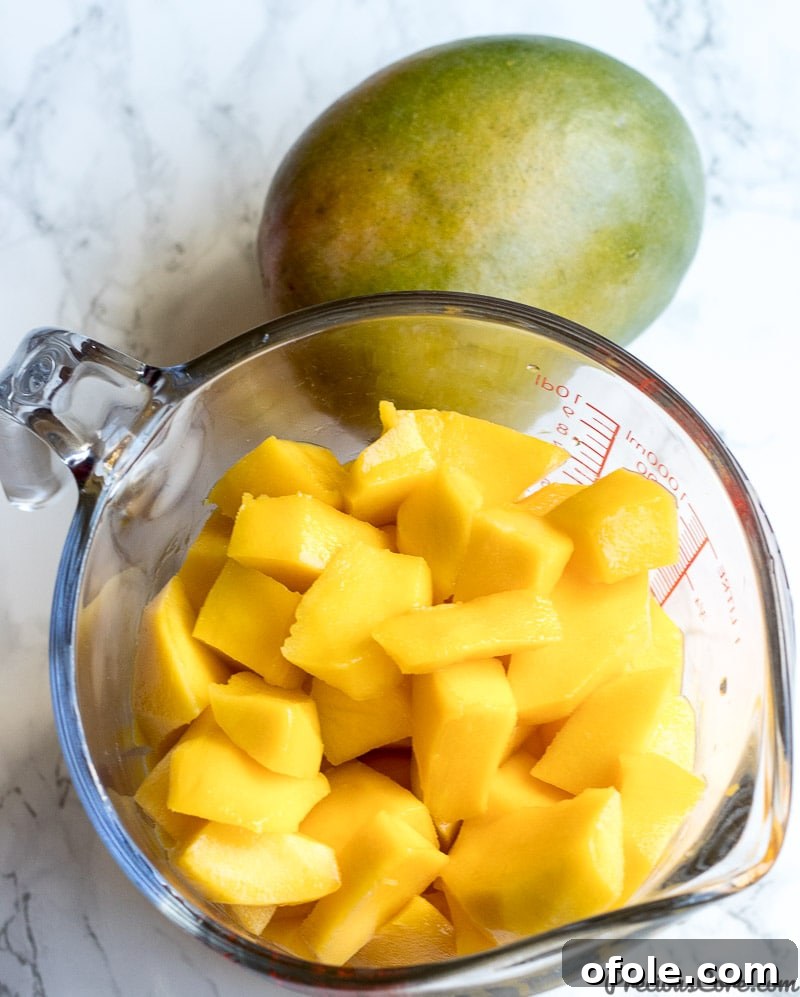
Begin by selecting ripe mangoes. A ripe mango will yield slightly to gentle pressure and have a fragrant, sweet aroma near the stem. Wash the mangoes thoroughly. Then, peel them using a vegetable peeler or a sharp knife. Once peeled, carefully chop the flesh away from the large, flat pit. Aim for roughly diced pieces; they don’t have to be perfectly uniform, as they will be blended.
Step 2: Blend All Ingredients
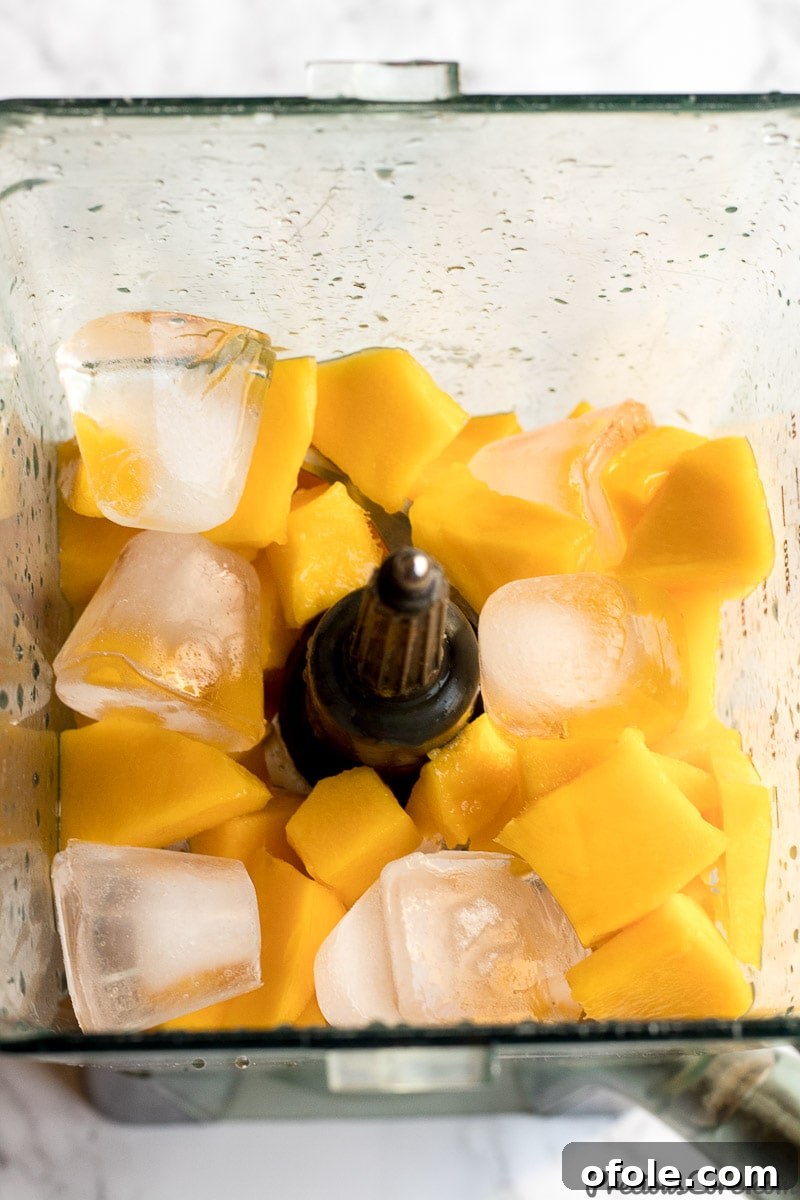
Transfer your chopped mangoes into a high-speed blender. Add a measured amount of cold water. While the original recipe calls for just water, you can also add a few ice cubes for an extra chilled drink, especially if your mangoes aren’t very cold. If you wish to enhance the flavor, a squeeze of fresh lime or lemon juice can brighten the taste without adding extra sweetness.
Step 3: Blend Until Smooth
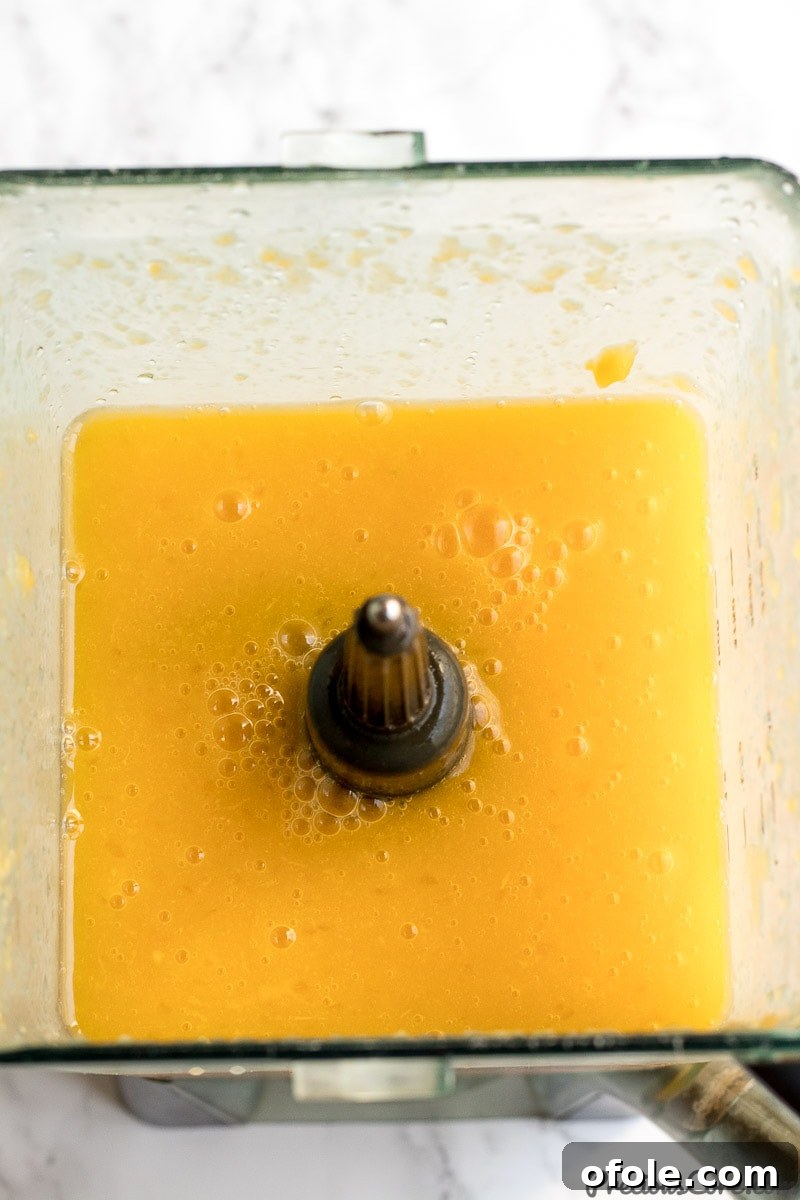
Secure the lid on your blender and blend on high speed until the mixture is completely smooth and creamy. Depending on your blender’s power, this might take anywhere from 30 seconds to a couple of minutes. Look for a uniform consistency with no chunks of mango remaining. The goal is a velvety smooth puree.
Step 4: Strain (Optional) & Serve
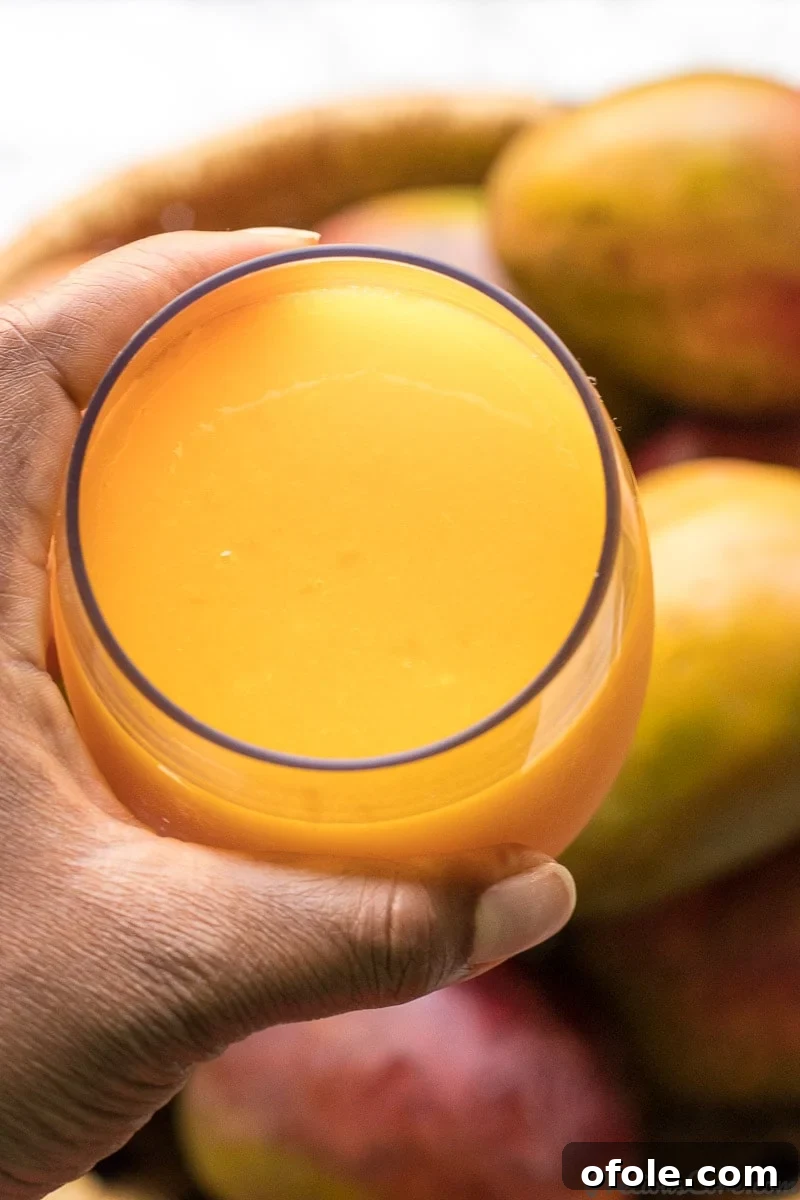
Taste your freshly blended mango juice. If your mangoes were particularly fibrous, or if you prefer a completely pulp-free juice, you might want to pass the mixture through a fine-mesh sieve. This step will remove any remaining stringy bits, resulting in an even silkier drink. However, if your mangoes were ripe and non-fibrous, or if you enjoy a slightly thicker, pulpier texture (like I do!), you can skip the straining. My batch turned out wonderfully smooth, so no sieving was needed. Serve immediately over ice and enjoy the tropical goodness!
Tips for the Perfect Mango Juice
- Choose Ripe Mangoes: This is the most critical factor. Ripe mangoes provide natural sweetness and a smooth texture. Unripe mangoes can be tart and fibrous.
- Adjust Water to Taste: The amount of water determines the consistency. For a thicker, more concentrated juice, use less water. For a lighter, thinner drink, add more. Start with the recommended amount and adjust incrementally.
- Chill Your Mangoes: Using chilled mangoes and cold water (or ice) will result in a colder, more refreshing juice immediately.
- Don’t Waste the Pulp: If you strain your juice, the remaining mango pulp can be used in smoothies, fruit leather, or even baked goods!
Mango Juice Variations & Customizations
While this recipe is fantastic on its own, mango juice is incredibly versatile and can be easily customized to suit your preferences. Here are a few ideas to get you started:
- Ginger Kick: Add a small piece of peeled fresh ginger to the blender for a spicy, warming note that perfectly complements the mango.
- Citrus Boost: A squeeze of fresh orange, lime, or lemon juice can brighten the flavor and add an extra dose of Vitamin C. Orange juice also enhances the mango’s natural sweetness.
- Tropical Blend: Combine mangoes with other tropical fruits like pineapple, passion fruit, or a few slices of banana for a more complex flavor profile.
- Minty Freshness: A few fresh mint leaves blended with the mangoes or simply used as a garnish can add a wonderfully cooling and aromatic touch.
- Creamy Mango Lassi: For a thicker, more indulgent drink, add a dollop of plain yogurt or a splash of coconut milk (or any plant-based milk) before blending. This transforms it into a delightful mango lassi or smoothie.
- Sweetener Options: Although this recipe is delicious without added sugar, if your mangoes aren’t as sweet as you’d like, or if you prefer a sweeter drink, feel free to add a touch of honey, maple syrup, or a natural sweetener of your choice before blending.
- Spiced Mango Delight: A tiny pinch of cardamom powder or a dash of cinnamon can add an exotic, comforting twist to your mango juice.
Storage Tips for Homemade Mango Juice
Freshly made mango juice is best enjoyed immediately for optimal flavor and nutrient content. However, if you have leftovers or want to prepare it ahead of time, here are some storage guidelines:
- Refrigeration: Store leftover mango juice in an airtight container or a tightly sealed jar in the refrigerator for up to 2-3 days. The flavor and color may slightly diminish over time, but it will still be delicious.
- Freezing: For longer storage, you can freeze mango juice. Pour the juice into ice cube trays and freeze until solid. Once frozen, transfer the mango juice cubes to a freezer-safe bag or container. These cubes are perfect for adding to smoothies, making instant chilled juice, or even as a base for frozen desserts. Frozen mango juice can last for up to 2-3 months.
- Separation: Natural fruit juices may separate over time. Simply give your refrigerated mango juice a good stir or shake before serving.
Frequently Asked Questions About Mango Juice
- Can I use frozen mangoes for this recipe?
- Absolutely! Frozen mango chunks work wonderfully. They often result in an even colder, thicker juice without the need for additional ice. Just ensure they are unsweetened to maintain the “no added sugar” aspect.
- What if my mangoes aren’t sweet enough?
- If your mangoes are a bit tart, you can add a natural sweetener like honey, maple syrup, or a few dates to the blender. Alternatively, a squeeze of orange juice can naturally enhance the perception of sweetness.
- Do I have to peel the mangoes?
- Yes, it’s highly recommended to peel mangoes before juicing. The skin can be bitter and fibrous, and while edible, it’s not ideal for a smooth, palatable juice.
- How many mangoes do I need for 4 cups of diced mangoes?
- The number of mangoes needed varies depending on their size and variety. Generally, 2-3 large mangoes or 4-5 medium-sized mangoes will yield approximately 4 cups of diced fruit.
- Is mango juice good for weight loss?
- While mango juice is nutritious, it is also calorie-dense due to its natural sugars. Consumed in moderation as part of a balanced diet, it can be a healthy treat. However, it’s not a magic bullet for weight loss, and whole mangoes offer more fiber for satiety.
The Full Mango Juice Recipe

Pure & Simple Mango Juice
15 mins
15 mins
4 servings
Pin Recipe
Rate
Print Recipe
Ingredients
- 4 cups diced mangoes
- 2 cups water
Instructions
-
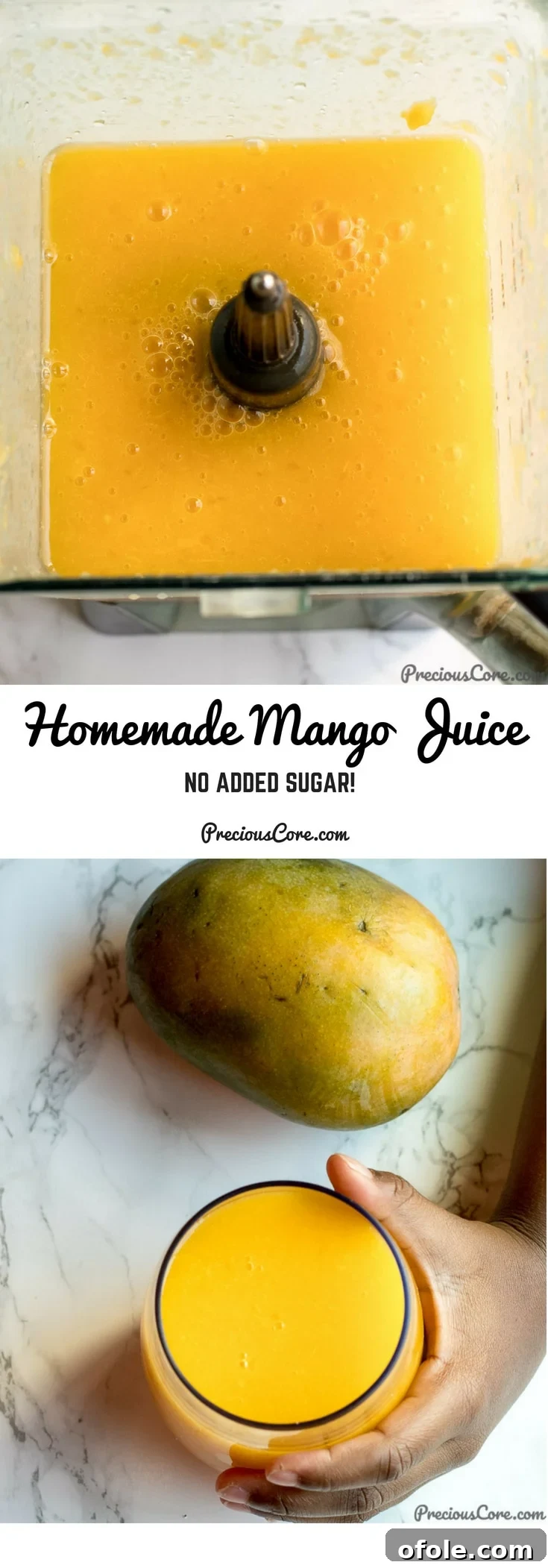
Place all ingredients (diced mangoes and water) in a blender and puree until completely smooth.
-
Adjust the consistency according to your preference. If the juice is too thick, gradually add a little more water until desired consistency is reached.
-
If your mangoes are particularly fibrous, pass the blended mixture through a fine-mesh sieve to remove any remaining fiber. Otherwise, this step can be skipped.
-
Serve immediately, chilled, and enjoy the pure taste of homemade mango juice!
Notes
2. This recipe is designed to be naturally sweet with no added sugar. If you prefer a sweeter juice, you can add a teaspoon of honey or sugar before blending.
3. For an enhanced flavor, consider adding a splash of freshly squeezed orange juice. This can boost the mango taste beautifully.
Nutrition
Calories: 99kcal | Carbohydrates: 25g | Protein: 1g | Fat: 1g | Saturated Fat: 0.2g | Polyunsaturated Fat: 0.1g | Monounsaturated Fat: 0.2g | Sodium: 8mg | Potassium: 277mg | Fiber: 3g | Sugar: 23g | Vitamin A: 1785IU | Vitamin C: 60mg | Calcium: 22mg | Iron: 0.3mg
Additional Info
Tried this recipe?
Mention @preciouscore or tag #PreciousCore!
Don’t forget to save this recipe for later:
Conclusion: Sip Your Way to Happiness
Homemade mango juice is more than just a drink; it’s a celebration of nature’s bounty, a simple pleasure that brings immense joy and health benefits. With its naturally sweet flavor, creamy texture, and refreshing qualities, this no-added-sugar recipe is truly a tropical dream come true. Whether you’re looking to beat the summer heat, boost your immune system, or simply enjoy a delicious and wholesome beverage, this mango juice is the perfect choice. It’s quick, easy, and undeniably satisfying, making it an essential addition to your recipe repertoire. So, grab some ripe mangoes, blend them into this golden elixir, and treat yourself to a taste of pure sunshine.
Remember to always find strength within you to rise up stronger and better because you are stronger than you think. Enjoy every sip!