
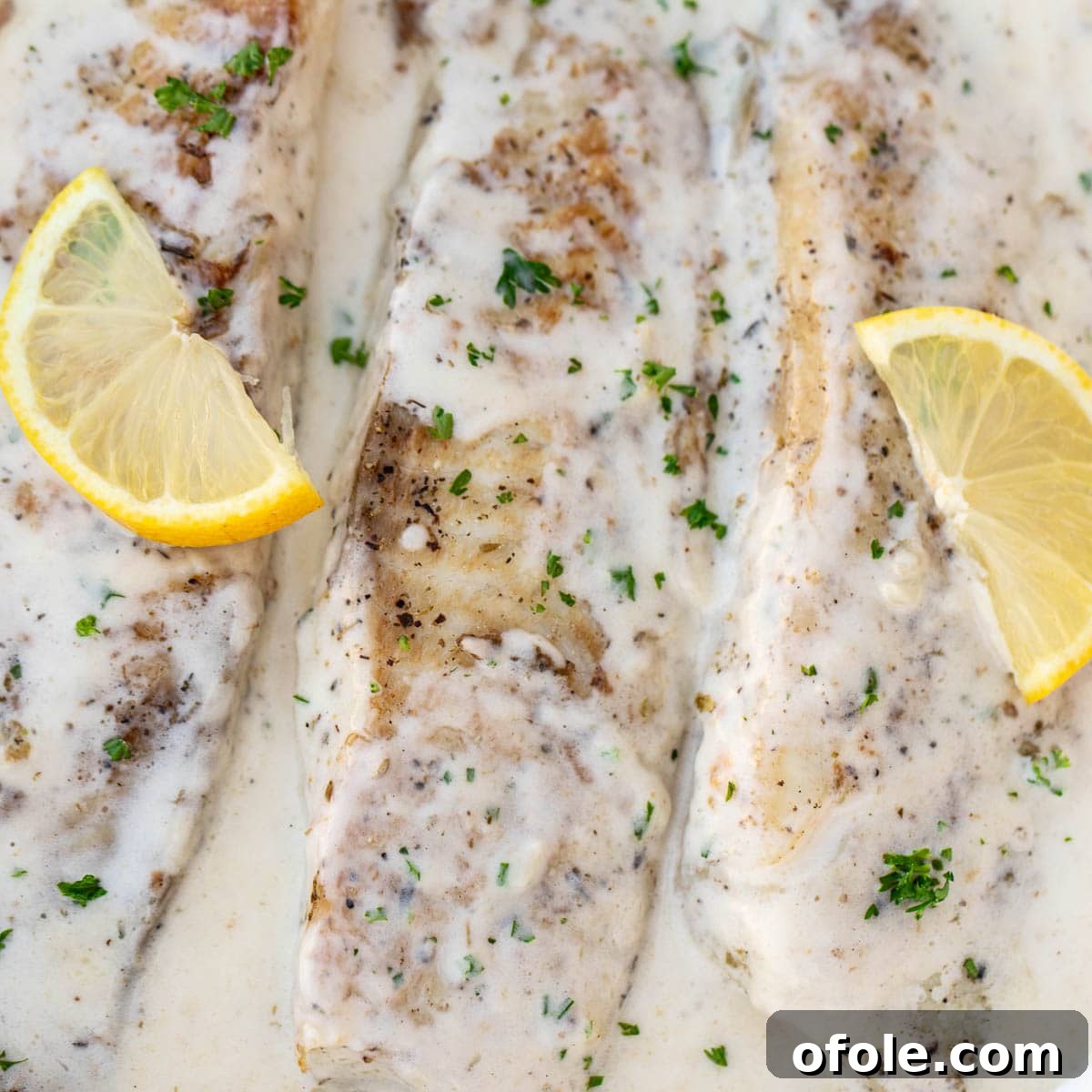
Prepare to impress your family and friends with this exquisite recipe for Fish in White Sauce! Whether you’re planning an intimate dinner party or simply seeking a fresh, flavorful weeknight meal, this dish comes together in just 25 minutes. Its simplicity and deliciousness make it a staple, and you can easily double the ingredients to serve a larger crowd without compromising on taste or speed.
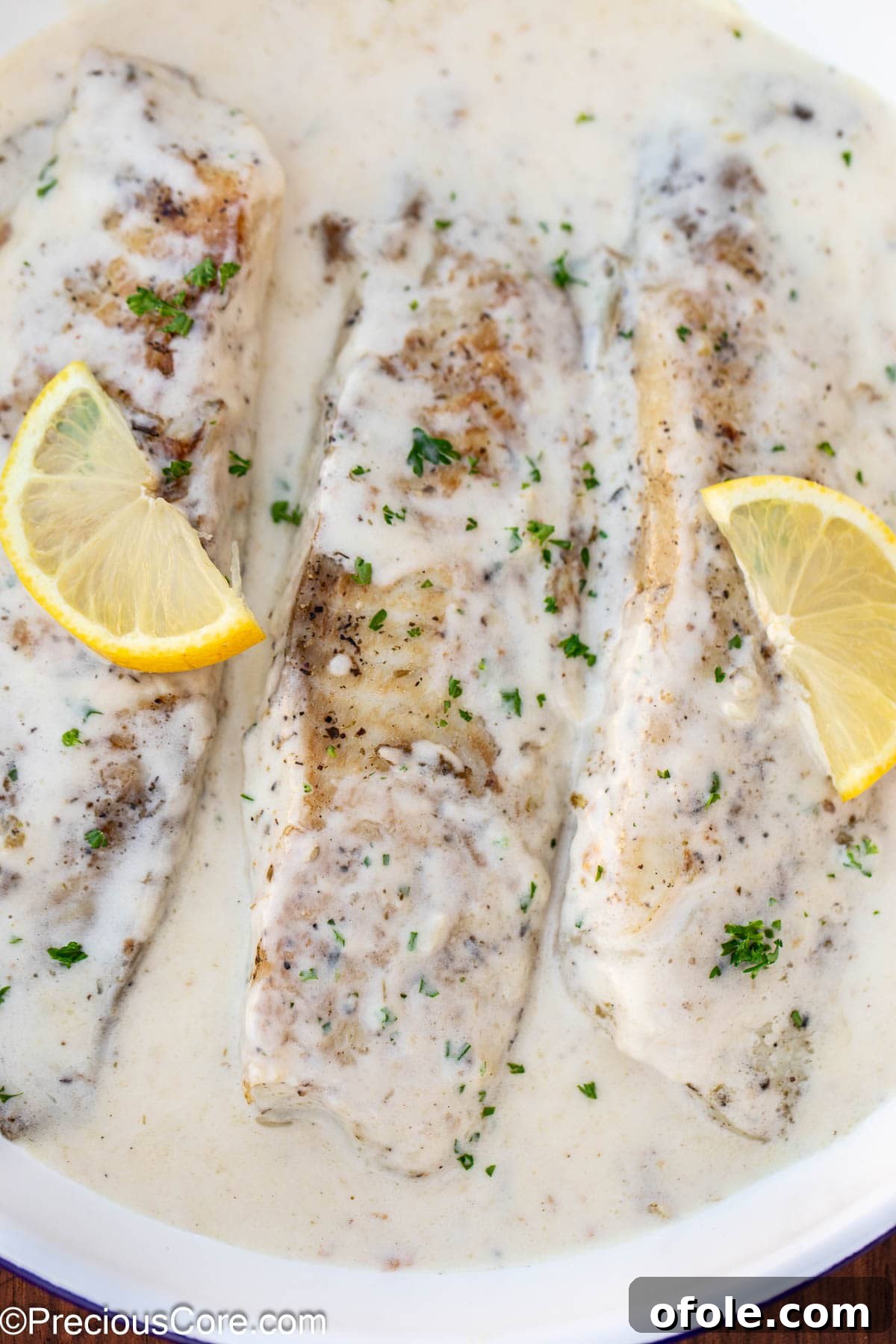
Indulge in perfectly tender fish fillets, delicately coated in a luxurious, zesty lemon-infused cream sauce. Each bite reveals a harmonious blend of flavors, where the subtle notes of butter, fragrant garlic, fresh parsley, and bright citrus juice beautifully complement the mild, flaky texture of the fish. This recipe transforms simple ingredients into an unforgettable dining experience.
One of the many charms of this Fish in White Sauce recipe is its incredible versatility when it comes to serving. It pairs wonderfully with a variety of side dishes, allowing you to tailor your meal to your mood or dietary preferences. Consider serving it alongside fluffy Garlic Herb Rice, vibrant Sautéed Vegetables, classic pasta, creamy Buttermilk Mashed Potatoes, or a crisp Lettuce Salad. In my home, my daughters adore it with a hearty serving of pasta, while my husband prefers it with rice, making it a true family-pleasing dinner sensation!
When our family needs a delightful change from meat, fish-based meals are always our go-to. If you’re eager to explore more delicious fish recipes, I highly recommend trying my popular Pan Seared Tilapia, the incredibly flavorful Garlic Butter Tilapia, or the bright and zesty Lemon Butter Tilapia. Each offers a unique and satisfying way to enjoy seafood.
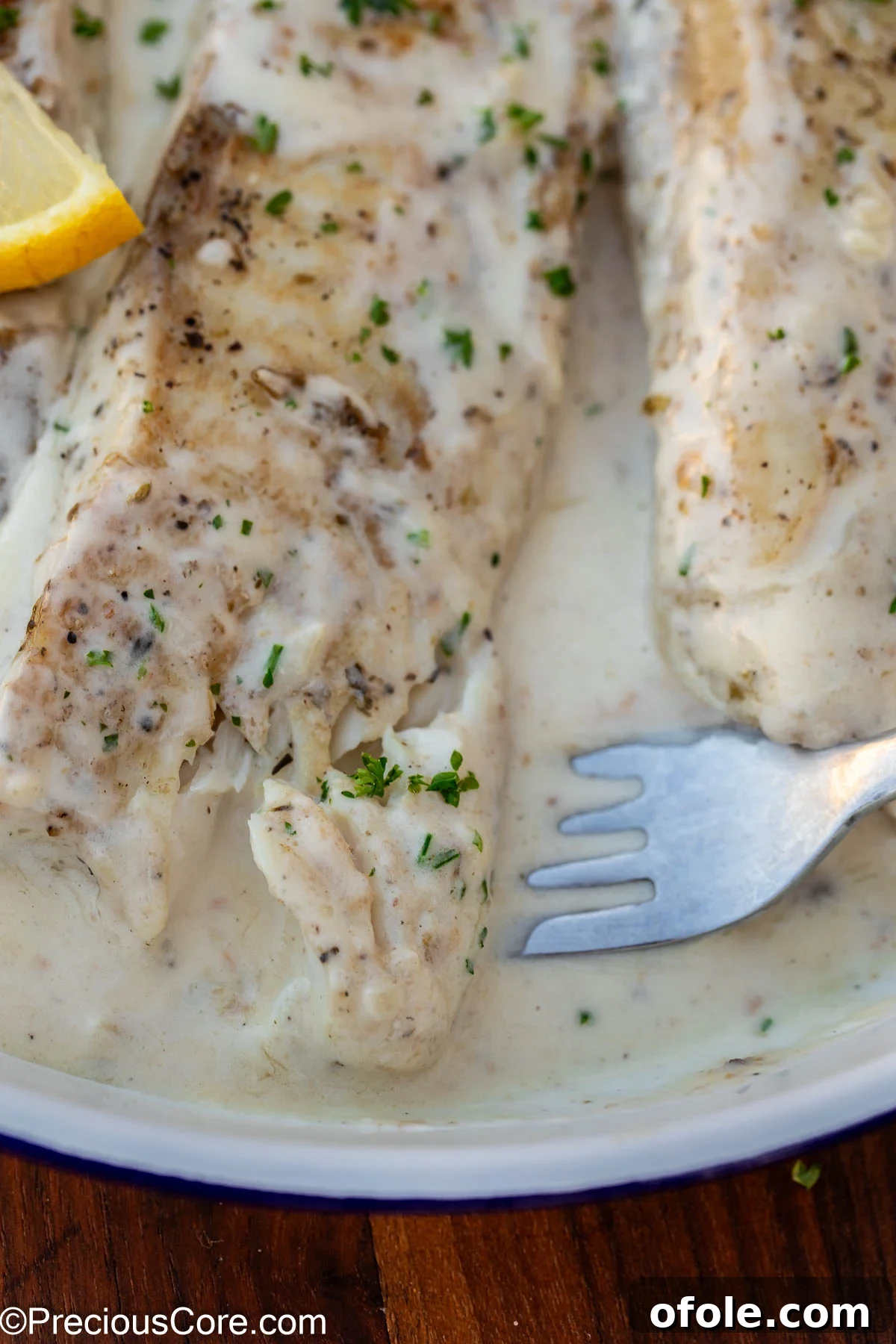
Table of Contents
- Why You’ll Love This Fish in White Sauce Recipe
- Essential Ingredients for Fish in White Sauce
- Step-by-Step Guide: How to Make Fish in White Sauce
- 1. Prepare and Season Your Fish Fillets
- 2. Heat Olive Oil in a Skillet
- 3. Perfectly Pan-Sear the Fish
- 4. Rest the Cooked Fish
- 5. Create the Flavor Base: Butter and Garlic
- 6. Crafting the Creamy Sauce
- 7. Allow the Sauce to Thicken
- 8. Integrate Fish Back into the Sauce
- 9. Final Seasoning and Lemon Zest
- 10. Garnish and Serve Hot
- Substitutions and Creative Variations
- Expert Tips for the Best Fish in White Sauce
- Choosing the Best Fish for White Sauce
- Fish in White Sauce: Frequently Asked Questions
- More Irresistible Creamy Sauce Recipes
- Perfect Serving Suggestions
- More Effortless Dinner Ideas
- Fish In White Sauce Full Recipe
Why You’ll Love This Fish in White Sauce Recipe
This remarkable fish dish isn’t just a meal; it’s a delightful experience that offers numerous benefits to the busy home cook and health-conscious individual alike. Here’s why this Fish in White Sauce will quickly become a cherished recipe in your culinary repertoire:
- A Powerhouse of Protein: Each perfectly cooked fillet typically delivers between 21 to 26 grams of high-quality protein. This makes it an ideal choice for a satisfying and nourishing dinner, helping you refuel and recover after a demanding day. Protein is crucial for muscle repair, satiety, and overall well-being, ensuring you feel full and energized.
- Ready in Record Time – Just 25 Minutes! Life moves fast, and so should your delicious dinners. If you appreciate a swift yet gourmet meal, this recipe is your answer. You can have a restaurant-quality dinner on the table in under half an hour, making it perfect for busy weeknights when time is of the essence but flavor is non-negotiable.
- Budget-Friendly Luxury: Tilapia, the primary fish in this recipe, is generally an affordable option, allowing you to create a sophisticated meal without breaking the bank. Despite its low cost, the combination of flaky fish and an insanely delicious, rich sauce makes this dish taste incredibly luxurious. It’s proof that you don’t need expensive ingredients to serve a high-quality, flavorful dinner to your family.
- Incredibly Versatile: This recipe acts as a fantastic canvas for various sides and flavors. Whether you prefer rice, pasta, or vegetables, the white sauce complements almost anything, offering endless pairing possibilities. It’s also easily adaptable to different fish types or even other proteins.
- Simple and Approachable: You don’t need advanced culinary skills to master this dish. The steps are straightforward, making it accessible for novice cooks while still satisfying experienced chefs with its elegant outcome.
Essential Ingredients for Fish in White Sauce
Crafting this delicious Fish in White Sauce requires a selection of fresh, high-quality ingredients that combine to create its signature rich and zesty flavor. While the full, detailed list is available in the recipe card below, let’s highlight some of the key components and why they are essential:
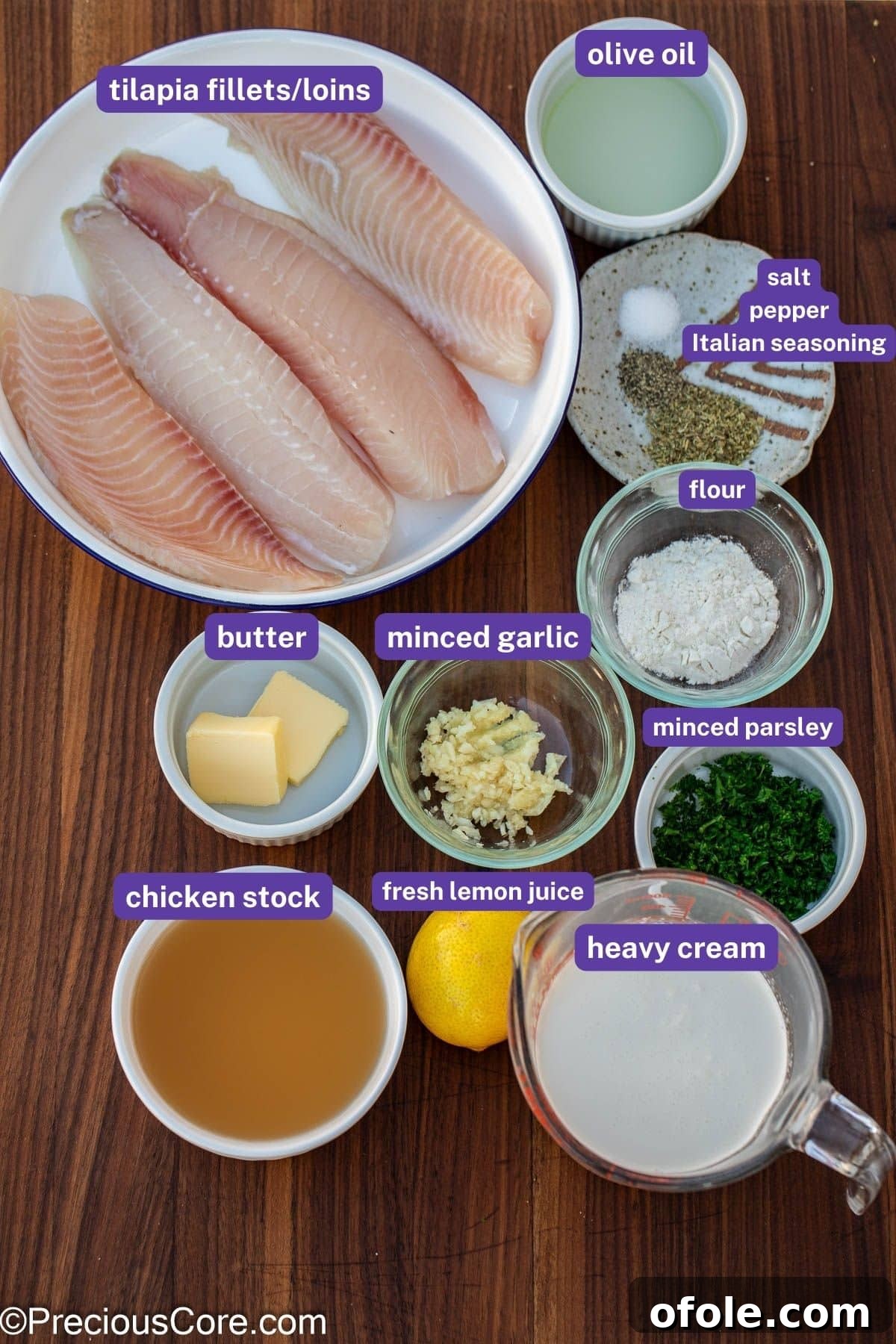
- Tilapia Fillets or Loins: Our star ingredient! Tilapia boasts a delicate, mild sweetness that harmonizes beautifully with the savory elements of the dish, particularly the chicken stock and garlic. For optimal and even cooking, ensure your fillets are at room temperature before you begin. I often use tilapia loins, which are thicker cuts, as they are frequently available at my local grocery store and hold up well to pan-searing.
- Olive Oil: A crucial element for searing the fish. Olive oil prevents the fillets from sticking to the pan and contributes to a beautiful golden-brown crust, locking in moisture and flavor. Don’t skip it!
- Fresh Lemon Juice: This is where the “zesty” in our zesty lemon cream sauce comes from. Added towards the end of the cooking process, fresh lemon juice provides a bright, acidic lift that cuts through the richness of the cream, enhancing the entire dish’s overall taste, especially the luscious sauce.
- Garlic: Fresh, finely minced garlic is indispensable. When gently cooked in butter, it transforms into a nutty, wonderfully fragrant base for the sauce, offering a depth of flavor that perfectly complements the fish.
- Heavy Cream: The secret to the sauce’s luxurious texture and rich flavor. Heavy cream imparts a velvety smoothness and decadent body that milk simply cannot replicate. For the best results, always opt for heavy cream.
- Unsalted Butter: The foundation of our creamy white sauce. Butter adds richness and helps to create the roux when combined with flour, ensuring a smooth, thick sauce. Using unsalted butter allows you to control the overall saltiness of the dish.
- All-Purpose Flour: Essential for thickening the sauce. Flour, cooked with butter to form a roux, provides a stable base that prevents the sauce from becoming too thin or watery. For a gluten-free option, you can easily substitute with a 1:1 gluten-free flour blend.
- Chicken Stock: This savory liquid adds depth and umami to the sauce, balancing the richness of the cream and butter. Opt for a low-sodium variety if you prefer to control the salt content.
- Salt, Black Pepper, and Italian Seasoning: These fundamental seasonings enhance the natural flavor of the fish and contribute to the aromatic profile of the dish. Italian seasoning, a blend of dried herbs, adds a wonderfully balanced herbaceous note.
- Fresh Parsley: Used as a garnish, fresh parsley not only adds a pop of vibrant green color but also a fresh, herbaceous finish that brightens the dish.
Top Tip for Freshness: Always ensure the fish you are using is truly fresh. Indicators of fresh fish include a mild, sea-like aroma (not fishy), clear and bulging eyes, red gills, and firm, springy flesh that bounces back when gently pressed.
Step-by-Step Guide: How to Make Fish in White Sauce
Creating this exquisite Fish in White Sauce is simpler than you might imagine. You don’t need any advanced culinary skills to achieve a restaurant-quality meal. Just follow these easy steps to bring this comforting and elegant dish to your table:
1. Prepare and Season Your Fish Fillets
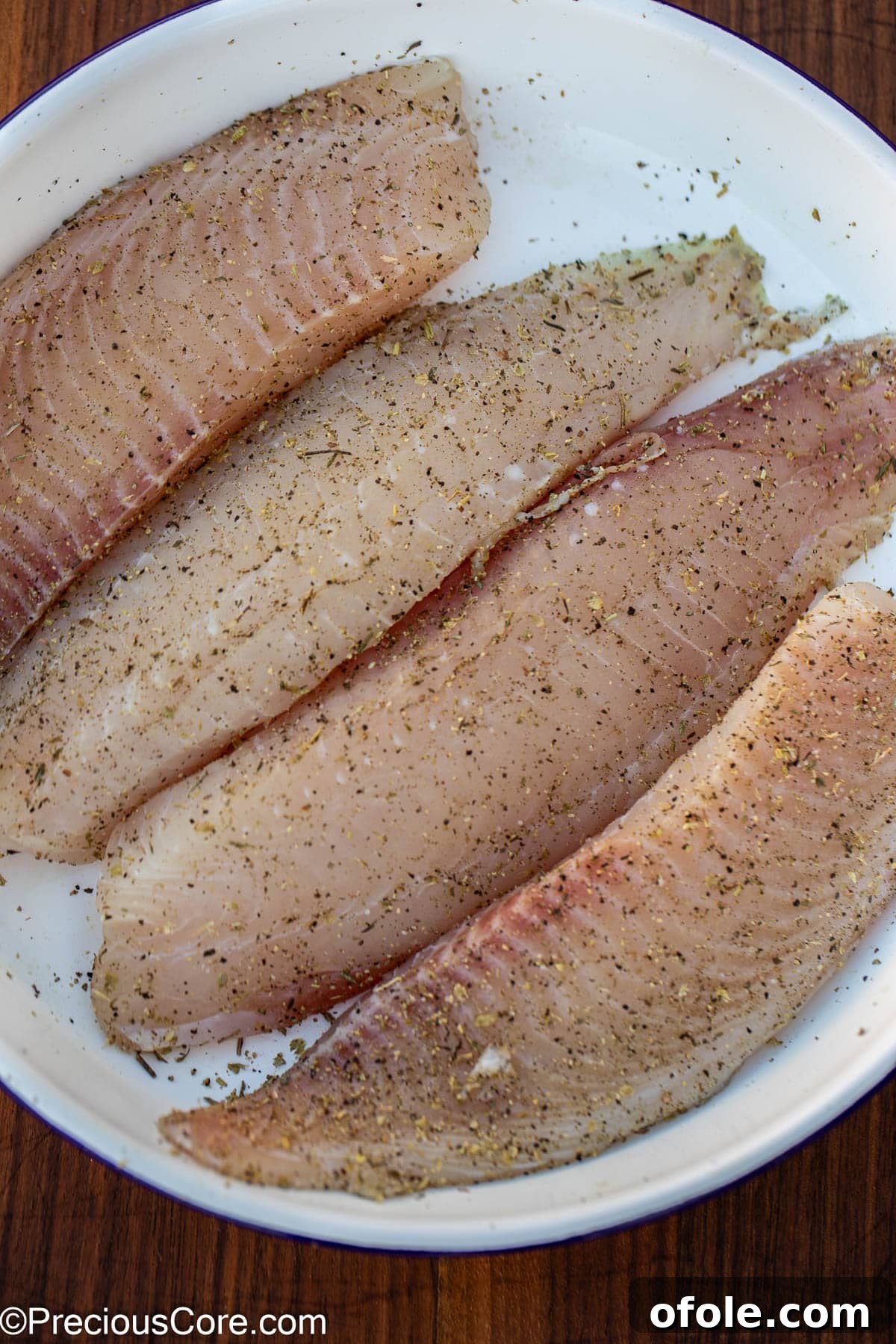
Begin by gently patting your room-temperature tilapia fillets or loins thoroughly dry with paper towels. This crucial step helps create a beautiful sear and prevents steaming. Once dry, generously season both sides of the fish with salt, black pepper, and Italian seasoning. Ensure an even coating for maximum flavor.
2. Heat Olive Oil in a Skillet
Place a large skillet (ideally 12 inches wide to accommodate the fish without overcrowding) over medium-high heat. Add the olive oil and allow it to heat for about 2 minutes until it shimmers. A hot pan is essential for achieving a perfect sear.
3. Perfectly Pan-Sear the Fish
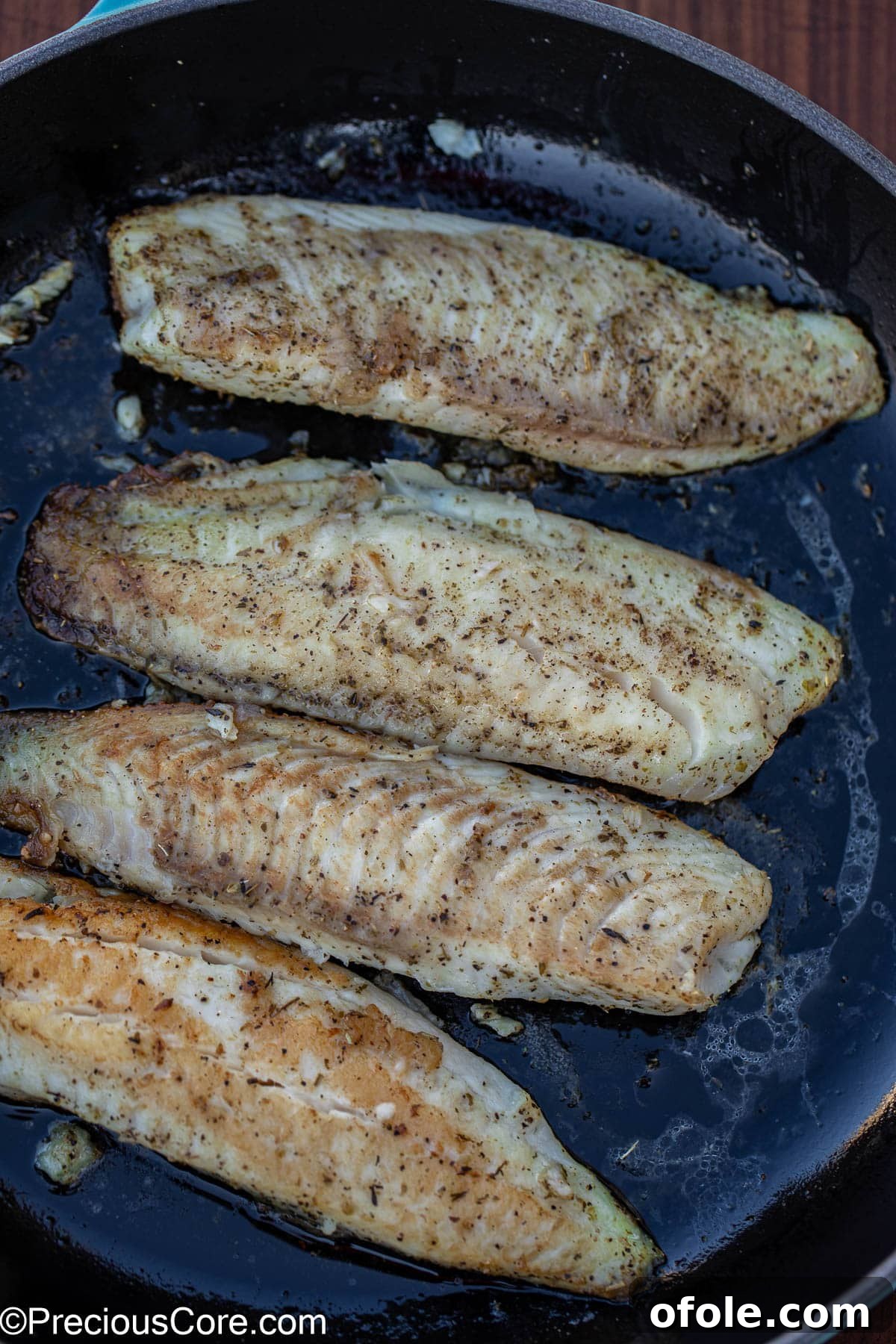
Carefully place the seasoned tilapia fillets into the hot skillet. Cook on one side for approximately 3 minutes, allowing a golden crust to form. Using a fish spatula for gentle handling, carefully flip each fillet to the other side and cook for another 2 minutes. The fish should be lightly cooked through but not fully done at this stage.
4. Rest the Cooked Fish
Once lightly seared, carefully remove the fish fillets from the pan and set them aside on a plate. They will finish cooking later in the sauce, ensuring they remain moist and flavorful.
5. Create the Flavor Base: Butter and Garlic
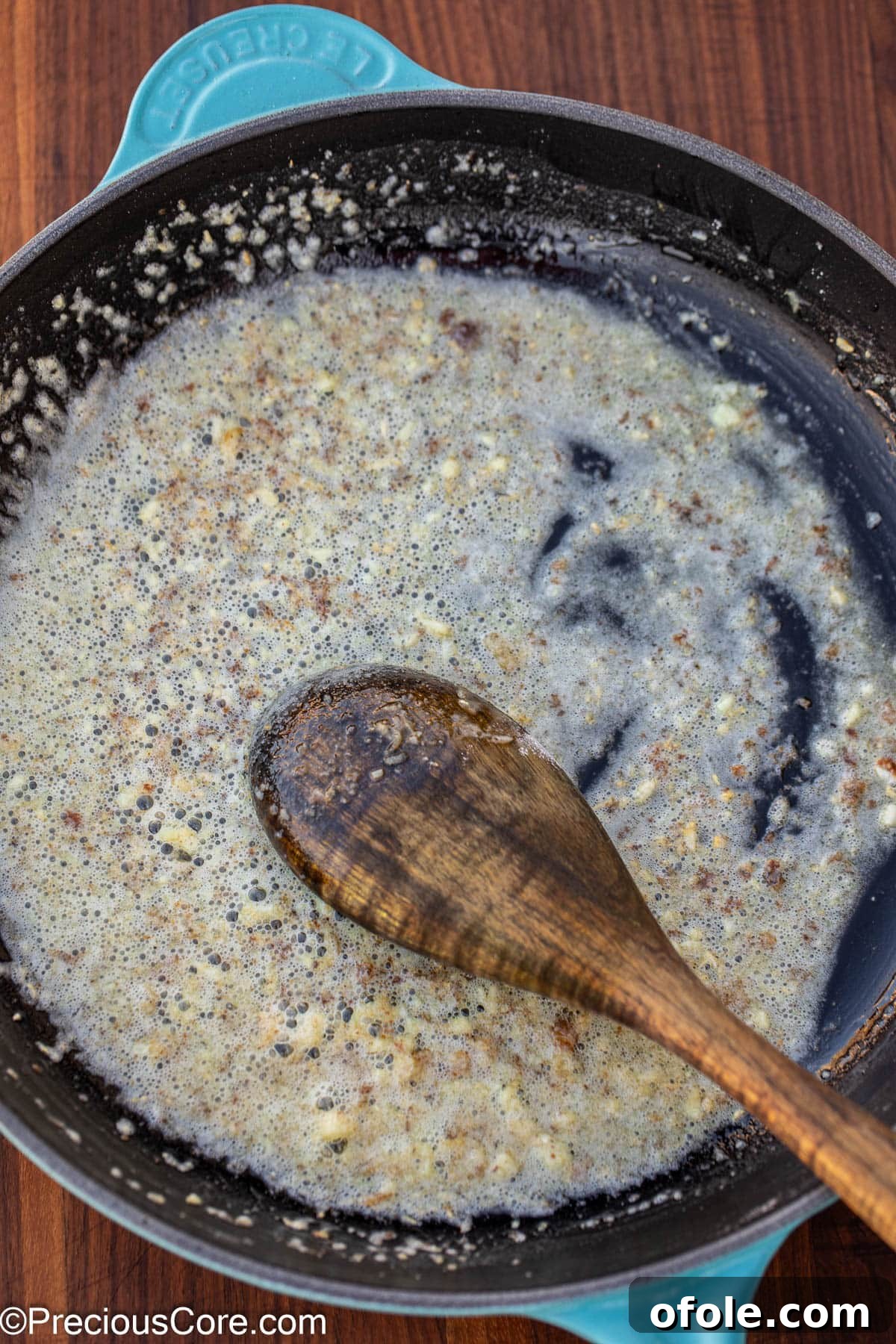
Reduce the heat to medium. Add the unsalted butter to the same skillet, allowing it to melt completely. Once melted, add the minced garlic and stir continuously for about 10 seconds until it becomes wonderfully fragrant. Be careful not to burn the garlic, as this can lead to a bitter taste.
6. Crafting the Creamy Sauce
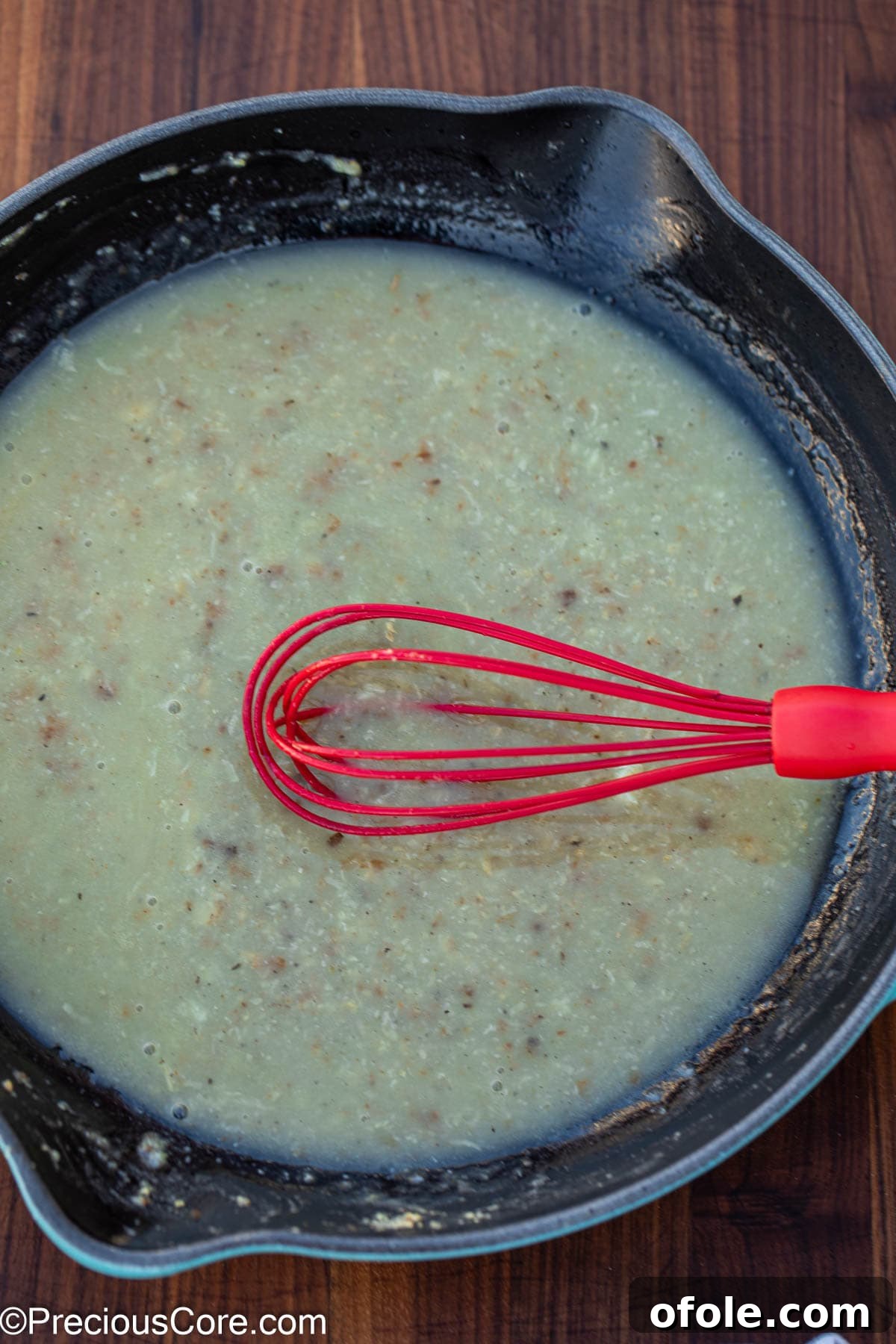
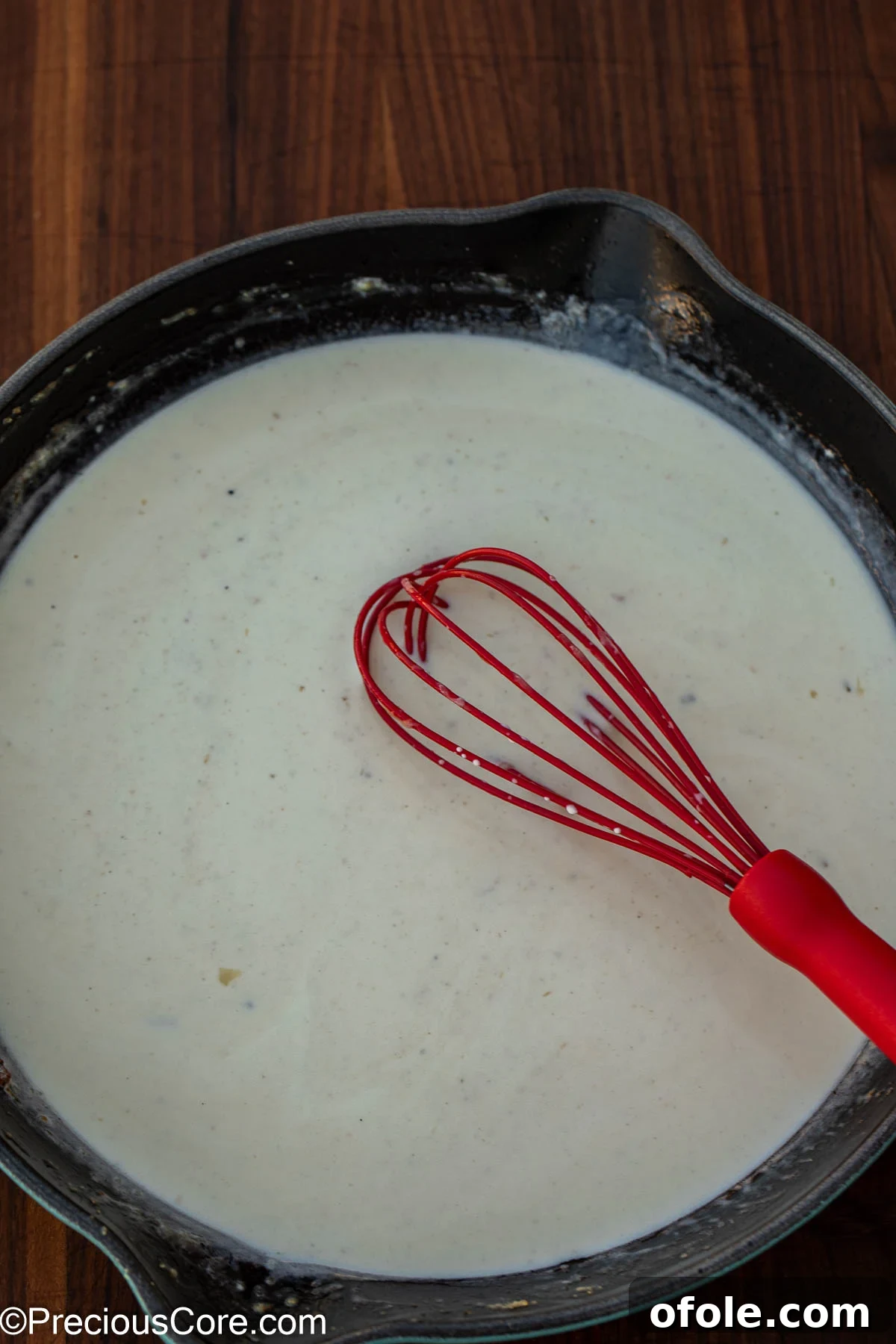
Sprinkle the flour into the butter and garlic mixture. Stir constantly for about 30 seconds to cook out the raw flour taste, creating a roux. Next, gradually whisk in the chicken stock until smooth, ensuring no lumps remain. Bring this mixture to a gentle simmer.
7. Allow the Sauce to Thicken
Let the sauce simmer for 5 minutes, stirring or whisking occasionally. During this time, it will naturally thicken and become glossy. After 5 minutes, whisk in the heavy cream and continue to simmer for another 5 minutes, allowing the sauce to reach its full velvety potential.
8. Integrate Fish Back into the Sauce
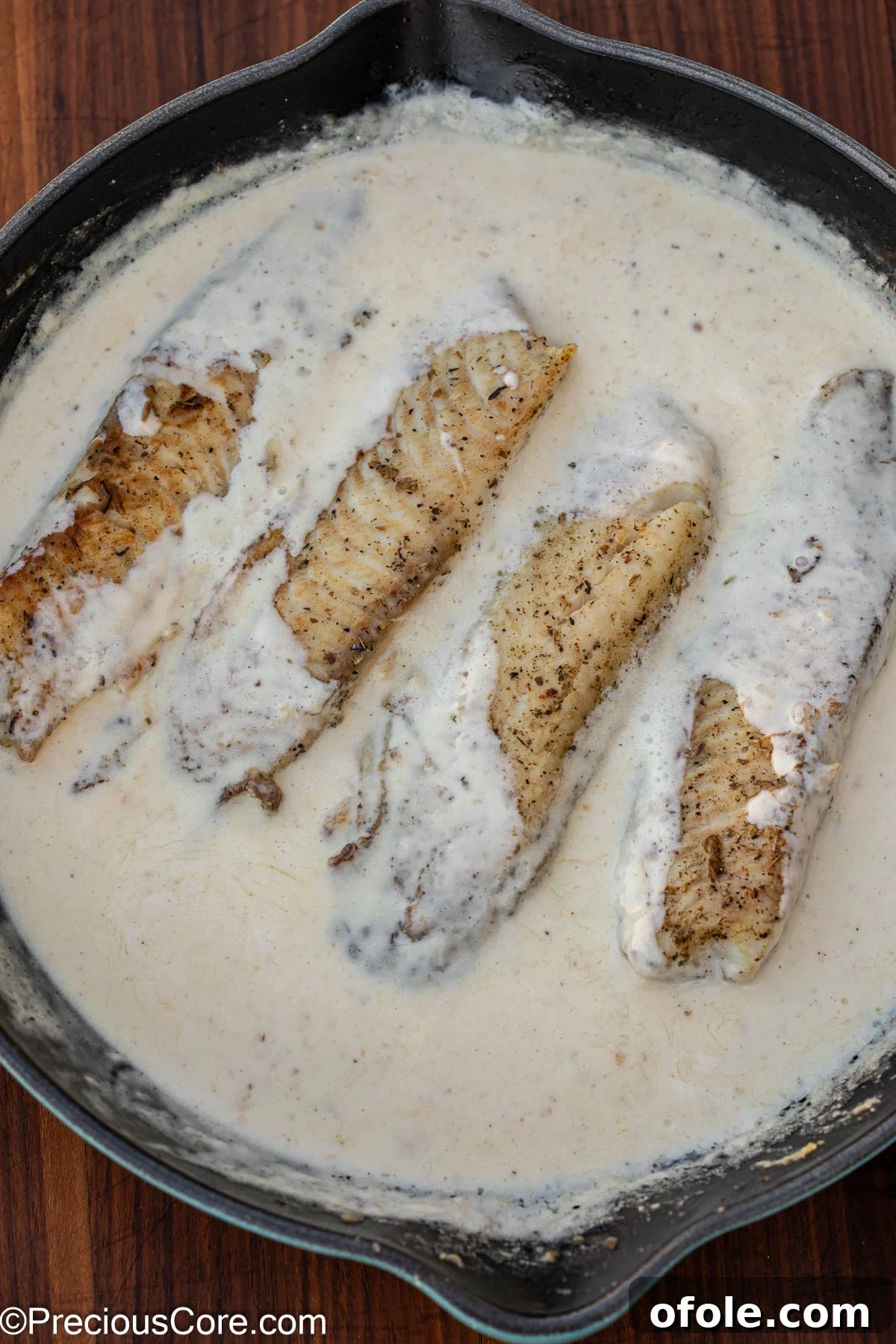
Gently return the lightly cooked fish fillets to the simmering white sauce. Allow them to simmer in the sauce for another 2 minutes. This step finishes cooking the fish, infusing it with the incredible flavors of the creamy sauce and ensuring it remains incredibly moist.
9. Final Seasoning and Lemon Zest
Taste the sauce and adjust any seasoning as needed, adding more salt or pepper if desired. Finally, stir in the fresh lemon juice, adding 1 to 2 tablespoons according to your taste preference. The lemon juice brightens the entire dish, providing that signature zesty finish.
10. Garnish and Serve Hot
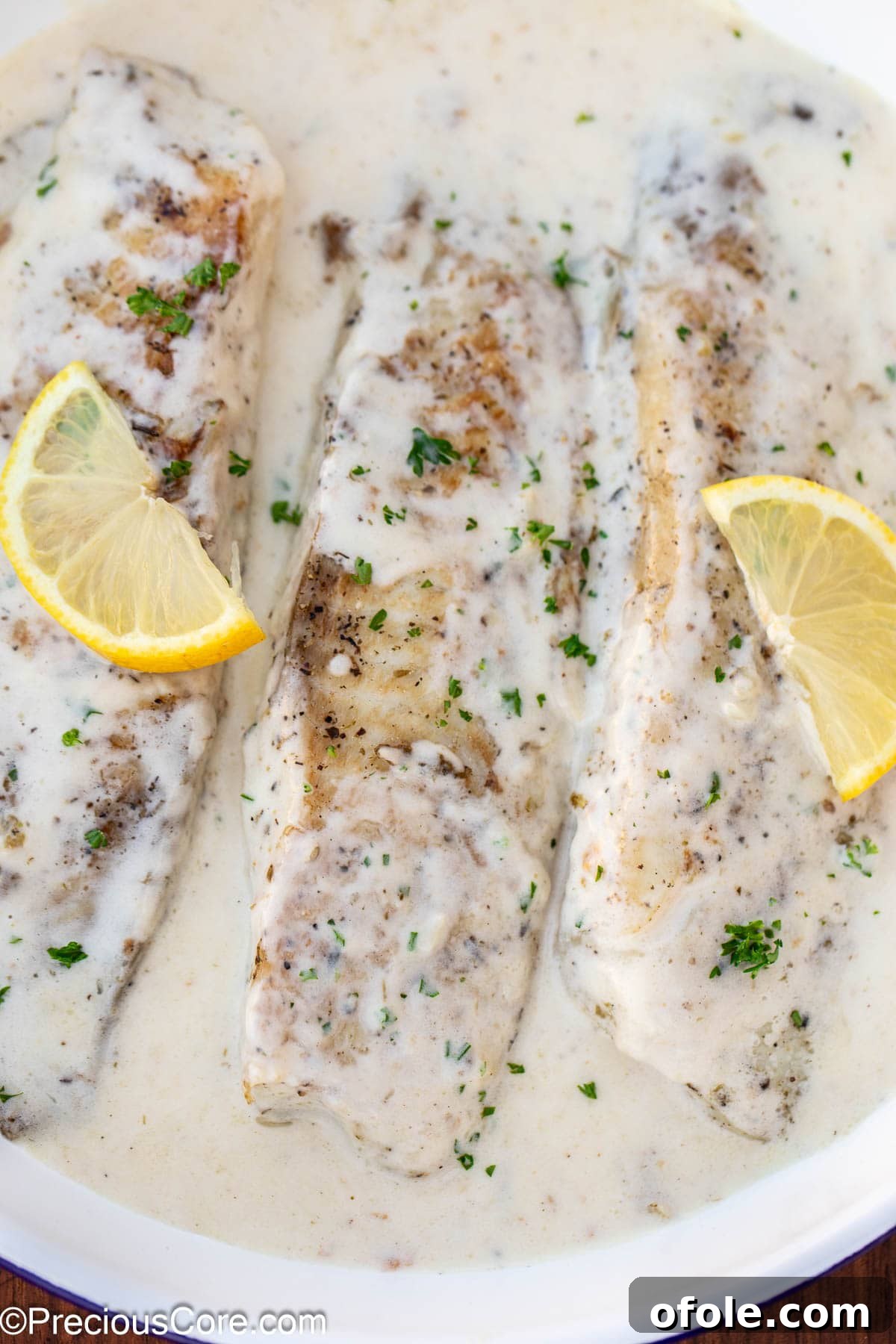
Remove the skillet from the heat. Garnish generously with freshly minced parsley before serving. This adds a beautiful pop of color and a fresh, herbaceous aroma. Serve your luscious, lemony fish in white sauce immediately and warm.
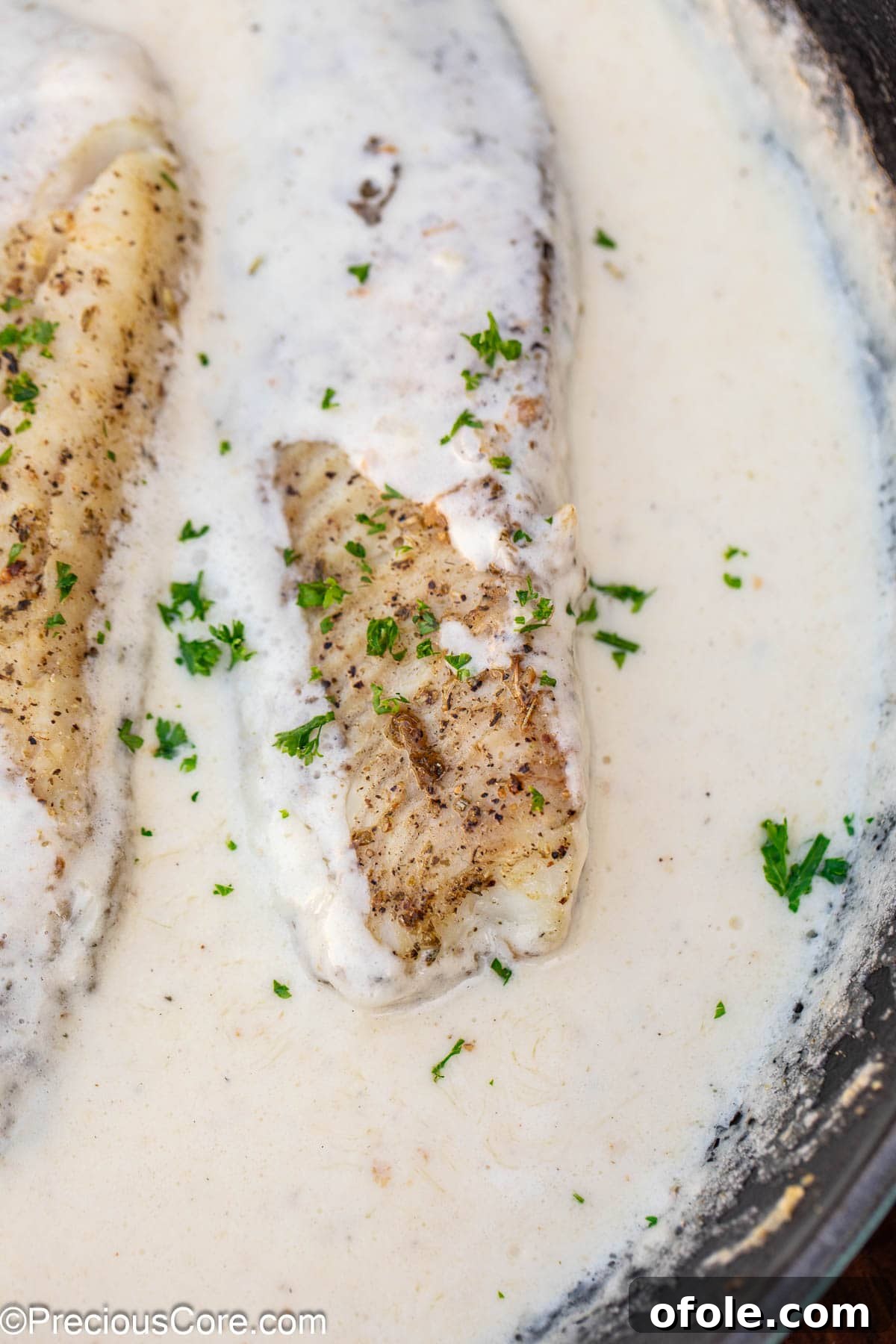
For an elevated presentation and a slightly different herbaceous note, you can also garnish with fresh dill. This adds a touch of sophistication to your meal.
This magnificent meal is best enjoyed fresh and warm. Should you have any leftovers, store them in an airtight container in the refrigerator for up to 3 days. When reheating, gently simmer the creamy lemon butter sauce over low heat. If the sauce has thickened too much, a splash of extra chicken stock or a little milk will help restore its perfect consistency.
Avoid Overcooking Fish: Fish cooks very quickly, so be mindful not to overcook it. The fish is perfectly done when it flakes easily with a fork, revealing its tender, moist interior.
Substitutions and Creative Variations
One of the beauties of this Fish in White Sauce recipe is its adaptability. Feel free to customize it to your personal preferences or what you have on hand. Here are some simple adjustments you can make:
- Explore Different Fish or Proteins: While tilapia is excellent, don’t hesitate to substitute the fillets with other types of white fish such as cod, mahi-mahi, halibut, haddock, or even salmon for a richer flavor. Many varieties of white-fleshed fish pair beautifully with a creamy sauce, allowing you to tailor the dish to your taste. Beyond fish, this method works wonderfully with other proteins like pan-seared pork chops or thinly sliced chicken breast, offering a versatile culinary technique.
- Enhance Seasonings and Herbs: Elevate the flavor profile of both the fish and the sauce by experimenting with different seasonings. Consider adding a pinch of smoked paprika for a subtle smokiness, a dash of cayenne pepper for a gentle kick, or a touch of dried thyme or oregano alongside or instead of Italian seasoning. For an even more intense lemon flavor, finely grate some lemon zest into the sauce along with the juice. Fresh dill also makes an outstanding garnish and can be incorporated into the sauce for a distinct herbaceous note.
- Gluten-Free Flour Options: Making this dish gluten-free is incredibly simple. Just swap the all-purpose flour for a gluten-free flour blend. Most 1:1 gluten-free baking flours will work perfectly without needing to adjust the measurements. Always check the packaging of your chosen flour for specific recommendations.
- Add Vegetables: Boost the nutritional value and color of your meal by incorporating vegetables directly into the pan. Sautéed spinach, asparagus, cherry tomatoes, or sliced mushrooms can be added to the sauce during the last few minutes of simmering, allowing them to gently cook and absorb the delicious flavors.
- Dairy-Free Alternative: For those avoiding dairy, you can try using a plant-based heavy cream alternative (such as full-fat coconut cream for a richer texture or a cashew-based cream). For the butter, use a vegan butter substitute. Be aware that the flavor profile might vary slightly with dairy-free options.
Expert Tips for the Best Fish in White Sauce
Achieving a truly exceptional Fish in White Sauce is easy with a few expert tips. These insights will help you ensure your fish is perfectly cooked, your sauce is flawlessly creamy, and your meal is packed with maximum flavor:
- Thoroughly Defrost Fish Fillets: Always ensure your fish fillets are fully defrosted before cooking. The best way to do this is by transferring them from the freezer to the refrigerator overnight. If you’re short on time, you can quickly defrost them by placing the sealed fillets in a bowl of cold water. Change the water every 20-30 minutes until they are pliable. Cooking partially frozen fish will result in uneven cooking and a less desirable texture.
- Inspect for Pin Bones: Before you season and cook the fillets, take a moment to double-check for any small pin bones. These can sometimes be missed during the filleting process. Run your fingers along the flesh; if you feel any, use a pair of clean pliers or tweezers to carefully remove them. This simple step ensures a more pleasant eating experience.
- Source Sustainable Fish: Regardless of the type of fish you choose, prioritizing sustainably sourced and responsibly farmed options is crucial. This not only supports healthier oceans and ecosystems but often ensures a higher quality product with lower levels of potential contaminants. Look for certifications or labels on packaging that indicate sustainable practices.
- Don’t Overcrowd the Pan: When searing the fish, avoid placing too many fillets in the skillet at once. Overcrowding lowers the pan’s temperature, leading to steamed rather than seared fish. Cook in batches if necessary, ensuring each fillet has enough space to brown properly.
- Heat Management for the Sauce: Maintain medium heat when preparing the sauce. High heat can cause the butter to burn, the flour to cook too quickly, or the cream to curdle. A gentle simmer is ideal for thickening the sauce smoothly and gradually.
- Taste and Adjust Seasoning: Always taste your sauce before adding the fish back in and again before serving. Adjust salt, pepper, and lemon juice to your preference. The brightness of fresh lemon juice is key to balancing the richness of the cream.
- Prevent Lumpy Sauce: When adding flour to the melted butter, whisk continuously to form a smooth paste (roux). When adding liquids (chicken stock and cream), pour them in gradually while whisking vigorously. This technique helps prevent lumps and ensures a silky, smooth sauce.
Choosing the Best Fish for White Sauce
While tilapia is a fantastic choice for its mild flavor and quick cooking time, if it’s not readily available or you simply want to try something new, fret not! There are plenty of other excellent white fish options that work beautifully in this recipe and taste just as delicious, if not even more so, depending on your preference:
- Cod: Known for its mild flavor and wonderfully flaky texture, cod is a popular choice for creamy sauces. It absorbs flavors well and maintains its integrity during cooking.
- Catfish: With a slightly firmer texture and a mild, somewhat sweet flavor, catfish stands up nicely to pan-searing and provides a satisfying bite.
- Flounder: A very delicate, thin fish with a subtle flavor. Flounder cooks incredibly fast, so watch it carefully to prevent overcooking. Its tenderness is a great match for a light white sauce.
- Halibut: Considered a premium white fish, halibut has a firm, meaty texture and a clean, mild flavor. It’s a bit more expensive but offers a luxurious feel to the dish.
- Red Snapper: Offers a slightly nutty and sweet flavor with a medium-firm texture. Red snapper is vibrant and adds a beautiful presentation.
- Haddock: Similar to cod, haddock is known for its delicate flakes and mild taste, making it another excellent substitute.
Although each of these white-fleshed fish possesses unique qualities – some might have a slightly bolder flavor, others a different texture – the bright, lemony, garlic-infused cream sauce is a perfect match for any of them. The sauce is robust enough to complement various mild fish without overpowering their natural essence, ensuring a delightful culinary experience every time.
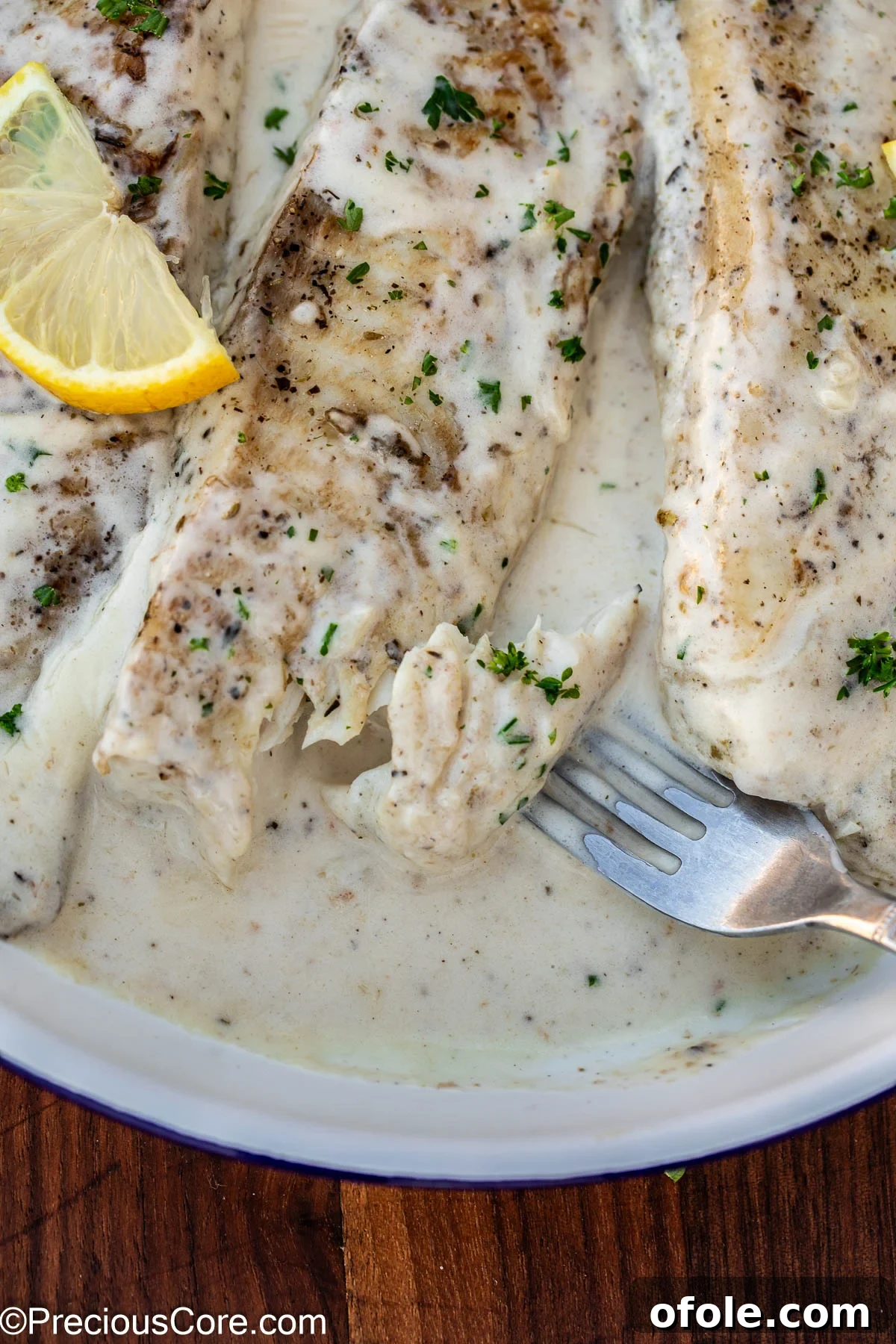
Searching for quick and effortless serving ideas for your Fish in White Sauce? Look no further! This versatile dish is exceptional when served with a bed of fluffy steamed rice, twirled with your favorite pasta, or accompanied by a medley of fresh, sautéed vegetables!
For another fantastic fish recipe that’s packed with flavor, be sure to check out my incredible recipe for Mediterranean Baked Fish!
Fish in White Sauce: Frequently Asked Questions
Some of the most popular white fish fillets widely enjoyed include cod, halibut, flounder, tilapia, sea bass, grouper, haddock, catfish, and red snapper. The popularity of specific fish types can vary significantly by region, influenced by local accessibility, culinary traditions, and market availability.
Many types of sauces wonderfully complement fish, enhancing its natural flavors. This particular recipe features a delectable white sauce, which adds an impressive layer of flavor to mild fish like tilapia. Other excellent options include classic lemon butter sauce, vibrant pesto, creamy dill sauce, tangy mustard sauce, or even a sophisticated white wine sauce, depending on the type of fish and desired flavor profile.
No, white sauce and Alfredo sauce are distinct! Traditional white sauce, famously known as Béchamel in French cuisine, begins with a roux—a cooked mixture of fat (typically butter) and flour. A dairy product, such as milk, half-and-half, or cream, is then slowly incorporated to create a smooth, thick sauce. Alfredo sauce, conversely, always features Parmesan cheese. Its base usually consists of butter, garlic, and heavy cream, with the cheese added last. While variations exist, Alfredo typically doesn’t use flour as a thickener.
While the dish is best served fresh, you can prepare the sauce components ahead of time. Make the creamy white sauce and store it in the refrigerator for up to 2-3 days. When ready to serve, gently reheat the sauce, adding a splash of stock or milk if it’s too thick, then cook the fish fresh in the sauce as directed. This ensures optimal fish texture.
Absolutely! Fish is an excellent source of lean protein and omega-3 fatty acids, which are beneficial for heart and brain health. While the sauce contains butter and heavy cream, it’s rich in flavor, so a modest serving is satisfying. You can make it even lighter by using a lighter cream (like half-and-half in place of some heavy cream) or increasing the amount of vegetables served alongside.
More Irresistible Creamy Sauce Recipes
There’s something uniquely comforting and luxurious about dishes featuring creamy sauces. If you adore the rich, velvety texture of our Fish in White Sauce, you’ll undoubtedly fall in love with these other favorite creamy sauce recipes:
Chicken Drumsticks in Creamy Sauce
Chicken in White Sauce
Marry Me Chicken
Perfect Serving Suggestions
This delectable Fish in White Sauce is incredibly versatile and pairs beautifully with a range of side dishes to create a complete and satisfying meal. Here are some of our top recommendations:
Garlic Butter Green Beans
Pan Fried Brussels Sprouts With Bacon
Sauteed Peppers
Easy Coconut Rice
Easy Roasted Potatoes
More Effortless Dinner Ideas
Simplify your dinner routine with these incredibly easy and delicious recipes! Whether you’re looking for a quick weeknight meal or a simple yet impressive dish, these options are designed to make dinner time stress-free and enjoyable:
Pan Seared Boneless Chicken Thighs
Bone In Ribeye Steak
One Pot Chicken Thighs And Rice
107 Easy Dinner Recipes For Family
Mediterranean Baked Fish
Cajun Honey Butter Salmon
If you make this delightful recipe, please take a moment to leave a star rating below! Your feedback helps others discover and enjoy this recipe, and I truly love hearing from you! Thank you!
Fish In White Sauce
5
20
25
4 servings
Rate
Print Recipe
Ingredients
- 1 pound tilapia fillets or loins (3-4 fillets or loins, can substitute with other white fish like snapper or sea bass)
- ¼ teaspoon salt
- ¼ teaspoon black pepper
- 1 teaspoon Italian seasoning
- 2 tablespoons olive oil
- 2 Tablespoons unsalted butter
- 3 cloves garlic, minced
- 1 Tablespoon all-purpose flour
- 1 cup chicken stock
- 1¼ cups heavy cream
- 1-2 Tablespoons fresh lemon juice
- Fresh parsley for garnish.
Instructions
-
Pat room temperature tilapia fillets or loins dry with paper towels. Season both sides evenly with salt, pepper, and Italian seasoning.
-
Add olive oil to a large skillet (at least 12 inches wide) and heat on medium-high for 2 minutes.
-
Carefully place tilapia fillets into the hot pan. Cook on one side for 3 minutes until golden. Using a fish spatula, gently flip to the other side and cook for 2 minutes. Remove the fish from the pan and set aside.
-
Reduce heat to medium. Add butter to the pan and allow it to melt. Add minced garlic and stir for 10 seconds until fragrant. Sprinkle in the flour and stir continuously for 30 seconds to cook out the raw flavor. Whisk in the chicken stock and bring to a gentle simmer. Let it simmer for 5 minutes, stirring or whisking occasionally until the sauce thickens and becomes glossy. Whisk in the heavy cream and simmer for another 5 minutes.
-
Return the fish fillets to the pan, nestling them into the sauce. Let them simmer for 2 minutes to finish cooking through and absorb the sauce’s flavors. Taste the sauce and adjust seasoning (salt and pepper) as needed. Stir in the fresh lemon juice, to taste.
-
Garnish generously with minced parsley and serve warm over mashed potatoes, pasta, or rice. Enjoy!
Notes
Other kinds of fish to use: Beyond tilapia, excellent substitutes include cod, catfish, flounder, halibut, or red snapper. If you opt for tilapia, ensure you purchase varieties that are sustainably sourced and responsibly farmed, which should be indicated on the fish packaging.
Nutrition
Calories: 507kcal
|
Carbohydrates: 7g
|
Protein: 27g
|
Fat: 42g
|
Saturated Fat: 23g
|
Polyunsaturated Fat: 3g
|
Monounsaturated Fat: 14g
|
Trans Fat: 0.2g
|
Cholesterol: 158mg
|
Sodium: 312mg
|
Potassium: 497mg
|
Fiber: 0.3g
|
Sugar: 3g
|
Vitamin A: 1279IU
|
Vitamin C: 1mg
|
Calcium: 77mg
|
Iron: 1mg
Additional Info
Dinner
Western
507
Tried this recipe?
Mention @preciouscore or tag #PreciousCore!