
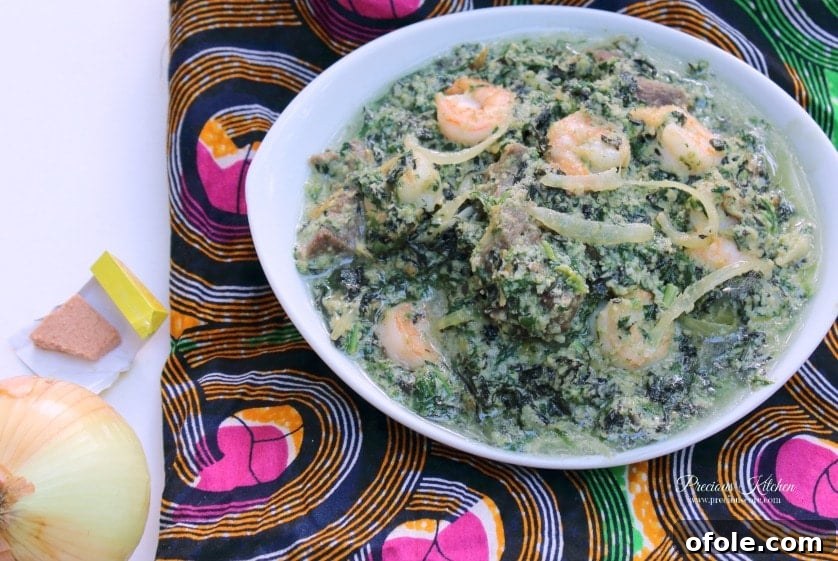
Authentic Cameroonian Ndole Recipe: A Culinary Journey into West African Flavors
Welcome, food enthusiasts, to a truly special culinary experience! Today, we’re diving deep into the heart of Cameroonian cuisine to explore Ndole, a dish that’s not just food, but a vibrant celebration of culture and flavor. Ndole is revered as the national dish of Cameroon, particularly cherished by the Douala people, known for its rich, earthy taste, and comforting essence. This exquisite stew combines the distinctive bitterness of bitterleaf with the creamy richness of groundnuts (peanuts), often accompanied by tender meat or succulent shrimp, creating a symphony of textures and aromas that will captivate your palate.
For those eager to embark on this flavorful adventure, we’ve prepared a comprehensive guide. Below, you’ll find a detailed video recipe to walk you through each step, ensuring your Ndole turns out perfectly. We’ll cover everything from selecting the finest ingredients to mastering the art of de-bittering the bitterleaf, and finally, simmering it all into a hearty, nutty, and subtly oniony masterpiece. Whether you’re a seasoned chef or a curious home cook, this recipe is designed to be accessible and rewarding. Prepare to impress your family and friends with a truly authentic taste of Cameroon.
Watch the Ndole Recipe Video Tutorial!
For a more detailed written guide, continue reading after the video. We also have a printable recipe card below for your convenience!
What is Ndole? Unveiling Cameroon’s National Treasure
Ndole is more than just a meal; it’s a culinary emblem of Cameroon, deeply rooted in the traditions of the Littoral region, the homeland of the Douala people. At its core, Ndole is a harmonious blend of carefully blanched and finely ground peanuts, simmered to perfection with nutrient-rich green leafy vegetables, typically bitterleaf. This unique combination results in a stew that is incredibly flavorful—hearty, savory, and with a delightful nutty undertone. The addition of aromatic spices, tender cuts of meat or fresh seafood, and a final flourish of sautéed onions elevates this dish from simple stew to an extraordinary culinary experience.
The magic of Ndole lies in its balance. The initial subtle bitterness of the bitterleaf (which is meticulously prepared to reduce its intensity) provides a complex counterpoint to the sweetness and richness of the groundnuts. It’s a dish that embodies the diverse agricultural bounty of Cameroon, bringing together local ingredients in a way that is both comforting and exhilarating. Often served with staples like boiled plantains, yams, or rice, Ndole is a versatile dish perfect for family gatherings, celebrations, or a comforting weeknight meal.
The Star Ingredient: Mastering Bitterleaf (Vernonia amygdalina)
The soul of Ndole resides in its primary green leafy vegetable: bitterleaf, scientifically known as Vernonia amygdalina. This remarkable plant is not only central to Ndole’s distinctive flavor profile but also boasts impressive health benefits. As its name suggests, fresh bitterleaf has a pronounced bitter taste. However, don’t let this deter you! The key to a delicious Ndole lies in the careful preparation of the bitterleaf, a process known as de-bittering.
Traditionally, de-bittering involves repeatedly washing and squeezing the fresh leaves, sometimes with a little salt or ash, until much of the bitterness is removed. For convenience, many home cooks also use baking soda during blanching to help expedite this process. The goal is to achieve a mild, pleasant bitterness that complements the other ingredients rather than overpowering them. If fresh bitterleaf is hard to come by, spinach makes an excellent and readily available substitute, offering a similar texture and vibrant green color, though the unique flavor profile will be slightly altered.
Beyond its culinary appeal, bitterleaf is a powerhouse of nutrition. It’s rich in vitamins A, C, and E, as well as essential minerals like calcium, potassium, and iron. It is also known for its antioxidant properties and has been traditionally used in African medicine for its various health benefits, including supporting digestion and overall well-being. Incorporating bitterleaf into your diet through dishes like Ndole is a delicious way to boost your nutrient intake.
Essential Ingredients for Your Authentic Ndole Recipe
Crafting the perfect Ndole begins with understanding each ingredient’s role. Here’s a detailed look at what you’ll need and why each component is crucial:
The Creamy Base: Groundnuts (Peanuts)
- Peeled/Blanched Groundnuts (Peanuts): These form the creamy, nutty foundation of the stew. Blanched peanuts are preferred as their skins have been removed, resulting in a smoother paste. Their natural oils and proteins contribute significantly to the dish’s richness and texture.
The Green Heart: Bitterleaf (or Substitute)
- Fresh or Blanched Bitterleaf (or Spinach): The quintessential vegetable for Ndole. Its unique flavor, once de-bittered, is irreplaceable. Spinach is a widely accepted substitute if bitterleaf is unavailable, offering a milder taste but retaining the vibrant green.
- Baking Soda (optional, for blanching): A small amount can aid in softening and de-bittering the bitterleaf more quickly during the blanching process.
Meat and Protein Options
- Meat (Beef, Goat, or Chicken): Traditionally, beef is common, providing a savory depth. Cut into chunks, it’s simmered until tender, infusing the entire stew with its robust flavor.
- Raw Shrimps (optional): An excellent addition for seafood lovers. Shrimps add a delicate sweetness and a different texture, often sautéed separately and added at the very end to preserve their tenderness.
Aromatic Foundation: Onions, Garlic, Ginger, and Peppers
- Large Onion: Essential for building the flavor base. Part of it is used to season the meat, and the rest is sautéed to create an aromatic finish.
- Peeled Garlic: Aromatic and pungent, garlic is blended with the groundnuts to enhance the overall flavor profile of the stew.
- Peeled Ginger Root: Adds a warm, spicy, and slightly citrusy note, balancing the richness of the groundnuts and the earthiness of the bitterleaf.
- Hot (Habanero) Pepper: For those who enjoy a kick, a habanero pepper provides a fiery warmth. Adjust to your preferred spice level, or omit for a milder version.
Seasoning and Flavor Enhancers
- Crayfish Seasoning Cube (e.g., Maggi Crevette): A staple in West African cooking, this cube imparts a profound umami and seafood flavor, deepening the complexity of the stew.
- Vegetable Oil: Used for sautéing the final aromatic garnishes and contributing to the stew’s overall richness.
- Salt: A fundamental seasoning to bring out all the flavors and balance the dish.
- Crayfish (ground): Provides an intense, savory, and slightly smoky seafood flavor that is characteristic of many West African stews.
Step-by-Step Guide to Preparing Authentic Ndole
Follow these detailed instructions to create a truly delicious Ndole that tastes just like it came from a Cameroonian kitchen.
1. Prepare Your Proteins
Begin by cutting your chosen meat (beef, goat, or chicken) into manageable chunks. Place them in a pot and add about 2 cups of water. Dice a quarter of a large onion and add it to the pot. Season generously with salt. Bring the mixture to a boil and let the meat cook until it’s tender. This initial cooking not only softens the meat but also creates a flavorful broth that will form the base of your stew.
2. Master the Bitterleaf Preparation
If you’re using fresh bitterleaf, rinse it thoroughly and chop it. For dried bitterleaf, soak it in warm water for at least 30 minutes to rehydrate. The next crucial step is de-bittering. Fill a large pot with water, ensuring it’s about three-quarters full. Add a teaspoon of salt and, if desired, half a teaspoon of baking soda (this helps to soften and de-bitter the leaves faster). Bring this to a rolling boil. Once boiling, carefully immerse your prepared bitterleaf (or spinach) into the water to blanch. Blanch for 5-7 minutes, then drain. Repeat the rinsing and squeezing process several times under cold water until the bitterness is significantly reduced to your liking. Rinse well and set aside.
3. Craft the Flavorful Groundnut Paste
In a blender or food processor, combine the peeled groundnuts with the peeled garlic, ginger root, and the hot (habanero) pepper (if using). Add a little water, just enough to help the blades move, and blend until you achieve a smooth, creamy paste. This paste is what gives Ndole its signature creamy texture and nutty flavor.
4. Bring It All Together: Simmering the Stew
Once your meat is tender, add the freshly blended groundnut paste directly to the pot with the boiling meat and its broth. Stir thoroughly to combine, ensuring no lumps. Allow this mixture to simmer gently for about 5 minutes, letting the flavors meld and the groundnut paste cook through.
Next, carefully fold in your prepared bitterleaf (or spinach) into the simmering groundnut and meat mixture. Stir everything together until the greens are well incorporated. Add the ground crayfish and the crayfish seasoning cube. Stir once more. Reduce the heat to low, cover the pot, and let the Ndole simmer for approximately 10 minutes. Stir occasionally to prevent the mixture from sticking to the bottom of the pot and burning. Taste and adjust seasoning as needed – more salt or pepper if desired.
5. The Final Touch: Aromatic Onion-Shrimp Sauté
Turn off the heat under your Ndole. Now, prepare your aromatic garnish. Chop the remaining onion. If you’re using raw shrimps, peel and season them lightly with salt and pepper.
Heat the vegetable oil in a separate frying pan over medium heat. Add the chopped onions and sauté them until they are soft and translucent, releasing their sweet aroma. If using shrimps, add them to the pan and cook until they turn pink and are fully cooked. This usually takes only a few minutes.
Pour this fragrant fried onion and shrimp mixture directly over your prepared Ndole. This final step adds a beautiful aroma, an extra layer of flavor, and a delightful textural contrast. Yummy! Your authentic Cameroonian Ndole is now ready to be enjoyed!
Pro Tips for the Best Ndole Experience
- Ingredient Quality: Always opt for fresh ingredients where possible. High-quality bitterleaf and fresh groundnuts make a noticeable difference.
- De-bittering the Bitterleaf: This is the most crucial step. Don’t rush it. The more thoroughly you wash and squeeze the leaves, the less bitter your Ndole will be. Taste a small piece to check the bitterness level before adding it to the stew.
- Groundnut Consistency: Ensure your groundnut paste is as smooth as possible. A coarser paste can result in a grainy texture.
- Preventing Burns: When the groundnut paste is simmering, it can easily stick to the bottom of the pot. Stir frequently, especially towards the end of cooking, to prevent burning.
- Adjusting Spice: If you love heat, feel free to add more habanero or a touch of cayenne pepper. For a milder dish, simply omit the hot pepper entirely.
- Resting Time: Like many stews, Ndole often tastes even better the next day as the flavors have more time to meld.
Serving Your Delicious Ndole
Ndole is a versatile dish that pairs wonderfully with a variety of staples. Its rich and savory profile makes it an excellent companion to:
- Boiled Plantains: A classic pairing, the slight sweetness and soft texture of ripe boiled plantains perfectly complement the savory Ndole.
- White Yam: Boiled yam offers a starchy, satisfying base that soaks up the flavors of the stew beautifully.
- Rice: Whether white or jollof, rice is a common and excellent choice, providing a neutral canvas for Ndole’s vibrant flavors.
- Cooked Garri (Eba or Eba): For those familiar with West African swallows, garri is another fantastic option, allowing you to scoop up every last bit of the delicious stew.
- Bread: Don’t underestimate the simple pleasure of crusty bread dipped into this flavorful stew.
Serve your Ndole warm, garnished with the sautéed onions and shrimps, and enjoy this incredible taste of Cameroonian tradition!
Variations and Dietary Adaptations for Ndole
While the traditional Ndole recipe is undeniably delicious, it’s also incredibly adaptable. Don’t hesitate to experiment and make it your own!
- Vegetarian/Vegan Ndole: Simply omit the meat and shrimps. You can add smoked tofu, mushrooms, or even kidney beans for extra protein and texture. Ensure your seasoning cubes are vegetable-based.
- Different Meats: Besides beef, goat meat, chicken, or even smoked turkey can be used. Each will impart a slightly different flavor profile.
- Seafood Lovers: In addition to or instead of shrimp, consider adding smoked fish (like mackerel) or fresh fish chunks (added carefully towards the end of simmering to prevent breaking).
- Spice Level: Easily adjust the heat by increasing or decreasing the amount of hot pepper. For a mild version, remove the seeds from the pepper or use a less potent chili.
- Nut Alternatives: While groundnuts are traditional, for those with peanut allergies, cashew nuts or even sunflower seeds can be blended to create a creamy base, though the flavor will be different.
Embrace the flexibility of this recipe and tailor it to your dietary needs and taste preferences.
The Nutritional Powerhouse: Health Benefits of Ndole
Beyond its incredible taste, Ndole is a remarkably healthy dish, packed with nutrients from its core ingredients:
- Bitterleaf: As mentioned, it’s a rich source of vitamins (A, C, E), minerals (calcium, potassium, iron), and antioxidants. It’s known to support digestive health, boost immunity, and may help regulate blood sugar levels.
- Groundnuts (Peanuts): These legumes are an excellent source of plant-based protein, healthy fats (monounsaturated and polyunsaturated), fiber, and various vitamins and minerals like biotin, copper, niacin, folate, manganese, and magnesium. They contribute to heart health and provide sustained energy.
- Meat/Shrimp: Provides essential amino acids (protein), iron, zinc, and B vitamins, crucial for muscle repair, energy production, and overall bodily functions.
- Onions, Garlic, Ginger: These aromatics are not just flavor enhancers; they are packed with antioxidants, anti-inflammatory compounds, and have been linked to improved cardiovascular health and immune support.
By enjoying a serving of Ndole, you’re not just savoring a delicious meal; you’re nourishing your body with a wealth of beneficial compounds.
Conclusion: A Taste of Cameroonian Heritage in Your Home
Ndole is a testament to the rich and diverse culinary landscape of Cameroon. It’s a dish that tells a story of tradition, community, and the vibrant flavors of West Africa. With its complex balance of nutty richness, the subtle bitterness of bitterleaf, and the savory depth of meat and spices, Ndole is truly a masterpiece of African cooking. We hope this comprehensive guide inspires you to recreate this beloved national dish in your own kitchen.
Gather your ingredients, follow our detailed steps and video tutorial, and prepare to embark on a culinary journey that promises both flavor and cultural discovery. Ndole is more than just a recipe; it’s an experience waiting to be savored. Enjoy every delightful bite!
Printable Ndole Recipe Card
Ndole Recipe: Authentic Cameroonian Bitterleaf Stew
by Precious Meshi Nkeih (www.preciouscore.com) | Published: July 16, 2016
Ndole originates from the Littoral region of Cameroon. It is the perfect culinary combination of creamy groundnuts (peanuts) and nutritious green leafy vegetables (bitterleaf), creating a hearty and flavorful stew.
Ingredients
- 2 cups peeled/blanched groundnuts (peanuts)
- 5 large bundles fresh or 3 cups blanched bitterleaf (substitute with spinach)
- half teaspoon baking soda (for blanching bitterleaf, if needed)
- 1 pound (about half kg) meat (beef, goat, or chicken, cut into chunks)
- 5 cloves peeled garlic
- 1 inch peeled ginger root
- 1 and a half Crayfish seasoning cube (e.g., Maggi Crevette)
- 1 large onion
- 1 cup vegetable oil
- 1 hot (habanero) pepper (adjust to taste, optional)
- A quarter teaspoon salt (or to taste)
- a quarter cup ground crayfish
- 1 pound raw shrimps (peeled and deveined, optional)
Instructions
- Cut meat into chunks and place in a pot. Add 2 cups of water. Chop a quarter of the onion and add it. Season with salt and bring to a boil; cook until tender.
- If using fresh bitterleaf, rinse and chop them. If using dried bitterleaf, soak in warm water. For de-bittering, pour water to about three-quarters of a large pot. Add a teaspoon of salt and half teaspoon baking soda. Bring to a boil. When it boils, blanch your bitterleaf (or spinach) for 5-7 minutes. Rinse and squeeze repeatedly under cold water to remove bitterness until desired level is reached. Set aside.
- Blend groundnuts together with garlic, ginger, and hot pepper (if using) until smooth. Add this paste to the boiling meat and its broth. Give it a good mix and let it simmer for 5 minutes.
- Now, add your prepared bitterleaf (or spinach) to the simmering groundnut mixture. Stir well to combine. Add in the ground crayfish and crayfish seasoning cube. Stir again and let it simmer together for about 10 minutes on low heat, stirring occasionally to prevent sticking. Taste and adjust seasoning as needed.
- Turn off the heat. Chop the remaining onion. If using shrimps, peel and season them lightly.
- Heat vegetable oil in a frying pan. Sauté the chopped onions until translucent. If using shrimps, add them to the pan and cook until they turn pink and are done.
- Pour this fried onion and shrimp mixture over the Ndole in the main pot. Your delicious Ndole is ready! Serve with boiled plantains, boiled yams, rice, or cooked garri. Enjoy!
Details
Prep time:
Cook time:
Total time:
Yield: 6 servings