
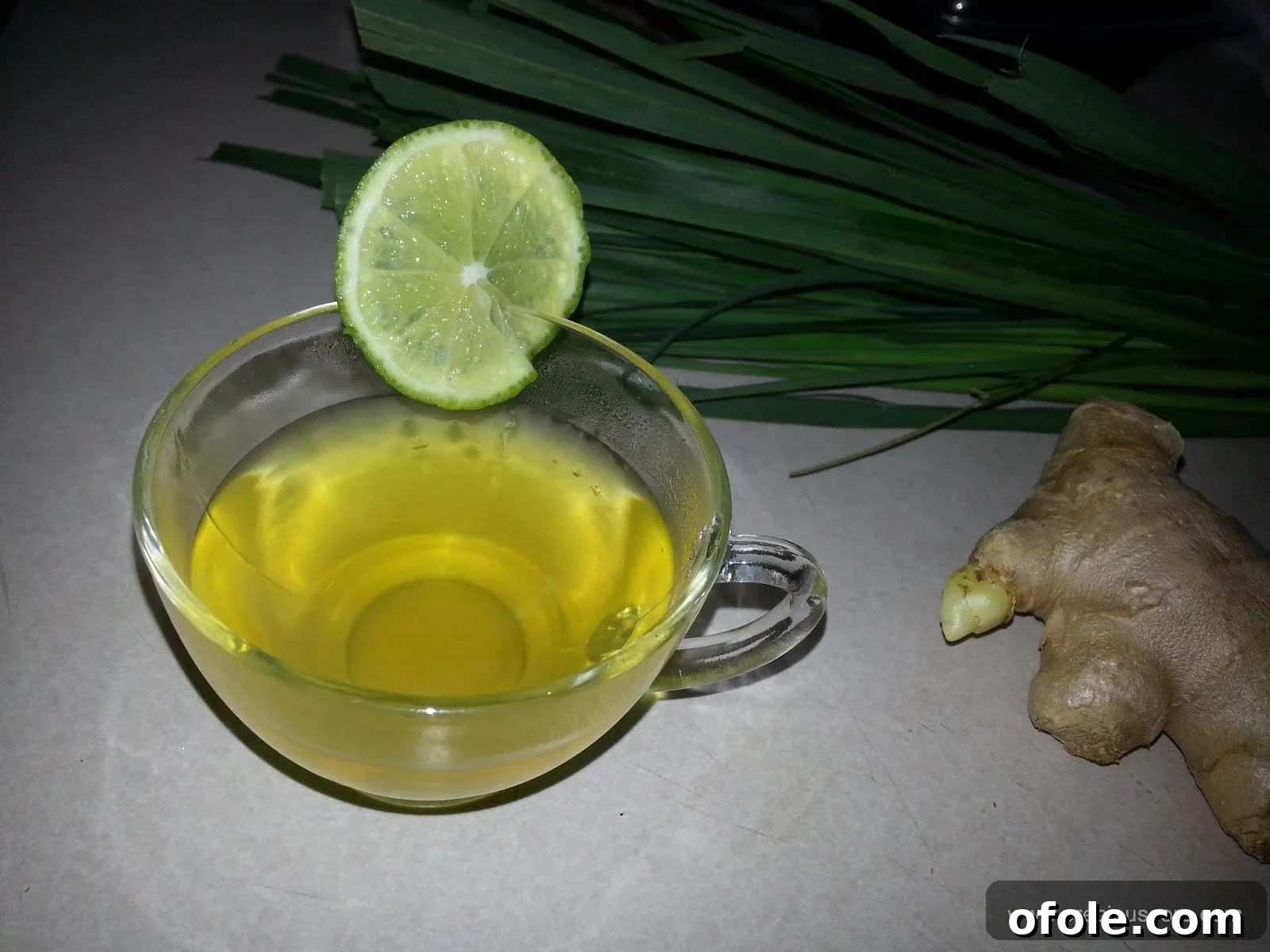
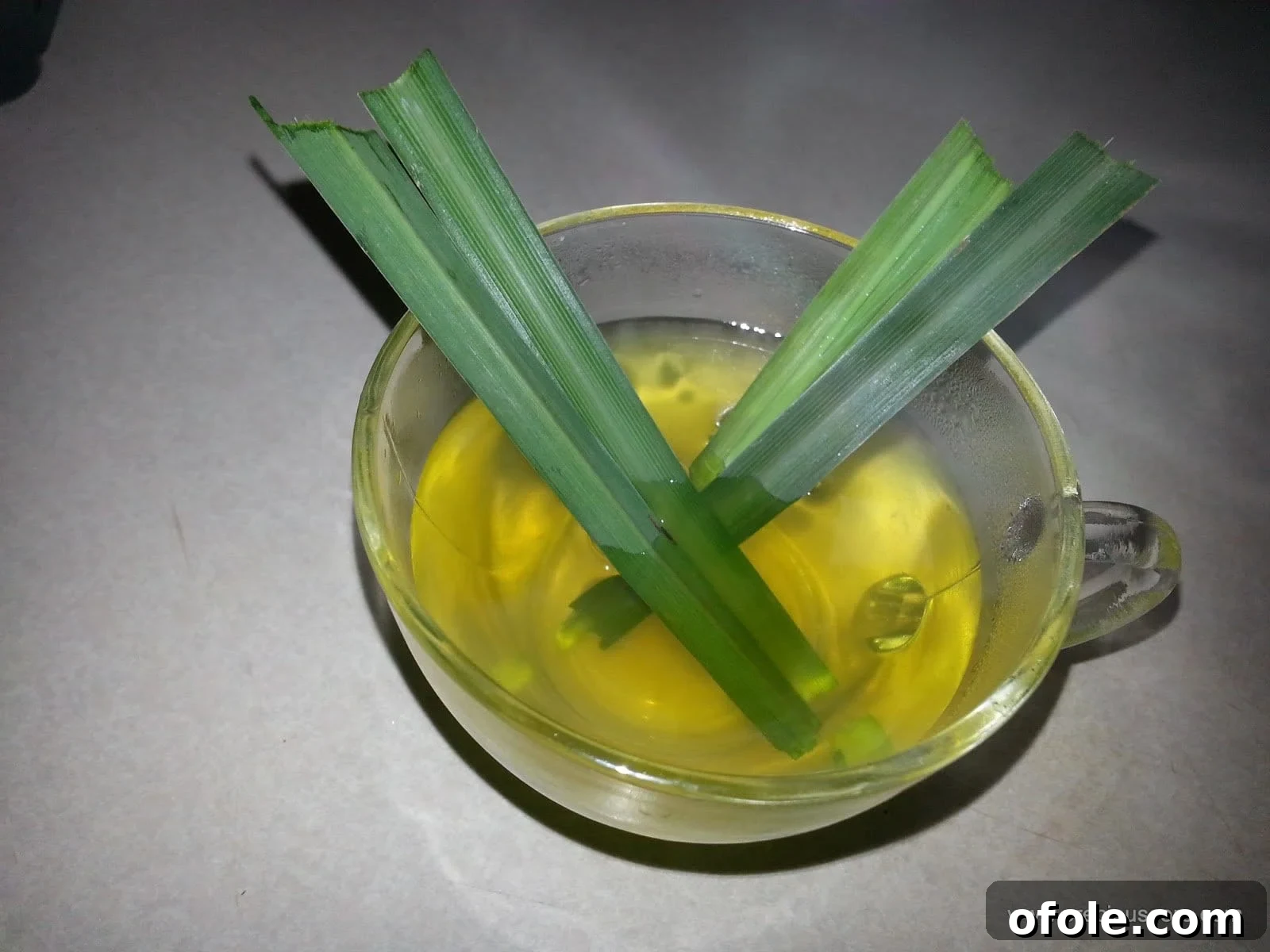
Discover the Refreshing World of Lemongrass Tea: A Journey from Childhood Elixir to Wellness Staple
Growing up, there was a particular natural tea that became a household staple, especially during times when luxuries like milk and Ovaltine were out of reach. In Cameroon, it was affectionately known as “Fever Grass,” a humble yet potent brew that filled our homes with its distinctive, comforting aroma. Today, my reasons for indulging in this wonderful beverage have evolved from necessity to pure adoration. I simply love its unique, vibrant flavor, a taste that instantly transports me back to simpler times. Beyond its nostalgic appeal, this incredible herb offers a treasure trove of benefits for the body, making it a truly exceptional addition to any daily routine. While it goes by “Fever Grass” in my homeland, most of the world recognizes this amazing plant as Lemongrass.
If you’re a fellow tea enthusiast, always on the lookout for new and exciting flavors to invigorate your senses, then you’re in for a treat with lemongrass tea. Its bright, citrusy notes are truly unparalleled. And while you’re exploring the world of natural drinks, don’t miss out on the invigorating kick of a Ginger Drink or the soothing warmth of a classic Honey Lemon Tea. Each offers its own unique charm and a host of natural benefits, much like our star today – Lemongrass.
What is Lemongrass (Fever Grass)? The Aromatic Marvel
Lemongrass, scientifically known as *Cymbopogon citratus*, is a tall, stalky plant with a fresh, lemony aroma and a subtle hint of ginger. It’s native to tropical and subtropical regions of Asia, Africa, and Australia, flourishing in warm climates. The plant gets its common name “Lemongrass” from its distinct citrusy fragrance, which is reminiscent of lemons, but with a more complex, earthy undertone. In many parts of the world, including Cameroon where I grew up, it’s widely known as “Fever Grass” due to its traditional use in alleviating fever and various other ailments. Its long, slender leaves and bulbous base are what we typically use, whether fresh or dried, to infuse drinks and culinary dishes with its captivating essence. This versatile herb is not just a flavour enhancer; it’s a powerhouse of beneficial compounds that have been cherished in traditional medicine for centuries.
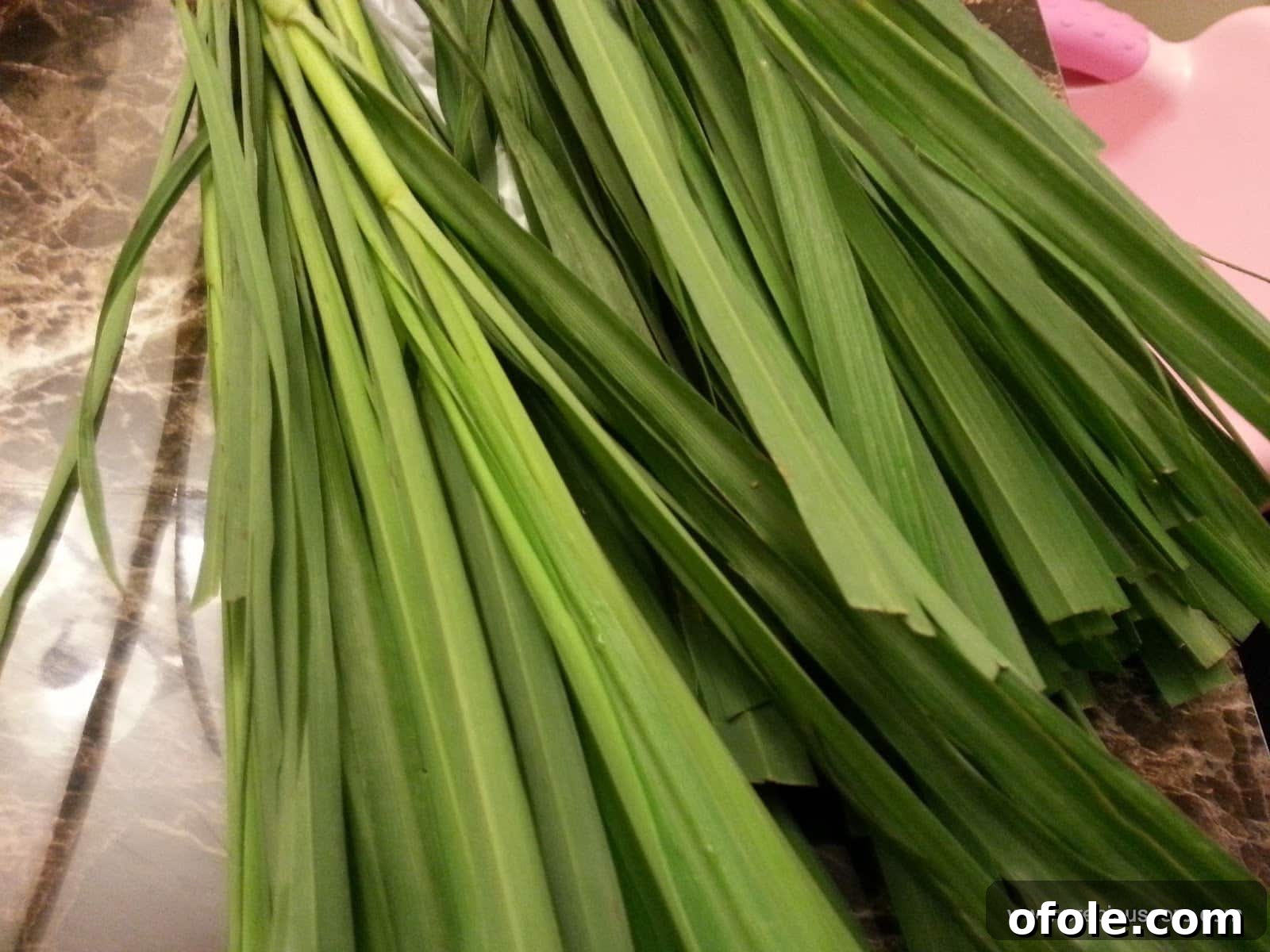 |
| Fresh Fever Grass (Lemongrass) |
The Abundant Health Benefits of Lemongrass Tea
Drinking this natural infusion offers a wide array of health advantages that go far beyond its delightful taste. It’s no wonder this tea has been revered in traditional medicine systems for generations. Let’s delve deeper into the remarkable benefits that make lemongrass tea a true wellness elixir.
Aids in Digestion and Gut Health
One of the most well-known benefits of lemongrass tea is its ability to support a healthy digestive system. The compounds in lemongrass have carminative properties, meaning they can help relieve gas, bloating, and stomach cramps. A warm cup of lemongrass tea after a meal can aid in soothing the digestive tract, promoting smoother digestion and reducing discomfort. It’s often used to treat indigestion, heartburn, and even mild cases of diarrhea, making it a fantastic natural remedy for common stomach upsets. Regular consumption can contribute to overall gut well-being.
Promotes Relaxation and Helps Insomnia
For those struggling with restlessness or difficulty sleeping, lemongrass tea can be a gentle, natural solution. Its calming properties are attributed to compounds that help relax muscles and nerves, promoting a sense of tranquility. A warm cup before bedtime can help ease tension, reduce anxiety, and prepare your body and mind for a restful night’s sleep. It’s a much-preferred alternative to chemical sleep aids for many, offering a peaceful transition into slumber.
Natural Detoxification and Diuretic Properties
Lemongrass is renowned for its natural diuretic properties, which means it encourages increased urination. This process is crucial for detoxification, as it helps flush out toxins, excess water, and waste products from the body through the kidneys. By stimulating the lymphatic system, lemongrass tea can help cleanse the liver and kidneys, promoting a healthier internal environment. This natural cleansing action contributes to overall vitality and can even give your skin a clearer, more radiant appearance.
Rich in Antioxidants
Like many beneficial herbs, lemongrass is packed with powerful antioxidants, including flavonoids and phenolic compounds. These antioxidants combat free radicals in the body, which are unstable molecules that can cause cellular damage and contribute to chronic diseases and aging. By neutralizing these harmful free radicals, lemongrass tea helps protect your cells, supports a robust immune system, and promotes long-term health.
Anti-inflammatory and Pain-Relieving Effects
The active compounds in lemongrass, such as citral, possess significant anti-inflammatory properties. This makes lemongrass tea a potential ally in reducing inflammation throughout the body, which is often at the root of many chronic conditions, including arthritis and muscle pain. Its analgesic (pain-relieving) effects can also help alleviate headaches, menstrual cramps, and general bodily aches, offering a soothing reprieve without relying on pharmaceutical interventions.
These incredible benefits highlight why lemongrass tea is not just a pleasant drink, but a powerful natural remedy that can significantly contribute to your well-being. I usually buy a generous supply of fresh lemongrass at the farmers’ market during the summer months. To preserve its freshness and ensure a year-round supply, I chop the stalks into manageable pieces, package them into sandwich bags, and freeze them. It’s always a sad day when I realize I only have one bag left in my freezer – a truly non-guilty pleasure that brings so much comfort and health!
How to Make the Perfect Cup of Lemongrass Tea
Making lemongrass tea is remarkably simple, which is part of its charm. You don’t need a complicated recipe or exotic ingredients; just fresh (or frozen) lemongrass and water. Here’s a straightforward guide to brewing your own delicious and beneficial cup.
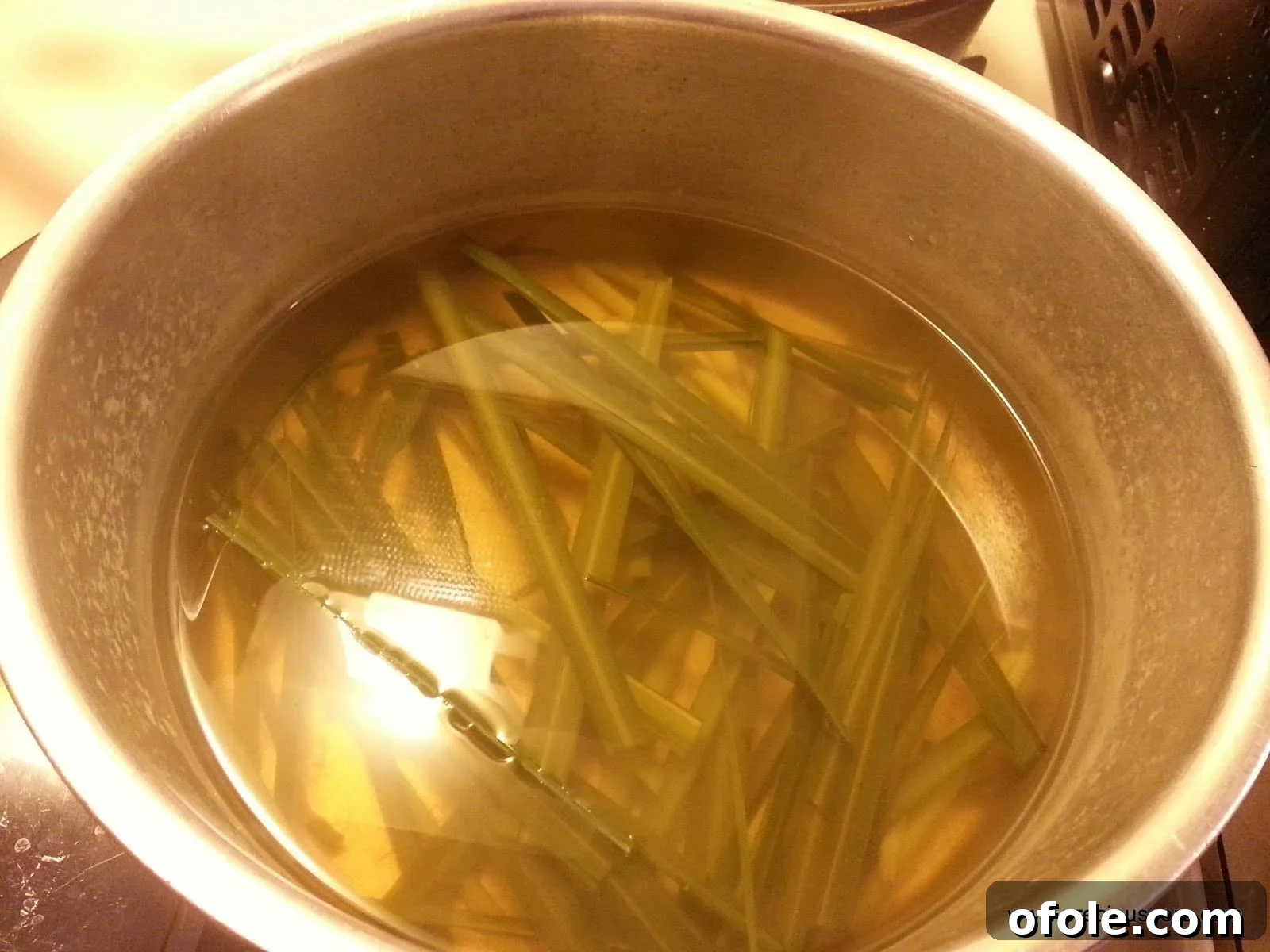
Preparation Steps:
- **Gather Your Lemongrass:** If using fresh stalks, thoroughly wash them. You can use the lower white part and a few inches of the green stalk. For frozen lemongrass, simply take out your pre-chopped pieces.
- **Chop or Bruise:** For maximum flavor extraction, chop the lemongrass stalks into 1-inch pieces. Alternatively, you can lightly bruise the stalks with the back of a knife or a pestle to release their aromatic oils.
- **Boil (Traditional Method):** Place the chopped or bruised lemongrass into a pot or kettle. Add water (about 1 cup per stalk of lemongrass, depending on desired strength). Bring the water to a boil, then reduce heat and let it simmer for 5-10 minutes. The longer it simmers, the stronger the flavor and benefits will be.
- **Infuse (Gentle Method):** For a milder brew, bring water to a rolling boil separately. Once boiled, remove from heat and add the chopped/bruised lemongrass. Cover the pot and let it steep for 10-15 minutes, allowing the flavors to infuse gently without intense boiling.
- **Strain and Serve:** Pour the tea through a fine-mesh sieve or strainer into your cup, removing all the lemongrass pieces.
Sweetening and Enhancements:
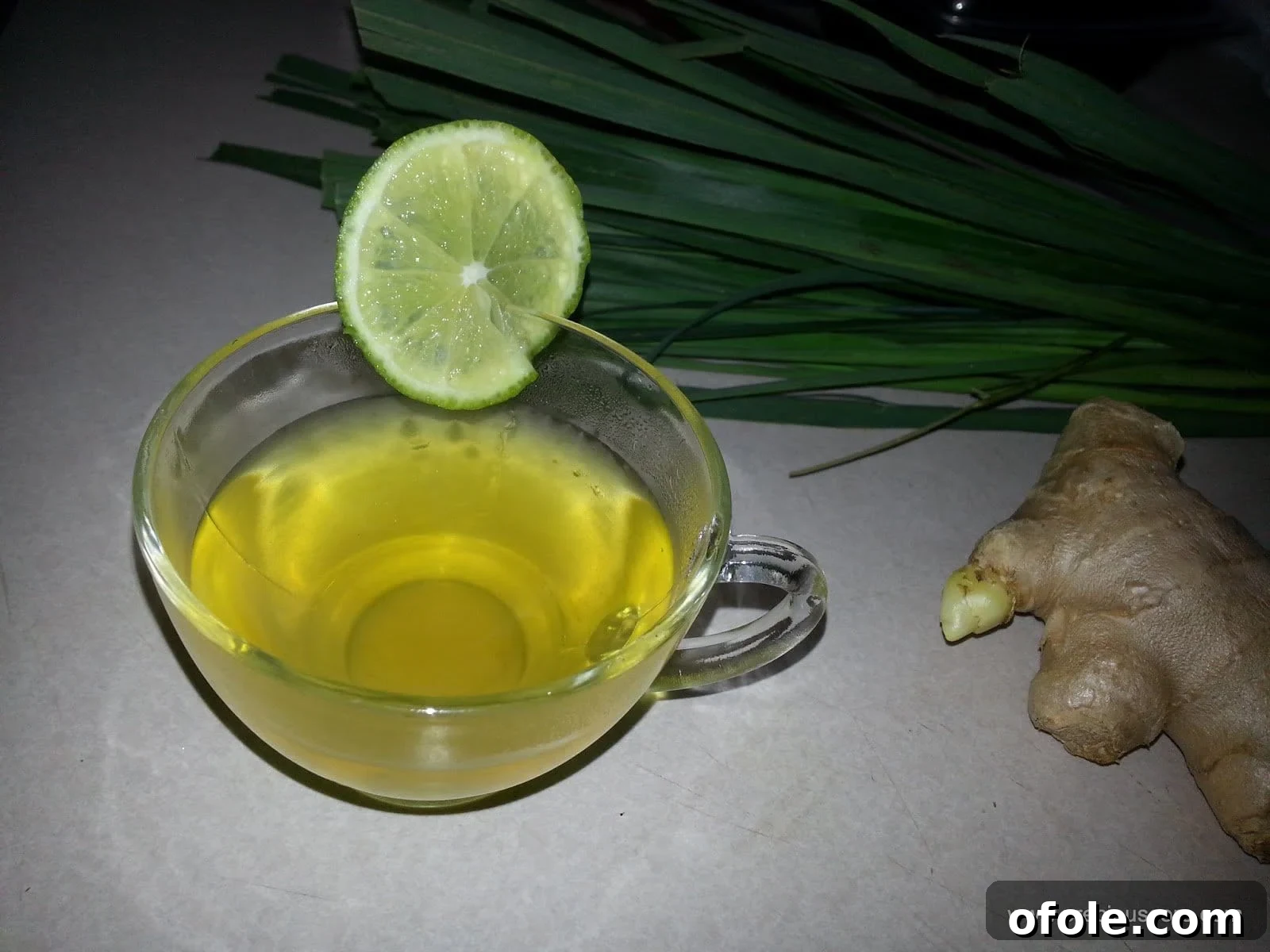
You can enjoy your lemongrass tea plain, as I often prefer mine, to truly savor its pure, unadulterated flavor. However, if you prefer a touch of sweetness, feel free to add a spoonful of sugar, honey, or a natural sweetener like stevia while the tea is still warm. For an extra layer of flavor and added health benefits, consider incorporating other natural ingredients. Fresh ginger, thinly sliced or grated, adds a wonderful warming spice. A squeeze of fresh lemon juice or a few slices of lemon can brighten the tea even further, enhancing its citrus notes. Mint leaves can provide a refreshing twist, especially when serving iced.
Beyond the Cup: Culinary Uses of Lemongrass
While I’m incredibly fond of enjoying lemongrass in its simplest form as a tea, this versatile herb’s culinary applications extend far beyond a comforting brew. In many global cuisines, especially Thai, Vietnamese, and other Southeast Asian dishes, lemongrass is a star ingredient, prized for its ability to infuse a vibrant, aromatic depth. Some people masterfully use it to enhance the flavor profile of various savory dishes, from light and zesty soups to rich and complex stews.
It’s frequently incorporated into marinades for chicken, fish, and beef, imparting a tenderizing effect and an irresistible citrusy fragrance. You’ll find it finely minced in curries, stirred into stir-fries, and even used to flavor rice dishes. The lower, more tender part of the stalk can be sliced thinly and added directly to salads or used as a garnish. For those with a sweet tooth, lemongrass can also be infused into desserts like custards, sorbets, and syrups, offering an unexpected and delightful twist. I am yet to fully explore this exciting side of this lovely plant, but the possibilities are truly inspiring. For now, I’m happy sticking to my beloved tea, but the culinary world of lemongrass awaits!
Cultivating Your Own Lemongrass: A Sustainable Choice
For those with a green thumb, or even aspiring gardeners, growing your own lemongrass is surprisingly easy and incredibly rewarding. Lemongrass thrives in warm, sunny conditions and can be grown from stalks purchased at a grocery store or farmers’ market. Simply place the base of a stalk in a glass of water, change the water every few days, and within a few weeks, roots will sprout. Once roots are established, you can plant it directly into a pot or your garden bed. This sustainable approach ensures you have a constant supply of fresh “Fever Grass” for your tea and culinary experiments, all while adding a beautiful, aromatic plant to your home or garden.
A Word of Caution
While lemongrass tea is generally considered safe for most people, it’s always wise to consult with a healthcare professional if you are pregnant, breastfeeding, or on any medication, especially for conditions like low blood pressure or kidney disease. Enjoy this wonderful natural remedy responsibly.
Embrace the Goodness of Lemongrass Tea
From a cherished childhood memory to a beloved daily ritual, lemongrass tea has truly stood the test of time in my life, evolving into a non-guilty pleasure packed with goodness. Its simple preparation, coupled with its refreshing flavor and remarkable health benefits – from aiding digestion and promoting restful sleep to boosting detoxification and fighting inflammation – make it an invaluable addition to any wellness journey. Whether you call it Fever Grass or Lemongrass, this aromatic herb offers a holistic embrace of nature’s bounty. So, brew a cup, savor its unique taste, and let this ancient elixir revitalize your body and soul.