
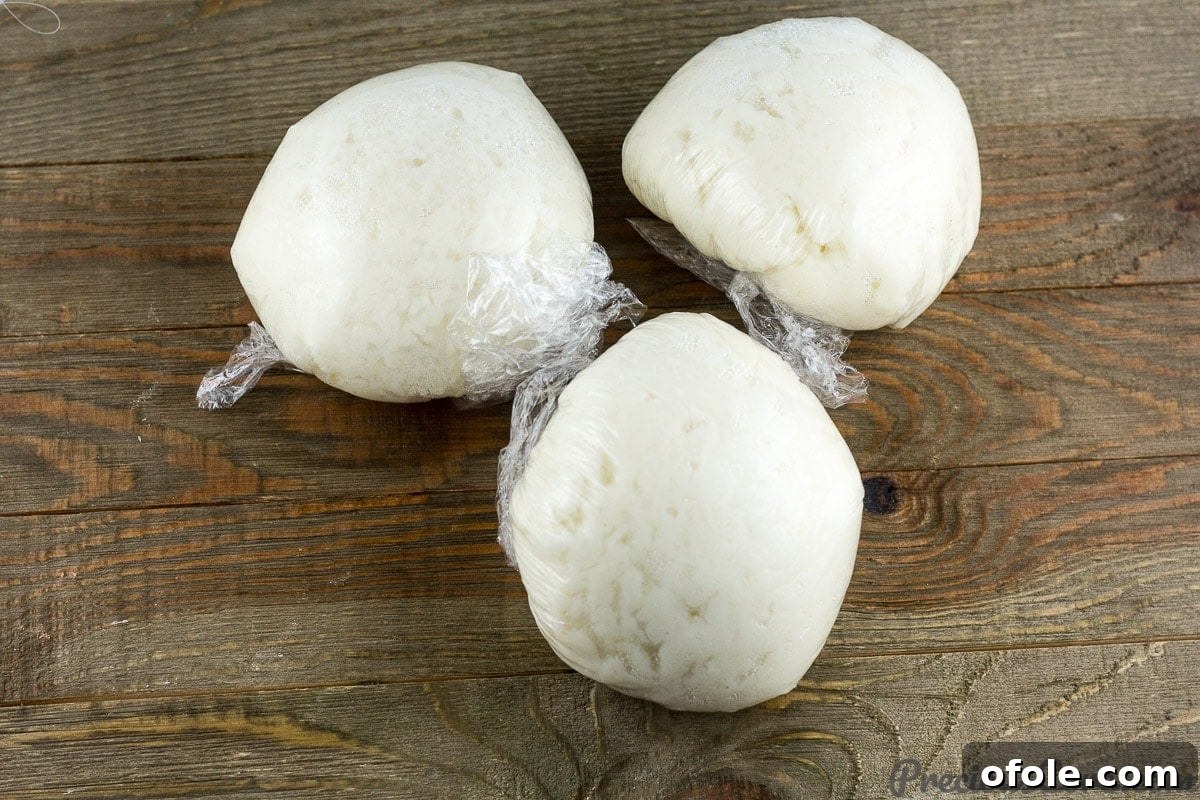
The Ultimate Guide to Making Authentic Fufu Corn (Cameroonian Style)
Fufu, a cornerstone of West African cuisine, is a versatile and deeply satisfying starchy side dish that complements a wide array of vibrant soups and stews. While its origins are shared across many nations, the specific ingredients and preparation methods vary significantly. From the hearty cassava fufu to the unique green plantain fufu or the familiar corn fufu, each iteration offers a distinct culinary experience. Today, we’re diving deep into the art of making the beloved Fufu Corn, sometimes simply called Corn Fufu, a staple particularly cherished in Cameroon.
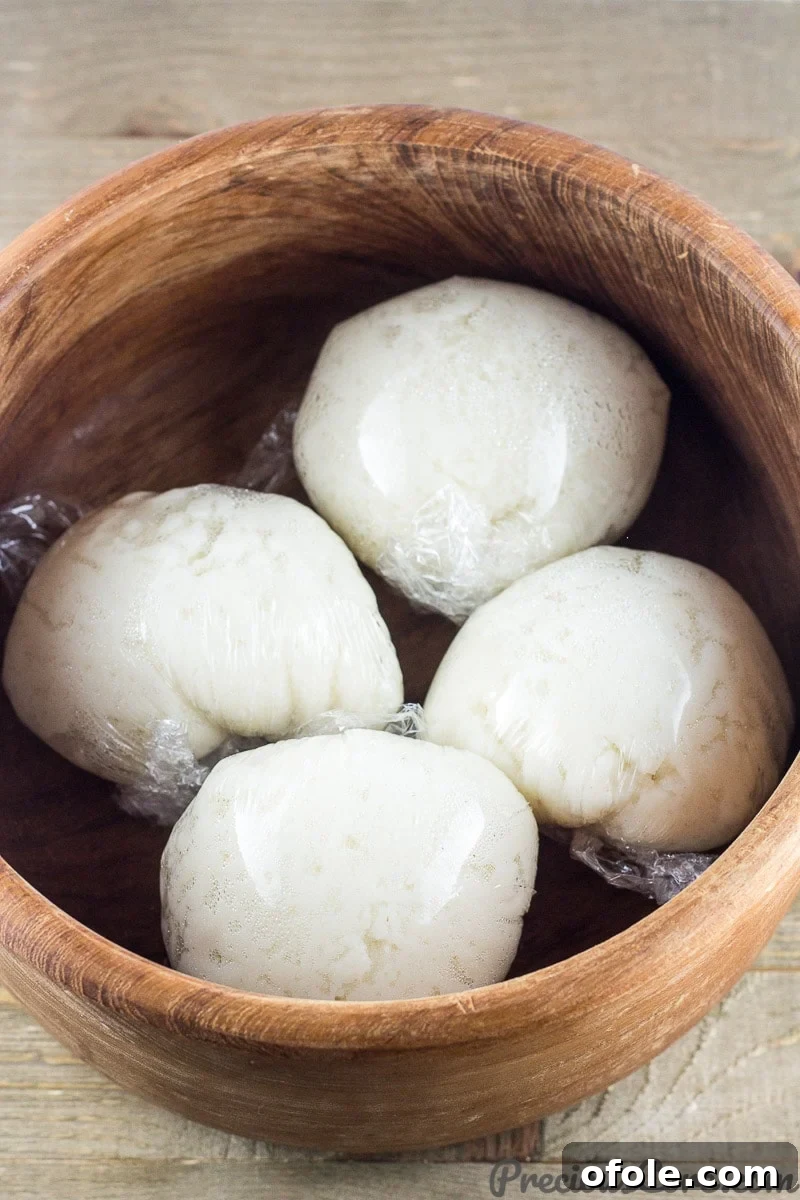
Embark on a culinary adventure that brings the flavors of West Africa right into your kitchen! As we embrace a journey of delicious and wholesome eating, there’s no better way to celebrate the rich heritage of African cuisine than by mastering the preparation of fufu. This particular recipe focuses on fufu corn, a dish that has been widely requested and holds a special place in many hearts. Get ready to learn “how to turn fufu” – a phrase that truly captures the hands-on and traditional method of creating this iconic food.
Understanding Fufu: A West African Staple
For those new to the world of West African cuisine, fufu is a popular, dough-like starchy accompaniment, traditionally eaten with various rich and flavorful soups or vegetable dishes, such as the popular African okra soup. It’s not a standalone meal but rather a crucial component that absorbs the flavors of the accompanying stew, making each bite a delightful experience. The texture is key: a soft, pliable dough that is perfect for scooping up delicious sauces.
The beauty of fufu lies in its diversity. It can be prepared from a variety of starchy root vegetables and grains, depending on the region and local preferences. Common bases include:
- Cassava (Yucca Root): One of the most widespread choices, leading to popular variations like water fufu.
- Yams: Another popular root vegetable used to create a lighter-colored fufu.
- Cocoyams: A lesser-known but equally delicious root used in certain areas.
- Plantains: Often green plantains are used, sometimes mixed with cassava.
- Corn: The star of our recipe today, providing a distinct flavor and texture profile.
Each type of fufu offers a slightly different taste and consistency, contributing to the rich tapestry of West African gastronomy. While the name “fufu” is commonly used, other regional names exist, such as “ugali” in Uganda, “akpu” in Nigeria, and “etu” in Ghana, each with its unique preparation nuances.
The Distinctive Appeal of Corn Fufu
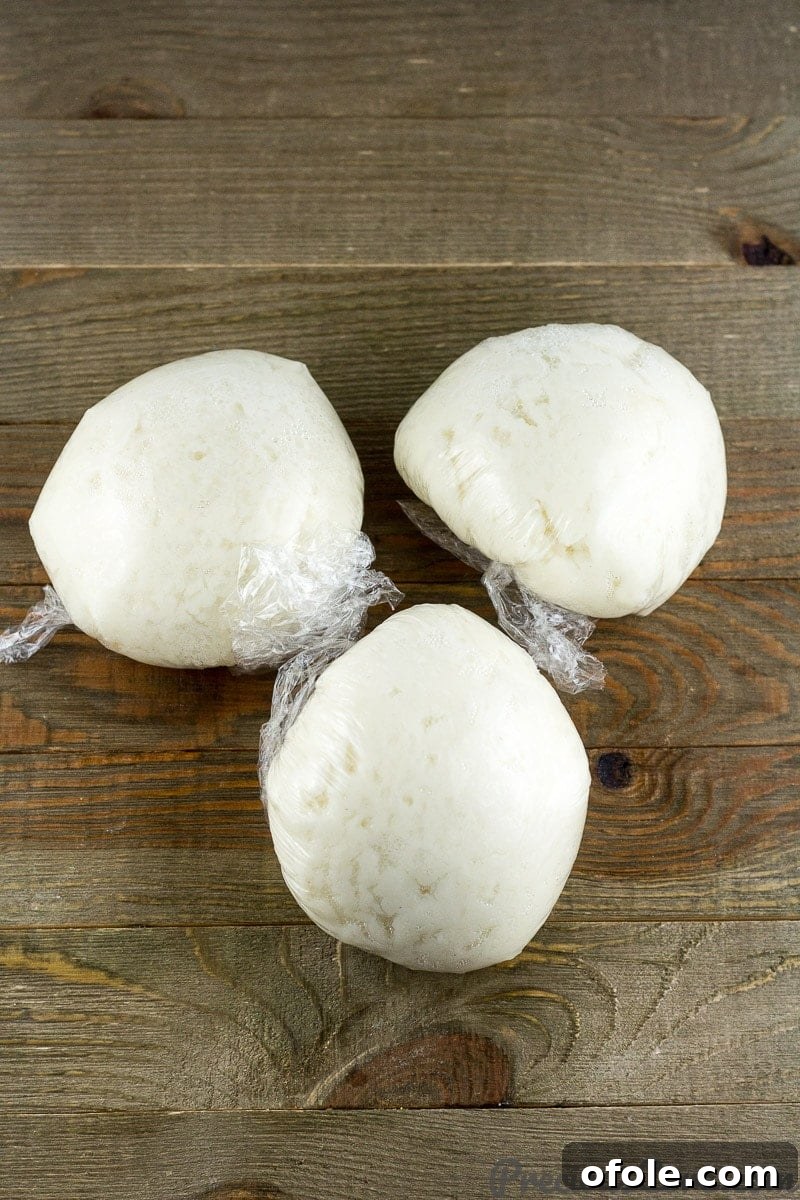
Corn Fufu, or Fufu Corn, stands out with its unique characteristics. It shares a superficial resemblance with polenta, a staple in Western cuisine, in that both are made from corn. However, the similarities end there. Polenta is typically seasoned with salt, herbs, or cheese and often served as a creamy porridge or baked until firm. Corn fufu, on the other hand, is made plain, without any added seasonings, allowing its subtle corn flavor to shine through and serve as a neutral base for the flavorful soups it accompanies.
The texture of corn fufu is also noteworthy. When served hot, it boasts a soft, fluffy, and somewhat pliable consistency. As it cools, it undergoes a transformation, hardening into a denser, cake-like form. This unique texture makes it enjoyable both warm and at room temperature, although most prefer it warm with a steaming bowl of soup.
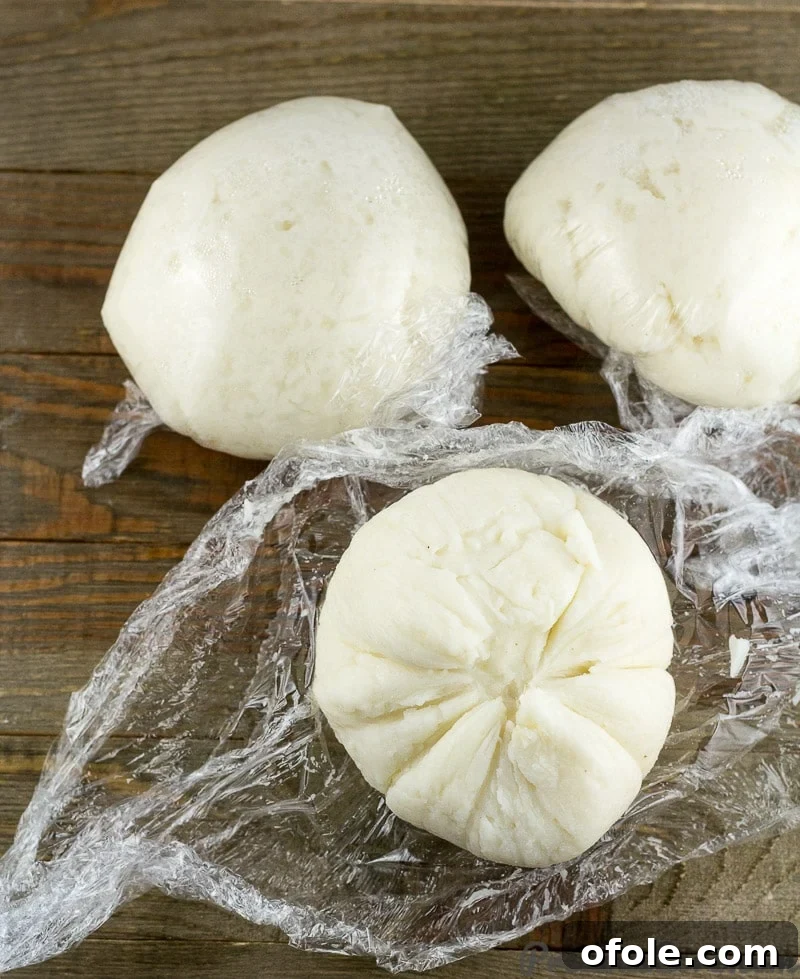
Across Africa, the preparation of corn fufu varies greatly. Our recipe focuses on the traditional Cameroonian method, passed down through generations. For instance, my Ugandan friend’s version, known as “Ugali,” involves a completely different cooking process, showcasing the incredible regional diversity of this beloved dish. In some Cameroonian villages, Fufu Corn is more than just a meal; it’s a daily staple, eaten almost every day with a variety of local soups or vegetables, deeply woven into the fabric of community life and culinary tradition.
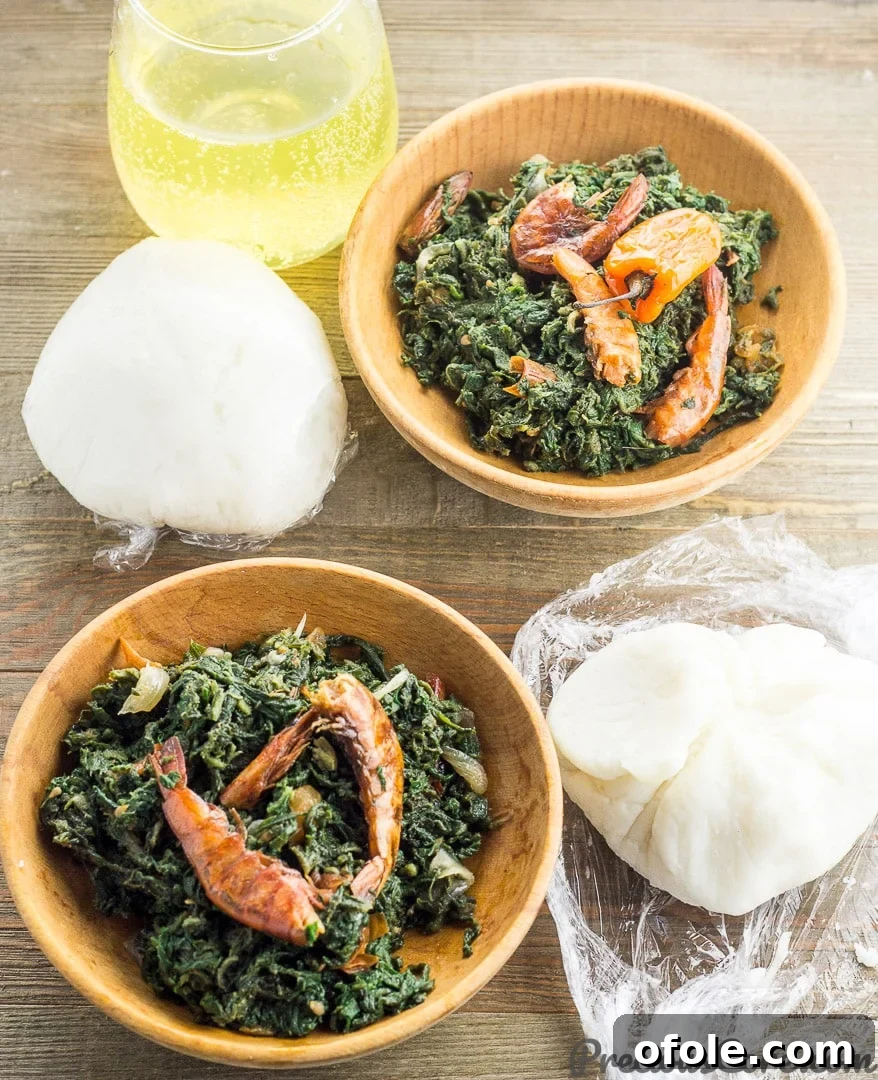
I personally adore fufu corn, and it’s a dish my children particularly enjoy, especially when served with a comforting bowl of simple okra soup. Beyond its delicious taste, it’s worth noting that corn fufu is a whole grain, offering beneficial dietary fiber and nutrients. However, like many starchy foods, portion control is always recommended to enjoy it as part of a balanced diet.
Ready to master the art of making fufu corn? Let’s dive into the detailed recipe!
The Art of “Turning Fufu”: A Step-by-Step Guide
Making fufu corn, often referred to as “turning fufu,” is a process that requires attention and a bit of arm work, but the results are incredibly rewarding. It’s about achieving that perfect smooth, lump-free consistency that is characteristic of well-made fufu.
Watch How to Make Fufu Corn
Visual guidance can be incredibly helpful when learning to make traditional dishes. Before we get to the written steps, I highly recommend watching this video to see the process in action, especially the technique for stirring and wrapping the fufu:
This video will provide valuable insights into the consistency at each stage and the traditional methods of preparation.
If you enjoy this recipe and want to see more authentic West African dishes, please consider subscribing to my YouTube channel!
If you make this recipe, please take a moment to leave a star rating below. Your feedback helps other home cooks discover and enjoy this recipe, and I love hearing about your culinary experiences! Thank you!
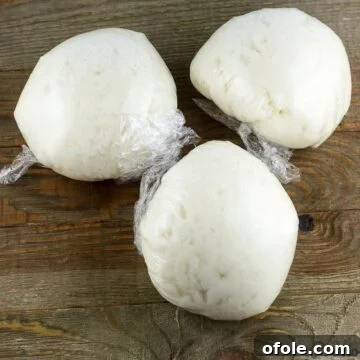
How to Make Fufu – Fufu Corn
10 mins
20 mins
30 mins
8 servings
Rate
Print Recipe
Ingredients
- 4 cups corn flour (approximately 500g or half kg)
- 8 cups water (approximately 2 liters)
Equipment You’ll Need:
- Large heavy-bottomed pot
- Wooden spoon (preferably a long, sturdy one for mixing)
- Mixing bowl
- Measuring cups and spoons
- Heat-safe container for reserved hot water
- Plastic wrap or banana leaves for wrapping (optional)
- Small deep bowl for shaping fufu (optional)
Instructions
-
Place 6.5 cups of water in a large pot and bring it to a rolling boil over high heat.
-
While the water is heating, prepare your corn flour mixture. In a separate mixing bowl, combine 1 cup of the corn flour with 1 cup of cold water. Stir thoroughly to form a smooth, lump-free paste. Then, add another half cup of water to this paste and mix well until it achieves a loose, creamy consistency, similar to liquid whole milk. This step is crucial for preventing lumps later.
-
Once the water in the pot boils vigorously, carefully remove and set aside 5 cups of this hot water into a heat-safe container. Reduce the heat under the pot to medium-low. While continuously stirring the remaining water in the pot with a sturdy wooden spoon, gradually pour in the corn flour mixture you prepared earlier. Keep stirring vigorously to ensure no lumps form. As you stir, the mixture will begin to thicken rapidly, forming a smooth, porridge-like base. This base will help us easily incorporate the remaining dry flour.
-
Now, add half of the remaining dry corn flour to the thickening mixture in the pot. Mix vigorously, using a circular motion and pressing against the sides of the pot, to fully incorporate the flour. The mixture will become significantly harder and denser. Once the first half is well incorporated, add the second half of the dry corn flour and continue to mix with considerable effort until it is completely smooth and uniform. This “turning” process is a workout but essential for the right fufu texture!
-
After all the flour is thoroughly mixed in and the fufu is dense, add half of the reserved hot water from step 3 to the pot. Cover the pot and let it cook on medium heat for 5 minutes. This steaming process helps soften the fufu. After 5 minutes, uncover and vigorously mix the fufu with the added water in circular motions until it is smooth and well combined again. Add the remaining hot water, cover the pot, and let it cook for another 5 minutes. Finally, uncover, mix the fufu thoroughly once more with the hot water until perfectly incorporated, then let it cook for about 3 final minutes. Your delicious corn fufu is now ready!
Wrapping the Corn Fufu
-
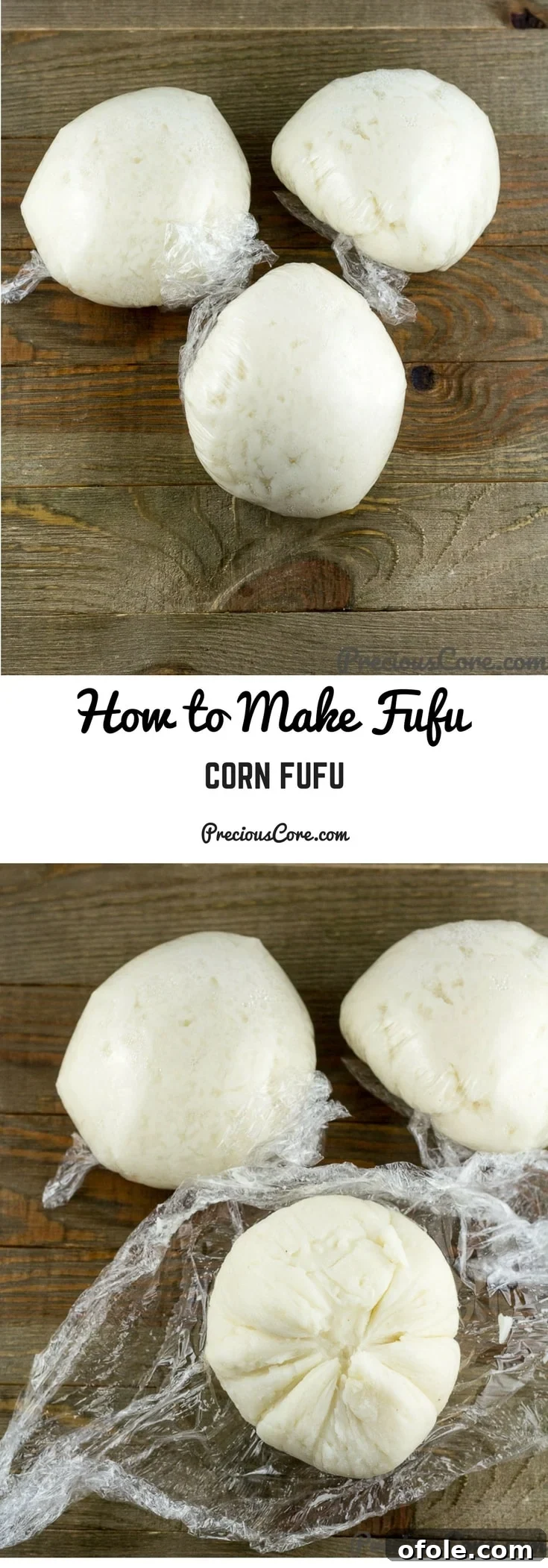
To traditionally wrap individual portions of corn fufu, cut a piece of plastic wrap roughly the length from your wrist to your elbow. Place this plastic wrap over a small, deep bowl. Scoop about a generous spoon of the hot corn fufu onto the center of the wrap. Carefully gather all the edges of the plastic wrap upwards to enclose the fufu, then twist the top to seal and shape it into a neat ball or dome. For a visual demonstration, please refer to the cooking video provided earlier in this article.
-
Alternatively, for a more traditional and eco-friendly approach, you can wrap your corn fufu in warm, softened banana leaves. If you prefer a simpler presentation, simply place the entire batch of fufu in a nice serving bowl and serve it directly from there, allowing guests to scoop their desired portions.
Tips for Success When Making Fufu Corn:
- Preventing Lumps: The most crucial step is making a smooth slurry with a portion of the corn flour before adding it to the boiling water. Continuous and vigorous stirring from the moment the slurry enters the pot is essential to prevent lumps.
- Sturdy Wooden Spoon: A strong, long-handled wooden spoon is your best friend here. The fufu becomes very dense and requires significant strength to mix properly.
- Heat Management: Start with boiling water, but reduce heat to medium-low when incorporating the flour. The steaming phases help cook the flour thoroughly without burning it.
- The “Turning” Technique: This refers to the vigorous stirring, pressing, and folding of the fufu against the sides of the pot. It helps achieve a consistent, smooth, and lump-free texture. Don’t be shy with your arm strength!
- Adjusting Consistency: If your fufu feels too stiff after the initial flour incorporation, you can add a tiny bit more hot water during the steaming phases. If it’s too soft, let it cook uncovered for another minute or two, continuing to stir, to allow excess moisture to evaporate.
Serving Suggestions: The Perfect Pairings for Fufu Corn
Corn fufu is designed to be eaten with a wide variety of flavorful West African soups and stews. Its neutral taste and pliable texture make it an excellent vehicle for absorbing rich sauces. Here are some popular pairings:
- Okra Soup (Okra Stew): A classic choice, often prepared with various meats or fish, offering a slightly mucilaginous texture that pairs beautifully with fufu. (Try this simple okra soup recipe!)
- Egusi Soup: A rich and hearty soup made from melon seeds, often with leafy greens, meat, and fish.
- Peanut Soup (Groundnut Soup): Creamy and savory, this soup is a favorite across West Africa, boasting a nutty flavor profile.
- Pumpkin Leaf Stew (Ndole-inspired): As pictured earlier, this nutritious stew offers a wonderful balance of flavors and textures.
- Efo Riro: A vibrant Yoruba spinach stew from Nigeria, packed with greens and protein.
- Light Soup (Abenkwan): A Ghanaian favorite, typically made with tomatoes, onions, and various meats or fish, known for its light yet flavorful broth.
Traditionally, fufu is eaten with your right hand. You pinch off a small piece, indent it with your thumb to form a spoon-like shape, and then use it to scoop up the soup or stew. It’s an immersive and communal dining experience!
Notes
2. For the best results and to fully grasp the unique techniques involved in “turning” and shaping corn fufu, I strongly recommend watching the accompanying video tutorial. It provides invaluable visual guidance.
Nutrition
Calories: 212kcal
|
Carbohydrates: 44g
|
Protein: 5g
|
Fat: 2g
|
Saturated Fat: 0.3g
|
Polyunsaturated Fat: 1g
|
Monounsaturated Fat: 1g
|
Sodium: 15mg
|
Potassium: 153mg
|
Fiber: 4g
|
Sugar: 1g
|
Vitamin A: 3IU
|
Calcium: 86mg
|
Iron: 1mg
Additional Information
Nutritional Value and Health Considerations
As highlighted in the nutrition facts, corn fufu is primarily a source of carbohydrates, providing essential energy. With 212 calories per serving, it’s a substantial food that fuels the body. Being a whole grain, corn flour offers dietary fiber (4g per serving), which is beneficial for digestive health and can help maintain stable blood sugar levels. It also contains modest amounts of protein (5g) and healthy fats (2g), along with minerals like potassium (153mg), calcium (86mg), and iron (1mg).
However, due to its high carbohydrate and caloric content, practicing portion control is key, especially for those managing weight or blood sugar. Integrating corn fufu into a balanced meal alongside plenty of vegetables and lean protein sources ensures a wholesome and nutritious diet.
Frequently Asked Questions About Fufu Corn
- What is the main difference between Fufu Corn and Polenta?
- While both are corn-based, Fufu Corn is traditionally unseasoned and has a distinct smooth, dough-like texture that becomes firmer as it cools. Polenta is typically seasoned, can be creamy or firm, and often includes butter or cheese, used in different culinary contexts as a side dish or base for other ingredients.
- Can I use regular cornmeal instead of corn flour for fufu?
- For the best authentic texture, finely milled corn flour (often labeled as “corn starch” or very fine cornmeal in some regions, but be careful not to confuse it with cornstarch thickener) is preferred. Regular cornmeal can be used but might result in a coarser texture. If true corn flour is unavailable, semolina is a good substitute as mentioned in the notes.
- How do I store leftover Fufu Corn?
- Leftover fufu corn can be wrapped tightly in plastic wrap or stored in an airtight container in the refrigerator for up to 2-3 days. When reheating, you can steam it or gently microwave it with a splash of water until it softens again. Note that its texture might become a bit denser upon reheating.
- Is Fufu Corn healthy?
- As a whole grain, fufu corn provides good carbohydrates, fiber, and some minerals, making it a healthy energy source. Its nutritional value is further enhanced when paired with nutrient-dense, vegetable-rich soups and stews. As with any starchy food, mindful portion sizes are recommended.
- What does “turning fufu” mean?
- “Turning fufu” refers to the traditional method of vigorously stirring and mixing the fufu in a pot with a wooden spoon. This physical action is essential to break down lumps, ensure even cooking, and achieve the desired smooth, pliable, and consistent dough-like texture.
Embrace the Taste of Tradition
Making fufu corn is more than just cooking; it’s an engagement with a rich culinary tradition that brings people together. This recipe offers you a window into the heart of West African home cooking, particularly the cherished flavors of Cameroon. We hope this comprehensive guide empowers you to confidently prepare this wonderful dish and share it with your loved ones. The journey of “turning fufu” is a rewarding one, leading to a delicious and culturally significant meal.
Don’t forget to give this recipe a try and share your experience with us! Your feedback is invaluable.
Pin this recipe for future reference and share it with friends!
Tried this recipe?
Mention @preciouscore or tag #PreciousCore!