
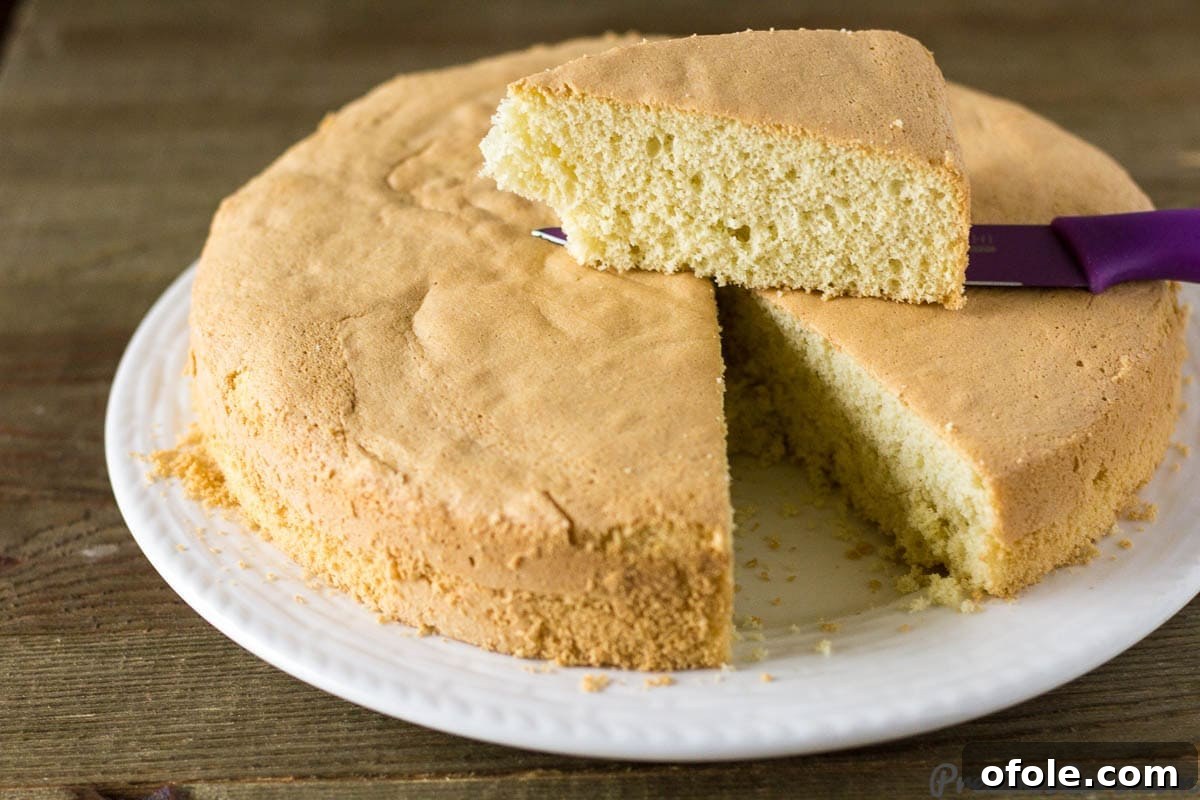
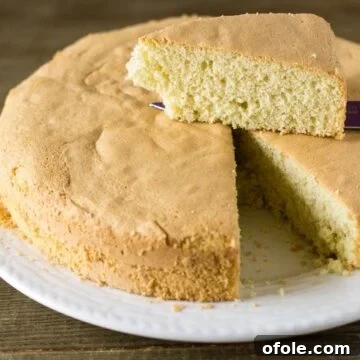
Classic Vanilla Sponge Cake – a delightful masterpiece renowned for its incredibly light, airy, and fluffy texture, infused with a rich, authentic vanilla flavor. This particular rendition stands out as it’s crafted without any butter or oil, making it a lighter alternative while still delivering an exceptional taste. With just a few simple ingredients, you can easily create this delectable cake, perfect for any occasion and sure to impress with its delicate crumb and irresistible aroma.
My culinary journey with sponge cakes began many years ago, during a memorable Nutrition Class in secondary school. It was there I first encountered the fascinating concept of baking a cake without traditional fats like butter or oil. The idea alone was intriguing, challenging my preconceived notions of what makes a cake truly delicious. That experience left a lasting impression, not just for the simplicity of the ingredients, but for the astonishingly light and ethereal result – a cake that felt like a cloud, bursting with pure vanilla essence.
As the year gracefully draws to a close, and the air fills with anticipation for festive gatherings, my thoughts often drift to the joy of baking for loved ones. The holiday season, with Thanksgiving, Christmas, birthdays, and numerous other celebrations, is incomplete without the warmth and comfort of a homemade cake. It’s in this spirit that I embarked on a mission to recreate that unforgettable vanilla sponge cake from my school days. After extensive research, careful experimentation, and a nostalgic dive into old memories, I’ve finally perfected an easy-to-follow recipe. This recipe not only honors that original, butter-free sponge but elevates it to a truly exceptional homemade vanilla cake. Stay tuned, as a couple more exciting cake recipes will soon be gracing the blog to sweeten your festive tables!
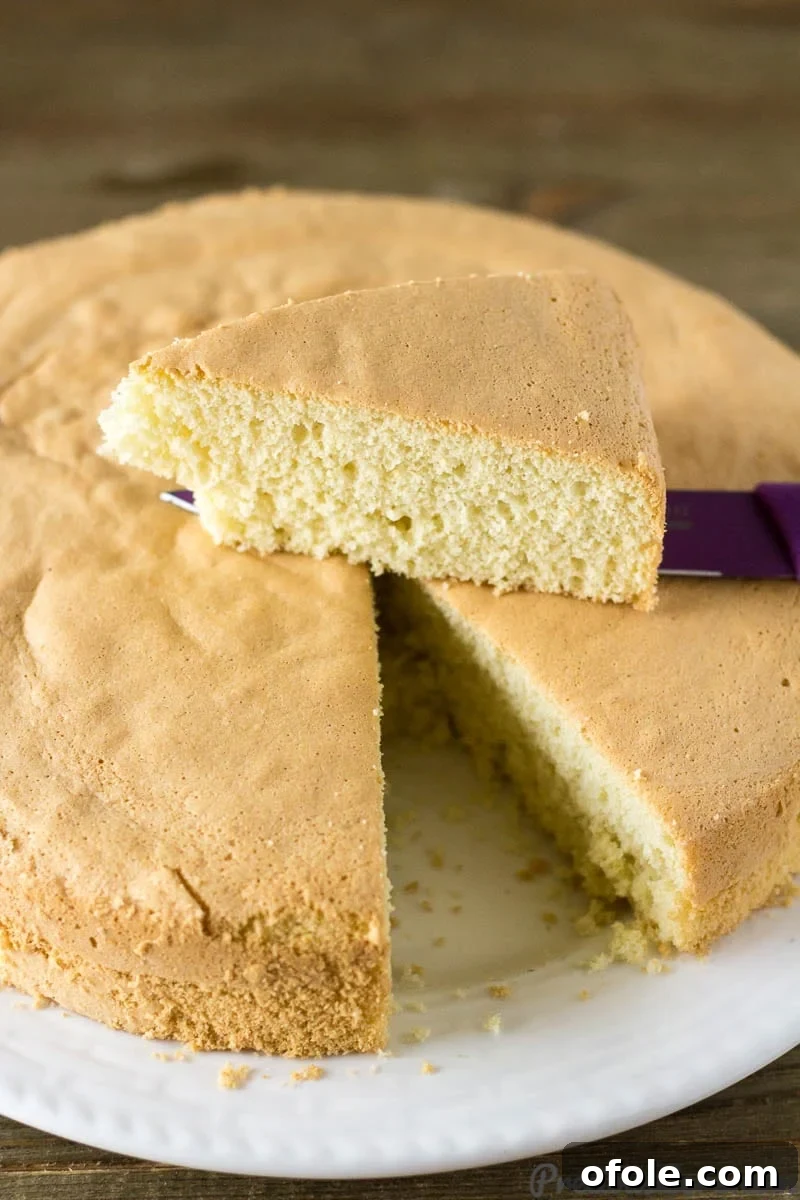
This Classic Vanilla Sponge Cake truly captures the essence of the one I remember and cherished from my youth. It’s light, subtly sweet, and permeated with that amazing vanilla flavor. I am confident that you will adore this recipe as much as I do, making it a staple in your baking repertoire for years to come!
The Enchanting World of Vanilla Sponge Cake: What Makes It Unique?
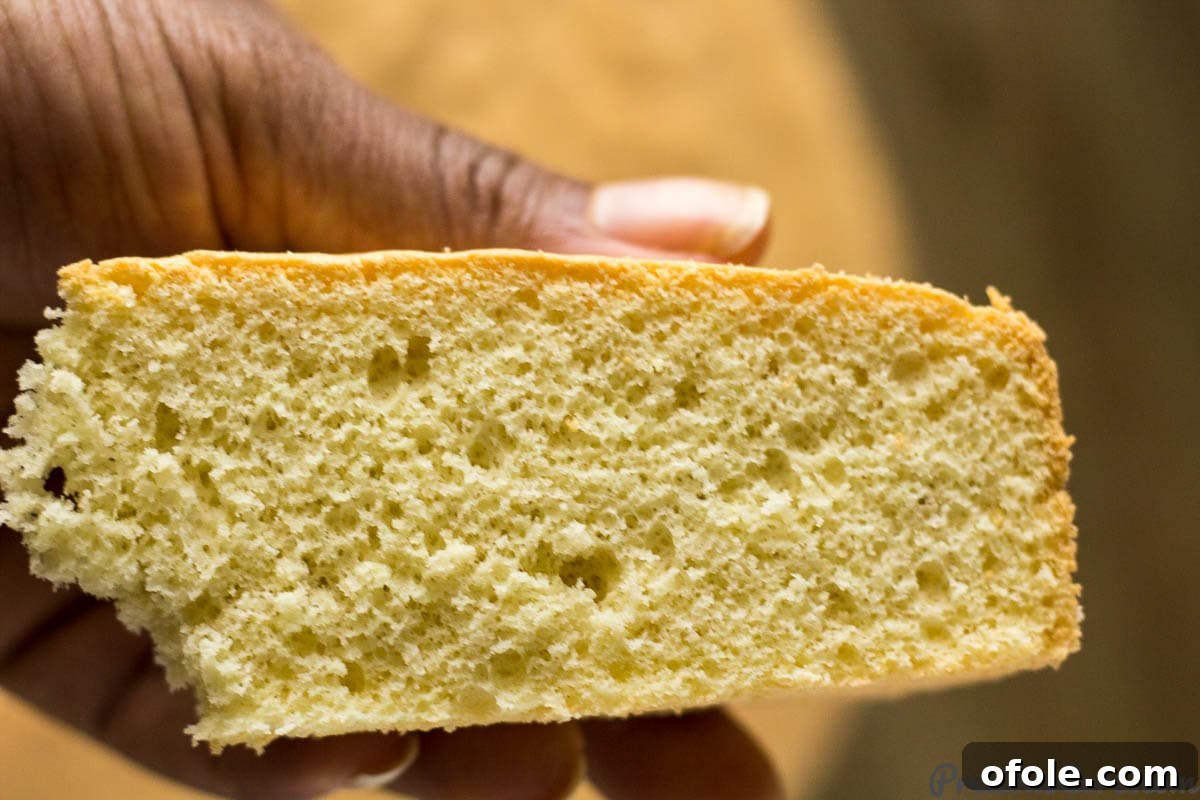
A Vanilla Sponge Cake is distinguished by its name – a cake that boasts a wonderfully spongy, springy texture. This signature lightness is primarily derived from the carefully whipped egg whites, which are meticulously folded into the batter, infusing it with countless tiny air pockets. This aeration process is what sets a sponge cake apart from denser butter cakes, creating a delicate, open crumb structure that truly melts in your mouth.
Beyond its unique texture, the vanilla sponge cake is celebrated for its incredible versatility. It’s a sublime treat on its own, perhaps dusted with a fine layer of powdered sugar or accompanied by a handful of fresh berries. Its subtle sweetness and refined flavor make it an ideal choice for a sophisticated tea-time treat, much like its esteemed counterpart, the Victoria Sponge Cake. However, its simple elegance also makes it a perfect foundation for more elaborate desserts, readily accepting frostings, fruit fillings, and decorative touches to create a show-stopping centerpiece for any celebration.
A key aspect of this specific recipe is its preparation without the addition of butter or oil directly into the batter. This method not only results in a lighter cake but also allows the natural flavors of vanilla and egg to truly shine through, offering a clean and pure taste experience that is both refreshing and deeply satisfying.
The Art and Science of Sponge Baking: The Role of Eggs
To truly appreciate the magic of this vanilla sponge cake, it’s helpful to understand the science behind its unique structure. The secret lies predominantly in the eggs. When egg whites are vigorously whipped, they undergo a transformation, forming a stable, voluminous foam. This foam is essentially a matrix of protein molecules that trap air bubbles, which act as the primary leavening agent for the cake. As this aerated mixture bakes in the oven, the trapped air expands, creating the signature open-celled structure that gives the cake its characteristic “spongy” feel.
The egg yolks contribute to the cake’s richness, color, and moisture, while also helping to emulsify the batter. Vanilla extract is crucial for infusing that irresistible aroma and flavor, transforming a simple cake into a delightful sensory experience. By omitting butter or oil from the batter, we ensure that there’s nothing to weigh down the delicate structure created by the whipped eggs, resulting in an exceptionally light, tender, and airy final product. This focus on egg structure is what truly defines a classic sponge and elevates it to a class of its own.
Mastering the Art of Baking a Vanilla Sponge Cake Without Butter or Oil
Crafting this elegant butter-free Vanilla Sponge Cake is a truly rewarding experience. Each step plays a crucial role in achieving its renowned lightness and flavor. Follow these detailed instructions to ensure a perfectly baked, fluffy cake every time:
Step-by-Step Guide to a Perfect Sponge
- **Prepare Your Oven and Baking Pan:** Start by preheating your oven to 350°F (180°C). An accurately preheated oven is fundamental for the cake to rise correctly and set its structure. Next, take a 9-inch round baking pan. Lightly brush the interior with about 1 teaspoon of oil or use a non-stick baking spray, ensuring all surfaces are covered. Then, add approximately 2 teaspoons of all-purpose flour to the greased pan, rotating it gently to coat the bottom and sides thoroughly. Tap out any excess flour; this prevents the cake from sticking and guarantees a smooth release after baking.
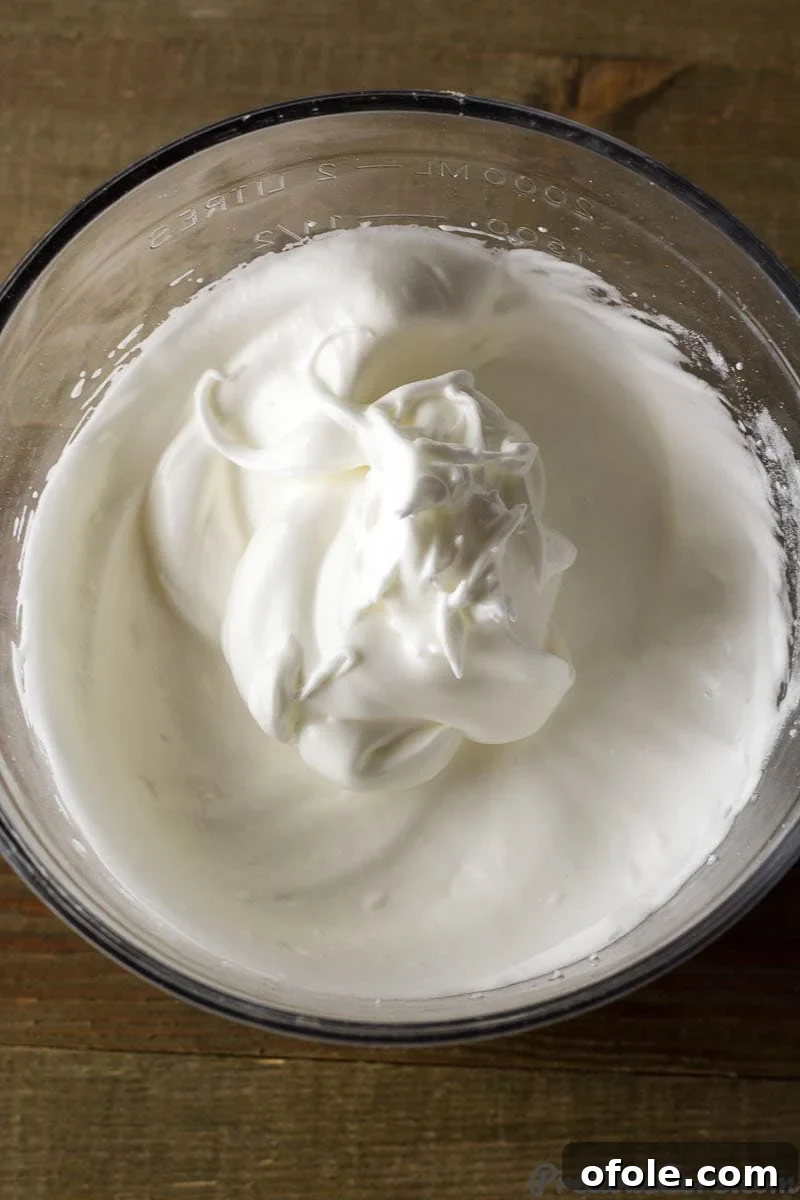
- **Whip Egg Whites to Stiff, Glossy Peaks:** Carefully separate the egg yolks from the egg whites. It’s imperative that no trace of egg yolk, grease, or water mixes with the egg whites, as even a tiny amount of fat can prevent them from whipping properly. In a clean, dry large mixing bowl, begin beating the egg whites with an electric mixer on medium-high speed. Initially, they will become foamy. Continue beating until soft peaks form, which typically takes about 2 minutes. At this point, gradually add the granulated sugar, a tablespoon at a time, while continuously beating. Increase the mixer speed to high and beat until the egg whites are glossy, firm, and form stiff peaks – meaning they hold their shape perfectly when the beaters are lifted without drooping. This stage usually requires another 2 to 3 minutes of beating after the sugar is fully incorporated.
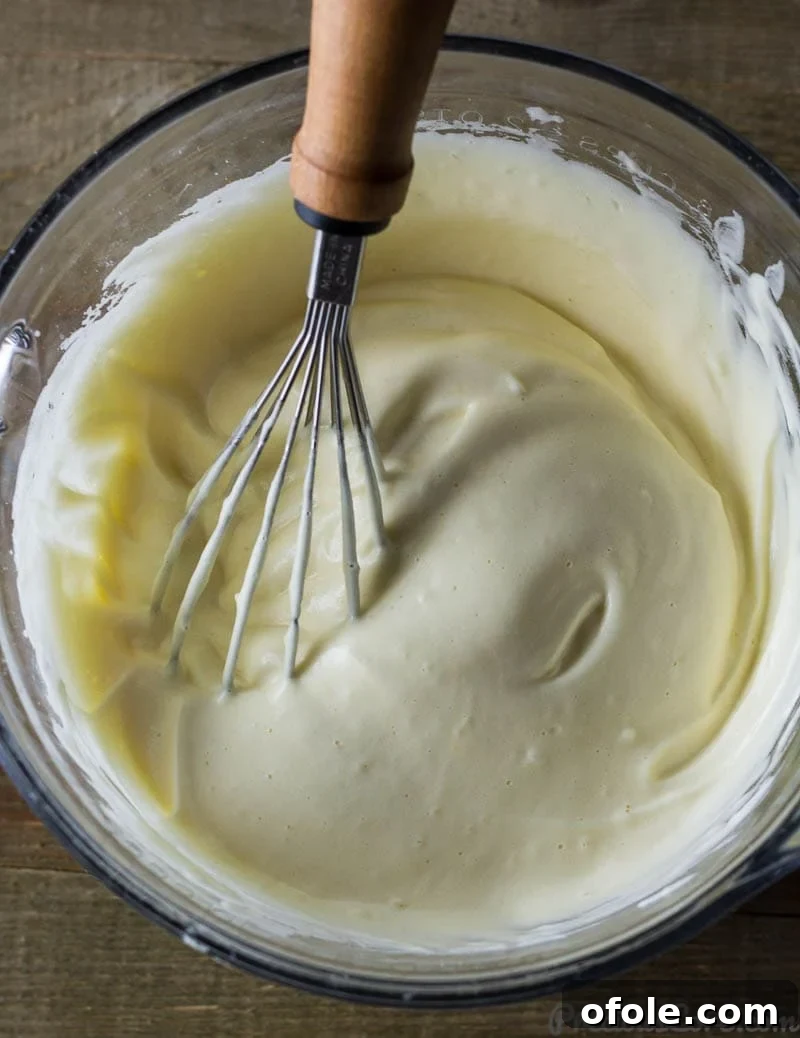
- **Gently Incorporate Egg Yolks and Vanilla Extract:** Once your egg whites are perfectly whipped, add the separated egg yolks and the pure vanilla extract to the bowl. Using a large whisk or a rubber spatula, gently fold these ingredients into the aerated egg white mixture. The goal here is to combine them until just incorporated, preserving as much of the air and volume in the egg whites as possible. Overmixing at this stage will deflate the batter, leading to a denser cake. A delicate hand is key.
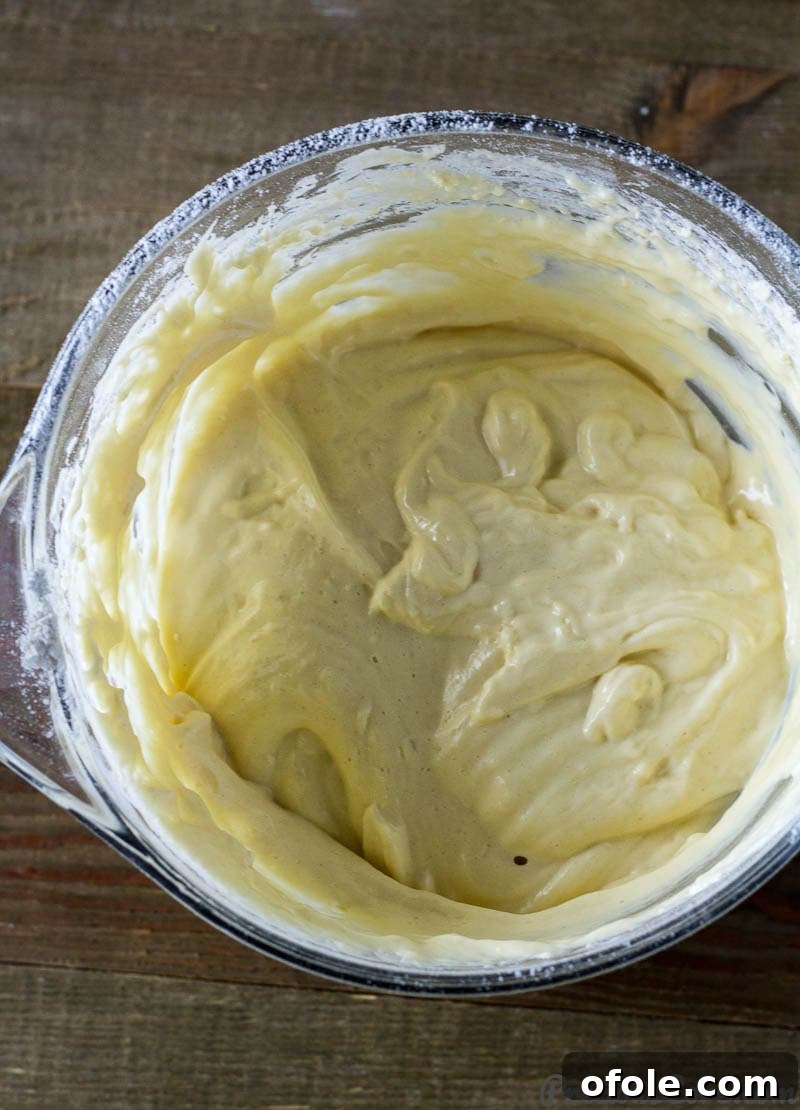
- **Fold in the Dry Ingredients:** In a separate small bowl, whisk together the all-purpose flour, baking powder, and salt. Then, sieve these dry ingredients over the wet egg mixture, adding them in small increments (about a third at a time). After each addition, gently fold the dry ingredients into the batter using a spatula. Continue this careful folding motion until the flour is just combined and no dry streaks are visible. It is paramount not to overmix at this stage, as excessive stirring will develop the gluten in the flour, resulting in a tough, rubbery cake rather than the desired light sponge.
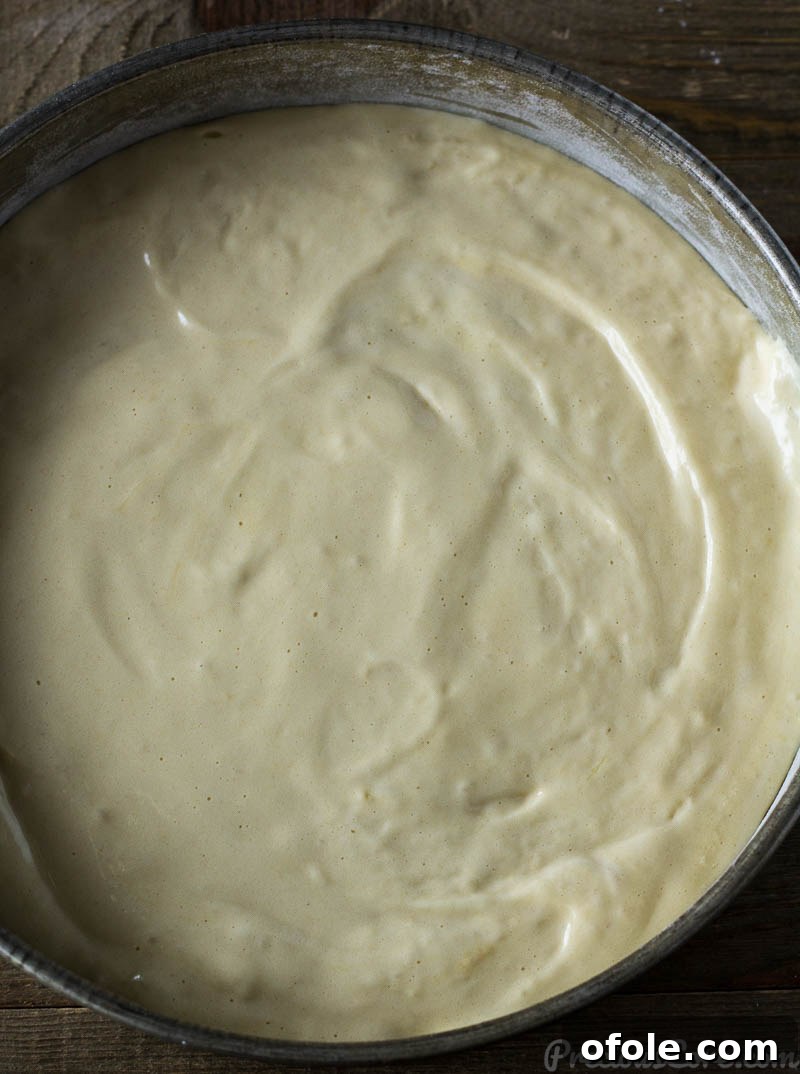
- **Transfer Batter to Pan:** Using your spatula, gently scrape down the sides of the mixing bowl, ensuring all the batter is thoroughly mixed. Carefully pour the delicate batter into your prepared 9-inch round cake pan. Gently level the top of the batter with the spatula to ensure even baking.
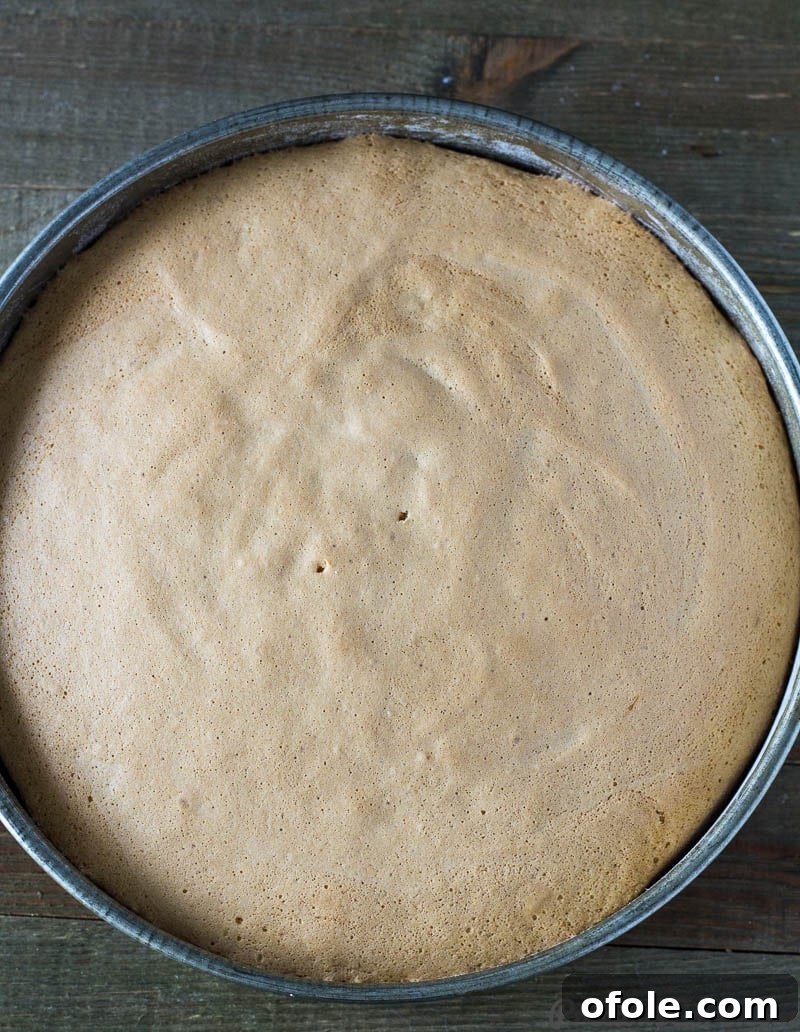
- **Bake to Golden Perfection:** Place the cake pan into your preheated oven. Bake for approximately 30-35 minutes. Baking times can vary slightly depending on your oven’s calibration. The cake is perfectly done when its top is beautifully golden brown, it springs back lightly when touched in the center, and a wooden skewer or toothpick inserted into the very middle comes out completely clean.
Watch and Learn: Your Visual Guide to Vanilla Sponge Cake Perfection
For those who prefer a visual demonstration, or wish to refine their baking techniques, we’ve included a comprehensive video tutorial. This guide will walk you through each step of creating the perfect Vanilla Sponge Cake from scratch. Watch closely as we demonstrate the delicate art of whipping egg whites, the gentle folding of ingredients, and all the essential tips to ensure your cake achieves that signature light and fluffy texture. This visual aid is an invaluable resource for both novice and experienced bakers, helping you achieve impeccable results with confidence.
Essential Tips for a Flawless Vanilla Sponge Cake
Achieving a truly perfect vanilla sponge cake, especially one without butter, relies on precision and a few critical techniques. Keep these tips in mind to consistently produce an amazing, light, and airy cake:
- **Room Temperature Eggs are Non-Negotiable:** This is perhaps the most crucial tip for any sponge cake. Eggs at room temperature whip up faster, achieve significantly greater volume, and create a more stable foam, all of which are vital for the cake’s airy structure. Always plan ahead and take your eggs out of the refrigerator at least 30 minutes to an hour before you intend to start baking.
- **Precision in Measurement:** Baking is often referred to as a science, and for good reason. Accurate measurements are key. Use proper dry measuring cups for flour and spoons for smaller quantities. For the most consistent results, consider weighing your flour (1 cup of all-purpose flour is typically 125g) using a kitchen scale. Sifting your flour not only removes any lumps but also helps to aerate it further, contributing to a lighter crumb.
- **The Golden Rule: Do Not Overmix:** This cannot be stressed enough for sponge cakes. Once you add the dry ingredients to the wet mixture, mix only until they are just combined and no streaks of flour remain. Overmixing develops the gluten in the flour, which will inevitably lead to a tough, dense, and less “spongy” cake. Always use a gentle folding technique to preserve the air you’ve incorporated.
- **Immaculately Clean Equipment for Egg Whites:** Ensure that your mixing bowl and whisk attachments are absolutely spotless and completely free of any grease, oil, or even a tiny drop of egg yolk. Any residual fat can prevent egg whites from whipping up to their full, stiff-peak potential, compromising the cake’s rise and texture.
- **Master the Gentle Folding Technique:** When combining the various components, especially after the egg whites have been whipped, use a gentle folding motion. A rubber spatula is the ideal tool for this. The technique involves cutting down through the center of the batter, then scooping up from the bottom of the bowl and folding it over the top. Rotate the bowl as you repeat this motion, working quickly but gently.
- **A Properly Preheated Oven is Essential:** A consistently hot oven is critical for the cake to rise properly and for its delicate structure to set. Placing the batter into a cold or insufficiently heated oven can cause the cake to sink. Furthermore, resist the temptation to open the oven door frequently, particularly during the first 20 minutes of baking, as this can cause a drastic temperature drop and result in a collapsed cake.
- **Patient Cooling is Key:** Once baked, allow the cake to cool in its pan on a wire rack for about 10-15 minutes. This allows the cake to firm up slightly before you attempt to invert it. After this initial cooling, invert the cake onto the wire rack to cool completely. Rushing this step can lead to the cake breaking or sticking to the pan.
- **Embrace the Fat-Free Batter:** Remember, this recipe intentionally omits butter or oil from the actual cake batter to achieve its characteristic lightness and delicate texture. The small amount of oil used to grease the baking pan is solely to prevent sticking, not to enrich the cake’s crumb.
Delicious Variations & Serving Suggestions for Your Sponge Cake
While this Classic Vanilla Sponge Cake is absolutely divine on its own, its delicate flavor and versatile texture make it a fantastic base for countless variations and serving ideas. Here are some ways to customize and enjoy your homemade vanilla cake:
- **Classic Pairing:** For a timeless dessert, serve individual slices simply dusted with powdered sugar, a generous dollop of freshly whipped cream, and an abundance of seasonal fresh berries like strawberries, raspberries, or blueberries.
- **Lemon Zest Delight:** To introduce a refreshing citrus note, finely grate the zest of one lemon and add it to your dry ingredients before folding. This subtle addition beautifully complements the vanilla flavor.
- **Almond Essence:** For a delicate nutty undertone, consider substituting half of the vanilla extract with pure almond extract. This creates a sophisticated flavor profile that pairs wonderfully with coffee or tea.
- **Chocolate Drizzle:** Elevate the indulgence by melting some high-quality dark or milk chocolate and drizzling it artfully over cooled slices of the cake. This adds a rich counterpoint to the cake’s lightness.
- **Layer Cake Foundation:** This fluffy sponge cake is an ideal candidate for creating stunning layer cakes. Carefully slice the cooled cake horizontally into two or three layers, then fill them with your favorite fruit preserves, tangy lemon curd, rich chocolate ganache, or a light buttercream frosting for a truly celebratory dessert.
- **Trifle Base:** Cut the cooled cake into cubes and use it as the foundational layer for an exquisite trifle. Layer with creamy custard, fresh fruit, and luxurious whipped cream for a dessert that’s as beautiful as it is delicious.
- **Elegant Tea-Time Treat:** Pair a slice of this delicate sponge with your favorite brewed tea or a freshly made coffee for an elegant and satisfying afternoon snack that feels effortlessly gourmet.
Storing Your Classic Vanilla Sponge Cake
To maintain the freshness, texture, and delightful flavor of your homemade vanilla sponge cake, proper storage is key:
- **Room Temperature:** If your cake is unfrosted or frosted with a non-perishable glaze, store it in an airtight container at room temperature. It will remain wonderfully fresh for up to 2-3 days. This helps to prevent it from drying out and maintains its delicate crumb.
- **Refrigeration:** If you choose to frost your sponge cake with a dairy-based cream, a cream cheese frosting, or add perishable fruit fillings, it’s best to store it in an airtight container in the refrigerator. It will stay fresh for up to 4-5 days. For the best flavor and texture, allow the cake to come to room temperature for about 30 minutes before serving.
- **Freezing for Longer Storage:** For extended freshness, individual slices or the entire unfrosted cake can be frozen. Wrap the cake tightly in plastic wrap first, ensuring no air can get in, and then wrap it again in aluminum foil. Label with the date. It can be stored in the freezer for up to 2 months. To thaw, simply transfer it to the refrigerator overnight, then bring it to room temperature before serving.
Frequently Asked Questions About Vanilla Sponge Cake
- Can I use self-rising flour for this recipe?
- It is not recommended. This recipe specifically calls for all-purpose flour combined with a precise amount of baking powder to achieve its desired light texture and rise. Using self-rising flour would alter the leavening balance, which could result in a denser, crumbly, or otherwise unsatisfactory cake.
- My cake sank in the middle after baking. What might have gone wrong?
- A sinking cake is a common issue with sponge cakes and is typically due to a few factors: opening the oven door too early during baking (especially in the first 20 minutes), overmixing the batter after adding the dry ingredients, or an oven temperature that is too low or inconsistent. Ensure your oven is accurately calibrated and resist the urge to peek during the crucial rising phase.
- Can I bake this cake in a different sized pan?
- Yes, you can adapt the recipe to different pan sizes, but be aware that baking times will need adjustment. A smaller, deeper pan will require a longer baking time, while a larger, shallower pan will bake faster. Always rely on the toothpick test (inserting a toothpick into the center should come out clean) to accurately determine when your cake is fully baked.
- Is it possible to make this recipe gluten-free?
- While this specific recipe is formulated with wheat flour, you might be able to adapt it using a high-quality 1:1 gluten-free baking flour blend. However, results can vary significantly, as gluten-free flours behave differently and may slightly alter the cake’s delicate texture. Experimentation may be required.
- What if I don’t have an electric mixer to whip the egg whites?
- You can absolutely make this cake using a good old-fashioned hand whisk, just as many traditional bakers did for centuries! However, be prepared for a substantial arm workout, particularly when whipping the egg whites to stiff peaks. An electric mixer, whether handheld or stand mixer, simply makes this crucial step quicker, more efficient, and less strenuous.
Discover More Irresistible Cake Recipes
If you thoroughly enjoyed baking and tasting this Classic Vanilla Sponge Cake, then you’re in for a delightful journey! We invite you to explore our extensive collection of other fantastic cake recipes, each perfect for a myriad of occasions, from everyday treats to grand celebrations:
- PERFECT PLAIN CAKE
- CLASSIC CHOCOLATE CAKE
- CARROT CAKE
- FRESH APPLE CAKE RECIPE
- 10 DELICIOUS CAKE RECIPES YOU MUST MAKE!
Classic Vanilla Sponge Cake
Rate
Print Recipe
Ingredients
- 4 large eggs (at room temperature)
- 1 cup all-purpose flour (125g), plus 2 more teaspoons for dusting pan
- 1/2 cup granulated sugar
- 1/4 teaspoon salt
- 1/2 teaspoon baking powder
- 2 teaspoons pure vanilla extract
Instructions
-
Preheat oven to 350°F (180°C). Lightly brush a 9-inch round baking pan with 1 teaspoon of oil. Dust the pan with about 2 teaspoons of flour, rotating to coat evenly, then tap out excess.
-
Separate egg yolks from egg whites, ensuring no yolk contaminates the whites. In a clean, dry bowl, beat egg whites with an electric mixer until they form soft peaks (about 2 minutes). Gradually add sugar and continue beating until stiff, glossy peaks form (another 2-3 minutes).
-
Add egg yolks and vanilla extract to the beaten egg whites. Gently whisk or fold until just combined, being careful not to deflate the mixture.
-
Sieve in flour, baking powder, and salt a little at a time. Gently fold them into the egg mixture until just combined and no streaks of flour remain. Avoid overmixing.
-
Carefully scrape the batter into the prepared cake pan, ensuring an even distribution. Gently level the top with a spatula.
-
Bake in the preheated oven for 30-35 minutes, or until the cake is golden, springs back when lightly touched, and a toothpick inserted into the center comes out clean.
Notes
2. For optimal volume, ensure eggs are at room temperature. While a fork/whisk can be used, an electric mixer is highly recommended for achieving stiff egg white peaks more efficiently.
Nutrition Information (per serving)
Additional Information
“There is a way which seemeth right unto a man, but the end thereof are the ways of death.” Proverbs 14:12, KJV