
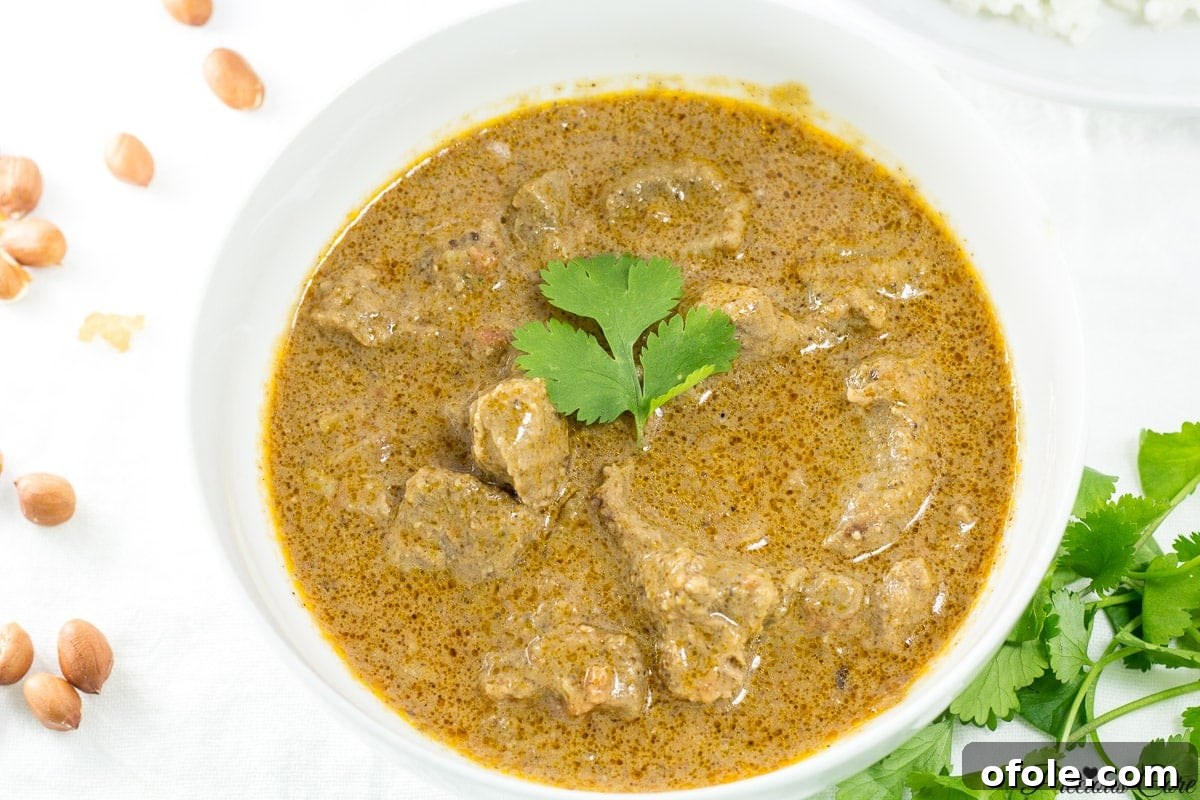
The Ultimate Guide to Authentic African Groundnut Soup: A Creamy Culinary Delight
If your heart beats for rich, savory flavors and the comforting essence of peanuts, then you’ve arrived at the perfect culinary destination. This isn’t just a recipe; it’s an invitation to experience one of West Africa’s most cherished and flavorful dishes: Groundnut Soup, often known globally as Peanut Soup. This creamy, deeply satisfying soup is a testament to the versatility of humble groundnuts, transformed through a process of careful roasting, fine grinding, and slow simmering with a medley of aromatic spices in a robust beef or chicken stock. The result is an incredibly “groundnutty” concoction – so rich and irresistible, you might find yourself wanting to savor every last drop. Prepare to embark on a flavor journey that will awaken your senses and leave you craving more!
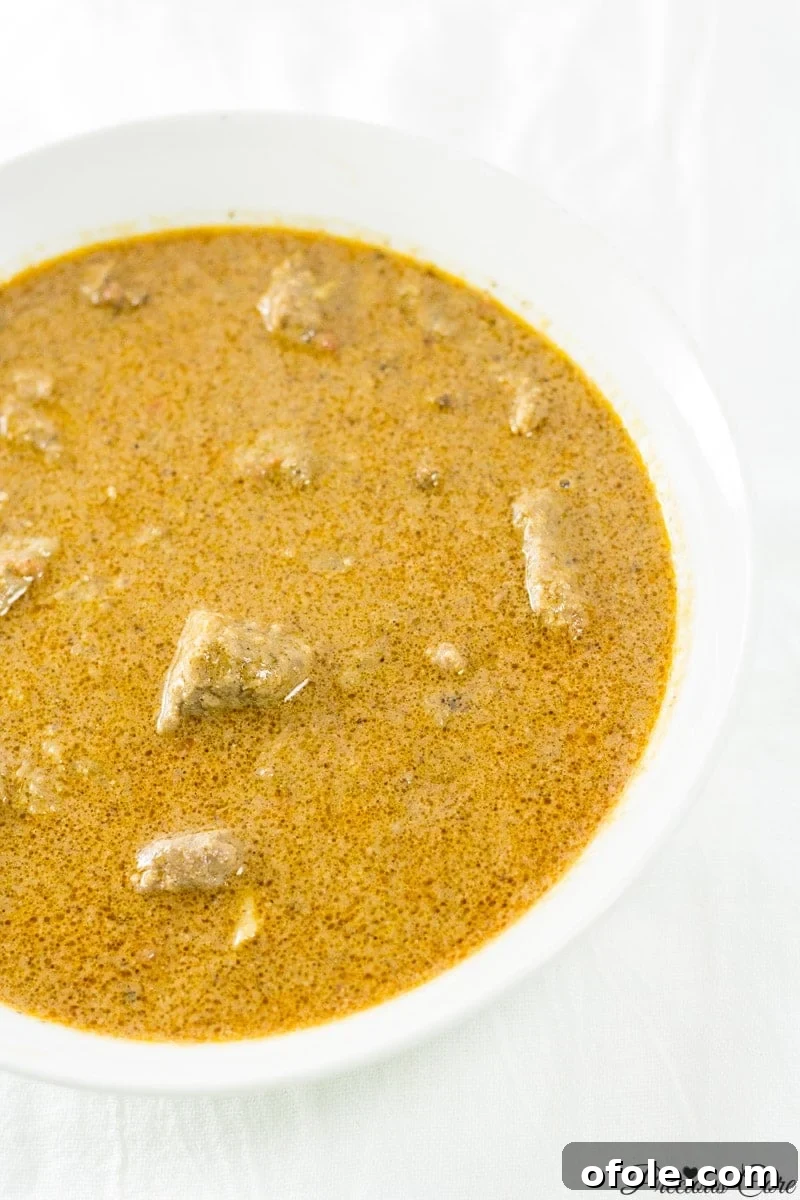
A Taste of Tradition: The Origins and Appeal of Groundnut Soup
African Groundnut Soup holds a significant place in the culinary landscape of numerous West African countries. Its history is as rich and complex as its flavor profile, evolving through generations as a staple meal cherished for its creamy texture and nutritional value. From the bustling markets of Ghana to the serene villages of Cameroon, this soup embodies the warmth and hospitality of African culture. It’s a dish that transcends mere sustenance, often bringing families together around the dinner table, sharing stories and laughter over a hearty bowl.
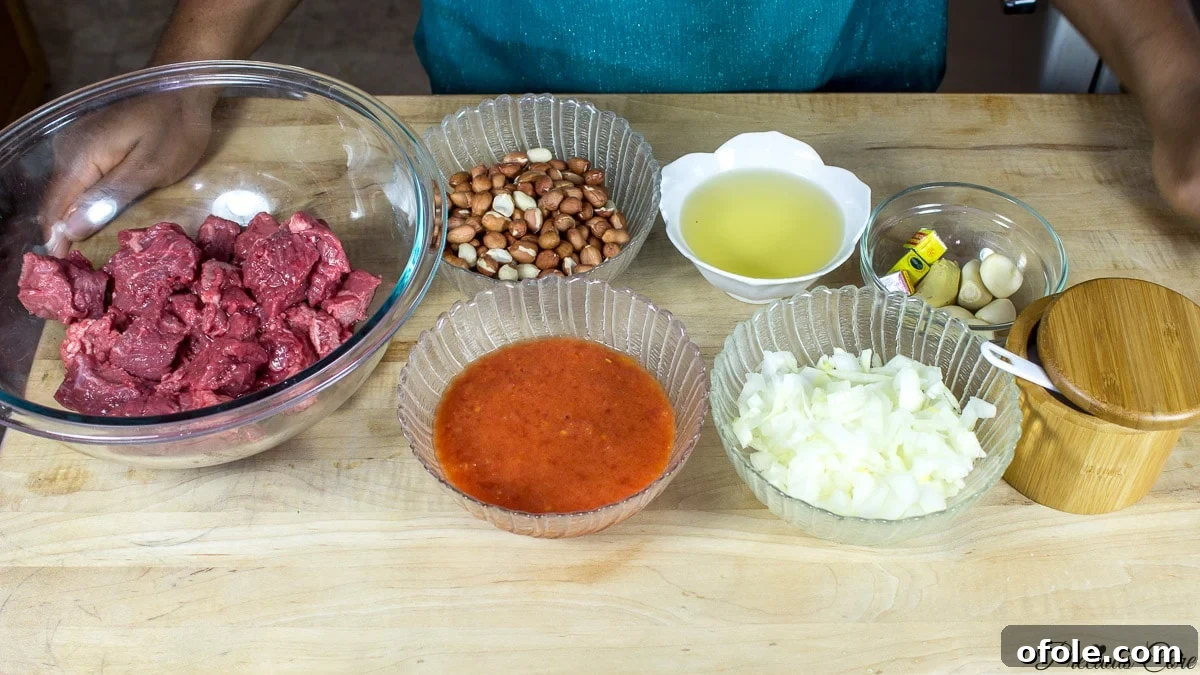
The beauty of this traditional African soup lies not only in its exquisite taste but also in its surprising simplicity. You don’t need an elaborate pantry to create this masterpiece. At its core, the dish relies on a few fundamental, readily available ingredients: raw groundnuts (peanuts), fresh tomatoes, onions, aromatic ginger and garlic, your preferred seasoning, cooking oil, and a choice of protein, typically beef or chicken. These ingredients, when combined with care and patience, transform into a soup that is far greater than the sum of its parts. It’s a culinary alchemy that turns simple nuts into a luxurious, flavor-packed experience.
The Groundnut Dilemma: Roast Your Own or Opt for Convenience?
One of the most crucial decisions when preparing authentic groundnut soup is whether to roast and grind your own groundnuts or to take a shortcut with store-bought peanut butter. While using plain peanut butter can drastically cut down on your cooking time, offering a quick and convenient alternative, there’s a compelling argument for going the traditional route. Roasting raw groundnuts from scratch unlocks a deeper, more nuanced flavor that truly elevates the soup. The aroma that fills your kitchen during the roasting process is an experience in itself, hinting at the rich, earthy goodness to come. For many, including myself, this extra step isn’t just about authenticity; it’s about infusing the soup with an unparalleled depth of flavor that packaged peanut butter simply cannot replicate. The slow roast develops the nuts’ natural oils and sugars, creating a more robust and complex base for the soup. It’s a labor of love that pays off immensely in the final taste.
Groundnuts vs. Peanuts: A Brief Clarification
Throughout West Africa, the edible seeds we use for this soup are universally known as groundnuts. While in many other parts of the world, they are commonly referred to as peanuts, the distinction in name often highlights different culinary uses. Interestingly, what some cultures call “peanuts” might refer to a specific snack in West Africa – typically groundnuts coated in flour and fried, commonly known as Peanut Burger. Rest assured, whether you call them groundnuts or peanuts, you’re working with the same delicious and versatile legume that forms the heart of this incredible soup.
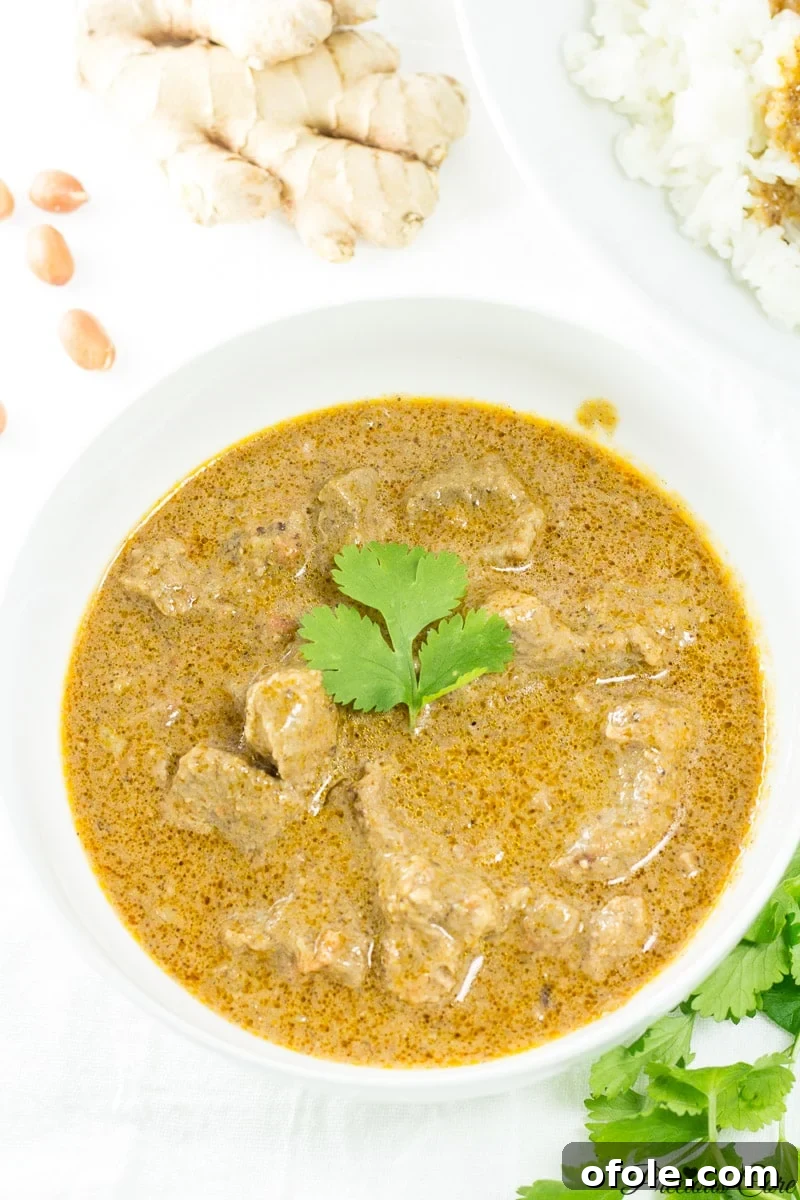
A Mosaic of Flavors: Regional Variations of African Groundnut Soup
African Groundnut Soup is not a monolithic dish; rather, it’s a vibrant tapestry of regional interpretations, each reflecting the local ingredients and culinary traditions of its origin. This diversity is part of what makes it so fascinating and universally loved across the continent. Across West Africa and beyond, you’ll find different countries and even different households preparing their unique versions, resulting in a delightful array of flavors and textures.
For instance, in Ghana, this beloved dish is famously known as Nkatenkwan, often prepared with a base of palm oil and a medley of proteins like chicken, goat meat, or even smoked fish. Its distinct reddish hue and rich, earthy flavor are instantly recognizable. Further west, in countries like Mali, Senegal, and Gambia, it transforms into Maafe or Mafé, a thicker, heartier stew that frequently includes root vegetables such as sweet potatoes, carrots, and sometimes even leafy greens like spinach or bitter leaf, offering a more robust and complex nutritional profile. The French-speaking regions commonly refer to it as Sauce d’arachide, highlighting the peanut base. My Ugandan neighbor, for example, affectionately calls it “peanut butter soup,” a term that aptly describes its rich, creamy consistency and distinct flavor.
Some variations might incorporate different types of fats, like red palm oil for a richer color and distinct taste, or simply a neutral vegetable oil for a cleaner flavor profile. The choice of meat also varies widely: while beef and chicken are common, goat meat, lamb, and various types of fish (fresh or smoked) are frequently used, adding their unique essence to the soup. Even vegetarian versions, utilizing mushrooms or other plant-based proteins, are gaining popularity, demonstrating the dish’s incredible adaptability. This wide appeal speaks volumes about the soup’s versatility and its enduring place in the hearts and homes of African communities worldwide.
The Perfect Pairing: Serving Suggestions for Groundnut Soup
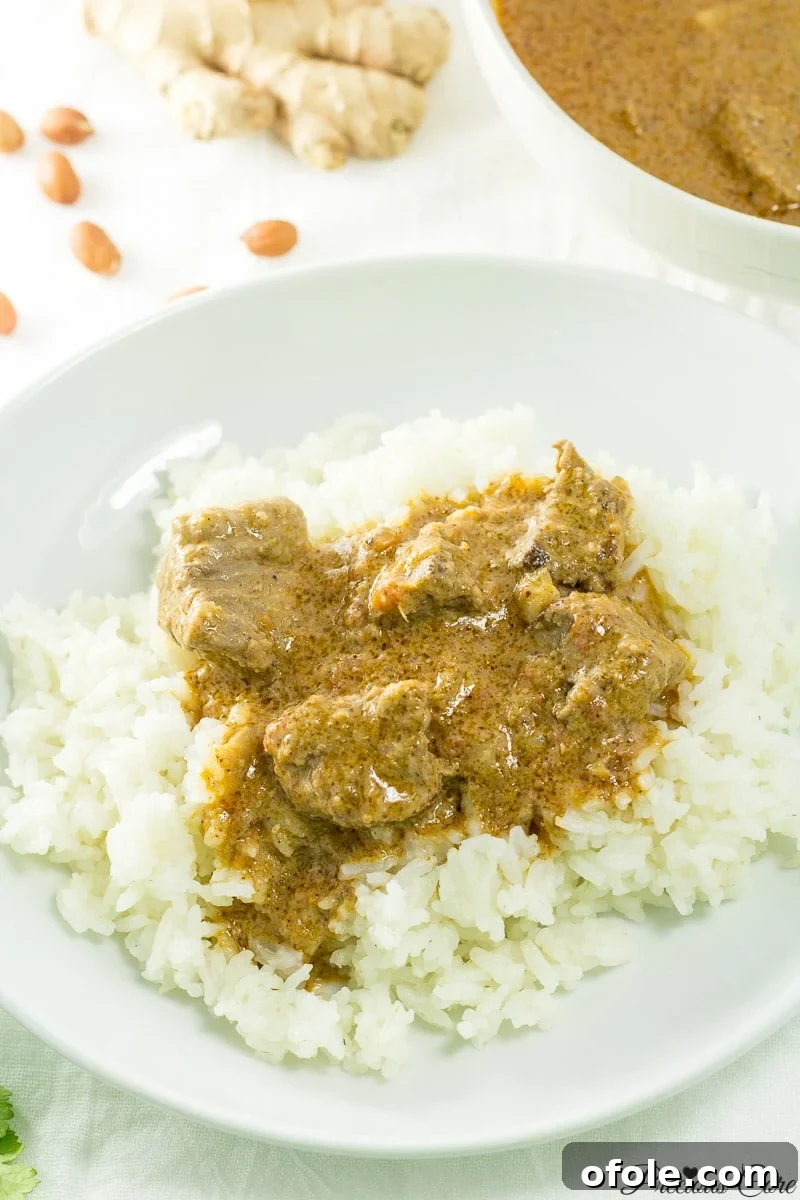
The joy of Groundnut Soup extends beyond its preparation to the myriad of ways it can be savored. This versatile soup pairs exceptionally well with a variety of starchy accompaniments, making it a truly satisfying and wholesome meal. For me, the classic combination of Groundnut Soup with fluffy white rice is simply “THE BOMB” – an explosion of flavor and comfort that never disappoints. The rice perfectly absorbs the rich, creamy sauce, making every spoonful a delight.
Beyond rice, there’s a whole world of traditional African side dishes that complement this soup beautifully. Consider serving it with soft, boiled plantains, their subtle sweetness providing a wonderful counterpoint to the savory soup. Pounded yam, a staple in many West African homes, offers a wonderfully chewy texture that’s perfect for scooping up the thick sauce. Alternatively, cooked garri (fermented cassava granules), prepared as a stiff porridge, provides another traditional and incredibly satisfying pairing. Regardless of your choice, Groundnut Soup transforms any starch into a delicious vehicle for its incredible flavor, promising a truly authentic African dining experience.
Watch the Magic Unfold: Groundnut Soup Video Tutorial
Sometimes, seeing the process makes all the difference. For those who are visual learners or simply want a guided tour through the creation of this delicious soup, I’ve put together a comprehensive video tutorial. This video will walk you through each step, ensuring you grasp the techniques needed to achieve the perfect creamy consistency and rich flavor. Follow along as we bring all the elements together, transforming simple ingredients into a culinary masterpiece. It’s an excellent resource to ensure your Groundnut Soup turns out perfectly every time.
The Detailed Groundnut Soup Recipe
Now, let’s get down to the nitty-gritty with the full, printable recipe. This guide is designed to make your cooking experience seamless and enjoyable, resulting in a delicious and authentic African Groundnut Soup that will impress your family and friends. This soup, made with perfectly roasted peanuts and other exotic ingredients, promises a creamy texture and an explosion of flavors. It’s excellent on rice and pairs wonderfully with any starchy side dish you prefer.
Groundnut Soup
15
30
45
6 people
Pin Recipe
Rate
Print Recipe
Ingredients
- 1 cup raw groundnuts (peanuts)
- 1 pound beef (about 1/2 kg) – cut into small slices
- 5 garlic cloves – peeled
- 1/2-1 inch ginger – peeled
- 1 onion – chopped
- 2 tomatoes – diced or blended
- 1/2 cup oil – (canola or your preferred cooking oil)
- 3 small seasoning cubes (e.g., Maggi or Knorr)
- 1 teaspoon salt
- 1 hot (habanero) pepper – optional, for heat
Instructions
-
Step 1: Roast the Groundnuts. Place the raw groundnuts in a dry skillet or frying pan over medium heat. Roast for about 5-10 minutes, stirring frequently to ensure even browning and prevent burning. You’re looking for a beautiful golden-brown color with a few dark spots, and a fragrant, nutty aroma. Once roasted, remove from heat and let them cool completely. This cooling step is crucial for achieving a fine powder/paste.
-
Step 2: Prepare the Beef. While the groundnuts are cooling, thoroughly wash your beef slices. Place the beef in a pot and add about 2 cups of water. Season with half a teaspoon of salt and one seasoning cube, along with a tablespoon of chopped onions. Bring to a boil, then reduce heat and let it simmer for approximately 20 minutes, or until the beef is tender. Monitor the water level and add more if necessary to keep the beef submerged and prevent it from drying out.
-
Step 3: Make the Groundnut Paste. Once the roasted groundnuts have cooled completely, transfer them to a food processor or a coffee grinder. Blend until they form a fine powder. Continue blending, and if your processor is powerful enough, they will eventually release their oils and turn into a thick paste. If needed, add a cup of water gradually to the ground peanuts and blend further to create a smooth, consistent paste. Set aside.
-
Step 4: Prepare the Aromatics. In a separate blender or mortar and pestle, combine the peeled garlic cloves, peeled ginger, and the optional habanero pepper. Blend or pound until you have a smooth paste. These aromatics will add incredible depth and zest to your soup.
-
Step 5: Sauté the Base. By now, your beef should be tender. Carefully remove the cooked beef from the pot and set it aside, reserving the flavorful stock. Return the pot to the stove over medium heat. Allow any remaining stock to evaporate, then add the cooking oil. Once the oil is hot, add the chopped onions and sauté until they become translucent and fragrant, typically 3-5 minutes. Next, add the diced or blended tomatoes and fry them, stirring occasionally, until their raw acidity is cooked out and the oil begins to separate – this indicates they are ready.
-
Step 6: Combine and Simmer. To the sautéed base, add the blended ginger, garlic, and pepper paste. Stir well for about a minute to release their flavors. Then, reintroduce the cooked beef and the reserved beef stock. Stir in the prepared groundnut paste, the remaining seasoning cubes, and half a teaspoon of salt. Mix all ingredients thoroughly until they are well combined and the groundnut paste has dissolved smoothly into the liquid. Bring the soup to a gentle simmer and let it cook for about 5-10 minutes, allowing all the flavors to meld beautifully.
-
Step 7: Adjust and Serve. Taste the soup and adjust the seasoning (salt, pepper, or additional seasoning cubes) as needed to suit your preference. At this point, you can also adjust the consistency of the soup by adding a little more water or stock if you prefer a thinner consistency, or letting it simmer uncovered for a few more minutes if you desire a thicker soup. Serve your glorious African Groundnut Soup warm over a bed of fluffy rice, with boiled plantains, or alongside your favorite fufu (pounded yam, cassava, or cocoyam). Enjoy, friends, and savor every delicious spoonful!
Notes
Protein Alternatives: While beef is traditional, feel free to experiment with other proteins. Chicken, various types of fish (fresh or smoked), or even plant-based options like mushrooms, tofu, or lentils can be used to create delicious variations of this versatile soup.
Nutrition
Calories: 465kcal
|
Carbohydrates: 9g
|
Protein: 22g
|
Fat: 40g
|
Saturated Fat: 7g
|
Polyunsaturated Fat: 10g
|
Monounsaturated Fat: 22g
|
Trans Fat: 1g
|
Cholesterol: 52mg
|
Sodium: 935mg
|
Potassium: 580mg
|
Fiber: 3g
|
Sugar: 2g
|
Vitamin A: 368IU
|
Vitamin C: 10mg
|
Calcium: 56mg
|
Iron: 3mg
Additional Info
Tried this recipe?
Mention @preciouscore or tag #PreciousCore!
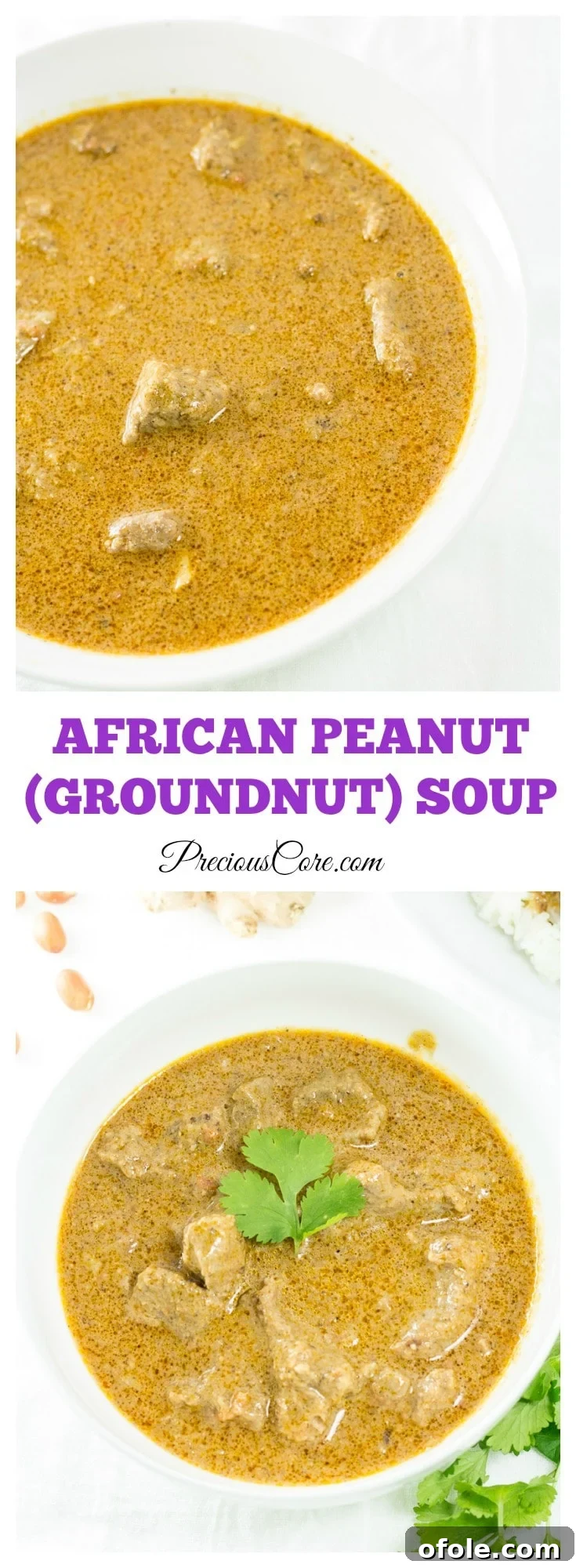
Share Your Groundnut Soup Creations!
We absolutely love seeing your culinary adventures! If you try this recipe and create your own amazing pot of Groundnut Soup, please don’t hesitate to share a photo of your masterpiece on Instagram. Tag us @preciouscore and use the hashtag #PreciousCore. Your creations inspire us and help spread the love for this incredible African delicacy. Happy cooking and even happier eating!