
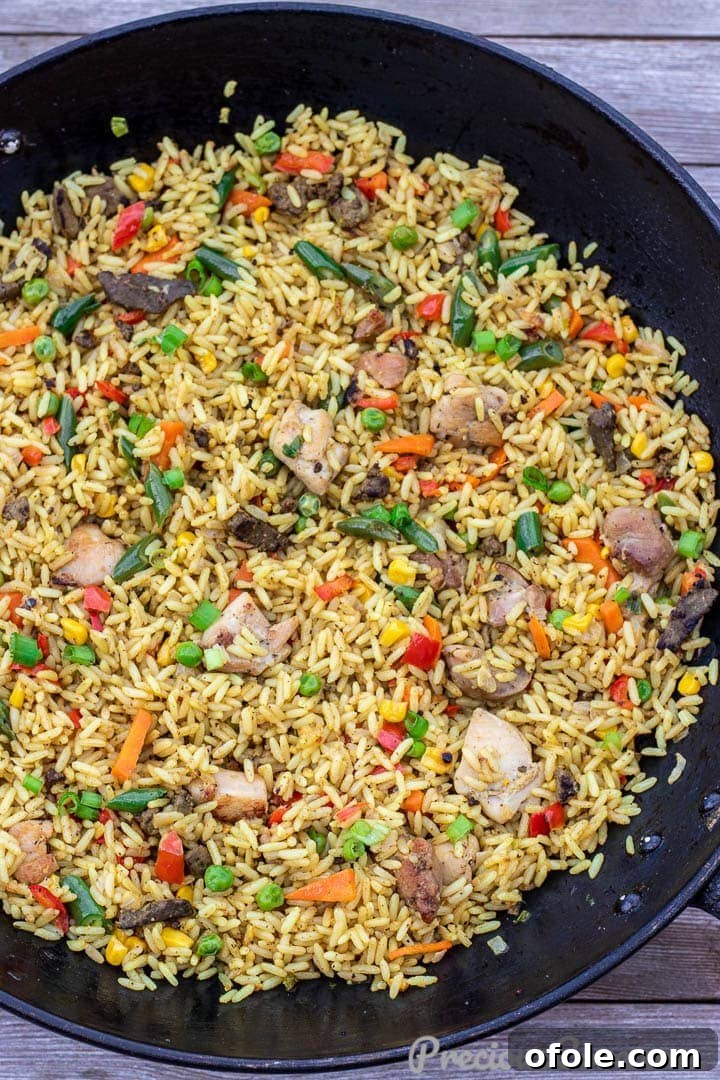
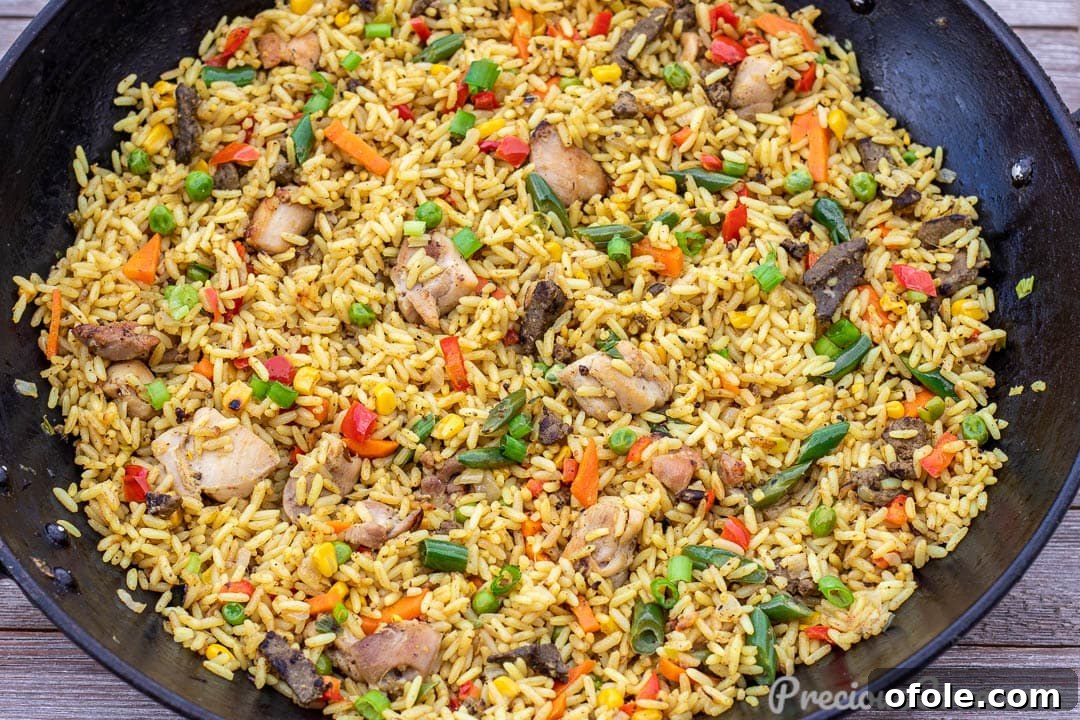
Whether you’re gathering your family for a cozy dinner or hosting friends for a lively celebration, this African Fried Rice recipe is guaranteed to be a showstopper! Bursting with incredibly rich flavors and delightful textures, from perfectly crisp vegetables to tender, super tasty bits of chicken and liver, this dish is a true culinary masterpiece that will transport your taste buds straight to the heart of Africa.
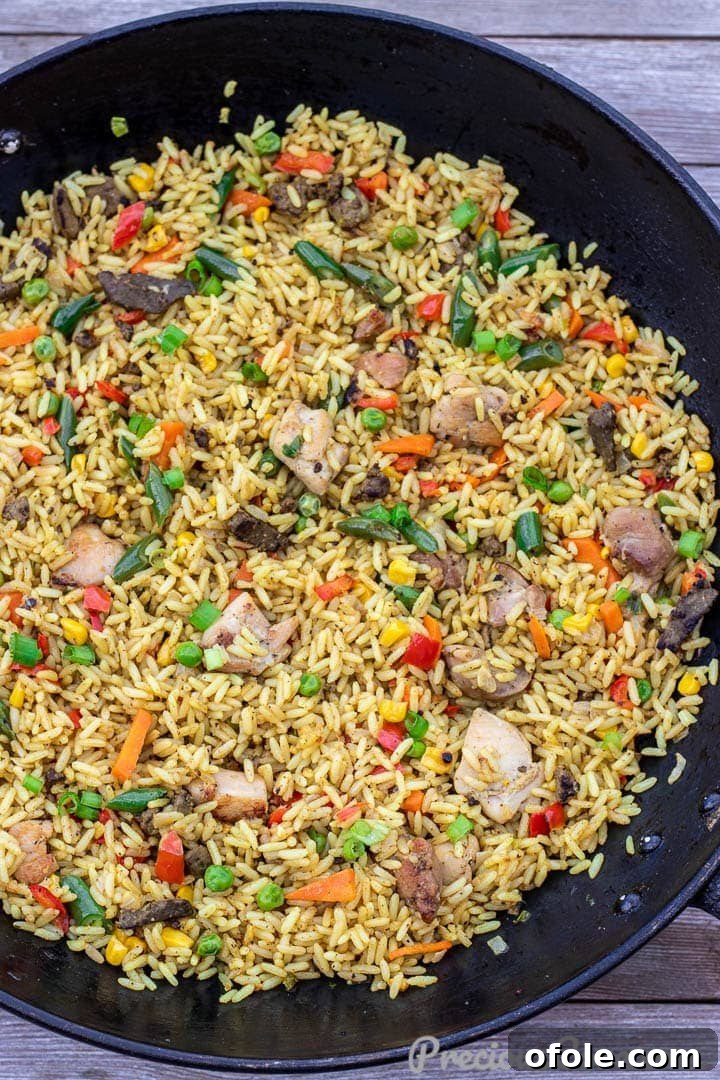
Our love for authentic African cuisine runs deep. From the rich and comforting Nigerian Beef Stew to the iconic Jollof Rice With Chicken, we make it a point to enjoy an African dinner every single week. These dishes not only nourish the body but also tell a story of culture, community, and incredible culinary heritage.
If you’re a fan of the diverse world of fried rice, you’ll also adore our Steak Fried Rice and the ever-popular Shrimp and Chicken Fried Rice. Each offers a unique twist, but today, we’re diving into something truly special: African Fried Rice.
Table of Contents
- Why Is This Called African Fried Rice?
- The Heart of the Dish: Ingredients for African Fried Rice
- Mastering African Fried Rice: How To Make Fried Rice African Style
- Tips for Perfect African Fried Rice
- Variations and Customizations
- What To Serve With African Fried Rice
- Useful Tools For Making Fried Rice
- Watch How To Make African Fried Rice
- More Rice Dinners To Try
- Related Recipes
- African Fried Rice Recipe
Why Is This Called African Fried Rice? Unpacking Its Cultural Roots
The name “African Fried Rice” encapsulates the essence of this particular recipe, which is deeply rooted in my personal culinary experiences across two vibrant African nations: Nigeria and Cameroon. While fried rice, in various forms, is enjoyed globally, this rendition carries the unmistakable hallmarks of West African cooking techniques and flavor profiles.
In Nigeria, this dish stands as the second most popular rice delicacy, a close contender to the beloved Nigerian Jollof Rice. It graces tables at celebrations, family gatherings, and everyday meals, cherished for its hearty nature and aromatic spice blend. Similarly, in Cameroon, you’ll find versions of fried rice that echo these vibrant flavors and satisfying textures.
It’s important to note that Africa is a vast continent with diverse culinary traditions. Just as there are countless variations of fried rice across Asia, so too are there many interpretations across Africa. This particular recipe serves as a delicious representation of the style commonly found in Nigerian and Cameroonian kitchens. The beauty of this dish lies in its adaptability. While we provide a traditional foundation, you are absolutely encouraged to customize it to your personal preferences. Craving a hint of umami? A splash of soy sauce can be a wonderful addition! Have leftover rice from yesterday? That’s actually ideal, as cold, day-old rice yields a superior texture for fried rice, preventing it from becoming mushy. This flexibility makes African Fried Rice a truly forgiving and rewarding dish for any home cook.
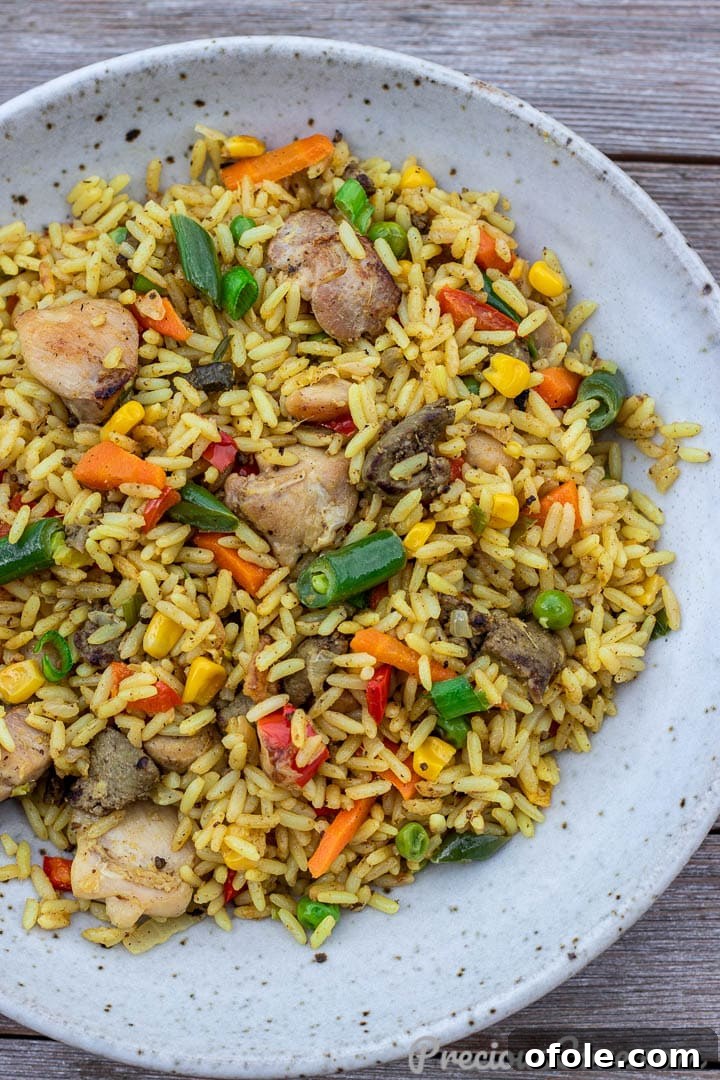
The Heart of the Dish: Essential Ingredients for African Fried Rice
Crafting the perfect African Fried Rice begins with selecting the right ingredients. Each component plays a vital role in building the layered flavors and varied textures that make this dish so special. Below is a comprehensive overview of what you’ll need. For precise measurements, please refer to the detailed recipe card at the end of this article.
Key Ingredients:
- Parboiled Rice: This is crucial for the perfect texture. Parboiled rice, often labeled simply as “Parboiled,” is partially boiled in its husk, which makes the grains sturdier and less prone to clumping or turning mushy during the stir-frying process. Brands like Uncle Ben’s are common examples. While basmati rice can be a substitute, parboiled rice truly delivers the authentic, fluffy, and separate grains ideal for fried rice.
- Curry Powder: A cornerstone of African cooking, curry powder provides both a beautiful golden hue and an unmistakable aromatic depth. Opt for a good quality brand, as its flavor will significantly impact the final dish.
- Thyme: This herb adds a subtle, earthy undertone that complements the other spices beautifully. Whether you use dried, ground, or fresh thyme, ensure it’s fragrant and fresh for the best results. The recipe typically calls for ground thyme, but feel free to use what you have on hand.
- Bay Leaf: Adding a bay leaf during the initial cooking of the rice infuses it with a delicate, fragrant aroma, elevating the overall flavor profile even before it hits the wok.
- Beef Liver: This ingredient is a distinctive feature of many African fried rice recipes, particularly in Nigeria and Cameroon. It contributes a rich, meaty depth and a unique savory flavor that sets it apart from other fried rice variations. When cooked until tender and slightly browned, it adds a wonderful texture contrast.
- Onion: A fundamental aromatic, onion forms the flavor base for sautéing the vegetables and blooming the spices.
- White Pepper: Preferred for its clean, sharp flavor without leaving visible black flecks in the dish, white pepper adds a subtle warmth. Black pepper can be substituted if white pepper is unavailable, but be mindful of the visual difference.
- Garlic and Ginger: These powerhouse aromatics are essential for creating a pungent, flavorful paste that infuses the entire dish with warmth and zest. They are often pounded or blended together for maximum potency.
- Chicken: For our protein, boneless, skinless chicken thighs are highly recommended due to their rich flavor and tendency to remain moist and tender during cooking. However, chicken breasts can also be used if you prefer a leaner option; simply ensure they are cut into uniform pieces for even cooking.
- Mixed Vegetables: A colorful medley of carrots, green beans, bell peppers (any color will do, but red adds a nice sweetness), sweet corn, and green peas not only adds vibrant pops of color but also boosts the nutritional value and texture. Freshly chopped vegetables are fantastic, but frozen mixed vegetables (rinsed and thawed) are a convenient alternative.
- Green Onions (Scallions): Used both in the stir-fry and as a garnish, green onions provide a fresh, pungent finish and a delightful crunch.
- Oil: A neutral-tasting oil, such as vegetable oil, canola oil, or sunflower oil, is ideal for sautéing and stir-frying, allowing the flavors of the other ingredients to shine through.
- Habanero or Scotch Bonnet Pepper (Optional): For those who love a spicy kick, adding a habanero or scotch bonnet pepper can elevate the dish with a fiery heat.
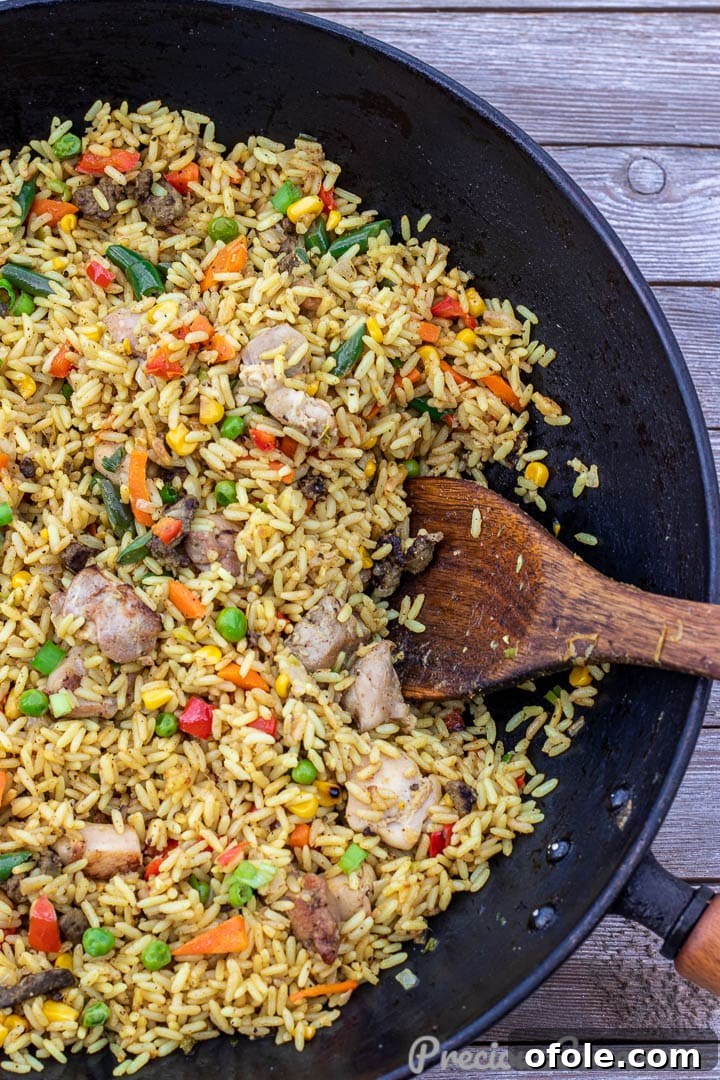
Mastering African Fried Rice: How To Make Fried Rice African Style
Making African Fried Rice might seem like a multi-step process, but it’s straightforward and incredibly rewarding. The key is to prepare each component separately before bringing them together in the wok for a spectacular stir-fry. Here’s a summary of the steps; remember to consult the full recipe card below for detailed instructions and exact measurements.
- Prepare the Rice: Begin by boiling your parboiled rice. Season the cooking water generously with salt, chicken bouillon powder, curry powder, and a bay leaf. This ensures the rice itself is flavorful from the start. Cook until tender but still firm, then spread it out to cool completely. Cold rice is essential for perfect fried rice, preventing it from sticking and becoming mushy.
- Cook the Proteins:
- Sauté Seasoned Chicken: Cut chicken thighs into 1-inch pieces and season them with garlic-ginger paste, salt, thyme, and white pepper. Sear them in a hot wok until beautifully browned and fully cooked. Remove and set aside.
- Sauté Beef Liver: Cook the diced beef liver with a touch of water and seasoning (salt, onion, thyme, white pepper) until tender. Then, sauté it in the same wok until it develops a lovely brown crust. Remove and set aside, dicing it into smaller pieces once cooled. Season again for maximum flavor.
- Aromatics and Vegetables:
- Sauté Onions: In the residual oil from cooking the proteins, sauté the chopped onions until they become translucent and fragrant.
- Bloom Garlic and Ginger: Add the freshly made garlic-ginger paste (and optional habanero/scotch bonnet pepper) to the sautéed onions. Cook for a couple of minutes, allowing the aromatic flavors to intensify and “bloom” in the hot oil.
- Stir-fry Vegetables: Introduce your medley of chopped vegetables – starting with carrots, then green beans, bell peppers, and finally sweet corn and green peas. Stir-fry them in quick succession, ensuring they remain crisp-tender and vibrant. Add a final touch of green onions.
- Season the Vegetables: Sprinkle the remaining curry powder, thyme, and chicken bouillon powder over the vegetables, stirring well to coat everything evenly.
- Combine and Finish:
- Add the Rice: Introduce the cooled, cooked rice to the wok in batches, meticulously stirring and tossing after each addition. This ensures that every grain is thoroughly coated with the delicious vegetable and spice mixture.
- Return Proteins: Add the cooked chicken and liver back into the wok. Stir gently to incorporate them throughout the rice, distributing their savory goodness.
- Final Seasoning: Adjust seasoning with the remaining white pepper, and a final taste test to ensure perfection.
- Serve: Turn off the heat. Your incredibly flavorful African Fried Rice is now ready to be served warm!
Tips for Perfect African Fried Rice
Achieving restaurant-quality fried rice at home is entirely possible with a few key techniques. Follow these tips to ensure your African Fried Rice turns out perfectly every time:
- Use Cold, Day-Old Rice: This is arguably the most crucial tip for any fried rice. Freshly cooked, warm rice has too much moisture and will clump together and become mushy when stir-fried. Cook your rice a day in advance, then spread it on a tray to cool completely before refrigerating. The refrigeration process dries out the grains, making them ideal for stir-frying.
- High Heat is Your Friend: Fried rice needs to be cooked quickly over high heat. This creates that desirable slightly smoky flavor (wok hei) and ensures the vegetables remain crisp-tender, not soggy. Don’t overcrowd your wok or pan, as this will lower the temperature and steam the ingredients instead of frying them.
- Prep All Ingredients in Advance (Mise en Place): Chop all your vegetables, season your proteins, and make your garlic-ginger paste before you even turn on the stove. Once you start stir-frying, things move very fast, and you won’t have time to chop or measure.
- Cook Proteins Separately: Sautéing the chicken and liver separately ensures they cook evenly and develop a nice crust. Removing them before adding vegetables prevents overcrowding and allows you to control their doneness. They will be added back in at the end.
- Don’t Overcook Vegetables: The goal is crisp-tender vegetables, not soft and mushy ones. Add them in stages based on their cooking time, starting with harder vegetables like carrots and ending with quicker-cooking ones like peas and corn.
- Season in Layers: Seasoning the rice during boiling, seasoning the proteins, and then seasoning the vegetables ensures a deep, well-rounded flavor throughout the entire dish.
- Avoid Over-Stirring the Rice: Once the rice is added, stir and toss enough to combine and coat the grains, but don’t constantly stir or mash it. You want to give it a chance to heat up and develop a slight char.
- Taste and Adjust: Always taste your fried rice before serving and adjust salt, pepper, or other seasonings as needed. Different brands of bouillon or curry powder can vary in intensity.
Variations and Customizations for Your African Fried Rice
One of the many joys of African Fried Rice is its incredible versatility. While the base recipe is fantastic as is, feel free to get creative and tailor it to your dietary preferences or what you have available in your pantry.
- Protein Swaps:
- Shrimp: For a delicious seafood twist, add cooked shrimp in place of or in addition to chicken and liver. Add them towards the end, as shrimp cook very quickly.
- Beef or Pork: Diced beef or pork can be seasoned and stir-fried similar to the chicken. Ensure it’s cut into small, bite-sized pieces for quick cooking.
- Vegetarian/Vegan: Omit the chicken and liver entirely. You can add extra vegetables, firm tofu (pressed and diced), or even plant-based chicken substitutes for a hearty vegetarian or vegan version.
- Vegetable Medley:
- Leafy Greens: Stir in some chopped spinach, kale, or cabbage towards the end for added greens and nutrients.
- Mushrooms: Sliced mushrooms add an earthy, umami flavor. Sauté them after the onions.
- Spice Level: Adjust the amount of habanero or scotch bonnet pepper to your preferred heat level. For less spice, omit it entirely. For more, use two or even three!
- Aromatic Additions:
- Soy Sauce: While not traditionally used in all African fried rice variations, a touch of dark or light soy sauce can add a wonderful umami depth, especially if you enjoy Asian-inspired fried rice flavors. Add it towards the end of the stir-frying process.
- Ginger-Garlic Paste: Increase the amount if you love a stronger aromatic kick.
- Other Spices: Experiment with a pinch of paprika, a dash of allspice, or a tiny amount of nutmeg for subtle flavor variations.
- Oil Choice: While vegetable oil is standard, you can use peanut oil for a nutty flavor or palm oil for a richer, more traditional West African taste, especially if you’re familiar with its distinct aroma and color.
What To Serve With African Fried Rice
African Fried Rice is a robust and satisfying dish that can certainly stand on its own as a complete meal. However, for those special occasions or when you simply want to elevate the dining experience, pairing it with complementary sides can turn it into an unforgettable feast. Here are some classic and delicious accompaniments:
- Sweet Fried Plantains: A staple in West African cuisine, ripe sweet fried plantains (dodo) offer a delightful sweetness and soft texture that beautifully contrasts the savory and slightly spicy fried rice.
- Baked or Grilled Chicken/Fish: Simple yet flavorful proteins like baked chicken, grilled fish, or even a side of juicy chicken stew can complement the rice without overpowering its flavors.
- Vegetable Salad: A light, crisp fresh vegetable salad with a simple vinaigrette provides a refreshing counterpoint, adding freshness and a tangy element to cleanse the palate.
- Coleslaw: Creamy coleslaw is another popular side, offering a cool and crunchy texture that pairs well with the richness of the fried rice.
- Hard-Boiled Eggs: Simple hard-boiled eggs, quartered or sliced, are a common and easy addition that provides extra protein.
- Spicy Sauce/Pepper Sauce: For those who love extra heat, a side of homemade African pepper sauce or hot sauce can be drizzled over individual servings.
Useful Tools For Making Fried Rice
Having the right kitchen tools can make the process of preparing African Fried Rice even more enjoyable and efficient:
- Wok: A wok is highly recommended for fried rice and stir-fries due to its large surface area and high, sloped sides, which allow for efficient stir-frying and even heat distribution. A large, heavy-bottomed pot or Dutch oven can also work.
- Mortar and Pestle: Ideal for pounding fresh garlic and ginger into a fragrant paste, unlocking their full flavor potential. A small food processor or blender can be used as an alternative.
- Wood Pepper Grinder: For freshly ground white or black pepper, which offers a more potent and aromatic flavor compared to pre-ground versions.
- Large Serving Tray: Essential for spreading out the cooked rice to cool quickly and thoroughly, which is vital for achieving the perfect non-mushy fried rice texture.
- Sharp Knife and Cutting Board: For efficiently chopping all your vegetables and proteins into uniform sizes.
Watch How To Make African Fried Rice
For a visual guide, watch me prepare African Fried Rice in this video. Seeing the steps in action can be incredibly helpful! Don’t forget to subscribe to my YouTube channel for more delicious African recipes and cooking tips.
More Irresistible Rice Dinners To Try
If you love the versatility and comfort of rice-based meals, explore some of our other popular recipes:
- Jollof Rice With Chicken – The undisputed queen of West African rice dishes!
- Jollof Rice With Shrimp – A delightful seafood variation of Jollof.
- One-Pot Beef Fried Rice – Flavorful and convenient for a quick weeknight meal.
- Easy Coconut Rice – Creamy, aromatic, and incredibly comforting.
- Shrimp and Chicken Fried Rice – A protein-packed favorite for fried rice lovers.
Explore More Authentic African Recipes
Eager to dive deeper into the rich and diverse world of African cuisine? Here are more beloved African recipes that are sure to become family favorites:
If you try this African Fried Rice recipe, we would be absolutely thrilled to hear from you! Please consider leaving a star rating below and sharing your culinary creations with us on Instagram by tagging @preciouscore. Your feedback and photos inspire us!
African Fried Rice Recipe
African Fried Rice is an incredibly flavorful and satisfying dish, cherished for its rich combination of ingredients and vibrant taste. It’s the kind of fried rice that often takes center stage at Nigerian or Cameroonian parties, offering a delightful mix of savory and aromatic notes.
Prep Time: 45 mins | Cook Time: 45 mins | Total Time: 1 hr 30 mins
Servings: 6 servings
Ingredients
- 3 cups long grain parboiled rice (see Note 1)
- 1 1/2 teaspoons salt, divided
- 3 teaspoons chicken bouillon powder (see Note 3)
- 2 teaspoons curry powder
- 1 bay leaf
- 1/2 pound beef liver
- 1 medium onion, chopped
- 1/2 teaspoon ground thyme, divided (substitute with dried thyme)
- 1/2 teaspoon white pepper, divided
- 8 garlic cloves, peeled
- 1 1/2 inches ginger root, peeled
- 1 pound boneless skinless chicken thighs, cut into 1-inch pieces
- 1/2 cup vegetable oil or any neutral tasting oil
- 1 cup chopped carrots
- 1/2 cup chopped green beans
- 1 cup chopped bell pepper (from one large bell pepper, any color works)
- 1/2 cup frozen sweet corn, rinsed and thawed (see Note 4)
- 1/2 cup frozen sweet peas, rinsed and thawed (see Note 4)
- 3 green onions, chopped
- 1 habanero or scotch bonnet pepper, optional (see Note 6)
Instructions
Cook Rice
- Place 6 cups of water into a pot. Set pot on high heat and bring the water to a boil. To the water, add 1 teaspoon of salt, 1 teaspoon of chicken bouillon powder, 1 teaspoon of curry powder, and the bay leaf. Thoroughly wash the rice (wash about 3 times to remove excess starch) and add it into the pot. Reduce the heat to medium, cover the pot, and let the rice cook until done (approximately 20-25 minutes).
- Once the rice is done, open the pot, fluff the rice with a fork, and spread it open to cool. You can also transfer the rice to a large tray and spread it thinly to cool completely. This prevents mushiness in the fried rice.
Cook Liver
- Place the liver into a pot set on medium heat. Add half a cup of water, a quarter teaspoon of salt, 2 tablespoons of the chopped onions, one-eighth teaspoon of the thyme, and one-eighth teaspoon of white pepper. Stir everything so the seasoning is evenly distributed. Cover the pot and let it cook until the liver is tender (about 10-15 minutes). Monitor closely and add a little more liquid if it dries up before the liver is tender.
- Remove the tender liver from its stock and place it on a plate to cool down.
Make Garlic Ginger Paste
- Place the peeled garlic and ginger into a mortar and pound into a fine paste. Alternatively, place the garlic and ginger into a blender, add a tiny amount of water (about 1-2 tablespoons), and blend into a smooth paste.
Season Chicken
- In a medium bowl or on a plate, combine the cut chicken pieces with 1 teaspoon of the garlic-ginger paste, 1/4 teaspoon of salt, 1/8 teaspoon of thyme, and 1/8 teaspoon of white pepper. Mix everything well by hand to ensure the seasoning is evenly distributed on the chicken.
Cut Up Liver and Season
- Dice the cooled-down liver into small, bite-sized pieces. To the diced liver, add half a teaspoon of the garlic-ginger paste, one-eighth of a teaspoon of salt, and one-eighth of a teaspoon of white pepper. Mix everything well to ensure the liver is evenly seasoned and ready for frying.
Make Fried Rice
- Place a large wok or wide-bottomed pot on high heat. Add 1 tablespoon of oil to the wok and swirl it around to evenly coat the surface.
- Add the seasoned chicken to the hot wok and distribute it into a single layer. Let it cook undisturbed for 2 minutes to sear, then stir the chicken around. Continue cooking for another 4-5 minutes, stirring occasionally to prevent burning, until the chicken is fully cooked through and has gained a golden-brown color. Remove the chicken from the wok. If the wok is dry, add 1 tablespoon of fresh oil.
- Let the oil heat up again for 1-2 minutes, then add the diced liver. Cook while stirring from time to time until the liver browns slightly but does not burn. Remove the liver from the wok and set it aside with the chicken.
- To the wok, add the remaining oil and heat it until shimmering. Add the remaining chopped onions and sauté until they become translucent and fragrant, about 3-4 minutes.
- Stir in the remaining garlic-ginger paste (and optional blended habanero/scotch bonnet pepper). Cook for about 2 minutes, stirring continuously, allowing the spices to bloom and release their intense aromas into the oil.
- Add the vegetables: First, add the chopped carrots and stir-fry for 1 minute. Next, add the green beans and stir for 30 seconds. Then, add the chopped bell peppers and stir for another 30 seconds. Finally, add the rinsed and thawed sweet corn and green peas, stirring for 30 seconds. Add the chopped green onions last and stir for 30 seconds.
- Season the vegetables: Sprinkle the remaining curry powder, thyme, and chicken bouillon powder over the stir-fried vegetables. Stir everything well to thoroughly combine all the flavors.
- Add the rice to the wok: Gradually add the cooled, cooked rice to the wok in 3-4 batches. After each batch, mix everything carefully but thoroughly to ensure the rice grains are evenly coated with the seasoned vegetables. This step is crucial for distributing flavor and preventing clumping.
- Add back the cooked chicken and liver to the wok. Stir gently to integrate them into the fried rice mixture.
- Add the remaining 1/4 teaspoon of white pepper to the rice and mix well one last time to evenly distribute the seasoning. Taste and adjust any seasonings if needed.
- Turn off the heat. Your delectable African Fried Rice is now ready to be served!
- Serve warm, ideally with sweet fried plantains and grilled chicken for a truly authentic African meal.
Notes
- “Parboiled rice” refers to the type of rice, such as Uncle Ben’s Parboiled Rice, which is specifically processed to be sturdy and non-sticky. It is not referring to rice that you have parboiled (cooked halfway) yourself.
- For convenience, you can easily use frozen mixed vegetables instead of chopping fresh ones from scratch. Ensure they are thawed and drained before adding them to the wok.
- Chicken bouillon powder is a versatile stock powder that significantly enhances the savory depth of your dishes. It’s an excellent way to boost flavor in this fried rice.
- Canned corn and peas can be used as a substitute for frozen varieties. Make sure to drain and rinse them well before adding.
- Store any leftover African Fried Rice in an airtight container in the refrigerator for 2-3 days. To reheat, gently warm it in the microwave or in a pan on the stovetop over medium heat, adding a splash of water if it seems dry.
- If you choose to use a habanero or scotch bonnet pepper for heat, it’s best to add it to the garlic-ginger paste and blend or pound them together. This evenly distributes the spice throughout the dish.
Nutrition
Calories: 754kcal | Carbohydrates: 88g | Protein: 29g | Fat: 31g | Saturated Fat: 9g | Polyunsaturated Fat: 7g | Monounsaturated Fat: 13g | Trans Fat: 2g | Cholesterol: 138mg | Sodium: 1385mg | Potassium: 667mg | Fiber: 4g | Sugar: 4g | Vitamin A: 12234IU | Vitamin C: 44mg | Calcium: 75mg | Iron: 6mg
(Nutritional information is an estimate and may vary based on ingredients and preparation methods.)
Additional Info
Course: Dinner
Cuisine: African
Calories: 754