
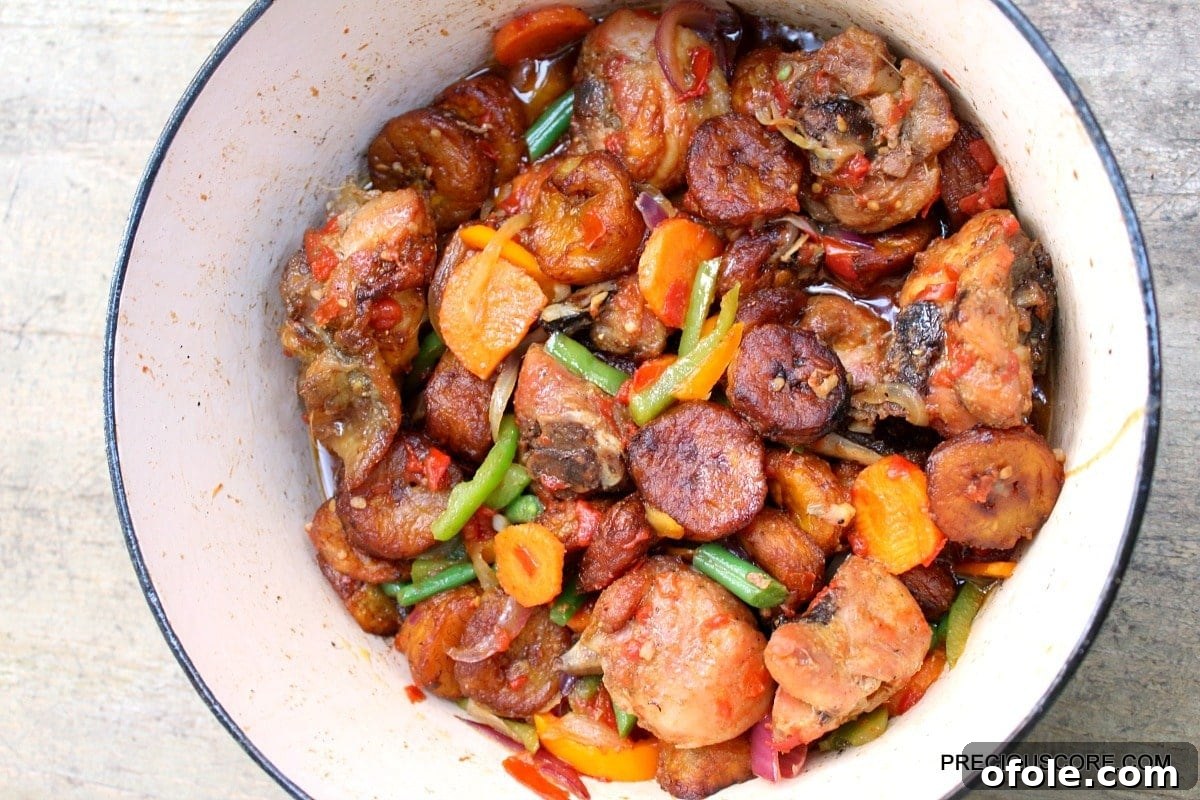
Embark on a culinary journey to the heart of Cameroon with Poulet DG, affectionately known as “CEO Chicken” or “Director General Chicken.” This prestigious dish masterfully blends succulent chicken with sweet, ripe plantains and a medley of fresh vegetables, all enveloped in a rich, aromatic tomato sauce. More than just a meal, Poulet DG is a celebration, a symphony of flavors and textures traditionally reserved for the most esteemed guests and significant occasions.
Whether you’re hosting a special dinner, seeking to impress, or simply craving an authentic taste of West African cuisine, this comprehensive guide will walk you through every step of preparing a truly unforgettable Poulet DG. From understanding its intriguing name to perfecting each cooking stage, you’re about to discover a recipe that will undoubtedly earn a permanent spot in your culinary repertoire.
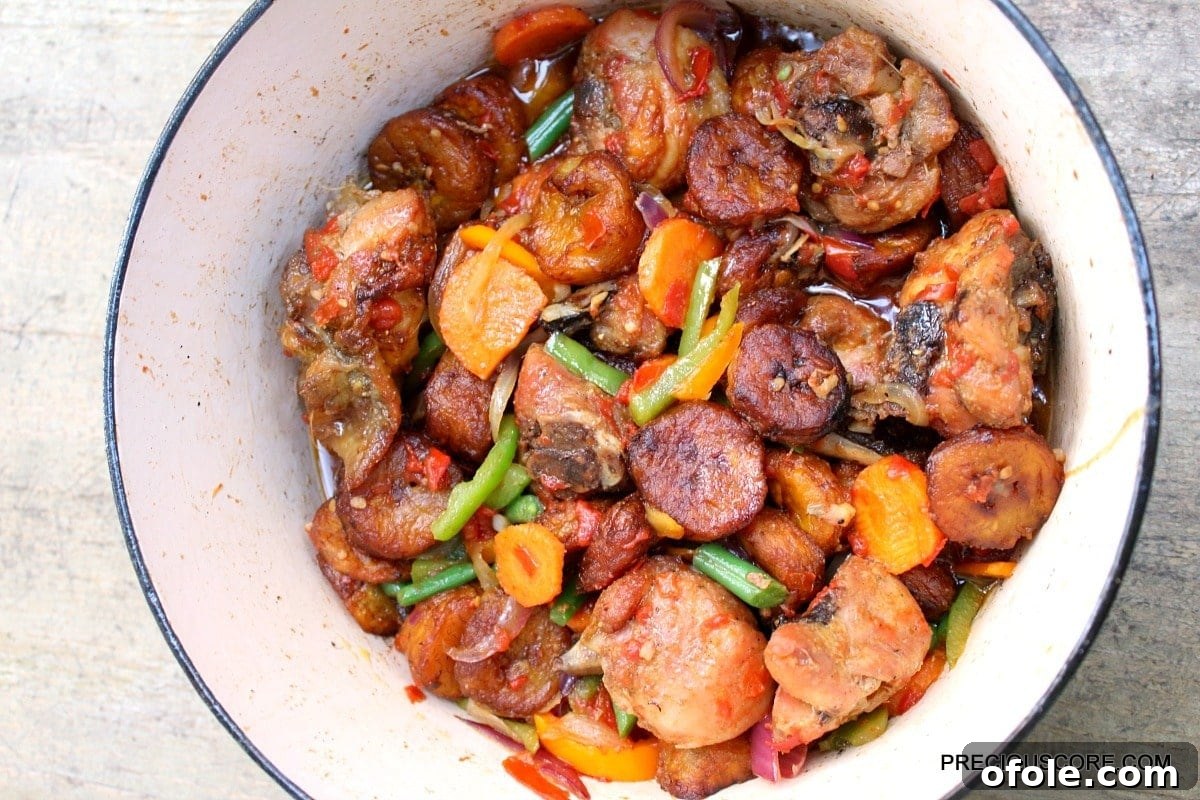
Discover Poulet DG: Cameroon’s Celebrated “CEO Chicken”
The first time I prepared Poulet DG for an international visitor, the reaction was pure delight. My in-law, hailing from a different culture, couldn’t stop praising its exquisite taste. It’s a moment that beautifully encapsulates the magic of Cameroonian cuisine: a fusion of familiar and exotic flavors that consistently captivates palates worldwide. This dish, in particular, has a way of turning first-time tasters into lifelong admirers, fostering an immediate connection with the vibrant culinary traditions of Central Africa.
Poulet DG stands out as a unique and universally beloved meal. Its core appeal lies in the harmonious interplay of tender chicken, perfectly fried ripe plantains, and an array of crisp vegetables, all brought together by a robust, savory tomato-based sauce. This combination is not just delicious; it’s a complete sensory experience that delivers both comfort and excitement with every bite.
Recognizing the special allure of this dish, I’ve meticulously crafted this guide to ensure your success. Alongside detailed step-by-step instructions and vibrant photos, I’ve gathered all the insights needed to make your Poulet DG journey effortless and rewarding. Prepare to create a masterpiece that’s not just special, but truly “must-make-ish.”
The Story Behind the Name: Poulet DG’s Elite Status
The name “Poulet DG” itself carries a fascinating cultural narrative. “Poulet” is simply the French word for chicken. “DG” is an acronym for “Directeur Général,” which translates to “Managing Director” or “CEO” in English. So, Poulet DG literally means “Chicken CEO” – an unusual, yet highly significant name for a dish.
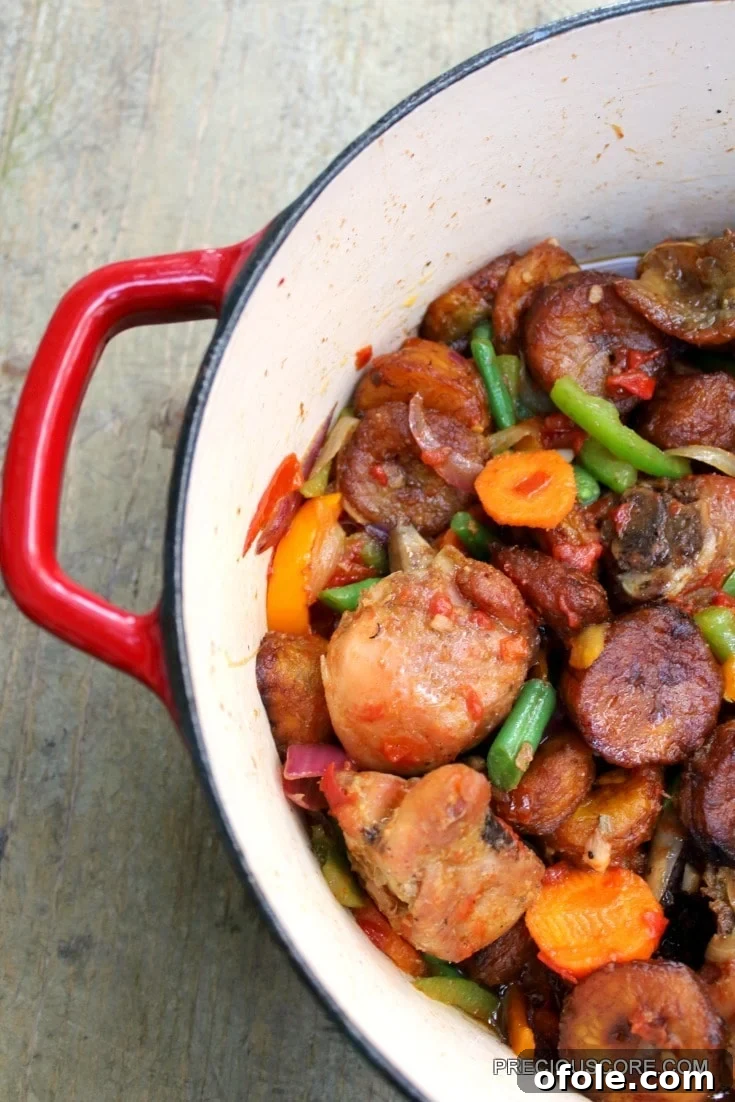
This intriguing nomenclature isn’t arbitrary. Historically, Poulet DG was a dish primarily served to Cameroon’s upper echelons: the managing directors, CEOs, and other prominent figures in society. It was a culinary marker of status, a dish reserved for those “on top.” The reason for this prestigious association lies in the ingredients and the effort required for its preparation. It combines two highly valued components: exquisitely prepared chicken and perfectly fried ripe plantains, bathed in an elaborate, exotic tomato sauce. Beyond its incredible taste, the dish is visually stunning, generously garnished with colorful vegetables like carrots, green beans, and bell peppers. This meticulous attention to flavor, presentation, and premium ingredients elevated Poulet DG to a dish worthy of the most distinguished palates.
The reverence for fried ripe plantains in Cameroonian culture is almost legendary. There’s a playful adage that says “history was made when a ripe plantain touched hot oil,” perfectly capturing the sheer delight and cultural significance of this golden, caramelized staple. When these glorious plantains are combined with tender, seasoned chicken and a rich, vibrant sauce, the result is truly something special—a dish that looks as good as it tastes, embodying both culinary artistry and social prestige.
Why Poulet DG is a Culinary Masterpiece
For many, chicken is a universally loved protein, appearing in countless beloved dishes. Whether it’s the spicy kick of peppered gizzards, the smoky char of chicken suya, the comforting embrace of roasted chicken, or a classic rice and chicken pairing, poultry always brings joy to the table. Poulet DG, however, elevates the experience to an entirely new level. It’s not just another chicken dish; it’s a celebration of flavor that intensifies the love for chicken by a thousandfold.
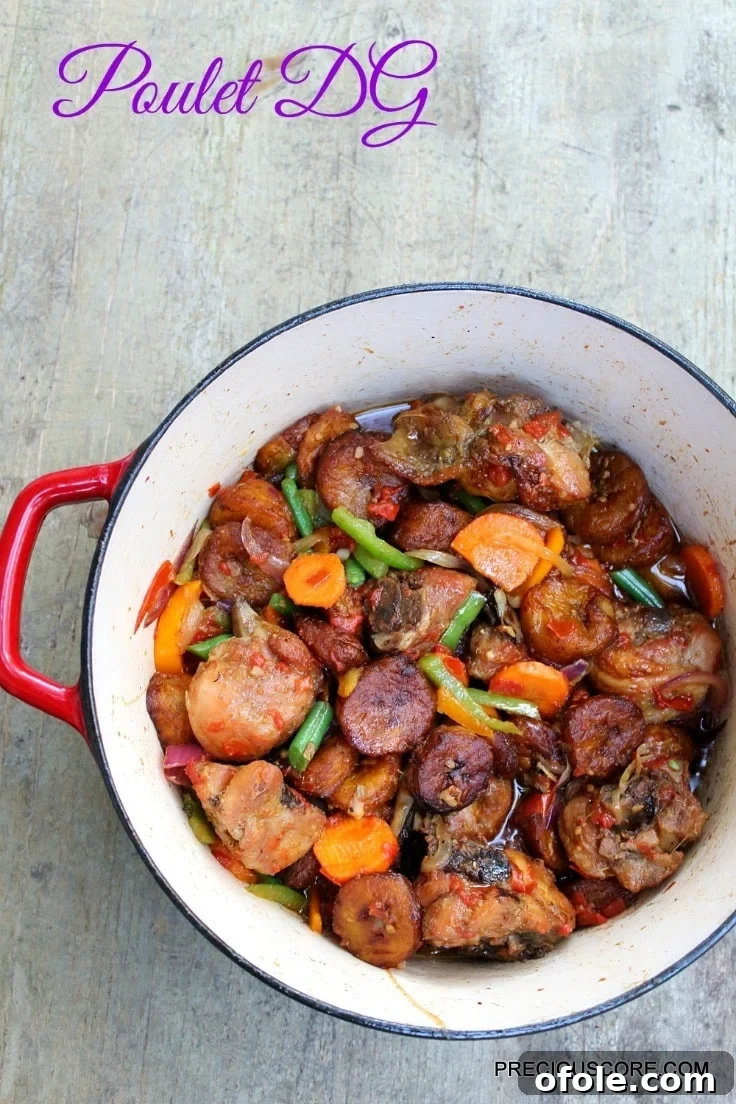
The magic of Poulet DG stems from its aromatic foundations. The chicken is simmered in a complex blend of herbs and spices, infusing it with deep, savory notes before it even meets the sauce. The resulting meal is hearty and robust, offering a magnificent balance of sweet from the ripe plantains and savory from the richly flavored chicken and tomato sauce. This harmonious mélange of well-seasoned chicken and perfectly fried ripe plantains creates a symphony of tastes and textures that simply works. Often affectionately shortened to “DG,” this dish is an absolute must-try for anyone looking to explore the depths of African comfort food. Below, you’ll find the complete recipe and a video to guide you in creating this widely-loved, flavorful experience.
Please continue reading for step-by-step photos and the full printable recipe.
Embrace Healthy Variations Without Sacrificing Flavor
For those mindful of their diet or seeking lighter options, Poulet DG can be easily adapted without compromising its exquisite taste. Instead of ripe plantains, which are naturally sweeter, you can opt for unripe (green) plantains. These offer a firmer texture and a less sweet profile, making them an excellent choice for a healthier twist. Furthermore, while deep-frying chicken is traditional, oven-grilling offers a fantastic alternative. Grilling achieves a beautiful golden crust and locks in the chicken’s juices, imparting a rich flavor with significantly less oil. Indeed, I often prefer to oven-grill my chicken, finding it consistently delicious and a healthier option for everyday enjoyment.
Gathering Your Essential Ingredients for Authentic Poulet DG
To create an authentic and delicious Poulet DG, selecting the right ingredients is key. Here’s what you’ll need to assemble:
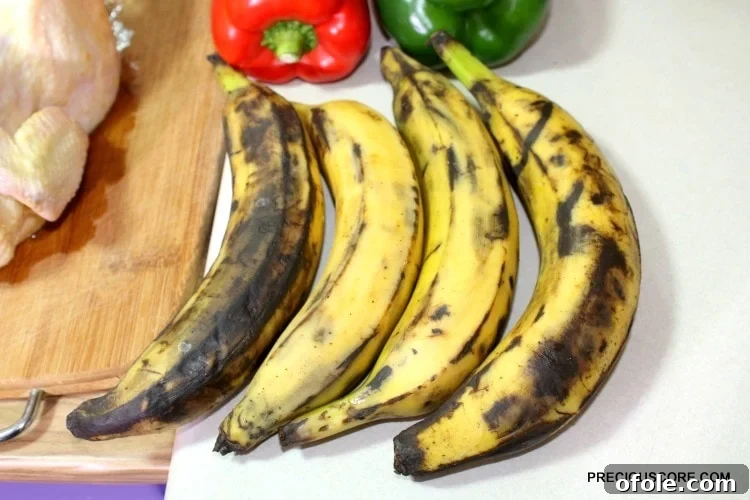
Ripe Plantains: The star alongside the chicken, you’ll need ripe plantains. Crucially, they should be firm to the touch, not overly soft or mushy, as overripe plantains can lose their shape and compromise the dish’s texture. Aim for plantains with a deep yellow skin, possibly with some black spots, indicating perfect ripeness.
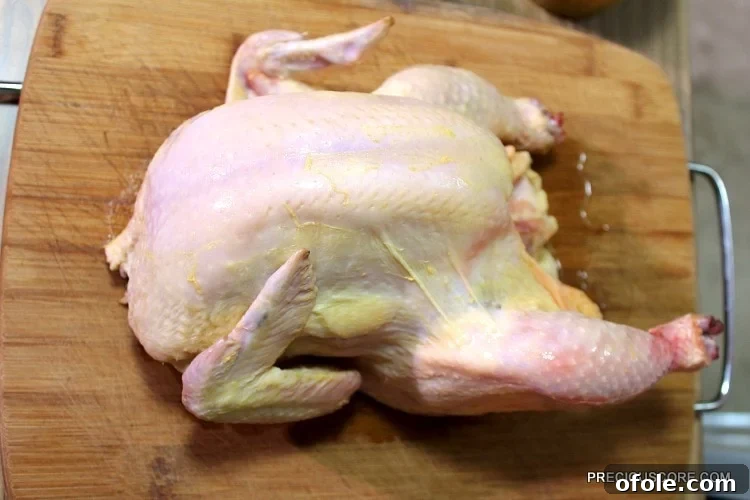
Whole Chicken: A whole chicken, ideally around 5 pounds (2.5 kg), will provide the perfect amount of meat. Alternatively, you can use chicken pieces such as thighs or drumsticks, known locally as “condi for fowol,” if you prefer specific cuts.
Fresh Tomatoes: Select plump, red, and juicy tomatoes for the sauce base. Their freshness is vital for a vibrant, flavorful sauce.
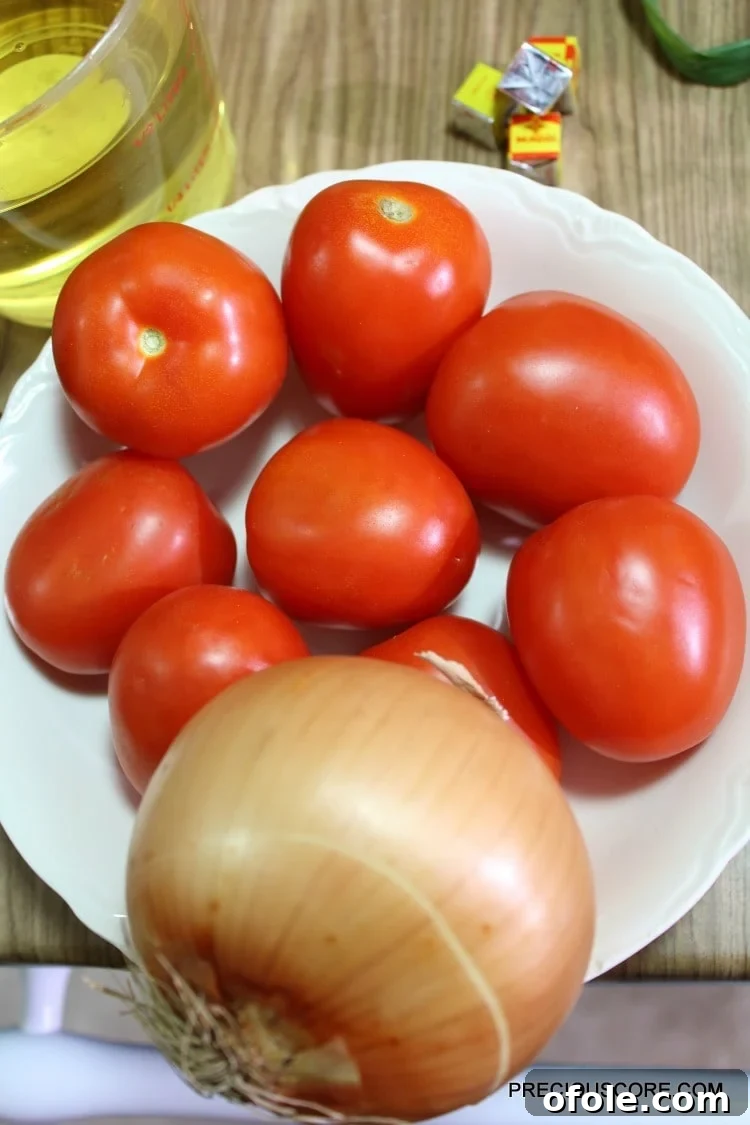
Seasoning Essentials: You’ll need cooking oil (vegetable oil is common), and seasoning cubes, often referred to as “Maggi.” These bouillon cubes are a staple in West African cooking, adding a depth of umami flavor.
Aromatic Spices and Herbs: A blend of fresh garlic, ginger, and celery will form the aromatic backbone of the dish, infusing the chicken and sauce with their distinctive fragrances.
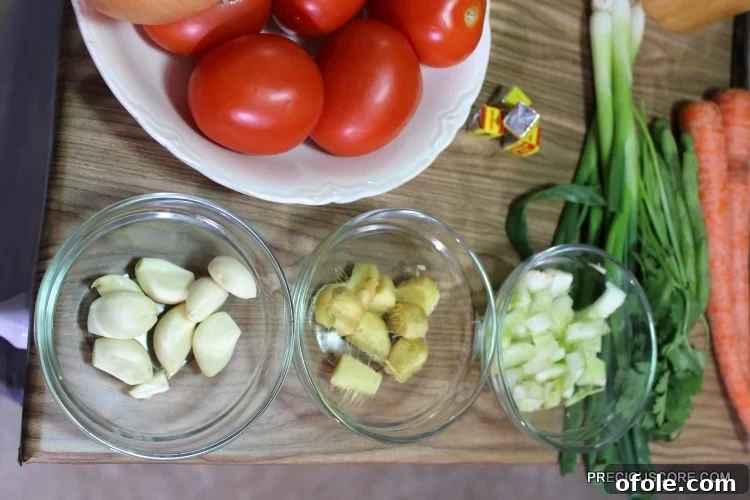
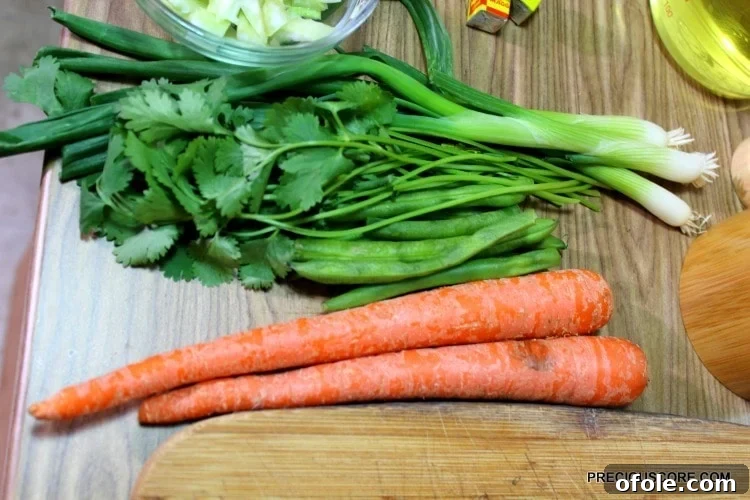
Vibrant Vegetables: For color, texture, and nutritional value, a selection of fresh vegetables is indispensable. Typically, this includes carrots, green beans, and bell peppers. Green onions also add a fresh, pungent note.
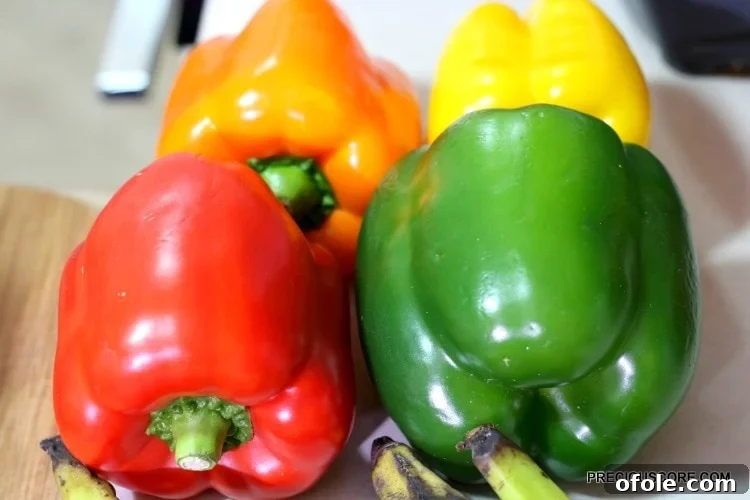
Bell Peppers: While a single bell pepper works, using a quarter of each colored bell pepper (red, green, orange, yellow) will create a visually stunning dish. If variety isn’t available, a large green bell pepper will still yield a delicious result.
Step-by-Step: Crafting Your Perfect Pot of Poulet DG
1. Prepare the Aromatic Spice Blend and Chicken
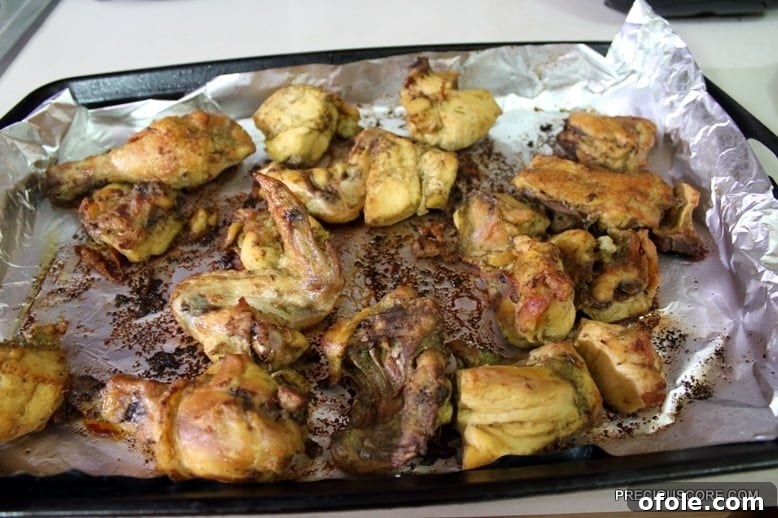
Begin by cutting your whole chicken into manageable pieces. In a blender, combine a robust blend of garlic, ginger, green onions, celery, and half of your main onion. Add a touch of water to facilitate blending and process until a smooth, fragrant paste forms. Place the chicken pieces into a large pot. Season them generously with salt, seasoning cubes (Maggi), white pepper, and about three-quarters of your freshly prepared spice blend. Add approximately one cup of water, cover the pot, and bring it to a boil. Allow the chicken to simmer until it is thoroughly cooked and tender, usually around 20 minutes. Once cooked, carefully remove the chicken from the pot, reserving the flavorful stock—this liquid gold will be crucial for your sauce. For an extra layer of flavor and a beautiful golden crust, you can either grill the chicken in an oven for a few minutes (a healthier option) or deep-fry it until perfectly golden brown.
2. Perfectly Fry the Plantains
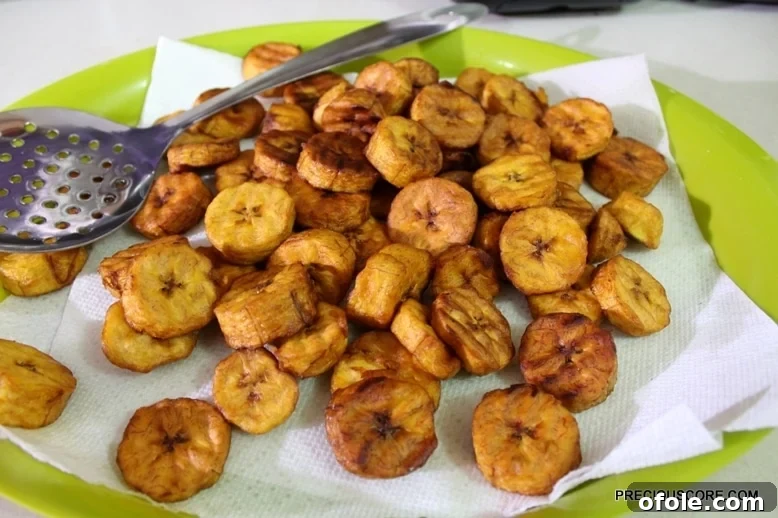
While your chicken is cooking, prepare the plantains. Peel the ripe plantains and slice them into your preferred shapes; circles are a classic choice. In a separate pot, heat a generous amount of vegetable oil over medium heat. Once the oil is hot, carefully deep-fry the plantain slices until they turn a beautiful golden brown and are tender but still hold their shape. Fry in batches if necessary to avoid overcrowding the pot, which can lower oil temperature and lead to soggy plantains. Once fried, transfer them to a plate lined with paper towels to drain any excess oil.
3. Develop the Rich Tomato Sauce
Finely chop the remaining onion and roughly blend your tomatoes until they form a coarse puree. Using the same pot where you fried the plantains, remove most of the oil, leaving just a few tablespoons. Heat this oil over medium-high heat. Sauté the chopped onions for a few seconds until fragrant and translucent. Then, add the blended tomatoes to the pot. Fry the tomato mixture, stirring occasionally, until the raw, acidic taste of the tomatoes dissipates and the sauce deepens in color. This process typically takes about 10-15 minutes and is crucial for developing the rich base flavor of your Poulet DG.
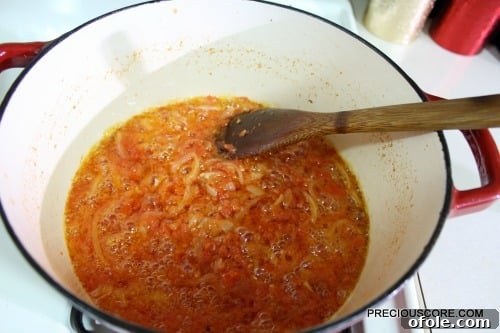
4. Combine and Simmer to Perfection
Once the tomato sauce is perfectly cooked, pour in the reserved chicken stock. Stir thoroughly to combine all the flavors. Next, introduce the grilled or fried chicken pieces into this fragrant sauce, ensuring each piece is beautifully coated. Allow the chicken to simmer gently in the sauce for a few minutes, absorbing all the wonderful flavors. This flavorful sauce, by the way, is incredibly versatile and pairs wonderfully with plain boiled rice, much like my popular Epic Liver Sauce—a definite must-try!
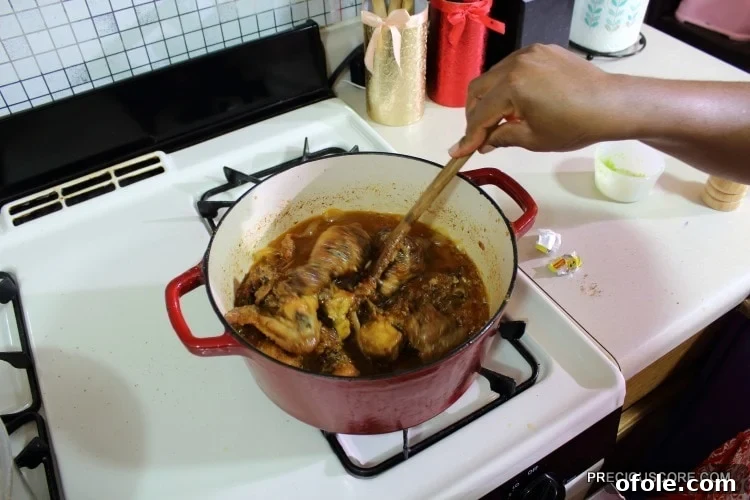
Now, gently add the golden-fried plantains to the pot, nestling them among the chicken and sauce.
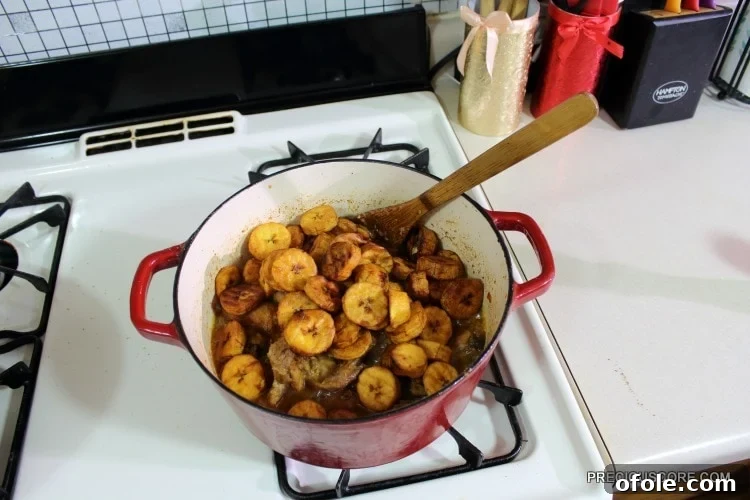
5. Incorporate Fresh Vegetables for Color and Crunch
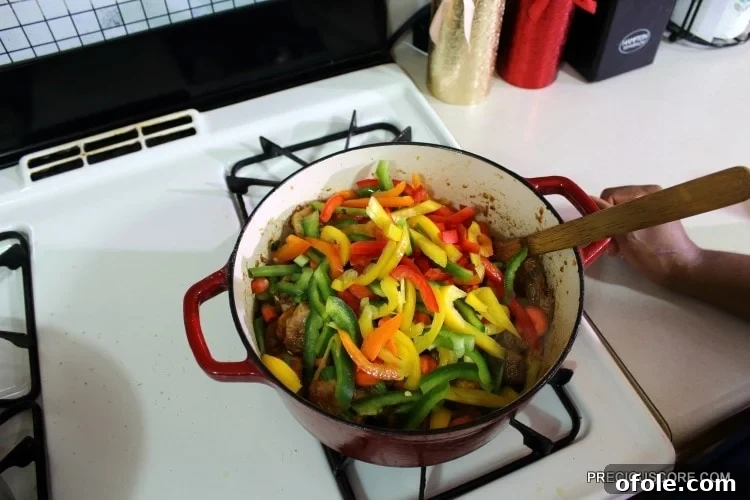
Gently stir the plantains into the chicken and tomato sauce, allowing them to meld together. By this stage, you should have already chopped your vegetables—carrots, green beans, bell peppers, and green onions. Preparing these while the tomatoes are frying is an excellent way to streamline your cooking process. These fresh vegetables not only add vibrant color and essential nutrients but also a delightful crunch that contrasts beautifully with the tender chicken and soft plantains. They are crucial for both the aesthetic appeal and the balanced texture of Poulet DG.
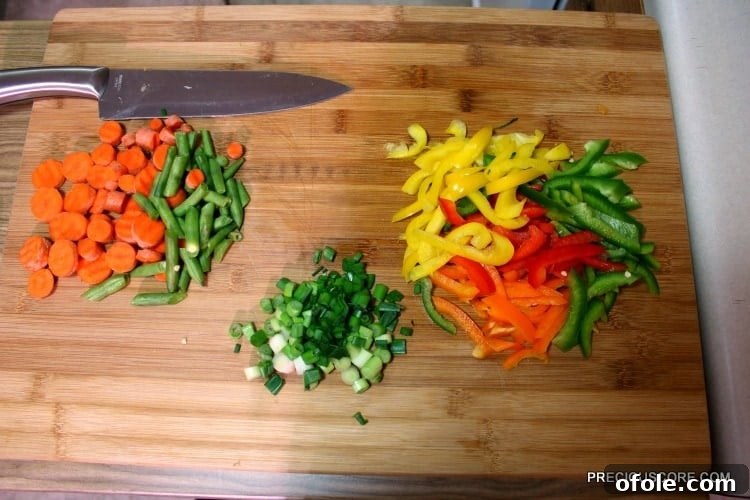
Add the chopped carrots, green beans, and bell peppers to the pot.
6. Final Touches and Seasoning
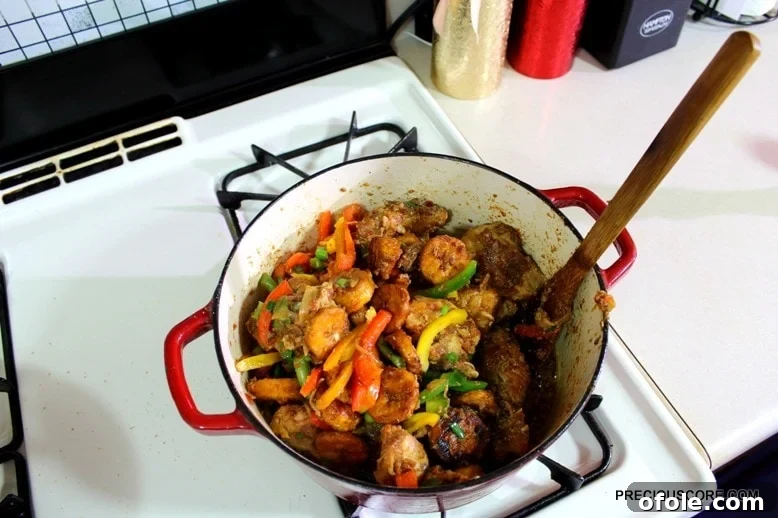
Give the entire dish a gentle yet thorough mix, ensuring all ingredients are evenly distributed and coated in the rich sauce. Be mindful not to over-stir, especially to keep the plantains from becoming mushy. If the Poulet DG appears too dry, add a couple of tablespoons of water to achieve the desired consistency and moisture. Taste the dish and adjust the seasoning as needed to ensure it’s absolutely perfect – a symphony of sweet, savory, and aromatic notes. Allow everything to simmer together for just two more minutes to warm through and marry the flavors. Then, turn off the heat. This brief simmering time preserves the crispness and fresh vibrant colors of your vegetables, which is a key characteristic of authentic Poulet DG. If you prefer your vegetables softer, you may extend the simmering time by a few more minutes.
Serving Suggestions for Your Grand Poulet DG
Once your Poulet DG is ready, serve it warm and prepare for a truly grand dining experience. This dish, often associated with important gatherings and high-ranking individuals, is best enjoyed with a sense of occasion. While savoring this exquisite meal, you might find yourself in conversations about ambitious plans, significant projects, or exciting ventures, truly embracing the “CEO Chicken” spirit. Pair your Poulet DG with a chilled glass of your favorite juice, a refreshing non-alcoholic beverage, or a fine wine to complement its rich flavors. Regardless of the accompaniment, the main focus should be on relishing every flavorful bite of this unforgettable Cameroonian delicacy.
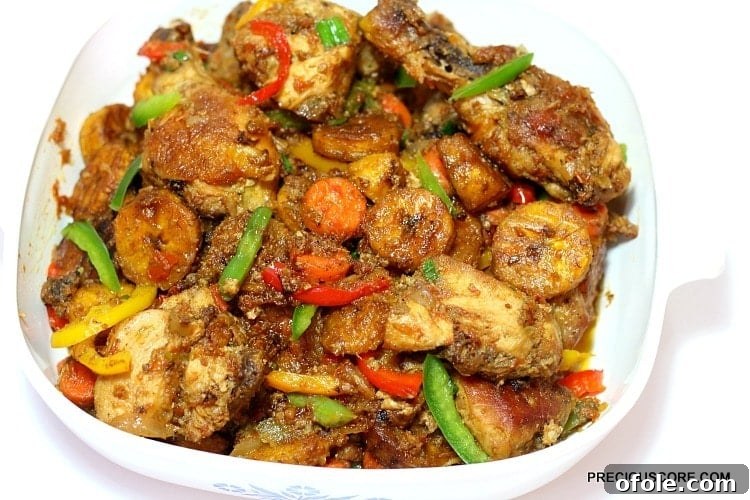
Truly, if there’s a dish more satisfying and memorable than Poulet DG, I have yet to discover it. This isn’t just a meal; it’s a culinary experience that leaves a lasting impression. If you believe otherwise, I invite you to share your culinary gems, and I’ll be eager to explore! In the meantime, when it’s time to eat, make it an event, make it memorable. Make it Poulet DG! The full printable recipe is provided below for your convenience.
More Delicious Cameroonian Recipes
Cameroon Jollof Rice Recipe: Easy Method
Cameroonian Pepper Soup
Cameroonian Soya Without Skewers
CAMEROONIAN COCONUT RICE
If you make this recipe, please leave a star rating below. Your rating helps others find the recipe, and I love hearing from you! Thank you!
Poulet DG
Pin Recipe
Rate
Print Recipe
Ingredients
- 4 large ripe plantains they should neither be too soft nor too hard
- 1 onion – chopped
- 1 whole chicken (about 5 pounds or 2.5 kg)
- 8 medium tomatoes – blended
- 1 inch ginger root (peeled and roughly chopped)
- 8 garlic cloves – peeled
- 1/2 teaspoon ground white pepper
- 4 small seasoning cubes (Maggi)
- 1 celery stalk – roughly chopped
- 3 stems of green onions
- 8 stems of parsley – or cilantro
- 2 medium carrot – or 1 large
- 1 handful of green beans
- 1 bell pepper – or 1/4 each of 4 coloured bell peppers
- 2 cups vegetable oil
- 1 teaspoon salt
- 1 habanero (hot) pepper optional
Instructions
-
The first thing you need to do is make your spice blend. So combine all the garlic, ginger, celery, parsley, hot pepper (optional) and half of the onion in a blender. Add in half a cup of water and blend to a paste.
-
Rinse your chicken well, pat it dry then cut it up. Place chicken slices in a pot. Add in 3/4 of the spice blend, half a teaspoon of salt, 2 seasoning cubes, half of the white pepper and a cup of water. Cover and let it cook on medium-high heat for 20 minutes.
-
While the chicken cooks, put oil in another pot and heat on medium. Cut plantain into circles and deep fry until golden brown. Depending on the size of your pot, you may need to fry the plantains in two badges.
-
When chicken is done, remove from stock and place on a prepared baking tray. (You prepare the tray by lining with aluminium foil and rubbing oil on it). Keep the stock aside for later use. Now place in the oven at 400 degrees F (about 200 degrees C) to grill for about 15 minutes or until golden brown.
-
Go the pot where you fried the plantains and take away more than half of the oil to keep (you won’t need all of the oil for the final meal) Now place the remaining oil in the pot on the stove to heat up on medium-high heat.
-
When the oil is hot, put in all the remaining onions to saute. Then add in the tomatoes and cook until it no longer tastes sour. Be sure to stir from time to time. As the tomato cooks, chop the carrots, green beans, bell peppers and green onions.
-
Add in the rest of the spice blend and let it cook for 2 minutes. Then add in chicken stock, remaining seasoning cubes and white pepper. Stir well and let them simmer together for two minutes.
-
Add in chicken and stir well. Add in fried plantains, then stir well too. Finally, add in the chopped vegetables and give it a good mix, being careful not to render the plantains mushy. If it looks too dry at this point, add a couple tablespoons of water to make it moist. Allow everything on the fire for two minutes then turn the flames off. It is done. This leaves your vegetables crisp and fresh, which I like. However, if you like your veggies cooked then you could leave them on the fire for a couple more minutes.
-
Serve warm and enjoy with a glass of juice or something because this meal is just too special!
Notes
Nutrition
Additional Info
Tried this recipe?Mention @preciouscore or tag #PreciousCore!