
 |
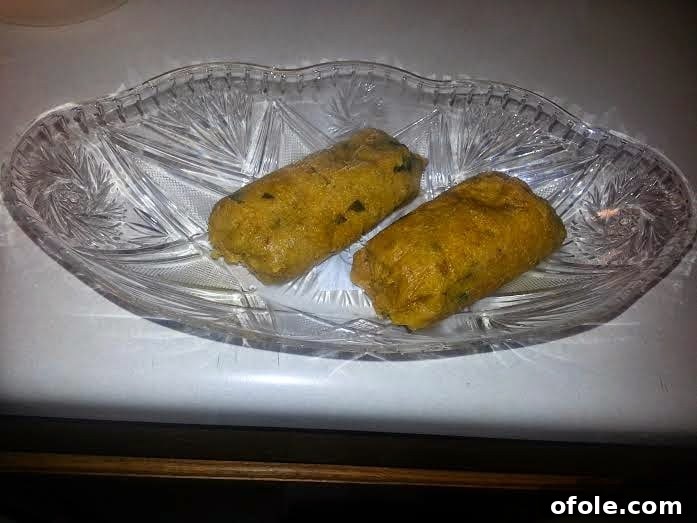
Kwacoco Bible: An Authentic Cameroonian Delicacy |
Welcome to a culinary journey where we explore the vibrant flavors and rich traditions of African cuisine, alongside delightful dishes from around the globe. As an avid cook who finds immense joy and solace in the kitchen, I am thrilled to share my culinary adventures with you. People often tell me my passion translates into delicious meals, and I believe that truly good food is a testament to love and creativity. This blog is my canvas, and each recipe a story waiting to be told. To kick things off, I couldn’t think of a better dish to introduce than one that holds a special place in my heart and palate: the incredible Kwacoco Bible.
Discovering Kwacoco Bible: A Personal Culinary Revelation
While Kwacoco Bible wasn’t a regular feature on my family’s dining table during my early years, my path crossed with this remarkable dish in the most memorable of settings. It was during my time studying at the Presbyterian Comprehensive Secondary School in Buea, a vibrant town nestled at the majestic foot of Mount Fako in the South West Region of Cameroon. This region is the homeland of the Bakweri people, who are renowned for their culinary heritage, with Kwacoco Bible being one of their most celebrated contributions.
My initiation into the world of Kwacoco Bible was an endearing, almost clandestine affair. Every evening, after the solemn school devotion, our beloved night watchman, affectionately known as ‘Pa Washi,’ would arrive with his clandestine bounty. These weren’t just any Kwacoco; they were exquisitely prepared, brimming with robust, peppery flavors, undoubtedly crafted with love by his wife. For a mere 100 CFA francs (approximately 0.16 USD today, but a substantial treat back then), we would scramble, eager to secure at least one precious lump of this goodness. It was through these nightly rituals that I, along with many of my schoolmates, developed an enduring love affair with what we fondly nicknamed ‘kwacs.’
The intriguing name, “Kwacoco Bible,” often sparks curiosity. Why ‘Bible’? To this day, the exact origin remains a charming mystery, even to many locals. Some speculate it refers to the way it’s wrapped, resembling a book, or perhaps its wholesome, almost sacred status in Bakweri culture. Whatever the reason, the name adds an extra layer of mystique to an already captivating dish.
The Universal Appeal of Cameroonian Kwacoco Bible
Over the years, I’ve come to realize that the allure of Kwacoco Bible transcends geographical and cultural boundaries. It’s not just a Cameroonian delight; it’s a dish with universal appeal. I recall a delightful instance when I shared some slices with a Ugandan friend and her children. Their excited scramble for more was all the proof I needed. This experience cemented my belief that you don’t need to be from Cameroon to appreciate the unique flavors and comforting warmth of Kwacoco Bible. It’s a testament to the power of food to connect people, regardless of their background.
Are you ready to embark on this culinary adventure? Let’s dive into the authentic recipe for Kwacoco Bible, a traditional Cameroonian dish that promises to tantalize your taste buds and transport you to the heart of West African flavors!
Mastering the Kwacoco Bible Recipe: Your Guide to Authentic Flavors
Essential Ingredients for Kwacoco Bible: What You’ll Need
Creating an authentic Kwacoco Bible requires a careful selection of ingredients that contribute to its distinctive taste and texture. Each component plays a vital role in building the layered flavors of this beloved Cameroonian dish. Here’s what you’ll need, along with some insights into each:
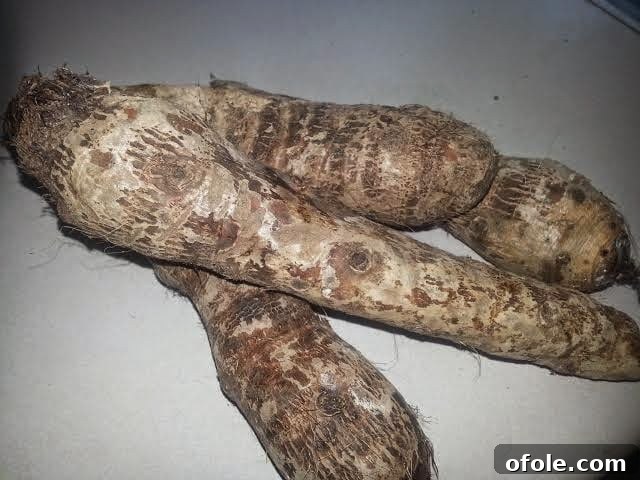
- 4 Medium-Sized Cocoyams (Taro): The star of our dish! Cocoyams, also known as taro, are starchy root vegetables that provide the foundational texture and a slightly earthy flavor. Choose firm, unblemished cocoyams for the best results. They are widely available in African, Asian, and international markets.
- A Quarter Liter Palm Oil: This is crucial for both the vibrant reddish-orange color and the rich, characteristic flavor of Kwacoco Bible. Opt for unrefined red palm oil for the most authentic taste and nutritional benefits.
- A Quarter Cup of Crayfish (Ground): Ground crayfish adds a deep, savory umami flavor that is indispensable in many West African dishes. It provides a significant depth of flavor, enhancing the overall taste profile.
- Smoked Fish: Any type of robust smoked fish (e.g., mackerel, tilapia) will work beautifully. Ensure it’s deboned and flaked. The smoky notes add a layer of complexity and a traditional touch to the dish.
- Spinach Leaves / Potato Leaves: Traditionally, Kwacoco Bible is often made with cocoyam leaves, which are tender and flavorful. However, these can be hard to find outside of certain regions. Spinach leaves or sweet potato leaves are excellent, easily accessible substitutes that offer a similar texture and mild, earthy flavor. Make sure they are washed thoroughly and finely chopped.
- 2 Maggi Cubes (or similar bouillon cubes): These flavor enhancers are a staple in West African cooking, adding a concentrated savory note. Adjust according to your preference and the saltiness of your smoked fish.
- Salt to Taste: Essential for balancing and bringing out all the flavors. Start with a small amount and adjust after tasting the mixture.
- 1 Habanero Pepper (or Scotch Bonnet): For that signature West African kick! Adjust the amount based on your spice tolerance. If you prefer a milder flavor, you can use less or remove the seeds.
- Plastic Wraps and Aluminum Foil: These are for wrapping the individual portions for steaming. They create a sealed environment that cooks the Kwacoco perfectly.
- Preferably Banana or Plantain Leaves to Wrap: For an truly authentic experience and a subtle, aromatic infusion, banana or plantain leaves are the traditional choice. They impart a wonderful natural aroma to the Kwacoco and are biodegradable. If you can source them, they are highly recommended over plastic and foil.
Step-by-Step Kwacoco Bible Preparation: From Root to Plate
Follow these detailed instructions to create your own delicious Kwacoco Bible. The process is straightforward, but attention to detail will ensure the best results:
Step 1: Preparing the Cocoyams
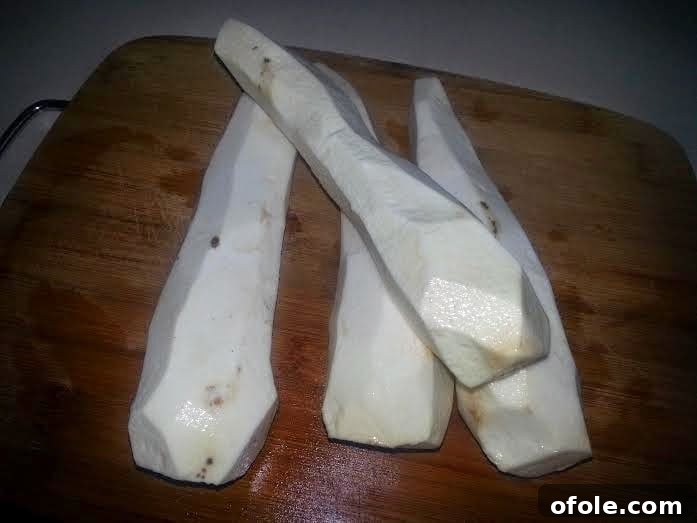
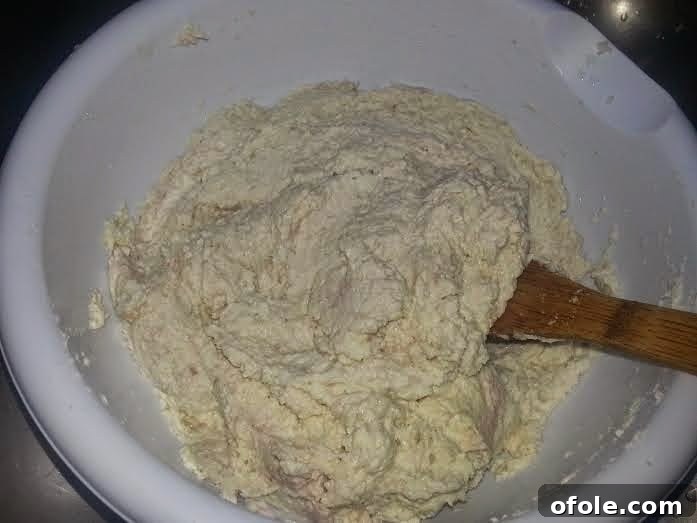
Begin by carefully peeling the cocoyams. Cocoyams can sometimes irritate the skin, so wearing gloves is advisable. Once peeled, wash them thoroughly. The next crucial step is to grate them into a smooth, consistent paste. You can use a fine grater for a traditional texture, or for a quicker and equally effective method, a food processor can achieve a silky-smooth consistency. Ensure there are no lumps, as this will affect the final texture of your Kwacoco Bible.
Step 2: Combining the Flavors
Once your cocoyam paste is ready, transfer it to a large mixing bowl. Now, it’s time to incorporate the heart of Kwacoco Bible’s flavor profile. Add all the ingredients to the grated cocoyams, *except* for the palm oil. This includes the finely ground crayfish, the flaked smoked fish (ensure it’s deboned), the chopped spinach or potato leaves, the crumbled Maggi cubes, your habanero pepper (finely chopped or blended, depending on your preference for heat distribution), and salt to taste. Mix everything thoroughly. Use your hands for this step to ensure all ingredients are evenly distributed throughout the cocoyam paste. This initial mix sets the stage for a homogenous flavor in every bite.
Step 3: The Palm Oil Infusion
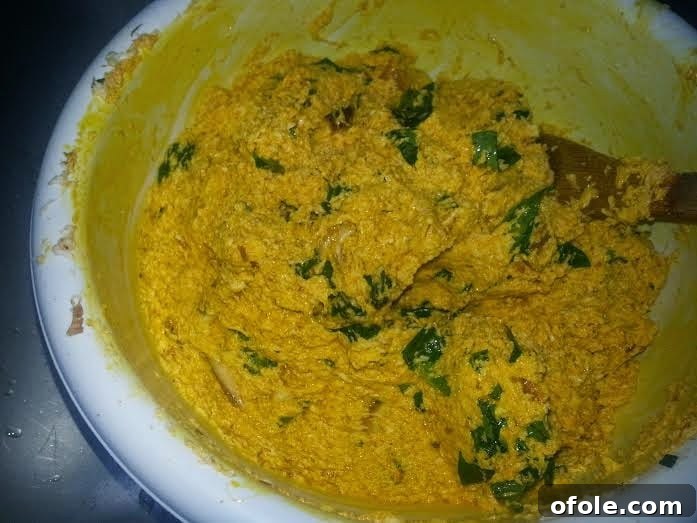
The palm oil is added last to ensure even distribution and to achieve that beautiful, characteristic color. Gently warm the quarter liter of palm oil in a small pan over low heat until it’s just warm and becomes more fluid. Be careful not to overheat it. Once warm, carefully pour the palm oil over the cocoyam mixture. Mix everything again, very vigorously, until the color of the entire mixture is uniform and has transformed into a rich, appealing reddish-orange hue. This step is not just about color; the warmth of the oil helps to release its flavor and integrate it seamlessly with the other ingredients.
Step 4: Crafting the Wraps
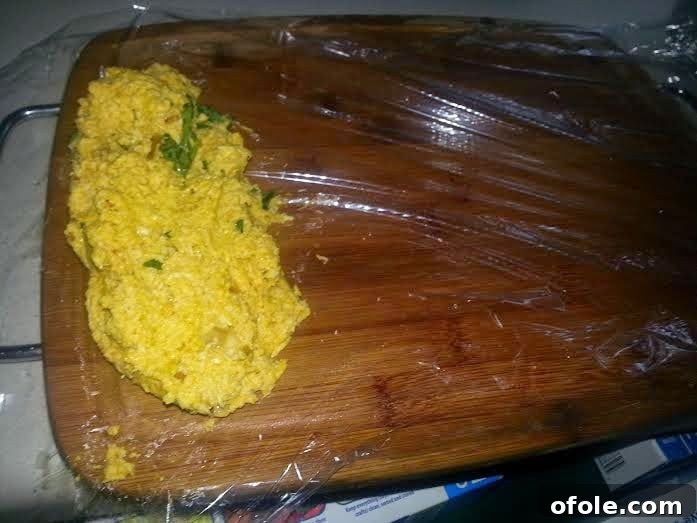
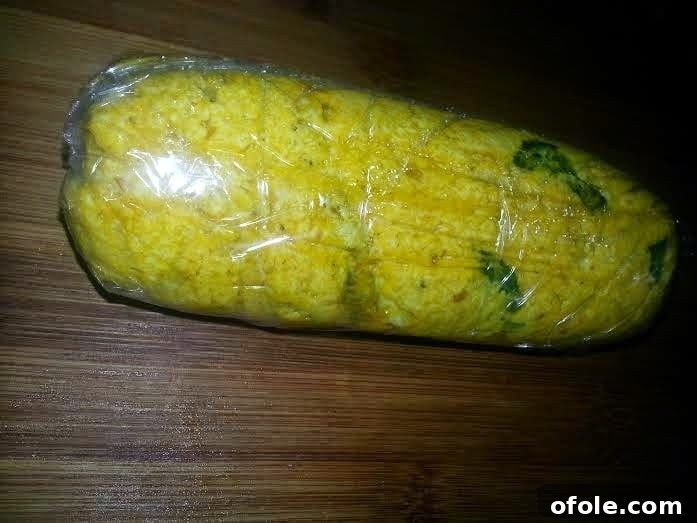
Now comes the art of wrapping. This process ensures individual portions are cooked perfectly and retain their shape. If you are using traditional banana or plantain leaves, gently wilt them over a flame or by dipping them in hot water to make them pliable. Cut them into appropriate sizes, about 8×8 inches. Spoon a generous amount of the Kwacoco mixture (about 2-3 spoonfuls) onto the center of each leaf. Fold the leaf carefully to create a secure, compact parcel. If you are using plastic wrap and aluminum foil, place a piece of plastic wrap on a flat surface, spoon the mixture onto it, wrap tightly, and then wrap again in aluminum foil for extra security during steaming. The goal is to create tightly sealed parcels that prevent water from entering during cooking and keep the Kwacoco moist and flavorful.
Step 5: The Steaming Process
Prepare your steaming pot. For traditional methods, place some larger pieces of foil paper or additional banana leaves at the bottom of the pot. This creates a protective layer and prevents the Kwacoco wraps from directly touching the bottom, which could lead to burning. Arrange all your Kwacoco parcels neatly inside the pot. Add enough water to the pot to come up about halfway the height of the bottom-most parcels, but ensure the water level does not submerge the parcels. The Kwacoco will cook through steam, not by boiling in water. Cover the pot tightly and bring the water to a boil, then reduce the heat slightly to maintain a steady, high steam. Steam for approximately one hour. It’s crucial to check the water level periodically and add more hot water if it starts to dry up, preventing the pot from boiling dry and scorching your dish. The Kwacoco is done when it feels firm to the touch and has a distinct, cooked aroma.
Serving Suggestions and Cultural Context of Kwacoco Bible
Once your Kwacoco Bible is perfectly steamed, carefully unwrap each parcel. The aroma alone is enough to make your mouth water! This versatile dish can be enjoyed in numerous ways. It is often served as a standalone meal, especially during lunch or dinner, offering a satisfying and nutritious experience. However, to truly elevate the dining experience, pair your Kwacoco Bible with some traditional Cameroonian accompaniments.
A fiery pepper sauce is a classic companion, providing a wonderful contrast to the rich, earthy flavors of the cocoyam. You can also serve it alongside a light stew, perhaps with some tender chicken or fish, to add another layer of flavor and texture. For a complete meal, many enjoy Kwacoco Bible with roasted fish or grilled meat, making it a staple at family gatherings and celebrations.
In Cameroon, Kwacoco Bible is more than just food; it’s a symbol of comfort, tradition, and community. It’s a dish that brings people together, shared over lively conversations and hearty laughter. While the recipe provided is a traditional take, feel free to experiment with slight variations. Some people might add different types of smoked seafood, or vary the amount of pepper to suit their heat preference. The beauty of traditional recipes lies in their adaptability, allowing each cook to leave their unique mark.
Kwacoco Bible: Frequently Asked Questions (FAQ)
Here are some common questions about Kwacoco Bible to help you better understand this fantastic dish:
- What is Kwacoco Bible?
Kwacoco Bible is a traditional Cameroonian dish primarily made from grated cocoyams (taro), mixed with red palm oil, smoked fish, crayfish, spices, and leafy greens. It is then wrapped (traditionally in banana or plantain leaves) and steamed until firm and cooked through. - Why is it called “Kwacoco Bible”?
The exact origin of the “Bible” in its name is not definitively known, even among Cameroonians. Some theories suggest it refers to its resemblance to a folded book when wrapped in leaves, or perhaps its revered status as a wholesome, staple food. - Can I use sweet potatoes or regular potatoes instead of cocoyams?
No, cocoyams (taro) are essential for the unique texture and flavor of Kwacoco Bible. Sweet potatoes or regular potatoes have different starch compositions and will not yield the same creamy, yet firm consistency. - Where can I find banana or plantain leaves for wrapping?
These leaves are commonly found in African, Asian, and Latin American grocery stores. They are often sold frozen or fresh in the produce section. If unavailable, plastic wrap and aluminum foil are suitable alternatives, though they won’t impart the same subtle aroma. - How long does cooked Kwacoco Bible last?
Properly stored in an airtight container in the refrigerator, Kwacoco Bible can last for 3-4 days. It can be reheated gently by steaming or in a microwave. - Is Kwacoco Bible typically spicy?
Yes, traditional Kwacoco Bible often has a noticeable kick from habanero or Scotch bonnet peppers. However, you can adjust the amount of pepper to suit your personal spice preference, or omit it entirely for a milder version. - Is Kwacoco Bible suitable for vegetarians or vegans?
The traditional recipe includes smoked fish and crayfish. For a vegetarian version, you can omit these and enhance the flavor with smoked paprika, mushrooms, or plant-based umami boosters. For a vegan version, ensure no animal-derived ingredients are used in bouillon cubes.
Visual Guide to Kwacoco Bible Preparation
Sometimes, seeing is believing, and for a traditional dish like Kwacoco Bible, a visual guide can make all the difference. These images illustrate key steps in the preparation process, from the raw ingredients to the beautifully cooked parcels. They serve as a helpful companion to the written instructions, ensuring you achieve perfect results every time. Observe the textures, the vibrant colors, and the traditional wrapping methods as you follow along with your own culinary creation.
Freshly grated cocoyams, the foundation of Kwacoco Bible.
Mixing the essential ingredients into the cocoyam paste.
Adding the characteristic red palm oil for a vibrant hue.
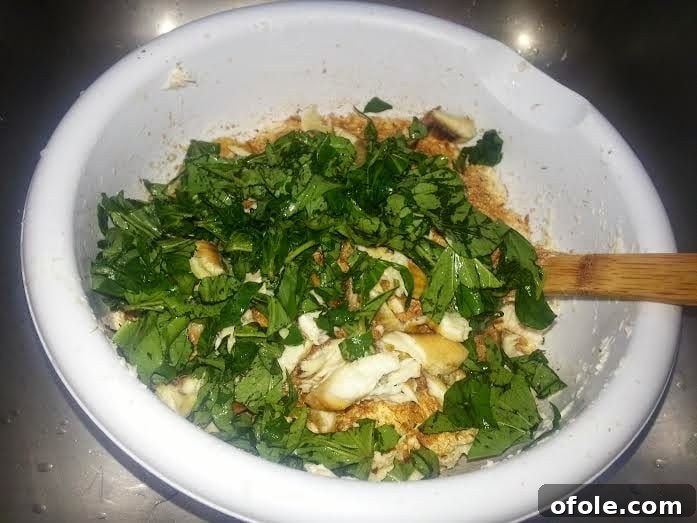
The beautifully uniform mixture, ready for wrapping.
The intricate process of wrapping Kwacoco in traditional leaves.
The perfectly sealed parcels, placed in the pot for steaming.
Steaming underway, transforming the mixture into a firm delicacy.
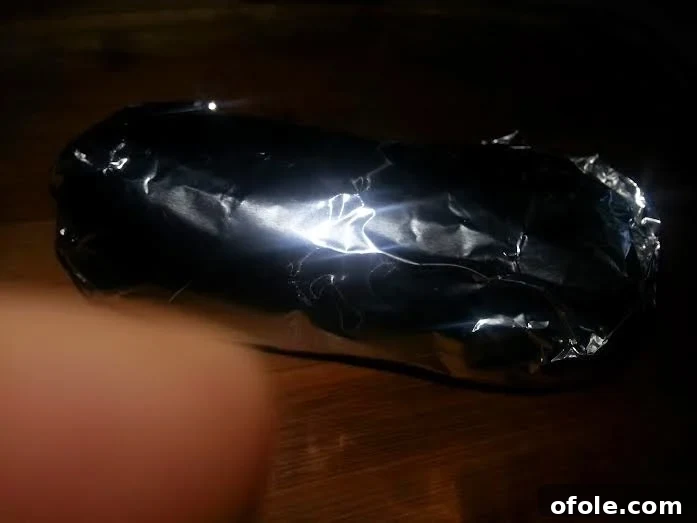
The final product: tender, aromatic Kwacoco Bible.
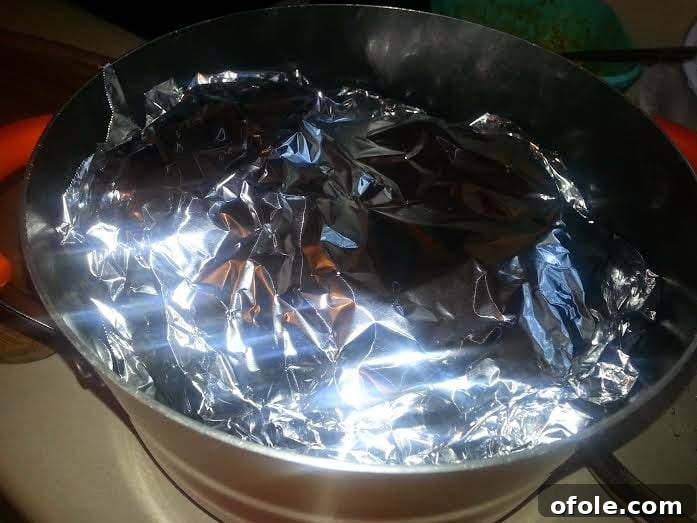
A glimpse into the delightful texture of the steamed Kwacoco.
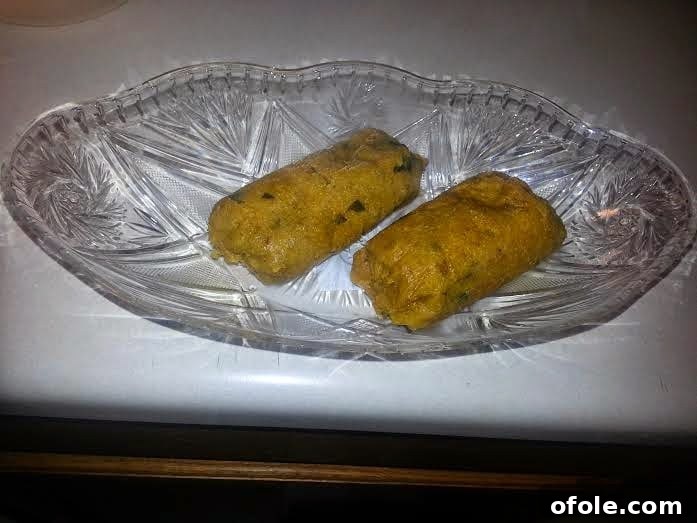
Ready to be savored: Kwacoco Bible, a true taste of Cameroon.
Your Culinary Adventure Awaits: Try This Kwacoco Bible Recipe Today!
Now that you have the detailed recipe and a glimpse into its preparation, it’s your turn to bring the flavors of Cameroon into your kitchen. Kwacoco Bible is more than just a meal; it’s an experience, a journey through rich culinary traditions, and a testament to the simple yet profound joy of homemade food. Whether you’re a seasoned cook or a curious beginner, this recipe is designed to be accessible and rewarding.
I encourage you to gather your ingredients, follow these steps, and immerse yourself in the delightful process of creating this authentic African delicacy. Once you’ve had a taste of your homemade Kwacoco Bible, I would absolutely love to hear about your experience! Share your cooking adventures, your successes, and any personal twists you might add in the comments below. Bon Appétit!