
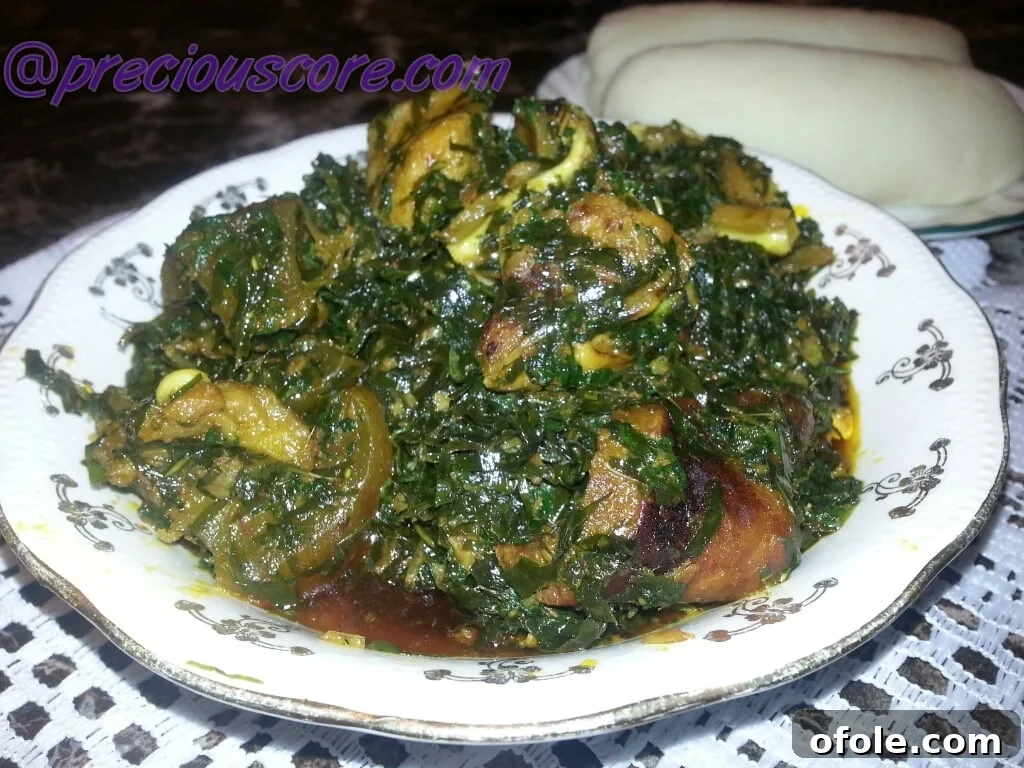
The Ultimate Guide to Making Authentic Cameroonian Eru Soup
There are some dishes that simply transcend being just a meal, becoming an experience, a memory, and a source of profound comfort. For many, Eru is precisely that dish. In my home, it’s a universal favorite, uniting everyone from Mr. N. to our little baby girl around the dinner table, always leaving a clean pot with not a single leftover in sight. Just weeks ago, a cherished package arrived from my parents, all the way from home, brimming with dried Eru leaves and a generous supply of crayfish. My heart leaped with joy! I knew it would be quite some time before my next visit to an African store to procure these precious ingredients myself. My parents, bless their hearts, even went as far as to label the packs with my name, almost as if they were sending me off to boarding school for the first time. Take a look at these thoughtfully prepared packs below.
What is Eru? A Culinary Gem of West Africa
Eru, scientifically known as Gnetum africanum, is more than just a leaf; it’s a vital component of West African culinary heritage. This wild, leafy plant is predominantly harvested from the dense forests of Cameroon, where it holds a revered status. Across the border in Nigeria, it is widely recognized by other names such as Ukazi or Afang. These names often depend on the specific region or ethnic group, highlighting the plant’s widespread influence and adaptability in various traditional cuisines.
Beyond its delicious taste and unique texture, Eru offers a wealth of nutritional benefits. It is an excellent source of dietary fiber, which aids digestion and promotes gut health. Rich in essential vitamins and minerals, Eru contributes to overall well-being. It contains vital antioxidants that help protect the body from cellular damage, making it a healthy addition to any diet. Its versatility allows it to be enjoyed fresh, or dried and preserved for extended periods, making it accessible even in areas where the fresh plant is not readily available.
Eru, Afang, and Edika Ikong: Unraveling the Delicacies
When discussing Eru, it’s impossible not to mention its close culinary cousins: Afang soup and Edika Ikong, both beloved staples, particularly among the Efik and Ibibio people of Cross River State in Nigeria. While all three dishes share a foundational base of leafy greens and a rich, robust flavor profile, they possess distinct characteristics that set them apart.
Afang soup, often prepared by natives of Cross River State, shares a striking resemblance to Eru. However, Afang is typically more “soupy” in consistency, and crucially, the Eru (Ukazi/Afang) leaves are usually ground or pounded into a finer texture prior to preparation. This difference in preparation significantly impacts the final mouthfeel and texture of the dish. Similarly, Edika Ikong is another delectable soup from the Calabar people that looks almost identical to Eru, often featuring a blend of waterleaf and Afang leaves with generous amounts of meat and fish. Despite their visual similarities, each offers a unique culinary journey.
Allow me a playful analogy: Eru is, without a doubt, the grandmother of Afang! Having savored both, I can confidently declare who the mama (mother) is and who the pikin (child) is. There’s a depth and earthiness to Eru that, while present in Afang, feels more primary and foundational in the original Cameroonian preparation. The unground leaves of Eru provide a distinct chewiness and texture that sets it apart, making it a unique and unforgettable experience.
Why Eru Captivates Every Palate
I am yet to encounter a soul who doesn’t fall in love with this exquisite delicacy. Eru possesses an irresistible allure, a taste so captivating that it can momentarily disrupt even the most composed individual. Imagine being at a lively party, spotting Eru, and realizing it’s almost gone – that moment could make an otherwise responsible person momentarily abandon a queue! It’s that good. But seriously, people genuinely adore this dish for its rich flavors, hearty texture, and the unique combination of ingredients that creates an unparalleled culinary experience.
Its savory depth, coupled with the slightly bitter notes of the Eru leaves and the freshness of waterleaf or spinach, creates a complex flavor profile that tantalizes the taste buds. The generous use of palm oil and crayfish not only enriches the taste but also gives it that distinctive aroma and vibrant color. Eru is not just food; it’s a celebration of flavors, a dish that brings people together and leaves a lasting impression.
Mastering Eru: Essential Tips for a Perfect Pot
While Eru might seem simple, achieving that perfect, authentic taste requires adherence to a few crucial principles. Over the years, from family kitchens to festive gatherings, I’ve observed and learned the dos and don’ts that elevate Eru from good to absolutely phenomenal. Follow these guidelines, and you’re well on your way to cooking a pot of Eru that will earn you endless compliments.
The Golden Rules: Eru “Don’ts”
- Don’t Add Water After Adding Eru Leaves: This is perhaps the most critical rule. Eru is inherently a “dry soup” or a stew-like dish, not meant to be watery. You will certainly need water to boil your meat and fish initially, but it’s imperative to ensure that most of this water has evaporated or been drained before you introduce your spinach or waterleaf. The spinach, being naturally succulent, will release enough moisture to soften the Eru leaves as they cook, providing the perfect consistency without making the dish soupy. Adding extra water at this stage will dilute the flavors and ruin the texture.
- Don’t Add Onions to Eru: While onions are a staple in many West African dishes, they are generally out of place in traditional Eru. I’ve encountered some recipes that include onions, but for an authentic Eru experience, it’s best to omit them. The unique flavor profile of Eru is best preserved without the strong, sweet pungency of onions competing with the distinct taste of the Gnetum leaves and crayfish.
- Don’t Cook Eru Without Crayfish: My mother often emphasizes this point: “Crayfish is the soul of Eru.” This ingredient is non-negotiable. The rich, umami flavor of ground crayfish is absolutely essential and irreplaceable. No amount of dried fish, fresh fish, or other seasonings can replicate the depth and authenticity that crayfish brings to Eru. It’s the backbone of its flavor profile, so ensure you have a generous supply.
- Don’t Overcook Your Greens: While Eru leaves are hardy, spinach or waterleaf can become mushy if overcooked. Add them at the right time and cook just until tender, maintaining some of their vibrant color and texture.
- Don’t Forget to Taste and Adjust Seasoning: While there are general guidelines, salt and pepper preferences vary. Always taste your Eru as it cooks and adjust seasonings as needed, particularly towards the end of the cooking process.
Now that we’ve covered the fundamental “don’ts,” let’s roll up our sleeves and embark on the culinary adventure of preparing this incredible dish!
Ingredients
- 6 cups of Eru leaves (fresh or dried Ukazi)
- 3 bundles/bags of fresh spinach or waterleaf (about 1.5 – 2 lbs)
- 2-3 pounds of assorted meat/fish of choice (e.g., beef skin/canda, beef stripes/towel, goat meat, fresh beef, smoked/dried fish, stocked fish, snails, periwinkles – a mix adds great flavor)
- 2 cups of ground crayfish (ensure it’s finely ground)
- 3 cups of good quality palm oil
- ½ cup of canola or groundnut (peanut) oil (for better oil consistency)
- 1 crayfish seasoning cube (e.g., Maggi Crevette, or any seafood bouillon cube)
- 1 Habanero pepper (or Scotch Bonnet), finely minced (optional, for heat)
- Salt to taste
Method: Step-by-Step Preparation
If you are using dried Eru leaves, this is a crucial first step. Place the dried leaves in a bowl and cover them generously with warm water. Allow them to soak for at least 20-30 minutes, or even longer (up to an hour), until they soften considerably. Once softened, drain the water thoroughly and rinse the leaves multiple times under running water to remove any dirt or grit. Squeeze out excess water before setting aside.
Thoroughly wash your chosen meats and fish. If using tougher cuts like beef skin (canda) or beef stripes (towel), cut them into manageable pieces. Place all your meats into a large cooking pot. Add just enough water to cover the meat, along with a pinch of salt and any preferred seasoning (like a small amount of bouillon cube or garlic powder, if desired, but keep it minimal to allow the Eru flavor to shine). Bring to a boil and cook until the meats are half-tender. This initial cooking ensures the meats are flavorful and tender enough for the final dish. I specifically used a delightful combination of beef skin (canda) and beef stripes (towel) for this recipe.
While your meats are simmering, meticulously wash your spinach or waterleaf. Ensure all dirt and sand are removed. Once clean, chop the leaves finely and set them aside. The finer the chop, the better it integrates into the Eru, providing a smoother texture. These greens are essential for providing moisture and balancing the Eru leaves.
Once your meat is fully cooked and tender, ensuring most of the cooking liquid has evaporated or been drained (remember the “no excess water” rule!), season it with a final pinch of salt to taste. Now, add the chopped spinach or waterleaf directly into the pot with the cooked meat. Begin stirring immediately. You’ll notice the spinach wilting and shrinking rapidly, releasing its natural moisture. This liquid is crucial for softening the Eru leaves.
Next, drain the pre-soaked Eru leaves thoroughly again, squeezing out any remaining water. Add the drained Eru to the pot with the meat and spinach. The small amount of liquid released by the spinach will gently steam and soften the Eru leaves. Stir everything together, ensuring the Eru is well incorporated with the other greens and meat. Continue to stir occasionally, allowing the Eru to cook down and meld with the flavors.
Now is the time to add any pre-boiled or smoked fish you are using. I had some already boiled stock fish readily available, so I gently folded it into the mix. This adds another layer of protein and a distinct smoky flavor to the Eru. Continue to cook for a few more minutes, allowing all the ingredients to combine harmoniously.
Finally, it’s time for the crucial additions that define Eru’s rich taste and appearance. Pour in the palm oil, followed by the canola or groundnut oil. Tip: Mixing palm oil with a small amount of neutral oil like canola or groundnut oil is a traditional secret. It helps prevent the palm oil from solidifying and becoming hard when the Eru cools, maintaining a more palatable texture. Crumble in your crayfish seasoning cube and, most importantly, add the generous two cups of ground crayfish. This is the cornerstone of Eru’s flavor!
Stir everything thoroughly until all the ingredients are evenly distributed and the palm oil has beautifully coated the leaves and meats. Let it simmer on low heat for another 5-10 minutes to allow the flavors to fully meld. Taste and adjust for salt if necessary. And voilà, your authentic, delicious Eru is ready! The aroma alone will have everyone rushing to the table.
Serving Your Delicious Eru
Eru is traditionally served with various “swallows” – starchy accompaniments that are typically rolled into a ball and used to scoop up the stew. The most popular choices include Water Fufu (Akpu), Garri (Eba), or even Pounded Yam. These neutral-flavored starches perfectly complement the rich and robust taste of Eru, making for a satisfying and culturally immersive meal. Mr. N’s excellent pairing skills are demonstrated below!
So, there you have it – the comprehensive guide to preparing a truly authentic pot of Cameroonian Eru. If you give this recipe a try, please do me a favor and come back to share your experience by dropping a comment below. I’d love to hear your thoughts and see your culinary creations. Enjoy this incredible journey into West African flavors!