
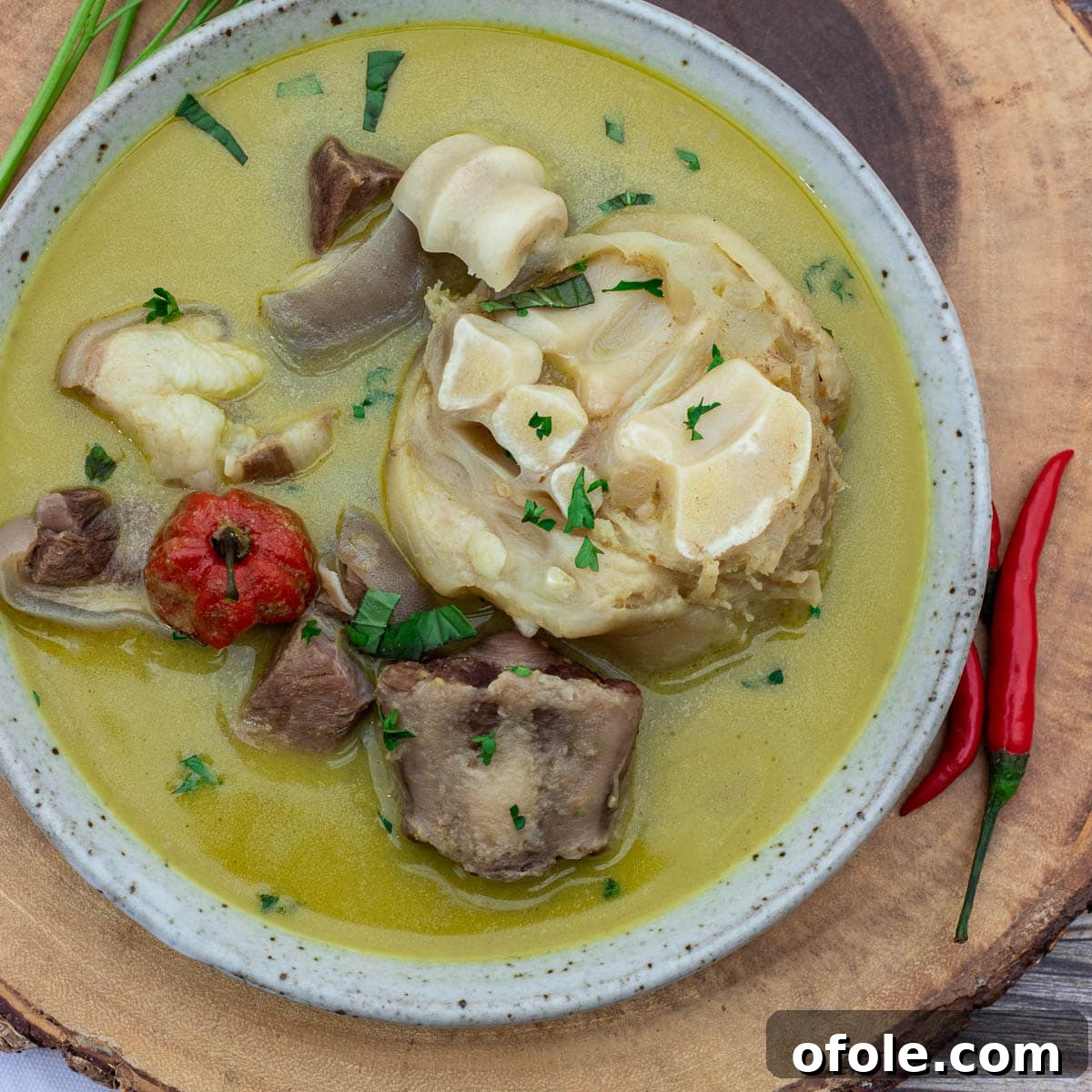
Savor the rich, aromatic experience of Cameroonian Pepper Soup – a truly authentic African delight. This brothy, incredibly flavorful soup is brimming with tender chunks of your favorite meats, simmered to perfection in a deeply spiced broth that you’ll want to drink to the last drop! Renowned for its comforting qualities and vibrant taste, this traditional recipe promises a culinary journey to the heart of Cameroon, requiring surprisingly little prep time.
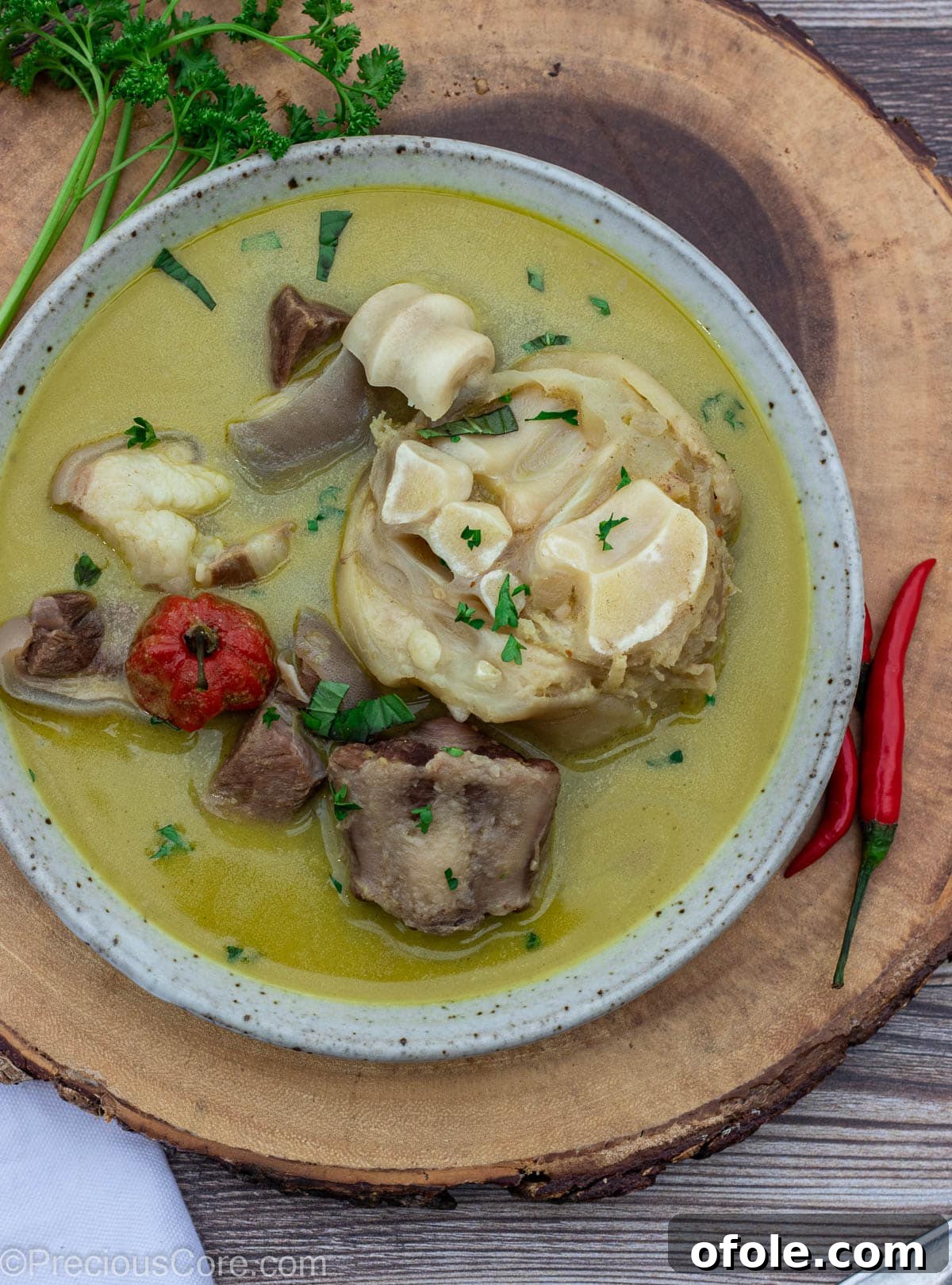
Here in Southern California, the recent abundance of rainy days has a delightful way of coaxing me into the kitchen. There’s something undeniably inviting about the cool, damp weather that makes a steaming bowl of spicy African soup utterly irresistible. And when that craving strikes, Cameroonian Pepper Soup invariably tops my list.
Growing up, this heartwarming soup was a staple, deeply ingrained in my culinary memory. It’s more than just a dish; it’s a comforting embrace, a taste of home. While the core concept of “pepper soup” remains consistent across the continent, its manifestations are wonderfully diverse. From the light and zesty Fish Pepper Soup to the robust Chicken Pepper Soup, and the deeply satisfying Meat Pepper Soup, each version offers a unique yet equally delicious experience. Today, we’re diving deep into the meat-lover’s paradise with our special Cameroonian rendition.
Table of Contents
- The Heart of West and Central African Cuisine: Pepper Soup Explained
- Cameroonian Pepper Soup: A Culinary Gem
- Choosing Your Protein: The Versatility of Meat Pepper Soup
- Unlocking Authentic Flavor: Key Cameroonian Spices, Especially Njangsa
- Why This Recipe Will Become Your Go-To Comfort Food
- Embracing Organ Meats: A Nutritious and Traditional Choice
- Mastering the Craft: Expert Tips for the Perfect Pepper Soup
- Serving Suggestions: Perfect Pairings for Your Pepper Soup
- Explore More African Pepper Soup Varieties
- Discover Other Beloved Cameroonian Recipes
- Authentic Cameroonian Pepper Soup Recipe
The Heart of West and Central African Cuisine: Pepper Soup Explained
Across the vibrant culinary landscape of West and Central Africa, pepper soup stands as a testament to the region’s rich spice heritage. It’s a foundational dish, characterized by its clear, brothy consistency and its potent infusion of local spices and aromatic herbs. Unlike heavier stews, pepper soup is designed to be light yet intensely flavorful, making it a perfect appetizer, a soothing remedy for a cold, or a delightful main course.
The name “pepper soup” might suggest an overwhelming level of heat, and indeed, hot peppers like habaneros or scotch bonnets are often central to its identity. However, the beauty of this dish lies in its customizability. The quantity of peppers used can be adjusted entirely to personal taste, from a gentle warmth to an exhilarating fiery kick. Even without fresh hot peppers, the foundational spices create a remarkably delicious and comforting broth, ensuring everyone can enjoy its depth of flavor.
Each African country boasts its unique take on pepper soup, reflecting local ingredients and traditions. Yet, a common thread weaves them all together: a vibrant, spicy base (the “pepper” refers more to the blend of warming spices than just chili heat), the choice of protein (fish, meat, or chicken), and an abundance of aromatic spices that define its character. This makes pepper soup a dynamic and cherished part of African cuisine, offering endless possibilities for culinary exploration.
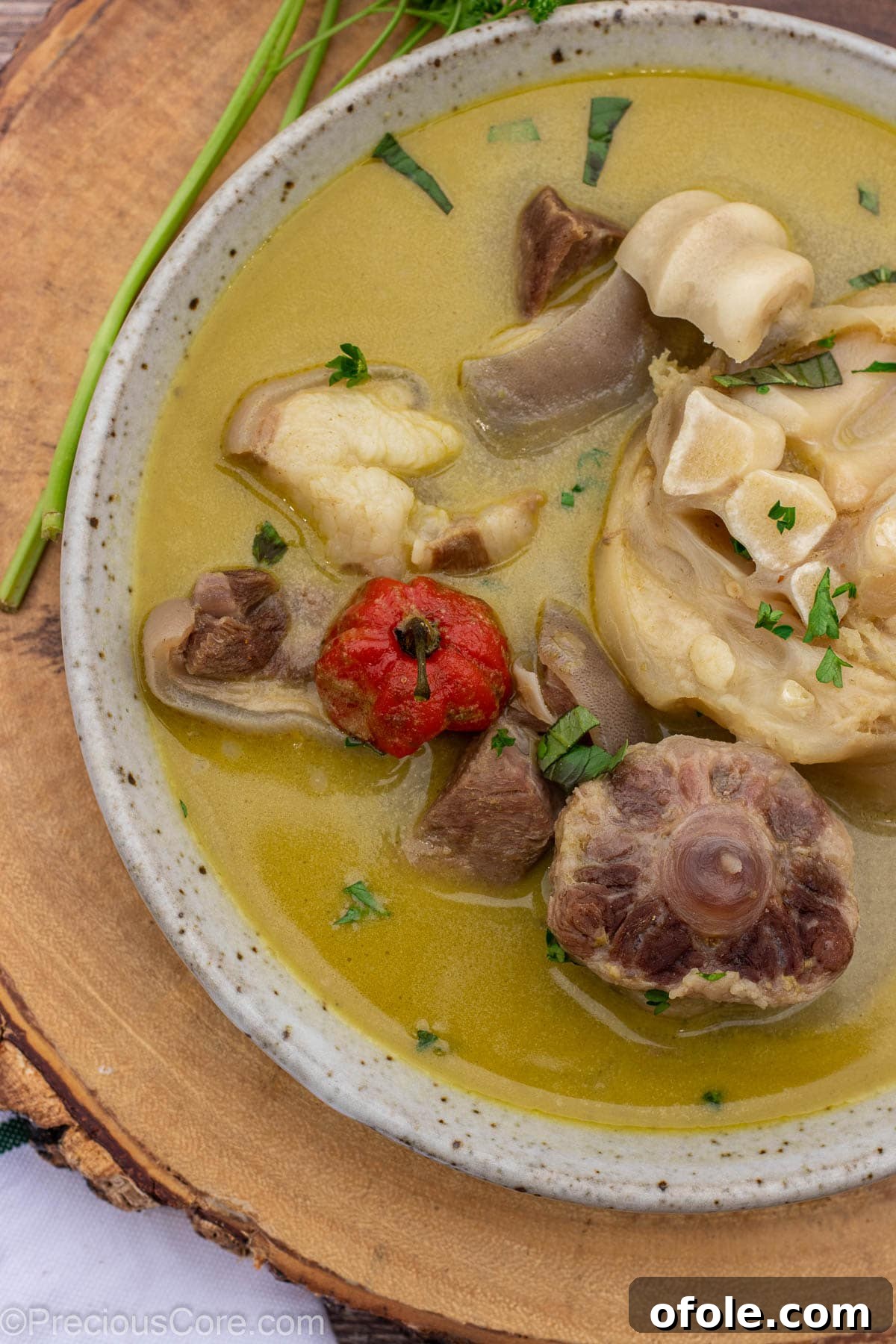
Cameroonian Pepper Soup: A Culinary Gem
Within the diverse family of African pepper soups, the Cameroonian rendition holds a special place. It’s a dish celebrated for its robust flavors and the distinctive earthy notes brought by specific local spices. This particular version often features a medley of meats, transforming a simple broth into a substantial and deeply satisfying meal. It’s a representation of Cameroon’s rich culinary identity, where bold flavors and wholesome ingredients come together to create unforgettable dishes.
What truly sets Cameroonian Pepper Soup apart is its unique blend of traditional spices, meticulously balanced to produce a complex, layered flavor that is both exotic and deeply comforting. This soup isn’t just about the heat; it’s about the symphony of ginger, garlic, basil, and a very special seed that imparts an unparalleled depth. It’s a testament to the country’s gastronomic heritage, a dish that proudly showcases the heart and soul of Cameroonian cooking.
Choosing Your Protein: The Versatility of Meat Pepper Soup
The beauty of meat pepper soup lies in its incredible versatility when it comes to protein choices. While you could certainly prepare it with a single type of meat, the true essence of an authentic Cameroonian Pepper Soup often comes alive with a combination of different meats. Imagine the rich layers of flavor and varied textures when succulent goat meat, tender oxtails, and gelatinous beef feet meld together – each contributing its unique character to the magnificent broth. Why settle for one type of meat when you can enjoy the complexity of three?
However, please don’t feel constrained to use the exact combination of meats I’ve chosen for this recipe. This dish is wonderfully adaptable to whatever you have on hand or what is readily available in your local market. Popular choices include tender beef chunks, flavorful goat meat (a traditional favorite), hearty beef feet for their gelatinous texture, and a variety of nutrient-rich organ meats such as beef tripe or intestines. Each option brings a distinct taste and texture, enriching the overall soup experience.
And let’s not forget other delightful alternatives! You might even consider using pig feet or trotters, which create an incredibly rich and savory pepper soup. I recently had the pleasure of tasting an outstanding pork pepper soup at a Cameroonian gathering, and it was absolutely phenomenal. This demonstrates the dish’s endless potential for customization, allowing you to tailor it to your preferences or explore new flavor profiles.
Ultimately, the true magic of this delicious soup is its inherent flexibility. You can consistently adapt it to perfectly suit the protein you have on hand, ensuring that a comforting bowl of pepper soup is always within reach, no matter your preferred meat or what’s available in your pantry.
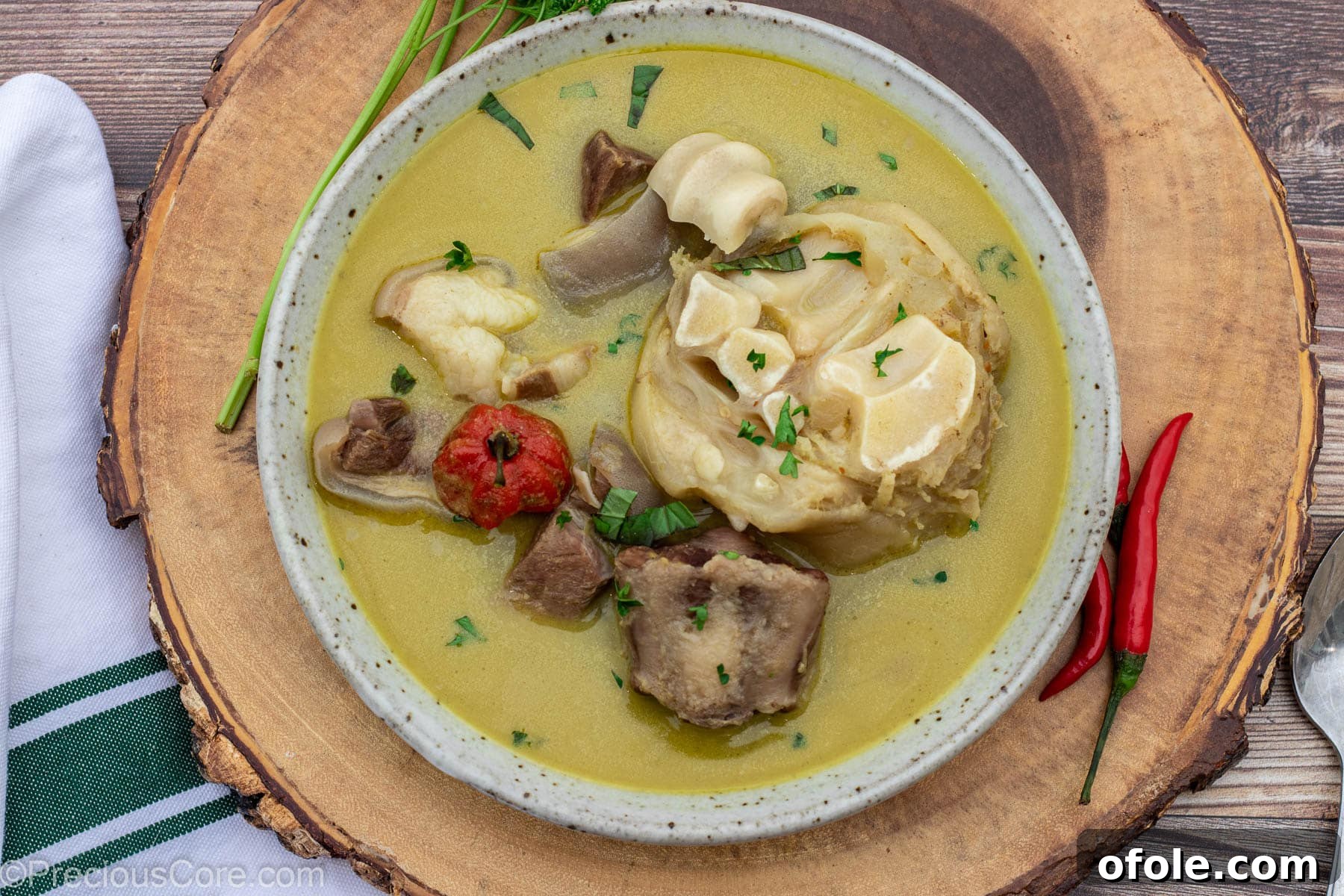
Unlocking Authentic Flavor: Key Cameroonian Spices, Especially Njangsa
At the heart of what makes Cameroonian Pepper Soup uniquely irresistible is Njangsa, also known as Njansa. This fascinating seed-like spice, which bears a striking resemblance to chickpeas, is the signature ingredient that imparts an unparalleled depth of flavor and a subtle creaminess, distinguishing our pepper soup from other African variations.
Njangsa is derived from the seeds of the Ricinodendron heudelotii tree, native to Central and West Africa. Before use, the seeds are typically roasted and then ground into a paste or powder. This process brings out their unique earthy, slightly nutty, and aromatic profile, which is crucial to the authentic taste of this Cameroonian delicacy. It acts as both a flavor enhancer and a mild thickening agent, contributing to the soup’s comforting texture.
However, please don’t let the absence of Njangsa deter you from trying this recipe! While Njangsa truly adds a unique, earthy, and nutty flavor along with a delicate creaminess to Cameroonian Pepper Soup, it is entirely possible to create an absolutely delicious pepper soup even without it. The robust combination of other herbs and spices ensures a fantastic outcome, proving that this soup is adaptable to ingredient availability.
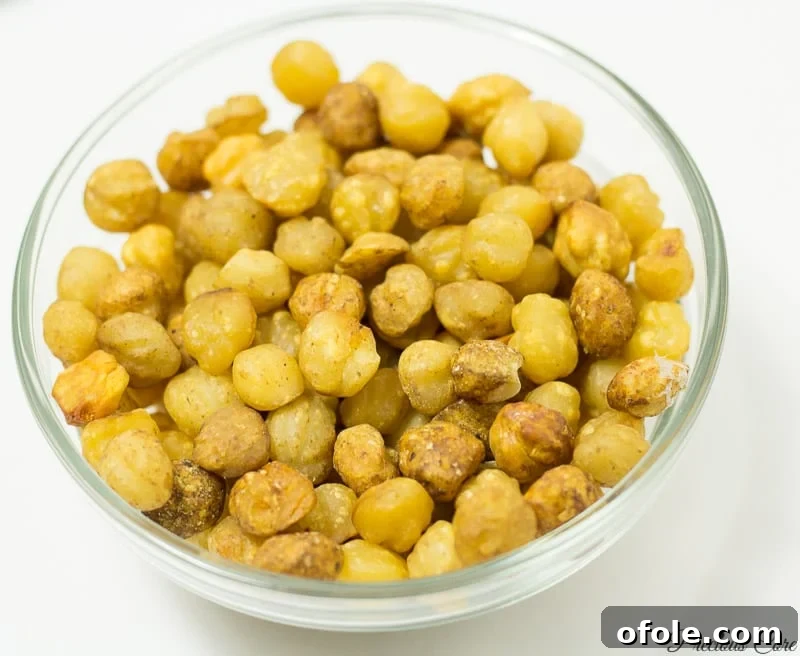
Beyond Njangsa, other spices play pivotal roles. I always make sure to include white pepper, which adds a subtle, distinct flavor and a gentle warmth that complements the overall spice blend beautifully. Fresh ginger, garlic, and basil also contribute significantly to the soup’s aromatic complexity and traditional “healing” properties.
When combined thoughtfully, these ingredients create a symphony of flavors that results in a truly comforting and profoundly flavorful broth. The art lies in balancing these potent spices to achieve a soup that is warming, invigorating, and utterly delicious. With the right combination of herbs and spices (all detailed in the recipe below), you are guaranteed to achieve a remarkably flavorful broth that is deeply comforting and satisfying.
For the full list of ingredients with precise measurements, please refer to the detailed recipe card at the bottom of this page.
Why This Recipe Will Become Your Go-To Comfort Food
Regardless of your background, this Cameroonian Pepper Soup, a cherished dish across West and Central African cuisines, is a recipe designed for everyone to adore! Prepare to fall in love from the very first spoonful. There’s an abundance of reasons why this particular recipe will quickly earn a permanent spot in your culinary repertoire:
- It is Wonderfully Adaptable: True to African cooking, this soup is incredibly forgiving and flexible. Feel free to use any cuts of meat you have available, whether it’s goat, beef, or even a mix. No Njangsa? No problem! The soup will still be incredibly flavorful. And if you prefer a milder taste, you can easily omit or reduce the habanero or scotch bonnet peppers for a less spicy, yet equally delicious, experience.
- It is Surprisingly Easy to Make: Don’t let the complex flavors intimidate you! The preparation process is straightforward. You simply blend the aromatic ingredients into a smooth paste, add them to your simmering meats, and let the stove do the rest of the work. This hands-off cooking method allows the flavors to meld beautifully without constant attention.
- It is Exceptionally Tasty!: This isn’t just a claim; it’s a promise. The broth is so rich, aromatic, and deeply flavorful that you’ll find yourself craving more with every sip. The tender meats, infused with the vibrant spices, make each bite a true delight. It’s the kind of soup that leaves a lasting impression and keeps you coming back for another bowl.
- It Possesses Traditional Healing Properties: Rooted in African culinary traditions, this soup is often revered for its soothing and restorative qualities. Packed with potent ingredients like ginger, garlic, and hot peppers (if used), it’s a warming tonic that can help clear congestion, comfort a sore throat, and boost your spirits if you’re feeling under the weather or battling a cold. It’s truly a feel-good food!
Embracing Organ Meats: A Nutritious and Traditional Choice
For those unfamiliar, organ meats refer to the various edible internal organs of an animal, distinct from the muscle meat, or “red flesh,” that typically makes up cuts like steak or roasts. In the context of beef, these can include highly prized parts such as beef tongue, kidneys, beef tripe (the stomach lining), beef liver, intestines, and even beef skin. These cuts are not only delicious but also carry significant cultural weight in many cuisines worldwide.
In Cameroon, where I was raised, we have a deep appreciation for utilizing every single part of the beef. It’s a testament to our philosophy of minimizing waste and maximizing flavor. I can confidently tell you that when prepared correctly, all these parts are incredibly delicious, offering unique textures and flavors that enhance any dish they are a part of.
Beyond their culinary appeal, beef organs are a nutritional powerhouse! They are often far richer in vitamins and minerals than muscle meat, providing essential nutrients like iron, B vitamins (especially B12), folate, vitamin A, and vital trace elements. For a fantastic example, check out my epic liver sauce, which showcases how delicious and beneficial these parts can be.
If you’re new to cooking with beef organs, adding them to your pepper soup is an excellent way to introduce yourself to their unique appeal. For pepper soup, I particularly recommend beef feet for their gelatinous richness, beef tripe for its distinctive texture, and beef intestines for their hearty flavor. Ensure these tougher cuts are cooked until exceptionally tender to fully appreciate their benefits and flavor contributions. Embrace this traditional choice and enjoy the rich taste and amazing health benefits they offer!
Mastering the Craft: Expert Tips for the Perfect Pepper Soup
Having prepared Cameroonian Pepper Soup countless times over the years, I’ve gathered a wealth of insights to help you achieve the most authentic and flavorful results. Here are some of my best expert tips to elevate your homemade pepper soup:
- Opt for Bone-In Meats: This is a game-changer for flavor. Bone-in cuts of beef or goat meat contribute significantly more depth and richness to the broth than boneless cuts. The marrow and collagen from the bones slowly release during simmering, creating an incredibly flavorful and nourishing base. Try using parts like short ribs or oxtails for an intensely savory, full-bodied broth.
- Layer Your Meats Strategically: If you’re using a mix of meats with varying tenderness (e.g., tough beef feet and quicker-cooking goat meat), always start cooking the toughest cuts first. Gradually add the other meats according to their cooking times, ensuring all proteins reach perfect tenderness without overcooking.
- Incorporate Organ Meats: As discussed, organ meats like beef tripe, feet, or intestines not only add traditional authenticity but also a boost of unique flavors and incredible health benefits. Don’t shy away from including them when you can for a truly comprehensive experience.
- Turn it into a One-Pot Meal: For a deliciously convenient and wholesome meal, consider adding some peeled plantains, cut into halves or large chunks, directly into the pot during the last 30-40 minutes of simmering. They’ll cook beautifully in the flavorful broth, offering a delightful starch accompaniment. You’ll have an incredible pepper soup and perfectly cooked plantains all from one pot!
- Choose the Right Basil: For a more intense and authentically vibrant basil flavor, I highly recommend using Thai basil instead of standard Italian basil. Thai basil has a more pronounced, slightly anise-like aroma that complements the other African spices wonderfully.
- Don’t Skimp on Simmering Time: While prep is quick, allowing your soup to simmer patiently is key. This extended cooking time is essential for the meats to become fork-tender and for all the intricate flavors of the spices and herbs to fully meld and deepen.
- Taste and Adjust Seasoning: Always taste the broth as it simmers, especially towards the end. Adjust salt, bouillon, and even the “pepper” level to suit your preference. Flavors can mellow or intensify over time, so a final check is crucial.
Serving Suggestions: Perfect Pairings for Your Pepper Soup
Cameroonian Pepper Soup is wonderfully versatile and can be enjoyed in several ways. It’s absolutely delightful served on its own as a hearty appetizer, a light lunch, or a soothing meal. However, it also pairs beautifully with a range of traditional side dishes that absorb its rich broth and provide a satisfying balance:
- Boiled Yam: Specifically, African white yam, boiled until tender, is a classic accompaniment. Its mild flavor and starchy texture are perfect for soaking up every drop of the savory broth.
- Boiled Plantains: Whether semi-ripe for a hint of sweetness or unripe for a firmer, more savory starch, boiled plantains are an excellent choice. They offer a delightful contrast in texture and taste.
- Boiled Potatoes: Simple boiled potatoes provide a familiar and comforting side, absorbing the soup’s flavors wonderfully.
- Boiled Rice: A bowl of fluffy white rice is another fantastic option, making the pepper soup a complete and satisfying meal.
Bonus Tip: My husband has discovered an absolute favorite way to enjoy pepper soup – with crusty bread! Use some fluffy or crusty bread to enthusiastically soak up that incredible, richly flavored broth. It’s an unexpectedly delightful pairing that you must try!
I hope you thoroughly enjoyed learning about this cherished dish from my cultural heritage. Below, you’ll find the complete recipe for you to try at home. If you’d prefer a visual guide, I also have a helpful pepper soup video available on my YouTube channel. Should you have any questions during your cooking process, please don’t hesitate to leave them in the comments section below. Happy cooking!
Explore More African Pepper Soup Varieties
If you’ve fallen in love with the comforting warmth of Cameroonian Pepper Soup, you’ll be thrilled to discover other delicious variations from across Africa. Each offers a unique twist on this beloved brothy dish:
Catfish Pepper Soup
GOAT MEAT PEPPER SOUP RECIPE
CHICKEN PEPPER SOUP
Discover Other Beloved Cameroonian Recipes
If you’re eager to continue your culinary journey through Cameroon, explore these other fantastic traditional recipes that capture the essence of our vibrant cuisine:
Cameroon Jollof Rice Recipe: Easy Method
Cameroonian Soya Without Skewers
How To Make Puff Puff
How To Make Chin Chin
If you make this delicious recipe, please take a moment to leave a star rating below. Your feedback helps other home cooks find and enjoy this wonderful dish, and I truly love hearing from you! Thank you!
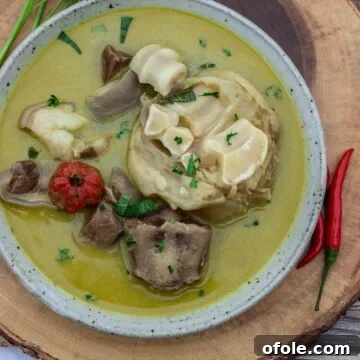
Authentic Cameroonian Pepper Soup
Rate
Print Recipe
Ingredients
- 10 pounds goat meat, beef feet and oxtails
- 2 teaspoons salt
- 4 teaspoons chicken bouillon powder
- 1 medium onion
- 1 head of garlic about 10 cloves
- 4 inches ginger root
- 5 sprigs fresh basil I used Thai basil
- 4 sprigs parsley
- 1 celery stalk
- 1/2 cup njangsa
- 2 habanero or scotch bonnet peppers
- 1 teaspoon ground white pepper
Instructions
-
Thoroughly rinse all your chosen meats under cold water and transfer them to a large, sturdy pot. Add enough water to the pot to ensure all the meats are completely submerged.
-
Place the pot on high heat and cover it, leaving the lid slightly ajar on one side to prevent it from boiling over. Bring the contents to a rolling boil and let it boil for approximately 10 minutes. During this time, carefully skim off any scum or impurities that rise to the surface of the meats.
-
While the meat is boiling, prepare your aromatic blend. Combine the roughly chopped onion, garlic cloves, ginger root, fresh basil sprigs, parsley, celery stalk, and njangsa (if using) in a blender. Add just enough water to create a smooth, thick paste. If you prefer a spicier soup, now is the time to blend one or two habanero peppers along with the other ingredients.
-
Add the freshly blended seasoning paste to the meats in the pot. Then, stir in the salt and chicken bouillon powder. Carefully add the whole habanero peppers (if not blended) to the pot. Allow the soup to simmer gently until all the meats are wonderfully tender. This typically takes about an hour, depending on the cuts of meat used. After approximately 30 minutes of simmering, if you want to control the spice level, you may remove the whole habanero peppers to prevent them from bursting and making the soup too hot.
-
Carefully taste the broth and adjust the salt and any other seasonings as needed to reach your desired flavor profile. Stir in the ground white pepper, ensuring it is well combined throughout the soup. Let the soup continue to simmer for another 2 minutes with the white pepper to allow its flavors to infuse.
-
For an extra touch of freshness and aroma, garnish your Cameroonian Pepper Soup with some freshly chopped basil or parsley just before serving, if desired.
-
Serve your comforting pepper soup piping hot, traditionally accompanied by boiled plantains (either semi-ripe or unripe), soft boiled African white yam, or fluffy boiled rice. Enjoy this authentic taste of Cameroon!
Video
Notes
Different Proteins: While this recipe focuses on meat, pepper soup can also be made with chicken or fish. Be aware that cooking times will vary significantly; fish, for instance, cooks much faster than beef or goat.
Njangsa Replacement: Unfortunately, there isn’t a direct substitute for Njangsa that perfectly replicates its unique flavor and creaminess. Your best bet is to look for it at an African specialty store or online marketplaces like Amazon. However, if you cannot find Njangsa, rest assured that you can still make an incredibly delicious pepper soup without it – the other spices will carry the flavor beautifully!
Additional Spices: Feel free to experiment and enhance the flavor profile by adding other complementary herbs and spices. Thyme, bay leaves, a pinch of cumin, or even a few cloves can introduce interesting aromatic notes to your pepper soup.
Nutrition
Additional Info