
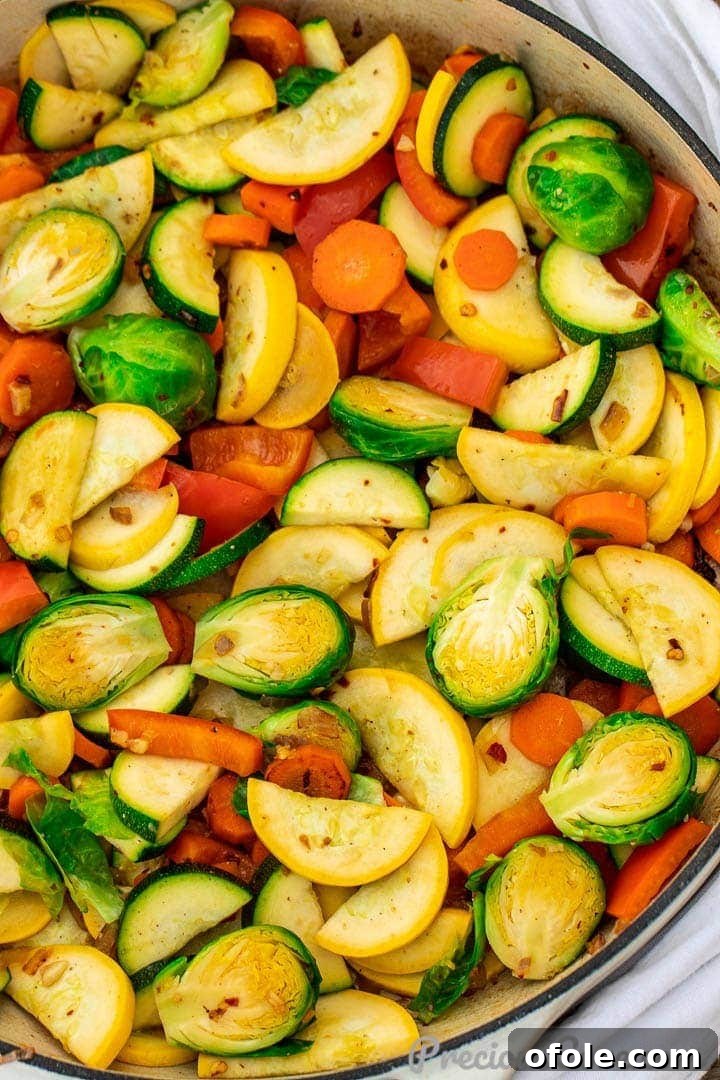
Sautéed Vegetables are the ultimate quick, flavorful, and incredibly versatile side dish that comes together in mere minutes. Perfect for elevating any lunch, dinner, or even holiday meal, this recipe promises a burst of nutrients and a delightful experience for your taste buds. This healthy and delicious dish is a game-changer for anyone looking to incorporate more vegetables into their diet effortlessly.
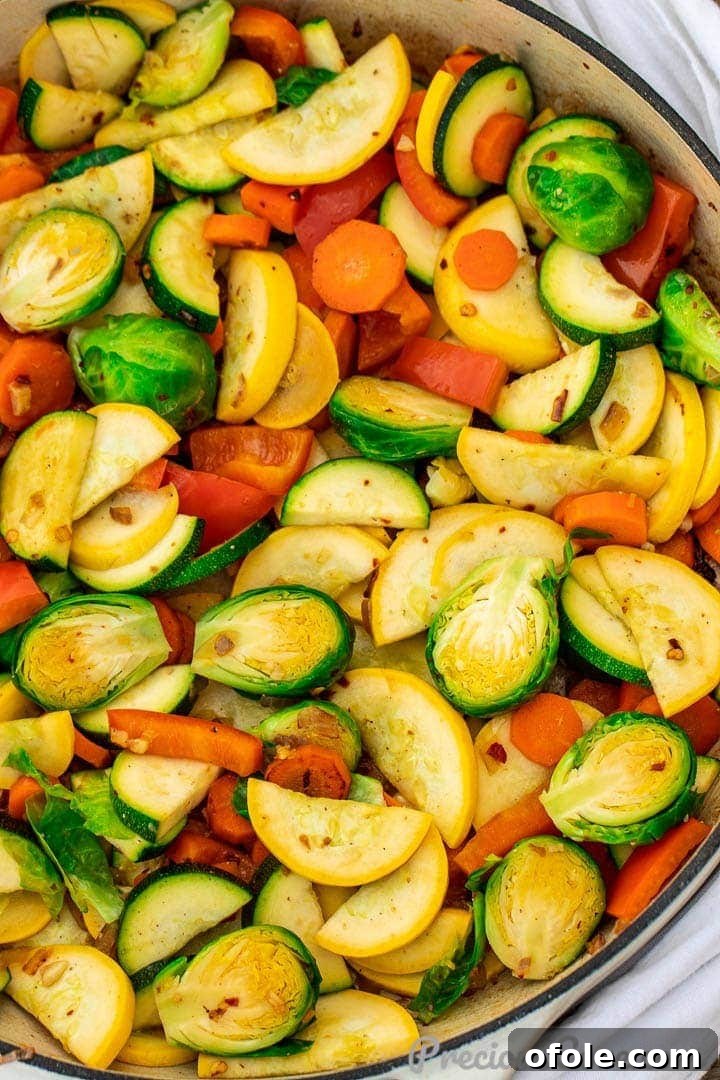
Incorporating a medley of Sautéed Vegetables into your regular dinner rotation is a fantastic way to boost your daily nutrient intake effortlessly. They transform ordinary meals into extraordinary culinary experiences and serve as an ideal easy side dish to complement your main courses, especially during festive gatherings or busy weeknights. Their vibrant colors and fresh flavors make them a welcome addition to any plate.
This incredibly adaptable recipe pairs beautifully with a wide array of meal components. Imagine enjoying these vibrant vegetables alongside fluffy steamed rice, hearty couscous, crispy easy roasted potatoes, sweet potatoes, or wholesome quinoa. Its simplicity and deliciousness make it a truly versatile and reliable go-to option for any occasion, ensuring you always have a nutritious and flavorful accompaniment ready.
Introduction to Sautéed Vegetables
Sautéing is one of the quickest, easiest, and most effective ways to transform almost any vegetable into a delectable dish. Derived from the French word “sauter,” meaning “to jump,” this cooking method involves rapidly cooking food in a small amount of fat over high heat. This technique ensures vegetables retain their vibrant color, crisp texture, and maximum nutritional value, making them incredibly appealing and delicious. If you’ve ever struggled to get enough vegetables into your diet, or to make them appealing to even the pickiest eaters, mastering the art of the vegetable sauté is your answer.
In this comprehensive guide, we’ll demystify the process of creating genuinely delicious sautéed vegetables. From selecting the freshest produce to mastering the perfect seasoning and cooking techniques, you’ll learn how to whip up a healthy side dish so terrific it will impress everyone at your table. It’s an incredibly simple yet impactful way to meet your recommended daily vegetable intake, making healthy eating both easy and enjoyable. Prepare to discover the joy of perfectly cooked, flavorful vegetables that will become a staple in your culinary repertoire.
Why You Should Master Sautéed Vegetables
These simple sautéed vegetables aren’t just a side dish; they’re a culinary game-changer, especially for modern, busy lifestyles. They’re the perfect solution for hectic weeknights when time is scarce, but you still crave a wholesome, flavorful meal. Many find that sautéing a generous batch of vegetables in a large skillet is often the fastest cooking method available, significantly quicker than roasting in the oven, which requires preheating, or steaming, which can sometimes leave veggies a bit bland. After your first attempt using this detailed recipe, you’ll undoubtedly understand why it quickly becomes a cherished staple in any kitchen.
The profound beauty of sautéed vegetables lies in their inherent adaptability and flexibility. Whether you opt for the ultimate convenience of pre-cut, packaged vegetables from your local grocery store, or prefer the satisfying, hands-on experience of preparing fresh produce yourself, the fundamental principles for this easy sautéed vegetables recipe remain remarkably consistent. This incredible flexibility means you can consistently have a nutritious, tasty, and visually appealing side dish ready at a moment’s notice, regardless of your demanding schedule or what’s currently available in your refrigerator. It’s a powerful testament to how simple cooking techniques, when properly executed, can yield extraordinary and consistently delicious results, making healthy eating not just accessible, but truly exciting and effortless.
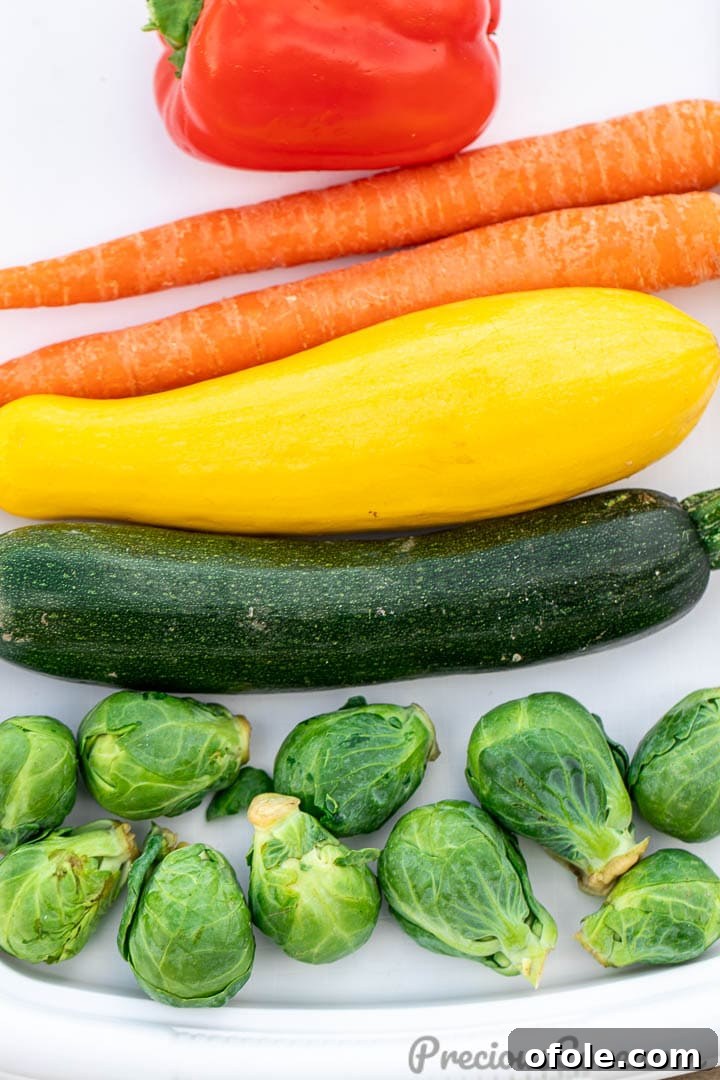
Essential Ingredients for Sautéed Vegetables
The foundation of exceptional sautéed vegetables always begins with choosing a diverse array of fresh, high-quality produce. While this recipe is incredibly forgiving and entirely open to your creative customization, here are some of the star vegetables I frequently incorporate, along with their unique and invaluable contributions to the overall dish:
- Carrots: These ubiquitous root vegetables bring a delightful natural sweetness, a vivid orange hue, and a satisfying crisp-tender texture to the vegetable medley. They are not only visually appealing but also remarkably rich in beta-carotene, making them an excellent source of Vitamin A, which is crucial for maintaining healthy vision and robust immune function, along with a powerful dose of beneficial antioxidants.
- Bell Peppers and Onions: This dynamic duo forms the cornerstone for both exceptional flavor and striking visual appeal in the dish. Bell peppers, particularly the vibrant red ones, offer a sweet, slightly tangy crunch and are incredibly packed with Vitamin C and a diverse range of antioxidants. Onions, regardless of whether you choose the mild white, versatile yellow, or pungent red varieties, create an intoxicatingly fragrant aromatic base that deeply enhances and expands the overall flavor profile of the entire dish. Don’t hesitate to use a colorful mix of bell peppers (red, yellow, orange) for an even more vibrant and nutrient-rich outcome.
- Squash (Zucchini and Yellow Squash): These popular summer squash varieties contribute a wonderfully tender texture and a subtle, earthy flavor that exquisitely complements the other vegetables in the pan. They are notably low in calories yet exceptionally high in water content, providing essential hydration, along with a valuable supply of vitamins and minerals such as Vitamin C, Vitamin B6, and potassium, making them a healthy and delicious addition.
- Olive Oil: Absolutely essential for the sautéing process, high-quality olive oil serves as the perfect medium for achieving desirable browning on the vegetables and crucially preventing them from sticking to the hot pan. Its distinct, fruity flavor also inherently enhances the dish, adding another layer of taste. For a more neutral flavor profile or if you require an oil with a higher smoke point, you can readily substitute with other excellent cooking oils such as vegetable oil, canola oil, grapeseed oil, or healthy avocado oil.
- Seasonings: The judicious application of the right blend of seasonings is unequivocally crucial for transforming simple, raw vegetables into a truly flavor-packed and memorable experience. You’ll primarily need basic pantry staples such as freshly ground black pepper (or white pepper for a milder, less visible kick), and fine table salt or sea salt to bring out their natural flavors. For an extraordinary extra layer of savory depth and umami, a touch of high-quality bouillon powder is highly and enthusiastically recommended. If you personally enjoy a delightful bit of heat, a pinch of red pepper flakes will undoubtedly add a wonderful, subtle spice that elevates the dish.
For precise measurements and detailed quantities of each vegetable and seasoning, please refer to the full recipe card conveniently located below. Remember, the inherent beauty of this recipe lies in its remarkable flexibility, so please don’t hesitate to confidently adjust quantities or thoughtfully substitute vegetables based on your personal preferences, dietary needs, and whatever fresh produce you happen to have readily available on hand.
Pro Tip: Aim for a Rainbow of Colors! An excellent rule of thumb for creating truly outstanding sautéed vegetables is to consciously use a wide variety of colorful veggies. This thoughtful approach not only makes for a visually stunning and incredibly appealing dish but also fundamentally ensures you’re receiving a broad spectrum of essential nutrients, thereby making your meal as healthy and wholesome as it is profoundly delicious and satisfying.
The Secret to Perfectly Seasoned Sautéed Vegetables
The magic of truly delicious sautéed vegetables often lies not just in the cooking technique, but profoundly in the art of seasoning. While a rudimentary blend of salt and pepper is a perfectly acceptable starting point, the absolute best seasoning for sautéed vegetables involves a thoughtful and strategic combination that expertly builds multiple layers of complex flavor. My personal go-to blend consistently includes fine sea salt, freshly ground black or white pepper, and a crucial touch of high-quality bouillon powder. This foundational trio works absolute wonders in enhancing the inherent natural sweetness and bringing out the deepest savory notes of the vegetables, transforming them into something truly special.
Beyond these core seasonings, building a robust and aromatic flavor base by meticulously sautéing aromatic ingredients like finely diced onion and fresh minced garlic before you even think about adding the main vegetables is absolutely essential. These pungent aromatics release their flavorful essential oils into the hot pan, instantly infusing the cooking oil with incredible depth and complexity right from the very beginning of the cooking process. For an unexpected and utterly irresistible umami boost, bouillon powder stands as my undeniable secret ingredient. I particularly favor and frequently use Knorr Chicken Bouillon powder due to its rich, savory profile, but high-quality vegetable or beef bouillon powder works just as effectively to add that “extra something special” that genuinely makes even previously “unloved” or seemingly bland vegetables incredibly palatable and delightful. Never be afraid to experiment and unleash your culinary creativity! Consider thoughtfully adding a pinch of fragrant Italian seasoning for an alluring Mediterranean twist, a generous dash of garlic powder for an even more pronounced garlic presence, or even a subtle pinch of smoked paprika for an alluring and distinct smoky depth that will impress your taste buds.
Step-by-Step Guide: How to Sauté Vegetables
Achieving perfectly crisp-tender, flavorful sautéed vegetables is simpler than you might imagine, requiring just a few key steps and attention to detail. Follow this easy, detailed guide for a delicious and consistently perfect outcome every single time:
1. Prepare Your Pan and Oil: Begin the cooking process by placing a large, high-quality non-stick skillet or a heavy-bottomed, heat-retaining pan, such as a cast-iron braiser, over medium-high heat. The choice of pan is profoundly important: a good skillet ensures wonderfully even heat distribution and crucially prevents your vegetables from sticking, allowing for proper browning. Add your chosen cooking oil (premium olive oil or another neutral oil like avocado oil, grapeseed oil, or vegetable oil) to the pan and allow it to heat up until it visibly shimmers. This shimmering indicates that the oil is hot enough to properly sear the vegetables and initiate the Maillard reaction, developing deep flavors.
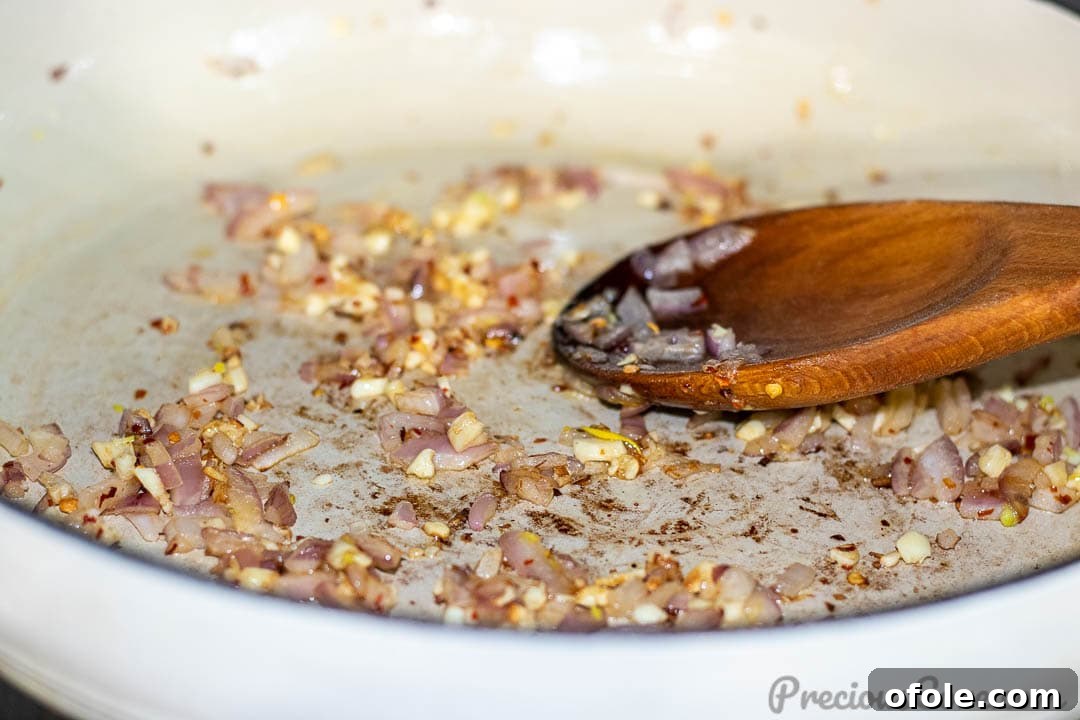
2. Sauté the Onions: Once your oil is visibly shimmering and adequately hot, carefully add your finely diced onions to the hot skillet. Stir them gently but consistently with a wooden spoon or spatula and sauté for approximately one minute, or until they become beautifully translucent and begin to soften, releasing their natural sweetness. This initial step is absolutely crucial for building a foundational layer of savory sweetness and aromatic complexity that will deeply permeate the entire dish, creating a rich background flavor.
3. Introduce Aromatics: Next, add the fresh minced garlic to the pan, joining the softening onions. Stir it gently and continuously with the onions and cook for a very brief duration of approximately 30 seconds. Be exceptionally vigilant during this stage – garlic has a tendency to burn incredibly quickly over high heat, and unfortunately, burnt garlic can impart an unpleasant, bitter taste to your dish. You are aiming for it to become wonderfully fragrant and subtly golden, releasing its full, pungent aroma into the hot oil. If you’re adding red pepper flakes for an exciting kick of heat, this is the absolute perfect time to stir them in as well, allowing their capsaicin-rich flavor to bloom and infuse into the hot oil, enhancing the dish’s spice profile.
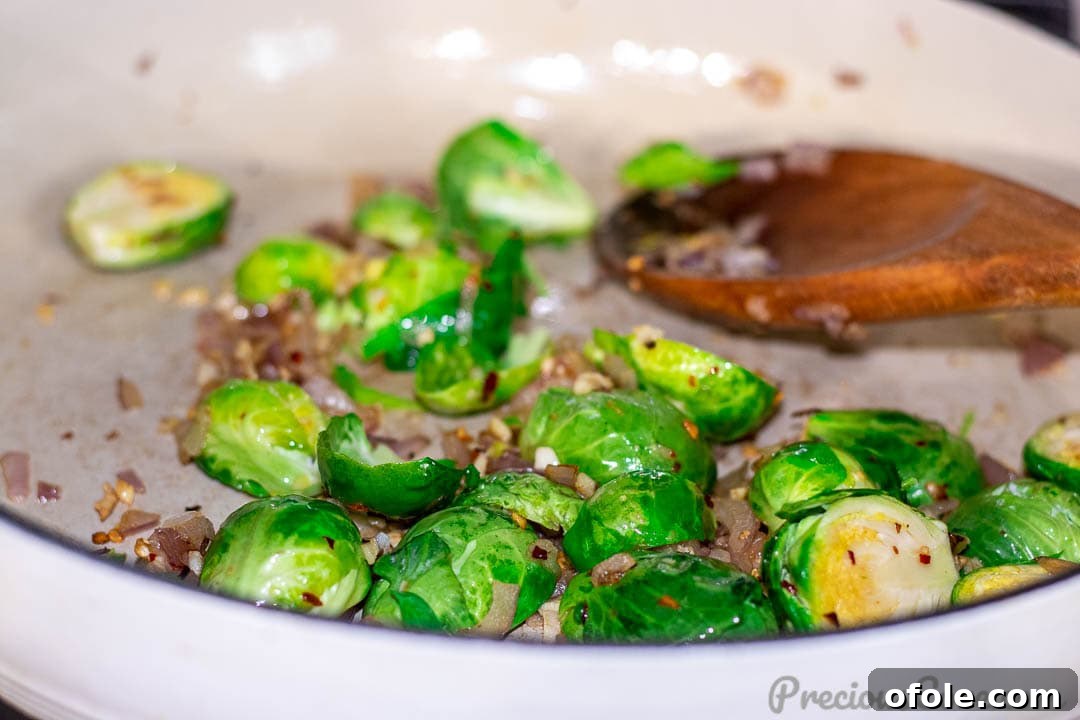
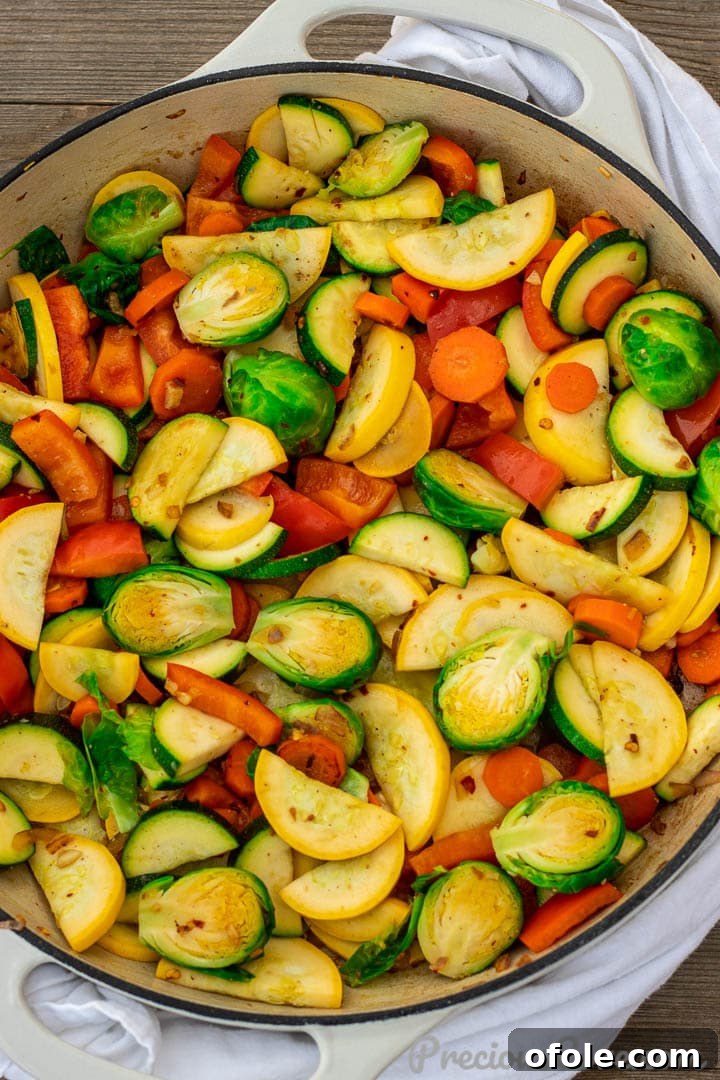
4. Add Vegetables in Stages: This is arguably the most critical and often overlooked step for achieving uniformly cooked and perfectly textured vegetables. Start by adding the “harder” vegetables first – those robust varieties that typically require a longer cooking time to become tender. In this specific recipe, that would be the halved Brussels sprouts and the sliced carrots. Add the Brussels sprouts to the pan and thoroughly stir them, allowing them to cook for approximately 1 minute. Then, meticulously add the carrots and stir, letting them cook for an additional 30 seconds. Next, gracefully incorporate the vibrant bell peppers and stir, cooking for another 30 seconds. Finally, introduce the softer and quicker-cooking vegetables, such as the sliced zucchini and yellow squash, and stir gently to combine everything. By systematically adding vegetables with progressively longer cooking times first, you fundamentally ensure that all vegetables will reach a similar, ideal crisp-tender doneness simultaneously, preventing overcooked soft vegetables and undercooked hard ones. Continue to sauté all the vegetables, stirring frequently to ensure even exposure to the heat, until they collectively reach your desired level of tenderness and develop slight browning.
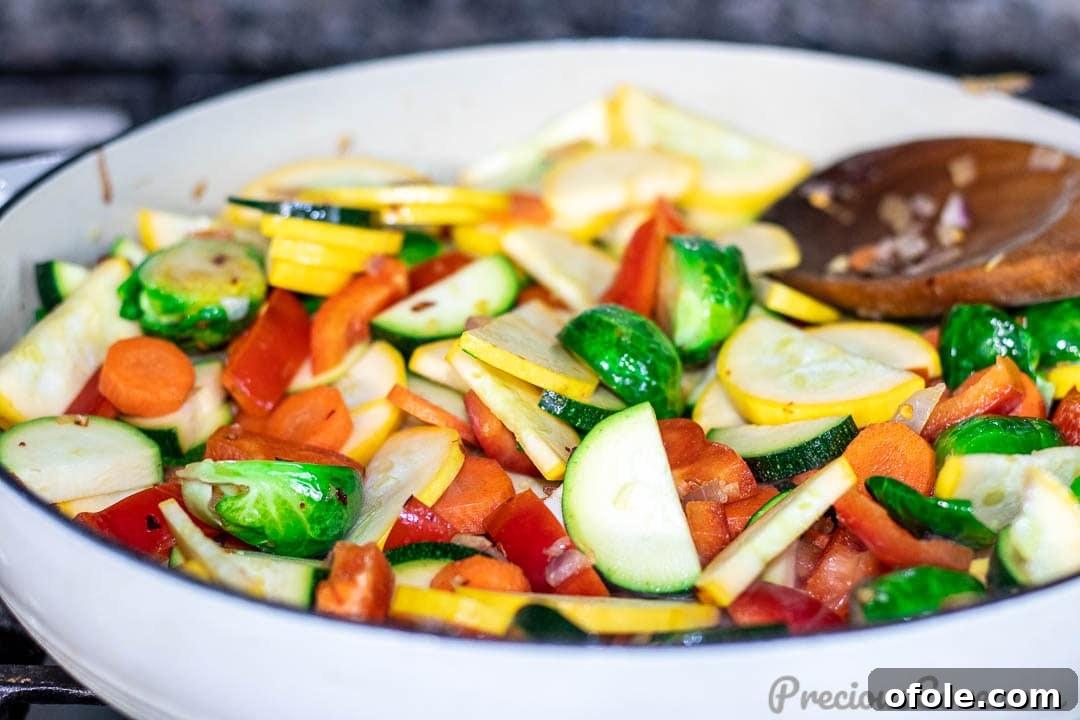
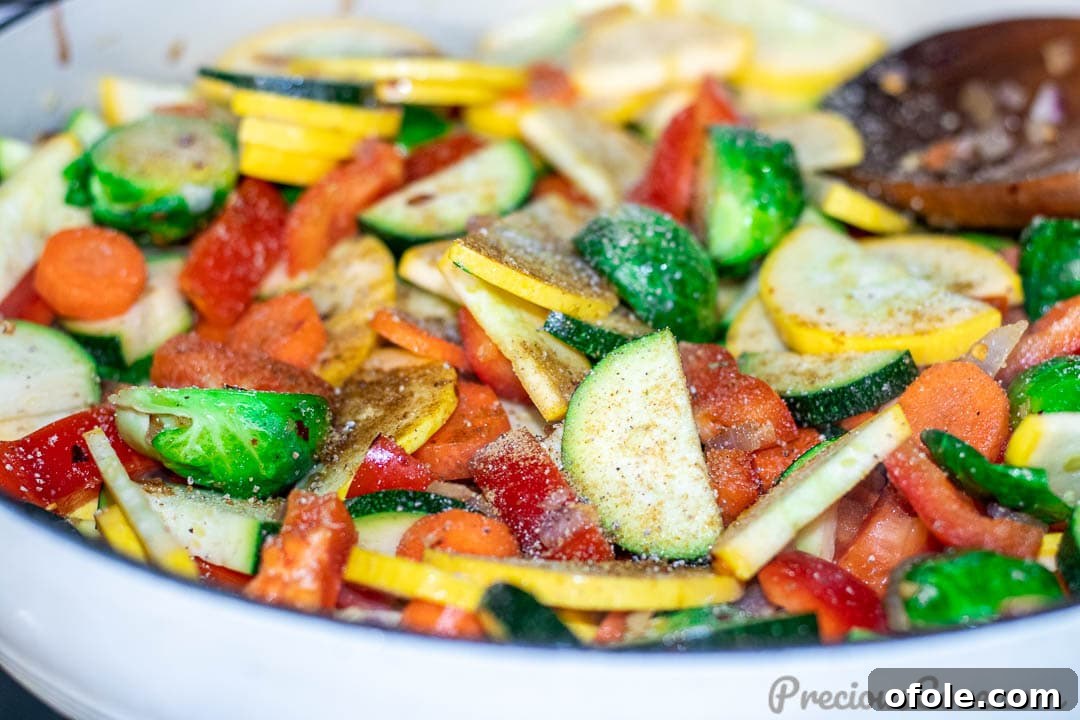
5. Season and Serve: Once all the vegetables are finally in the pan and have begun to soften to your liking, generously sprinkle over your carefully chosen seasonings: the essential salt, pepper, and that delightful bouillon powder. Toss everything exceptionally well and thoroughly to ensure the seasonings evenly coat every single piece of vegetable, infusing them with flavor. Allow them to cook together for another 2 minutes, stirring occasionally, to allow the flavors to meld beautifully. During the very final minute of cooking, it’s crucial to taste the sautéed vegetables and make any necessary minor adjustments to the seasoning. The ultimate goal is perfectly crisp vegetables with a tender, yielding interior, bursting with fresh, savory flavor. Serve immediately while still warm to fully enjoy their optimal fresh taste and delightful texture. These vibrant vegetables are best enjoyed right off the stove.
Pro Tips for Flawless Sautéed Vegetables
Elevate your sautéed vegetable game from good to absolutely phenomenal with these expert tips, meticulously ensuring a consistently perfect and delicious outcome every single time you cook:
- Ensure Ample Oil and Utilize a Quality Skillet: The precise amount of oil, ideally enough to lightly but thoroughly coat the entire bottom of the pan (avoiding deep-frying), combined with a high-quality non-stick or impeccably seasoned cast-iron skillet, is of paramount importance. This powerful combination crucially prevents your precious vegetables from annoyingly sticking, vigorously promotes beautifully even cooking, and, most importantly, allows them to achieve that desirable, deep, slight caramelization without any risk of burning, resulting in superior flavor and texture.
- Master the Art of Experimentation with Additional Ingredients: This recipe is incredibly adaptable, serving as a blank canvas for your culinary creativity! Feel entirely free to enthusiastically toss in other delightful and flavorful ingredients such as delicate leafy greens (think tender spinach, hearty kale, or vibrant Swiss chard), bright and zesty green onions, wonderfully sweet grape tomatoes, or even richly flavored diced fresh tomatoes for an added explosion of flavor and intriguing texture. For a substantial boost of protein, thoughtfully consider incorporating pre-cooked chicken pieces, firm tofu, or wholesome chickpeas towards the very end of the cooking process. When incorporating more ingredients, you might find that you need to add a little extra oil to adequately compensate and ensure everything cooks properly and evenly.
- Boost Umami with Soy Sauce or Coconut Aminos: For an intensely deeper, more complex, and profoundly savory flavor (known as umami), a very small, judicious splash of soy sauce or its fantastic gluten-free counterpart, coconut aminos, can work absolute wonders, transforming the flavor profile. However, remember that these are incredibly potent and concentrated ingredients, so a little genuinely goes a long, long way. Add them cautiously towards the very end of cooking, tasting as you go to achieve perfect balance and avoid over-salting.
- Garnish Thoughtfully for Superior Presentation and Enhanced Flavor: A simple yet highly effective way to significantly enhance the overall presentation of your dish and inject a fresh, vibrant pop of flavor when serving is to generously sprinkle on some finely chopped fresh herbs, such as fragrant parsley, zesty cilantro, or mild chives. For an exquisite touch of rich, deeply savory goodness, a light dusting of freshly grated Parmesan cheese can truly highlight and accentuate the very best qualities of the sautéed vegetables. A final, refreshing squeeze of fresh lemon juice just before serving also magically brightens and awakens all the beautiful flavors in the dish.
- Batch Cooking? Always Opt for a Larger Pan or Cook in Batches: If your intention is to confidently double or even triple the recipe for efficient meal prep throughout the week or to cater to a larger crowd, it is absolutely essential to ensure you either utilize a significantly larger skillet or, alternatively, cook your vegetables in manageable batches. Overfilling the pan will inevitably lower the cooking temperature dramatically and can regrettably lead to the vegetables steaming rather than properly sautéing, resulting in a soggy, unappetizing, and significantly less flavorful outcome. Ample space for the vegetables to breathe and make direct contact with the hot pan is paramount for achieving that coveted proper browning and crisp-tender texture!
- Optimal Storage and Reheating Techniques: Meticulously store any leftover sautéed vegetables in a clean, airtight container in the refrigerator for a safe duration of up to 3-4 days. To expertly reheat them, you have several excellent options at your disposal: gently warm them in the microwave until heated through, reheat them on the stovetop over medium heat with a tiny splash of water or vegetable broth to prevent drying, or, for an extra satisfyingly crispy texture, quickly pop them into an air fryer for a few minutes until they are perfectly warmed through and slightly re-crisped.
- Strategically Deglaze for Concentrated Extra Flavor: If you keenly observe flavorful browned bits, often referred to as “fond,” adhering to the bottom of your pan after the sautéing process, absolutely do not let them go to waste! These bits are flavor gold. Expertly deglaze the hot pan with a splash of aromatic vegetable broth or even just a little plain water. Vigorously scrape up those delicious, concentrated bits with a sturdy wooden spoon – they contain an incredible amount of rich, concentrated flavor that can be seamlessly incorporated back into your sautéed vegetables or expertly used as a robust base for a light, flavorful sauce. Using broth for deglazing imparts significantly more depth and complexity than mere water.
Best Vegetables to Sauté for Optimal Flavor and Texture
The inherent beauty of sautéing is that virtually any vegetable can be transformed into a delicious and appealing side. However, some vegetables truly shine and excel with this specific cooking method, consistently offering a delightful combination of optimal flavor and irresistible texture. Here’s a comprehensive list of excellent choices, categorized roughly by how you might consider their cooking times, which is crucial for achieving an evenly cooked medley:
- Hardier Vegetables (Always add first): These require more time to become tender.
- Carrots: Naturally sweet, vibrantly colored, and adept at holding their pleasant crispness well, adding a foundational texture.
- Brussels Sprouts: Possess an earthy, slightly nutty flavor, and become wonderfully tender-crisp with a beautiful, deep caramelization when sautéed correctly.
- Broccoli: The florets develop enticingly slightly charred edges and a firm, tender bite that is satisfying.
- Cauliflower: Similar to broccoli, it transforms into a nutty and sweet delight when sautéed, absorbing flavors beautifully.
- Fresh Green Beans: Maintain a remarkably satisfying snap and absorb surrounding flavors exquisitely, making them highly versatile.
- Asparagus: Develops a tender, succulent texture with distinctively slightly crispy tips, offering an elegant touch.
- Cabbage (shredded or chopped): Softens beautifully while still retaining a pleasing, subtle crunch, adding textural interest.
- Medium to Softer Vegetables (Add after hardier ones): These cook more quickly and should be added later.
- Bell Peppers: Sweet, wonderfully colorful, and consistently maintain a pleasant, fresh crunch.
- Zucchini: Highly absorbent of flavors and becomes tender without becoming mushy if cooked correctly.
- Yellow Squash: Very similar to zucchini, offering a mild, subtly sweet flavor and a tender texture.
- Mushrooms (cremini, button, shiitake): Develop a rich, profound umami flavor and a satisfyingly meaty texture when browned.
- Snow Peas/Sugar Snap Peas: Quick-cooking and provide an irresistible sweet crunch, perfect for a fresh accent.
- Green Peas (frozen or fresh): Add an delightful pop of sweetness and a vibrant green color, enhancing visual appeal.
Never be afraid to boldly mix and match your favorite vegetables from these categories to confidently create your absolutely perfect medley! A superb strategy is to always aim to combine different colors, varying textures, and complementary flavors for a visually stunning, nutritionally diverse, and profoundly satisfying dish that will delight your palate.
How Long to Sauté Vegetables for Crisp-Tender Perfection
The ideal sautéing time for most common vegetables, when cooked expertly on medium-high heat, typically ranges from a swift 3 to a maximum of 5 minutes. However, it’s important to note that this timeframe can fluctuate slightly based on the specific vegetable’s inherent density and how thinly it has been meticulously sliced or chopped. The absolute key to achieving superior results is to consistently utilize medium-high heat. This intentionally higher temperature allows the vegetables to rapidly and efficiently brown and beautifully caramelize on their exterior, which develops incredibly delicious and complex savory flavors, while simultaneously and crucially locking in their precious natural moisture, thereby keeping the interior wonderfully tender and succulent. This technique prevents the vegetables from becoming limp or watery.
A common and easily avoidable mistake is to unfortunately overcook vegetables, which can regrettably cause them to become limp and unappealing, lose their naturally vibrant color, and, perhaps most significantly, diminish their vital nutritional content. We are ultimately aiming for that coveted sweet spot: vegetables that are delightfully crisp on the outside with a tender, yet still slightly firm, interior – a texture often aptly referred to as “al dente” for vegetables. They should still possess a satisfying bite and retain their fresh, garden-fresh qualities. Therefore, it is essential to keep a very close eye on them throughout the cooking process and taste them frequently during the last few crucial minutes of cooking to ensure they reach your exact preferred level of doneness and textural perfection.
Can You Sauté Frozen Vegetables? Yes, and Here’s How!
Absolutely, you can most certainly sauté frozen vegetables, and it is a genuinely fantastic time-saving trick that proves invaluable for those incredibly busy days or when fresh produce isn’t readily accessible! While fresh vegetables typically offer a distinctly crisper, more vibrant texture, frozen varieties still deliver great, consistent flavor and a wealth of essential nutrients. It’s worth noting that the freezing process can cause vegetables to lose a little bit of their initial firm crunch, potentially resulting in a slightly softer texture once cooked. However, this minor textural difference certainly does not detract from their deliciousness or their invaluable ability to contribute significantly to a healthy and well-rounded meal.
Sautéing frozen vegetables is particularly convenient and efficient for whipping up quick weeknight dinners, streamlining your meal prepping efforts, or simply when fresh produce isn’t readily available in your kitchen. I frequently stock up on large, economical bags of various mixed frozen vegetables from warehouse clubs like Costco, keeping them strategically stored in my freezer for those moments when I urgently need a fast, nutritious, and minimal-fuss side dish without the extra time commitment of washing, peeling, and chopping fresh ingredients. It’s an excellent, practical way to ensure you always have a diverse selection of vegetables conveniently on hand, ready to transform into a flavorful dish at a moment’s notice.
How To Sauté Frozen Vegetables: A Detailed Guide
Sautéing frozen vegetables follows a very similar and straightforward procedure to fresh ones, with just a few minor considerations to ensure you achieve the absolute best results possible and maximize their potential:
- Initiate with Aromatics: Just as you would with fresh vegetables, begin by heating your chosen oil (olive oil, avocado oil, etc.) in a large, sturdy skillet over a medium-high heat. Add your finely diced onions and sauté them until they become wonderfully translucent and fragrant, then follow by adding the minced garlic to build that essential, robust flavor base. This crucial initial step is imperative regardless of whether your vegetables are fresh or frozen, as it lays the groundwork for the dish’s overall taste.
- Add Frozen Vegetables Directly: There is absolutely no need to painstakingly thaw frozen vegetables beforehand. In fact, adding them directly to a searing hot pan can surprisingly help them cook more evenly and, more importantly, prevent them from becoming overly watery or mushy. The high heat will rapidly and efficiently evaporate any excess moisture released during cooking, allowing for better browning.
- Sauté and Stir Consistently: Once your aromatics are beautifully fragrant and slightly softened, add the frozen vegetables directly to the hot pan. Stir them frequently and vigorously to ensure wonderfully even cooking and to encourage the quick evaporation of moisture. The initial release of moisture from the frozen vegetables will inevitably create some steam; this is entirely normal and expected. Continue to cook, allowing all the excess water to evaporate thoroughly, and patiently wait for the vegetables to begin to brown slightly, developing those coveted complex flavors. This specific process might understandably take a few minutes longer compared to sautéing fresh vegetables.
- Season Appropriately and Taste: Once the majority of the moisture has successfully evaporated and the vegetables are tender to your liking, generously sprinkle in your chosen seasonings: the essential salt, pepper, and that delightful bouillon powder. Toss everything exceptionally well to thoroughly combine and ensure the seasonings are perfectly distributed throughout the vegetables. Continue to cook for another 1-2 minutes, allowing all the wonderful flavors to meld together harmoniously. Finally, taste the sautéed frozen vegetables and make any necessary last-minute adjustments to the seasonings as needed.
The ultimate goal is still to achieve tender-crisp vegetables, although as previously mentioned, the “crisp” texture might be slightly less pronounced than what you would expect from fresh produce. Nevertheless, enjoy your convenient, incredibly flavorful, and wonderfully satisfying frozen vegetable sauté!
What To Serve With Sautéed Vegetables: Pairing Suggestions
The inherent beauty of perfectly sautéed vegetables lies in their incredible versatility, making them an ideal companion for nearly any meal. They effortlessly make an excellent accompaniment to a wide range of main courses, enhancing any dish with their fresh flavors, vibrant colors, and delightful textures. Here are some delectable pairing suggestions to inspire your next meal:
- Pan Grilled Salmon: The rich, buttery flavor and flaky texture of pan-grilled salmon are beautifully balanced by the light, fresh, and slightly crisp taste of sautéed vegetables.
- Lemon Butter Tilapia: The bright, zesty, and citrusy notes of lemon butter tilapia perfectly complement the earthy goodness and savory depth of the sautéed vegetables.
- Cajun Salmon: The spicy kick and bold flavors of Cajun salmon find a wonderfully cooling and refreshing partner in a vibrant medley of sautéed vegetables, creating a harmonious contrast.
- Herb Roasted Chicken: This is a classic and universally loved pairing, where the aromatic, tender herb-roasted chicken beautifully marries with the seasoned and caramelized vegetable blend.
- Pan Seared Tilapia: Light and flaky pan-seared tilapia truly benefits from the texture and flavor contrast offered by the tender-crisp sautéed vegetables.
- Pan Seared Ribeye Steak: A hearty, rich, and intensely flavorful ribeye steak finds its ideal, healthy counterpoint in a vibrant, fresh, and wholesome vegetable side, balancing the meal.
- Easy Coconut Rice or other grains: The subtle sweetness and creamy texture of coconut rice, or the wholesome, earthy notes of quinoa or couscous, provide a wonderful and satisfying base for the savory and flavorful vegetables.
- Juicy Roast Turkey: During the festive holidays or any special occasion, sautéed vegetables serve as a lighter yet incredibly flavorful alternative or a delightful addition to traditional, often heavier side dishes.
- Lemon Butter Salmon: Another absolutely delightful salmon pairing, where the refreshing tang of lemon and the luxurious richness of butter find a fresh, bright, and invigorating companion in sautéed vegetables.
More Delicious Side Dishes You’ll Love
If you genuinely enjoy discovering and preparing quick, easy, and incredibly flavorful side dishes, then you’ll absolutely love exploring these other fantastic recipes. They are perfect for complementing and enhancing a wide variety of your main meals, ensuring your plate is always vibrant and delicious:
- Sauteed Peppers
- Oven Roasted Baby Potatoes
- 3 Ingredient Biscuits
- Chicken Macaroni Salad
If you make this incredibly delicious recipe, please consider taking a moment to leave a thoughtful comment and a well-deserved star rating below. Your feedback means the world to me, and I absolutely love hearing from you and seeing all of your wonderful culinary creations!
Sautéed Vegetables
Sautéed Vegetables are the perfect quick side dish, bursting with flavor and ready in no time. This recipe is an excellent addition to your dinner rotation for a boost of nutrients and makes an ideal holiday side. Enjoy it with various grains like rice, couscous, or quinoa, or alongside your favorite protein.
Prep Time: 20 minutes
Cook Time: 10 minutes
Total Time: 30 minutes
Servings: 4 servings
Pin Recipe
Rate
Print Recipe
Ingredients
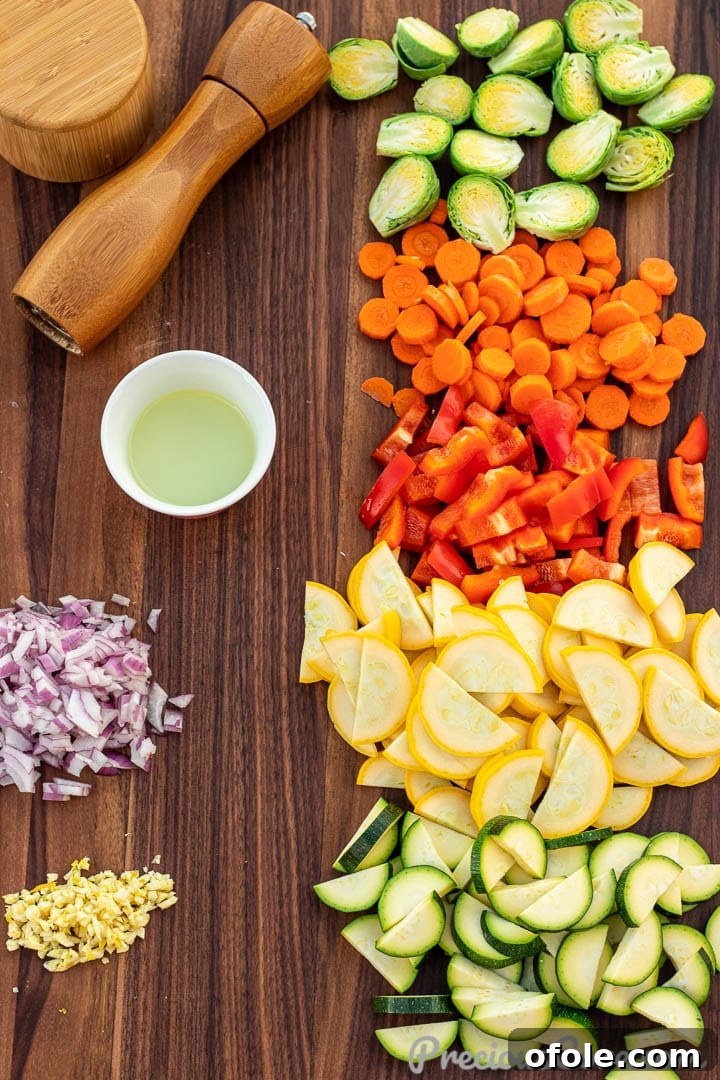
- 5 oz Brussels sprouts, about 10 Brussels sprouts (stalk trimmed and cut lengthwise in half for even cooking)
- 2 medium carrots (peeled and uniformly sliced into thin circles)
- 1 red bell pepper (sliced into appealing chunks, seeds and pith removed)
- 1 zucchini (cut into quarter-inch thick circles or elegant half moons)
- 1 yellow squash (cut into quarter-inch thick circles or elegant half moons)
- 2 tablespoons olive oil (or your preferred neutral oil like avocado or vegetable oil for sautéing)
- 1/2 cup diced red onion (finely diced for optimal flavor release)
- 1 tablespoon minced garlic (freshly minced for best aroma and taste)
- 1/2 teaspoon salt (fine sea salt or table salt, adjust to your personal taste)
- 1/2 teaspoon ground white pepper or black pepper (freshly ground, adjust to taste)
- 1/2 teaspoon beef bouillon powder (or substitute with chicken or vegetable bouillon powder for a rich, savory boost)
Instructions
- Prep the Veggies: Begin by thoroughly rinsing all your chosen vegetables under cold water. Proceed to chop them precisely according to the specifications in the ingredient list. Ensure that tougher vegetables are cut into smaller or thinner pieces than softer ones to promote an even cooking rate across the medley.
- Heat the Pan: Place a large, sturdy skillet or a reliable cast iron braiser pan (which excels at retaining heat) on your stovetop over a steady medium-high heat. Carefully add the olive oil and allow it to heat up until it visibly shimmers, indicating it’s reached the ideal temperature for effective sautéing.
- Sauté Aromatics: Add the finely diced onion to the hot skillet and stir constantly. Sauté for approximately 1 minute, or until the onion becomes beautifully translucent and starts to soften. Next, add the freshly minced garlic and stir, allowing it to cook in the oil for about 30 seconds to fully release its potent aroma and flavor. Be extremely careful not to burn the garlic.
- Sauté Vegetables in Stages: Introduce the Brussels sprouts to the pan first and stir them well, cooking for 1 minute. Then, add the carrots and stir, letting them cook for an additional 30 seconds. Next, incorporate the bell peppers and stir, cooking for another 30 seconds. Finally, add the zucchini and yellow squash, and stir to gently combine all the vegetables. This staged approach ensures that tougher vegetables have adequate cooking time, while softer ones are added later to achieve a consistent crisp-tender texture throughout. Continue to sauté all vegetables, stirring frequently, until they reach your desired level of doneness.
- Season and Finish: Once all the vegetables are in the pan and have softened to your preference, generously sprinkle over the salt, pepper, and bouillon powder. Toss everything exceptionally well and thoroughly to ensure the seasonings are perfectly distributed and coat every piece of vegetable. Allow them to cook together for a final 2 minutes, stirring occasionally, to allow the flavors to meld. The vegetables should remain crisp with a tender interior. Taste and adjust seasonings as needed before serving warm immediately.
Notes
- When sautéing a diverse mix of vegetables, it is always a best practice to begin by adding the tougher, harder vegetables to the hot pan first, and then systematically incorporate the softer, quicker-cooking ones. This strategic approach ensures wonderfully even cooking and a consistently perfect texture throughout the entire dish, preventing some vegetables from becoming overcooked while others remain undercooked.
- This recipe is extraordinarily customizable! Feel completely free to add any other kinds of vegetables you personally enjoy, such as vibrant broccoli florets, tender cauliflower florets, earthy sliced mushrooms, elegant asparagus spears, crisp fresh green beans, or even sweet green peas. A superb rule of thumb for creating a truly stunning dish is to consciously go for vegetables with varying, contrasting colors. This not only leads to a magnificent pop of color on your plate but also contributes to a richer nutritional profile! Furthermore, making this versatile recipe is an excellent, practical way to efficiently clean out your fridge! Don’t hesitate to utilize any leftover vegetables you happen to have on hand, minimizing food waste and maximizing flavor!
Nutrition
Calories: 122 kcal | Carbohydrates: 15g | Protein: 3g | Fat: 6g | Saturated Fat: 1g | Polyunsaturated Fat: 1g | Monounsaturated Fat: 4g | Cholesterol: 0.03mg | Sodium: 397mg | Potassium: 593mg | Fiber: 4g | Sugar: 7g | Vitamin A: 6491IU | Vitamin C: 89mg | Calcium: 51mg | Iron: 1mg
Additional Info
Course: Side Dish
Cuisine: American
Calories: 122
Tried this recipe? We’d love to see your creations! Mention @preciouscore or tag #PreciousCore on Instagram!
Note: This post was first published on February 3, 2021. It has since been thoroughly updated with clearer, more detailed instructions, significantly expanded content, and even more valuable tips to enhance your overall cooking experience and ensure consistently delicious results.