
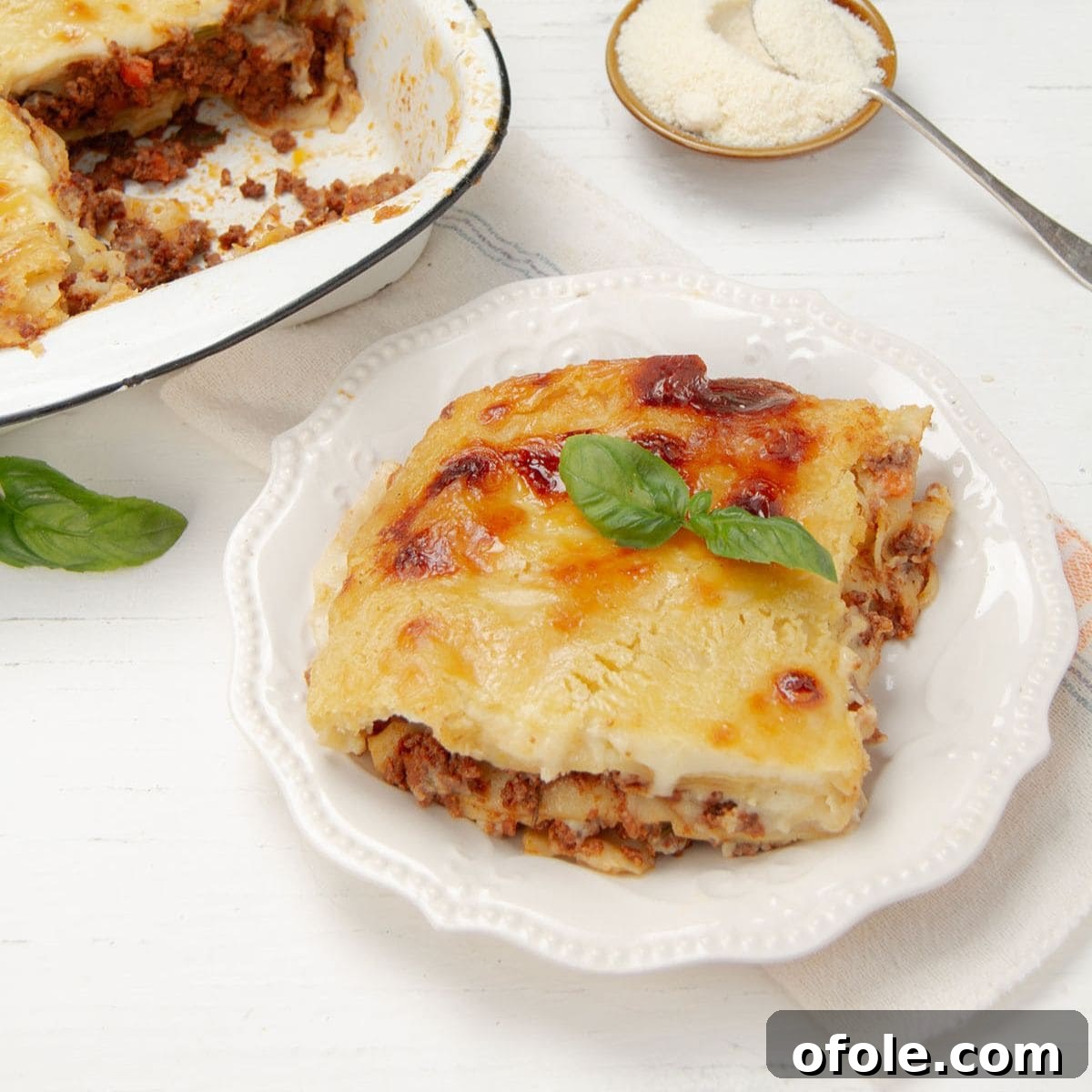
Indulge in the ultimate comfort food with this exquisite recipe for **Lasagna with Béchamel Sauce**. Imagine tender pasta sheets embracing layers of rich, slow-cooked Bolognese and a luscious, homemade béchamel sauce. This timeless Italian classic offers a culinary journey that’s both ancient in its origins and universally loved for its delectable flavors and comforting warmth.
Whether you’re planning a cozy Sunday supper, preparing for a festive holiday gathering like Christmas or Thanksgiving, or simply seeking a hearty dinner to delight your family and friends, this béchamel lasagna recipe is an absolute masterpiece. It stands apart from many variations by featuring the authentic, creamy white béchamel sauce, which creates an unparalleled richness and silky texture, making it undeniably the best lasagna you’ll ever taste – no ricotta or cottage cheese needed.
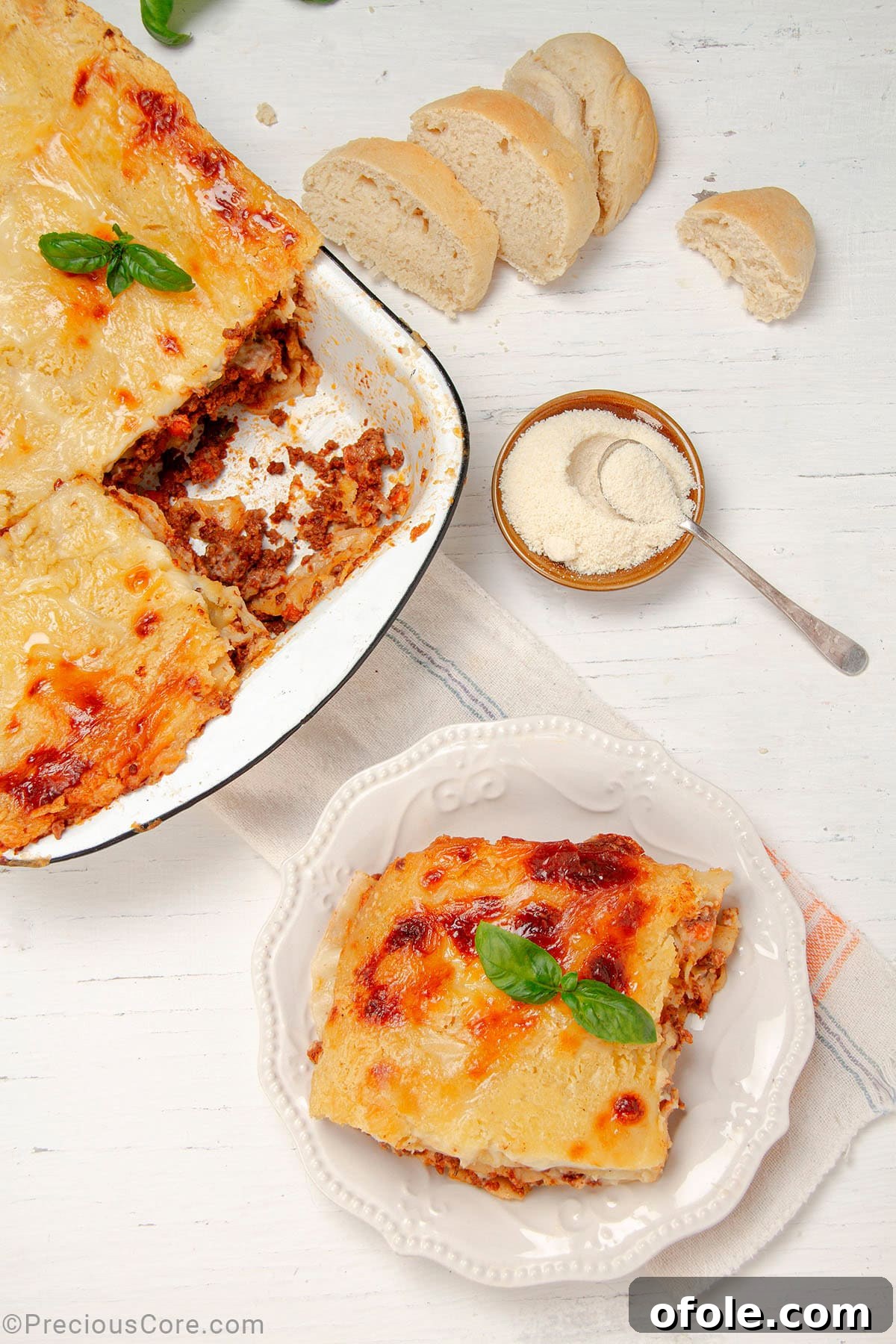
This traditional béchamel lasagna is a complete and satisfying meal on its own, but it truly shines when served alongside complementing dishes. Pair it with crusty Homemade French Bread for dipping into the exquisite sauces, a vibrant Cucumber Tomato and Onion Salad for a refreshing contrast, or some tender Fried Carrots and Garlic Butter Rolls. It’s the perfect centerpiece for feeding a crowd and creating cherished memories around the dinner table.
Table of Contents
- The Art of Authentic Lasagna with Béchamel Sauce
- Essential Ingredients for a Classic Lasagna
- Crafting the Perfect Homemade Béchamel Sauce
- Common Béchamel Challenges and Simple Solutions
- Preparing the Flavorful Bolognese (Ragu) Sauce
- Mastering the Art of Lasagna Layering
- Creative Variations and Substitutions
- Expert Tips for Lasagna Perfection
- Serving Suggestions
- More Delightful Family-Friendly Dinner Recipes
- Complete Lasagna with Béchamel Sauce Recipe
The Art of Authentic Lasagna with Béchamel Sauce
The history of lasagna is as rich and layered as the dish itself, with its origins tracing back to ancient Greece. A dish known as “Laganon” featured alternating layers of pasta and sauce, a concept later adopted and refined by the Romans as their empire expanded. Over centuries, this culinary tradition evolved, culminating in the beloved authentic Italian dish we know today.
For many, lasagna transcends mere sustenance; it symbolizes abundance, unity, and the joy of shared meals. For large families, it’s the perfect dish – a hearty, satisfying meal that consistently wins over everyone, especially children, with its soft textures and comforting flavors. This classic lasagna is a complete meal, incorporating tender meat, creamy dairy, and wholesome vegetables. I often bring a large tray of this béchamel lasagna to gatherings, allowing it to bake slowly as we chat, creating a relaxed and delightful atmosphere for a Sunday get-together.
Creating Lasagna with Homemade Béchamel is a true labor of love, but every single step contributes to an unforgettable culinary experience. The depth of flavor in this dish primarily comes from its components, especially the rich Bolognese sauce. I highly recommend preparing the Bolognese the night before. Allowing it to simmer slowly in a traditional pot for several hours, or even utilizing a 6-hour slow cooker program, will infuse the meat with incredible tenderness and marry the flavors beautifully, elevating your lasagna to an entirely new level of deliciousness.
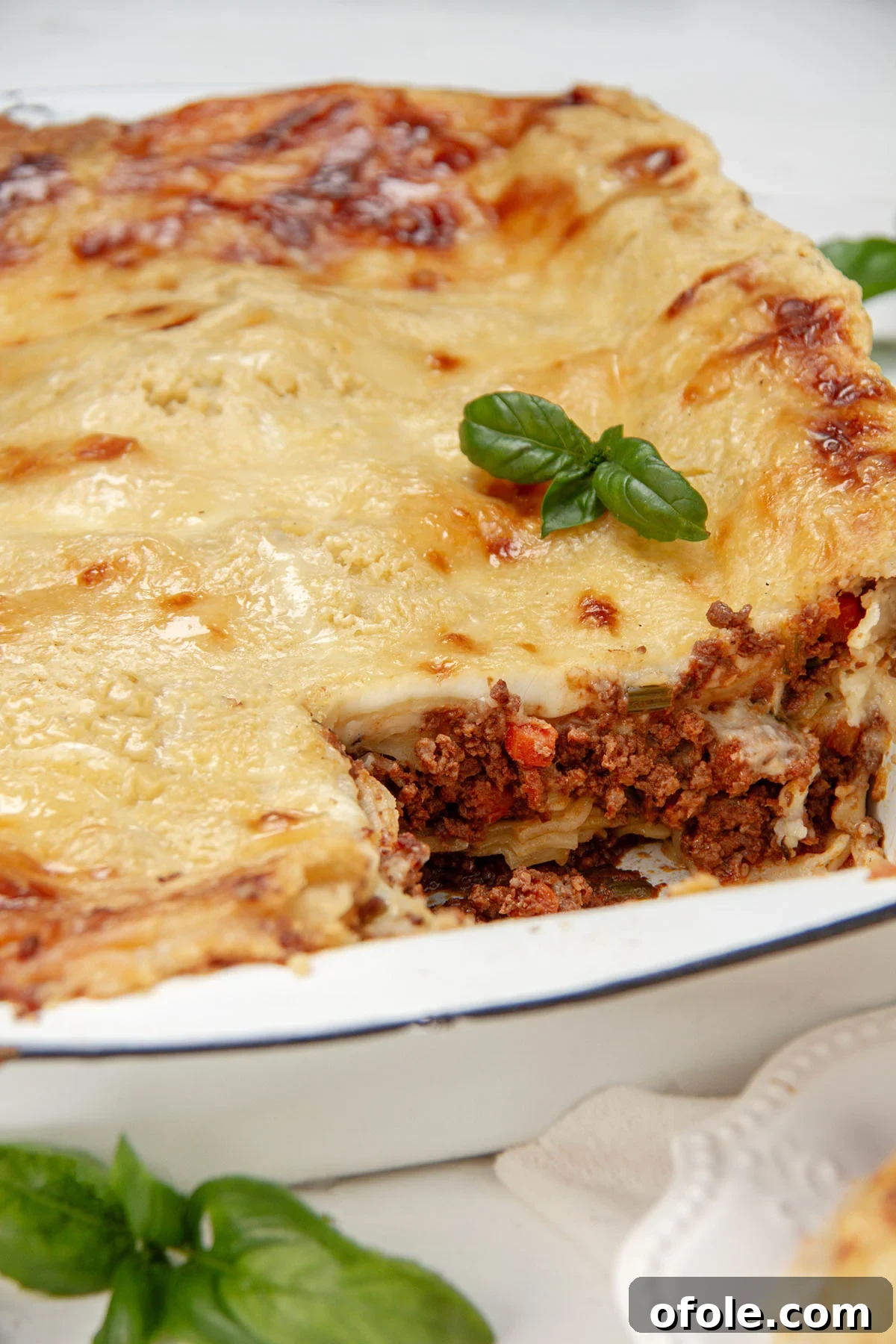
My family’s preferred Bolognese recipe starts with a classic mirepoix, an aromatic base of finely chopped onion, carrot, and celery. This foundational blend, prominent in French cuisine, provides an exquisite depth of flavor for the meat sauce. Beyond the mirepoix, I incorporate grated tomatoes, a touch of concentrated tomato paste, and essential seasonings, always including fragrant bay leaves and a pinch of dried oregano. Once the Bolognese is perfected, the next crucial step is crafting the silky homemade béchamel, which we will detail step-by-step below, along with the full assembly instructions for this remarkable Lasagna with Béchamel Sauce.
Essential Ingredients for a Classic Lasagna
To embark on your journey to create the best lasagna you will ever make, you’ll need a carefully selected array of ingredients for both the creamy béchamel sauce and the hearty Bolognese, as well as for assembling the entire dish. Gather your ingredients with care to ensure the most authentic and flavorful result.
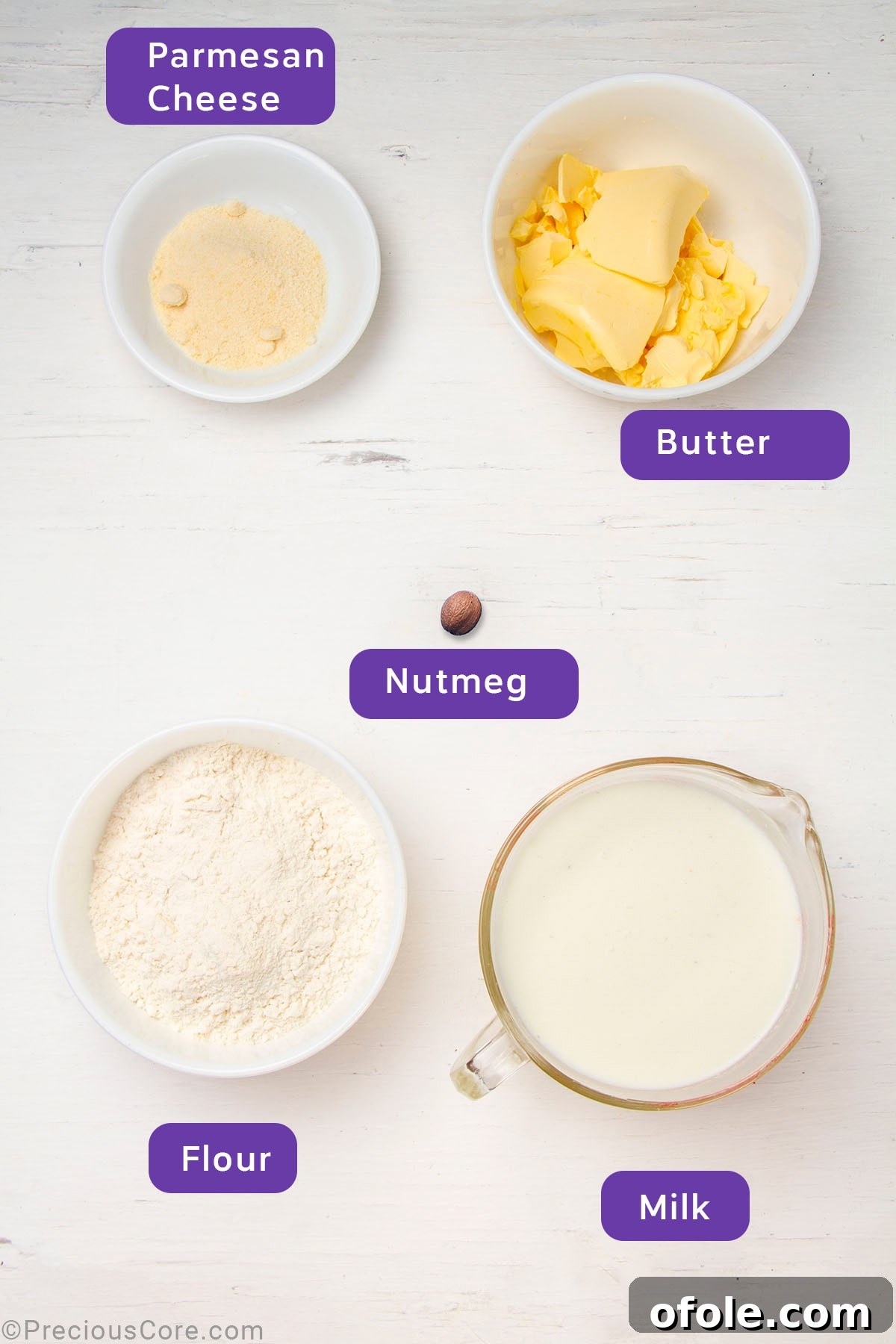
For the luxurious **homemade béchamel sauce**, the foundation is a classic roux, requiring equal parts of butter and all-purpose flour. This simple yet crucial base creates the creamy texture that defines this authentic Italian lasagna. You’ll also need fresh whole milk, a hint of grated nutmeg for that traditional béchamel warmth, and a touch of Parmesan cheese to enrich its flavor. See the complete list of precise measurements in the comprehensive recipe card further down this page.
The **Bolognese sauce** serves as the rich, flavorful heart of this lasagna. Its ingredients typically include a blend of aromatic vegetables (onion, carrot, celery), high-quality ground beef, ripe tomatoes (either grated fresh or canned crushed tomatoes work beautifully), and tomato paste for depth. Beef broth provides moisture and flavor, while bay leaves, dried oregano, paprika, salt, and black pepper complete this robust sauce. These elements combine to create a deeply savory and satisfying ragu that simmers to perfection.
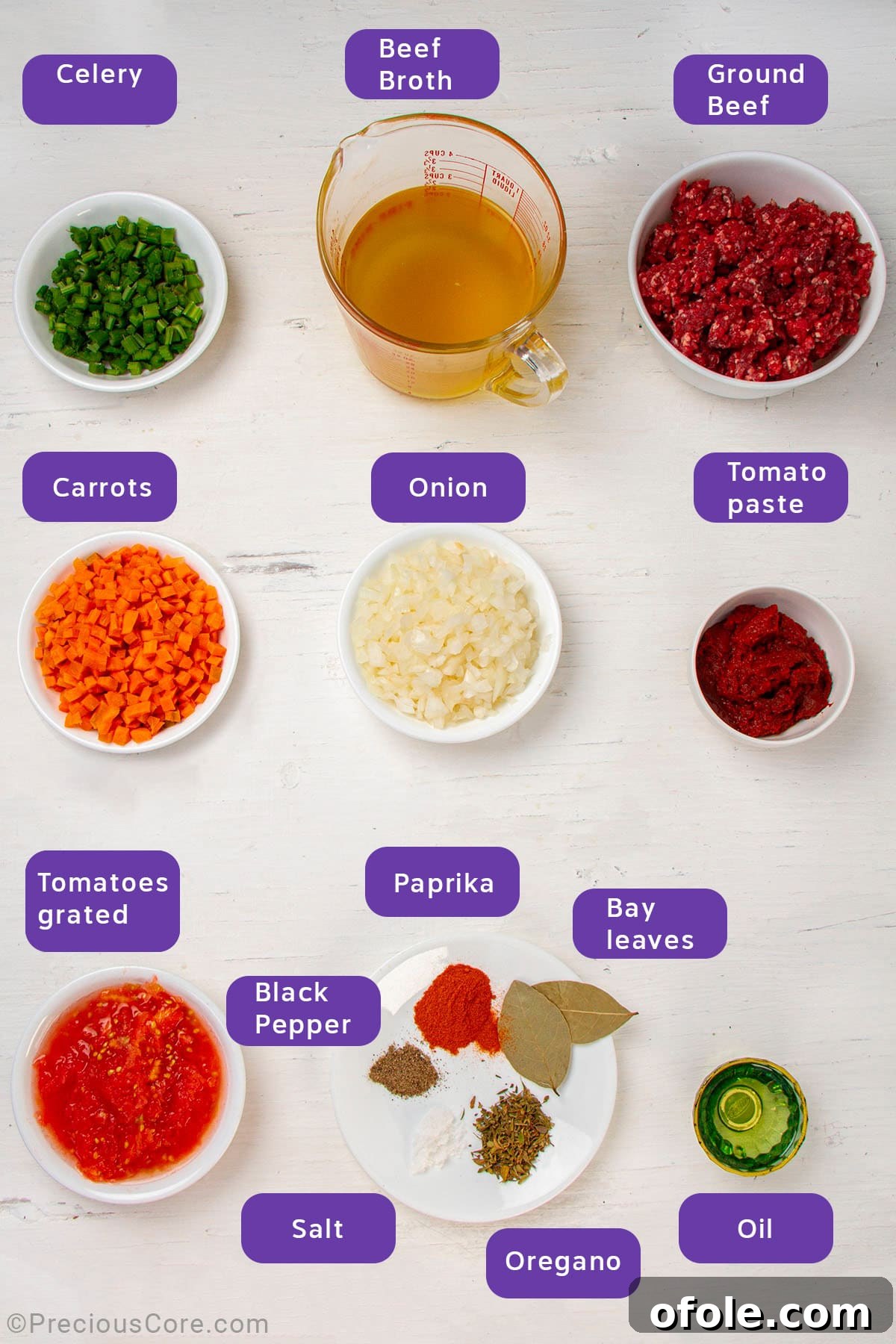
Finally, to **assemble your magnificent lasagna**, you’ll need the freshly prepared Bolognese and béchamel sauces, along with classic lasagna pasta sheets (often referred to as lasagna noodles). For that irresistible golden, bubbly topping, a generous amount of shredded mozzarella and grated Parmesan cheese is essential. These cheeses melt beautifully, creating a savory crust that perfectly complements the creamy layers beneath.
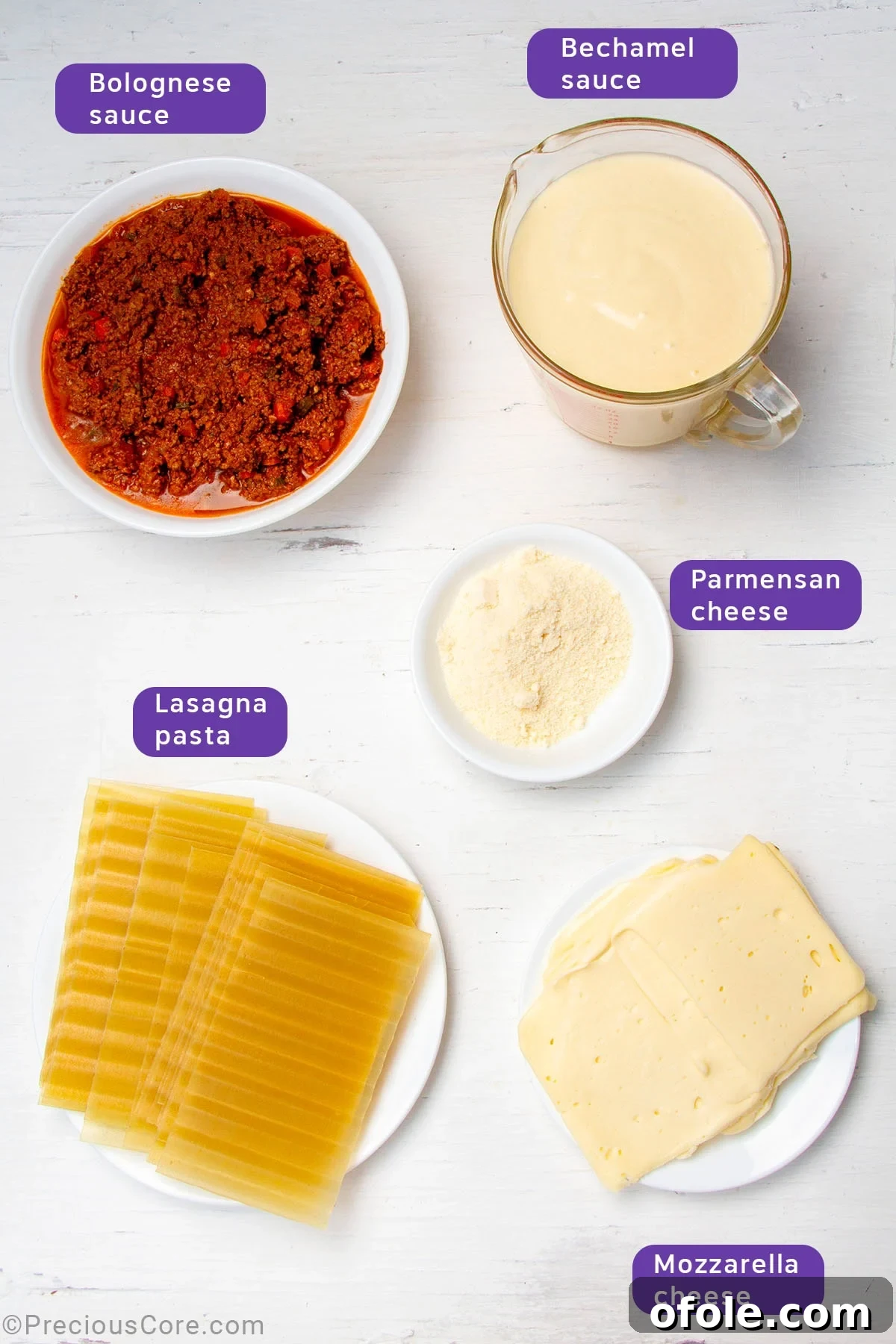
For the complete, detailed list of ingredients with precise measurements for each component, be sure to consult the full recipe card located at the end of this article.
Crafting the Perfect Homemade Béchamel Sauce
Homemade béchamel sauce, a cornerstone of classic French and Italian cuisine, might seem intimidating, but I assure you, it’s far simpler and more rewarding to make from scratch than you might imagine. This creamy white sauce is what gives authentic lasagna its signature silky texture and rich flavor. Here’s how to achieve béchamel perfection:
- The journey begins with precise measurement. For a well-balanced béchamel, you need equal parts butter and all-purpose flour. I typically use 250 grams (approximately 1 cup) of each. Begin by melting the butter gently in a sturdy saucepan over medium heat. Ensure the butter is fully melted but not browned before proceeding.
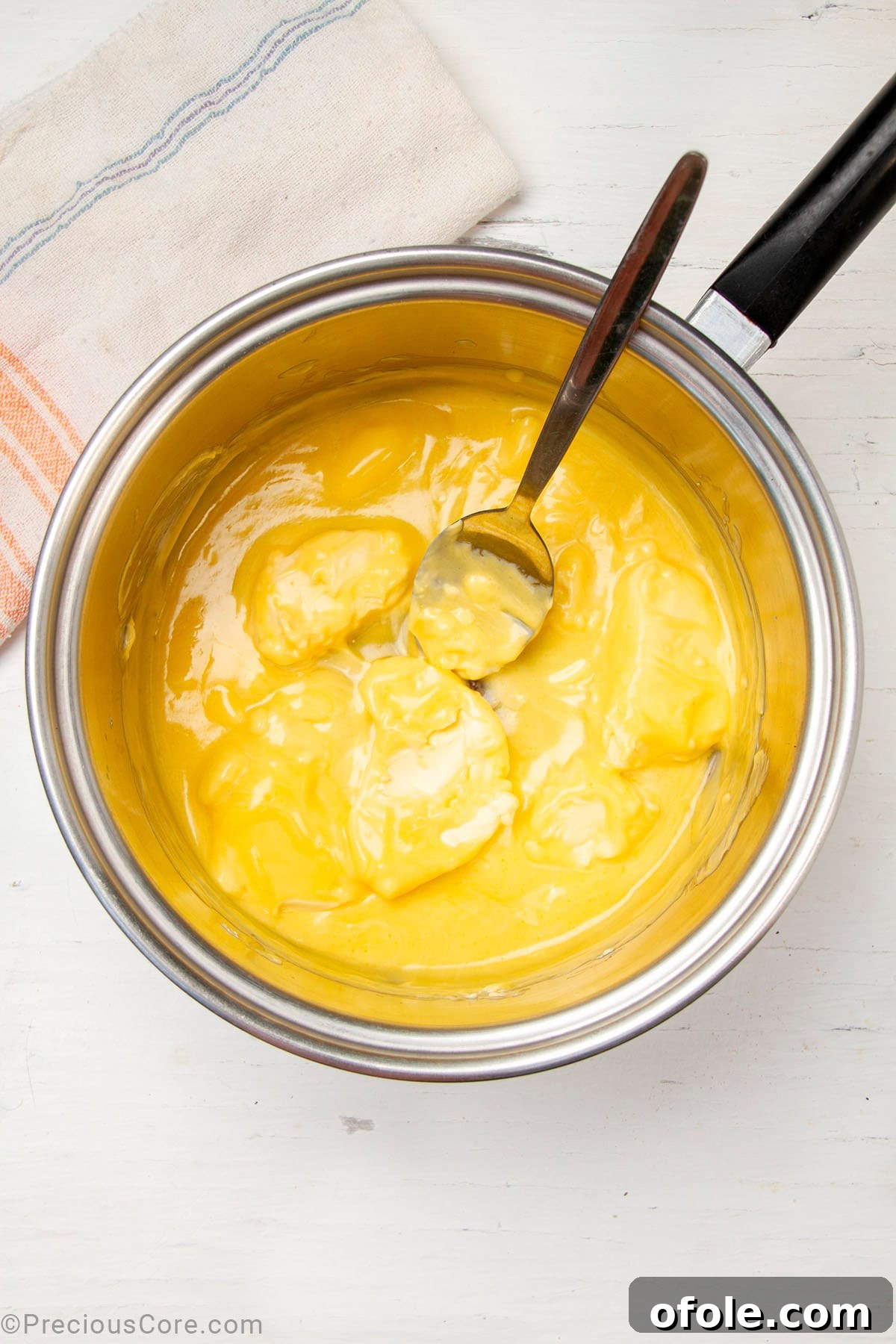
- Once the butter is melted and slightly foamy, incorporate the measured flour. Add it all at once and immediately begin mixing vigorously with a whisk or wooden spoon. This combination of butter and flour will quickly transform into a thick, lumpy mixture known as a roux. Continue to cook this roux for 2-3 minutes, stirring constantly. This step is vital as it cooks out the raw flour taste, ensuring a smooth and delicious sauce. The roux should take on a pale golden color.
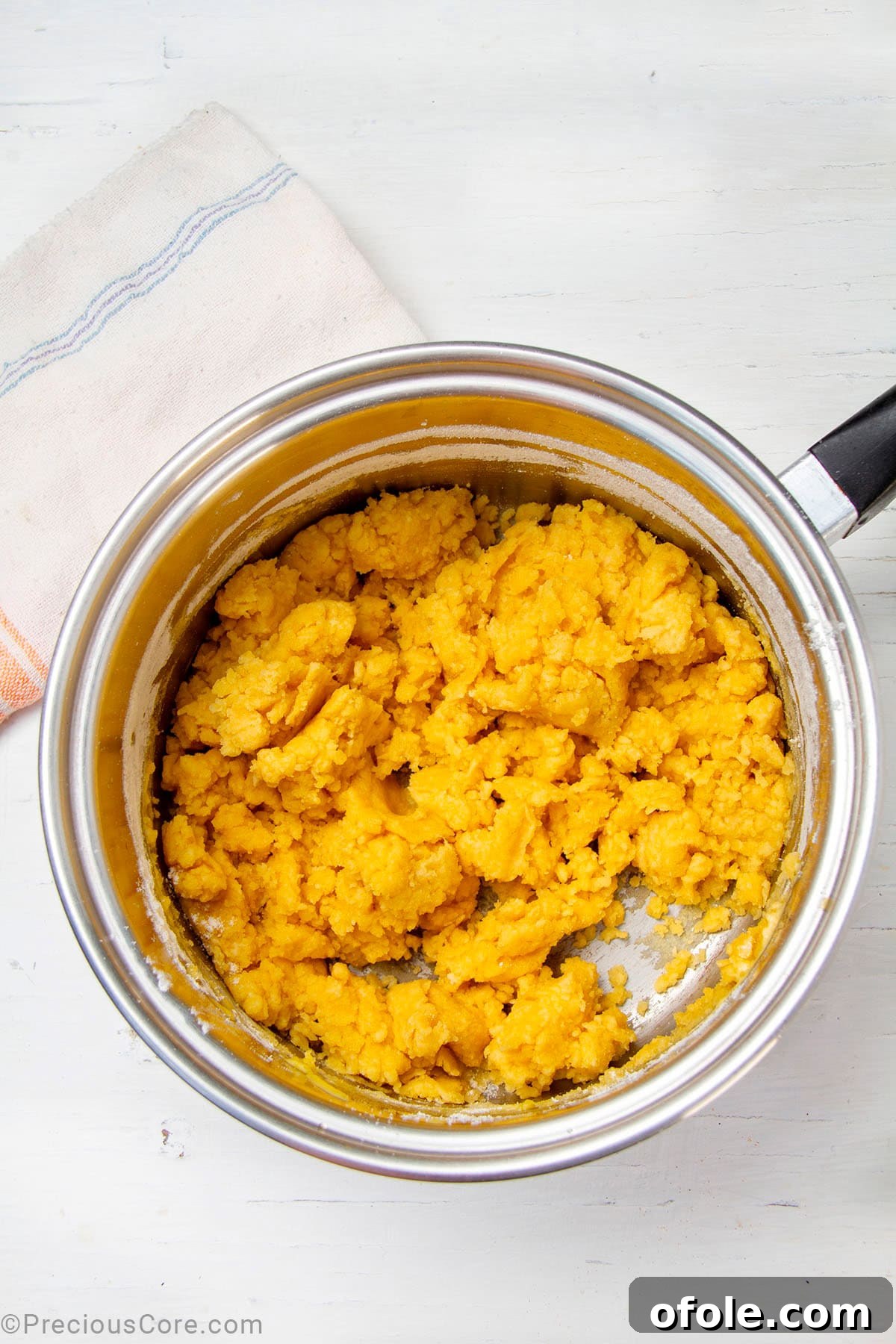
Top Tip for a Lump-Free Béchamel: The secret to a perfectly smooth béchamel sauce lies in the gradual addition of warm whole milk. Pour in a small amount of milk at a time, whisking continuously and vigorously, until each addition is fully incorporated before adding more. This steady whisking ensures the roux emulsifies properly with the milk, preventing any lumps from forming.
- Now, it’s time for the “magic.” Begin to gradually add the warm whole milk to the roux. It’s crucial that the milk is warm, not cold, as this helps prevent shocking the roux and creating lumps. Pour in small quantities of milk, all while continuously stirring with your whisk. Initially, the mixture may seem incredibly thick, but as you add more milk and continue whisking, a smooth, creamy sauce will begin to form.
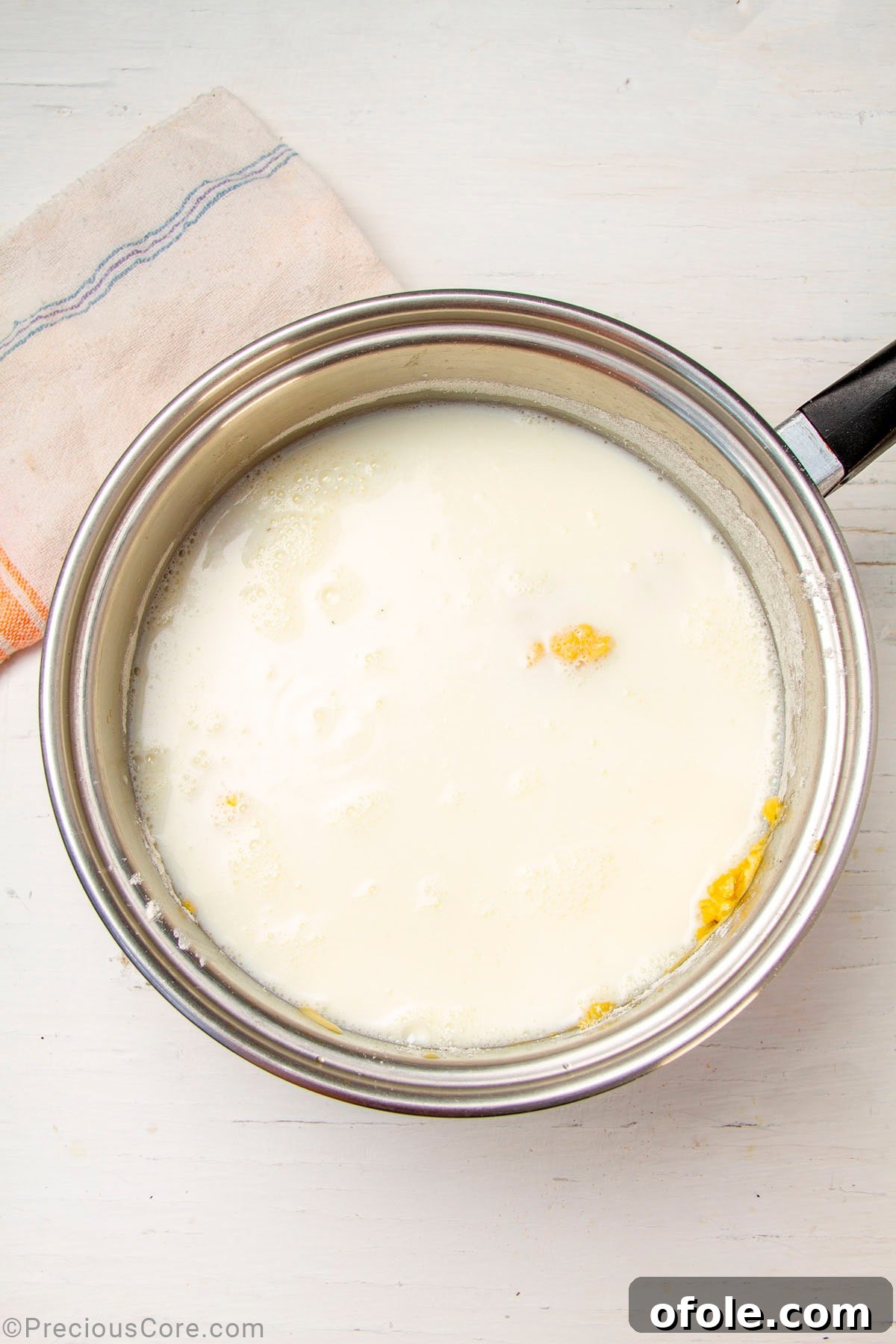
- Continue cooking and stirring the sauce over medium-low heat. As it gently simmers, you’ll observe it transforming into a beautifully thick and wonderfully creamy consistency. The ideal indicator of readiness is when the sauce is thick enough to coat the back of a wooden spoon, leaving a clear trail when you run your finger across it. This smooth texture is exactly what you’re aiming for.
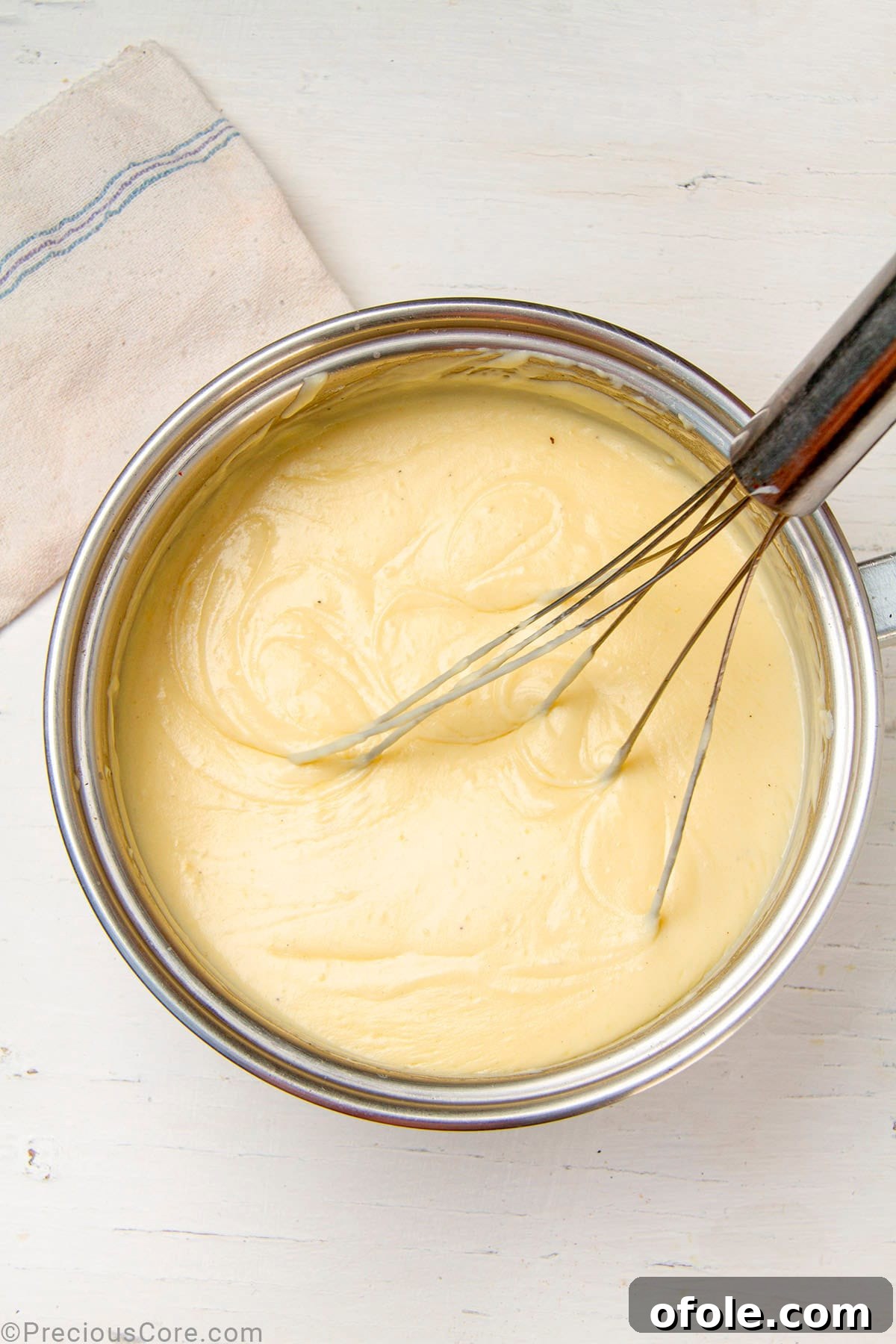
- Once your béchamel has reached this perfect consistency, remove the saucepan from the heat immediately.
- To infuse it with that classic béchamel flavor, stir in about a quarter cup of freshly grated Parmesan cheese and a delicate pinch of nutmeg. The nutmeg adds a subtle, warm aroma that perfectly complements the creamy richness. Taste and adjust seasoning with a pinch of salt if necessary.
Essential Béchamel Precaution: From the moment you begin melting the butter, keep all your ingredients close at hand. The key to successful béchamel is continuous attention. Never stop stirring the bottom of the pot. This crucial step prevents the sauce from sticking and forming a burnt crust, which can be incredibly difficult to salvage and could ruin the entire batch of your delicate sauce.
Common Béchamel Challenges and Simple Solutions
Even experienced cooks can encounter challenges when making béchamel, but most common issues are easily fixable. Don’t despair if your sauce isn’t perfect on the first try!
- Lumps: If, despite your best efforts, you find lumps in your béchamel (often due to insufficient whisking), there’s an easy fix. Carefully pour the lumpy sauce into a blender and process until it’s perfectly smooth. Then, return it to a clean saucepan over low heat and continue cooking, stirring gently, until it reaches your desired creamy consistency.
- Burnt Bottom: Sometimes, a hard, dark layer can form at the bottom of the pot if the heat was too high or stirring was inconsistent. First, taste the béchamel from the top of the pot. If it doesn’t have a burnt flavor, you can still save it! Immediately transfer the unburnt portion of the sauce to a clean pot, being very careful not to scrape the bottom. Discard the burnt layer at the bottom of the original pan.
- Hardened Top Layer (Skin): If you prepare your béchamel (or even the meat sauce) a day in advance and forget to cover it properly with plastic wrap directly touching the surface, a hardened skin can form. To remedy this, simply add a splash of warm milk to the sauce and then blend it again until it becomes smooth and creamy. The added moisture and blending will re-emulsify the sauce and remove the skin.
Preparing the Flavorful Bolognese (Ragu) Sauce
The Bolognese, or ragu, is the hearty, robust partner to the béchamel in this classic lasagna. Its rich, savory flavor comes from a combination of tender meat and aromatic vegetables simmered in a tomato base. Here’s how to create this essential component:
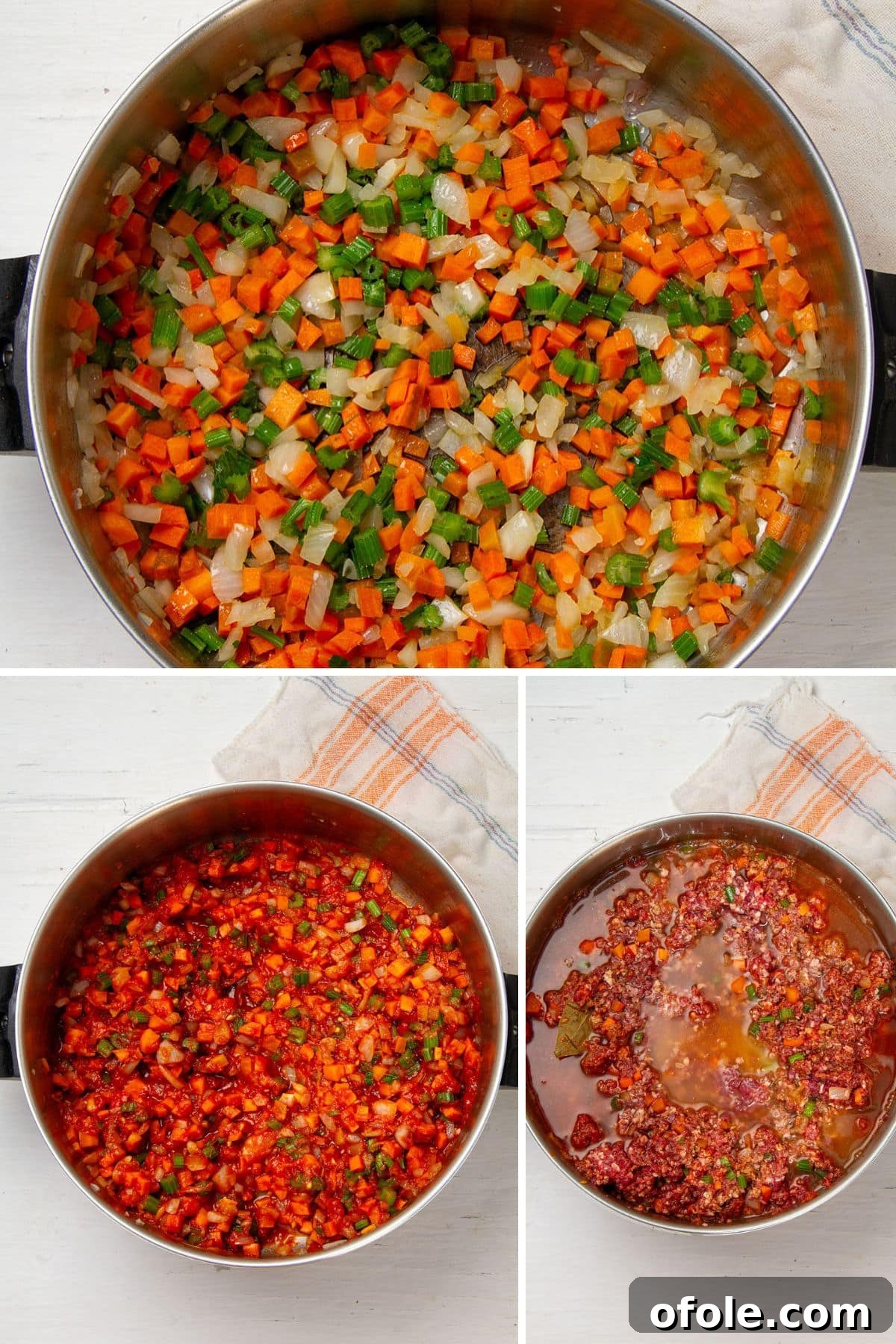
- Begin by heating olive oil in a large, heavy-bottomed pot or Dutch oven over medium-high heat. Add your finely chopped carrots, celery, and onions (the mirepoix). Sauté these aromatic vegetables until they soften and the onion becomes translucent, typically taking about 5-7 minutes. This step is crucial for building a flavorful foundation.
- Next, stir in the grated or crushed tomatoes and the tomato paste. Mix thoroughly, ensuring the tomato paste is well incorporated. This deepens the tomato flavor and color of your sauce. While grated fresh tomatoes offer a vibrant taste, good quality canned crushed tomatoes are an excellent substitute, especially out of season.
- Add the ground beef to the pot. Break it apart with a spoon and cook until it is evenly browned and fully cooked through, typically 8-10 minutes. Drain any excess fat if necessary, although lean ground beef usually doesn’t require this.
- Pour in the beef broth. This liquid is essential for simmering and tenderizing the meat. Then, add your chosen herbs and spices: bay leaves, dried oregano, paprika, and season generously with salt and black pepper to taste.
- Bring the sauce to a gentle boil, then reduce the heat to low, cover, and let it simmer. The longer the Bolognese simmers, the more the flavors meld and the meat becomes tender. Aim for at least 1.5 to 2 hours, stirring occasionally to prevent sticking. For the deepest flavor, simmer it for even longer, up to 6 hours on low heat or in a slow cooker. The sauce should be rich, thick, and incredibly aromatic.
Mastering the Art of Lasagna Layering
With your rich Bolognese and creamy béchamel sauces perfectly prepared, you are now ready for the satisfying final step: assembling your magnificent béchamel lasagna. For convenience and to save time, I highly recommend using no-boil lasagna noodles. Before you begin layering, take a moment to ensure your meat sauce is deliciously juicy, not dry. If it has thickened too much or dried out during simmering, simply add a splash more water or beef broth to achieve a spoonable consistency.
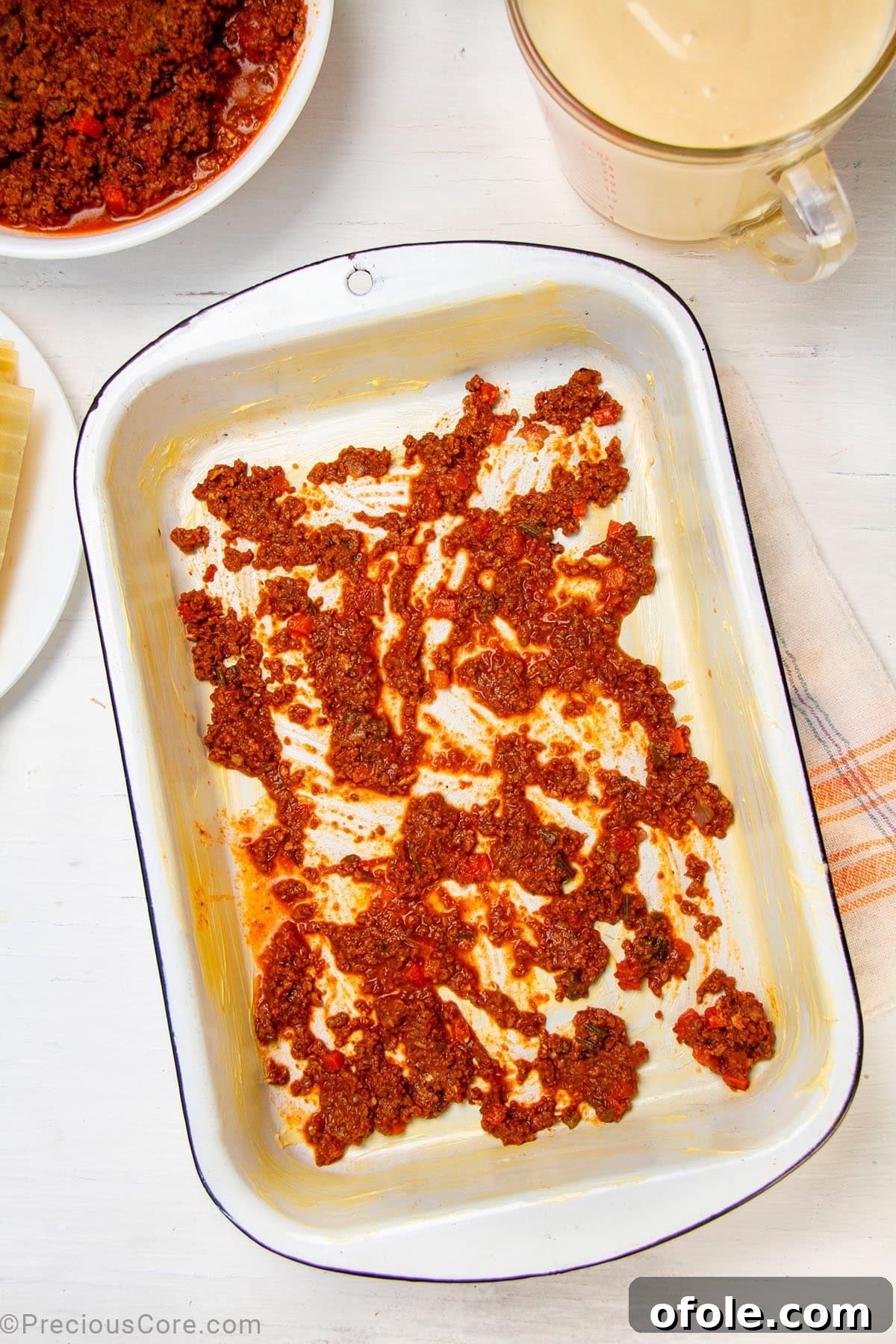
- The very first step is to lightly grease a large baking dish (a 9×13 inch dish is ideal) with butter or a non-stick cooking spray. Then, spread a thin, even layer of your rich Bolognese sauce across the bottom of the dish. This initial layer prevents the pasta from sticking and ensures every bite of your lasagna is moist and flavorful.
- Next, carefully arrange the first layer of lasagna pasta sheets over the meat sauce. I often place them in a double layer to create a heartier texture, a preference my husband particularly enjoys. However, if you prefer a lighter pasta-to-sauce ratio, a single layer will work just as well. Ensure the pasta covers the entire bottom, breaking pieces if necessary to fit.
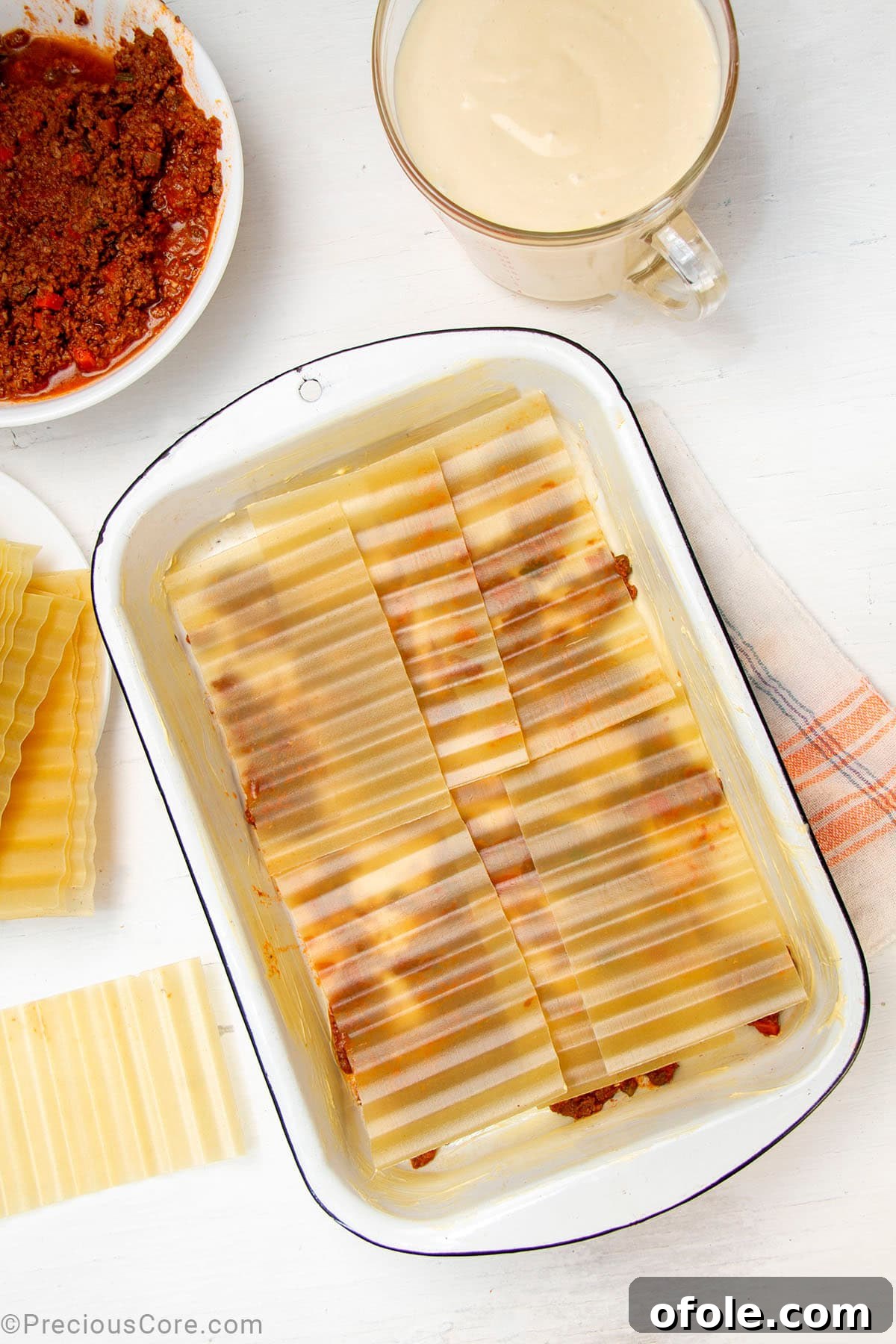
- Evenly spread a generous layer of the Bolognese meat sauce over the pasta sheets. Don’t be shy – this layer adds significant flavor and moisture to your lasagna.
- Follow the meat layer with a generous spread of your creamy homemade béchamel sauce. Apply it liberally to ensure a rich, velvety texture throughout the lasagna. While some recipes call for adding mozzarella cheese in intermediate layers, I prefer to reserve it for the very top to achieve a beautiful golden crust. This, however, is purely a matter of personal taste and preference.
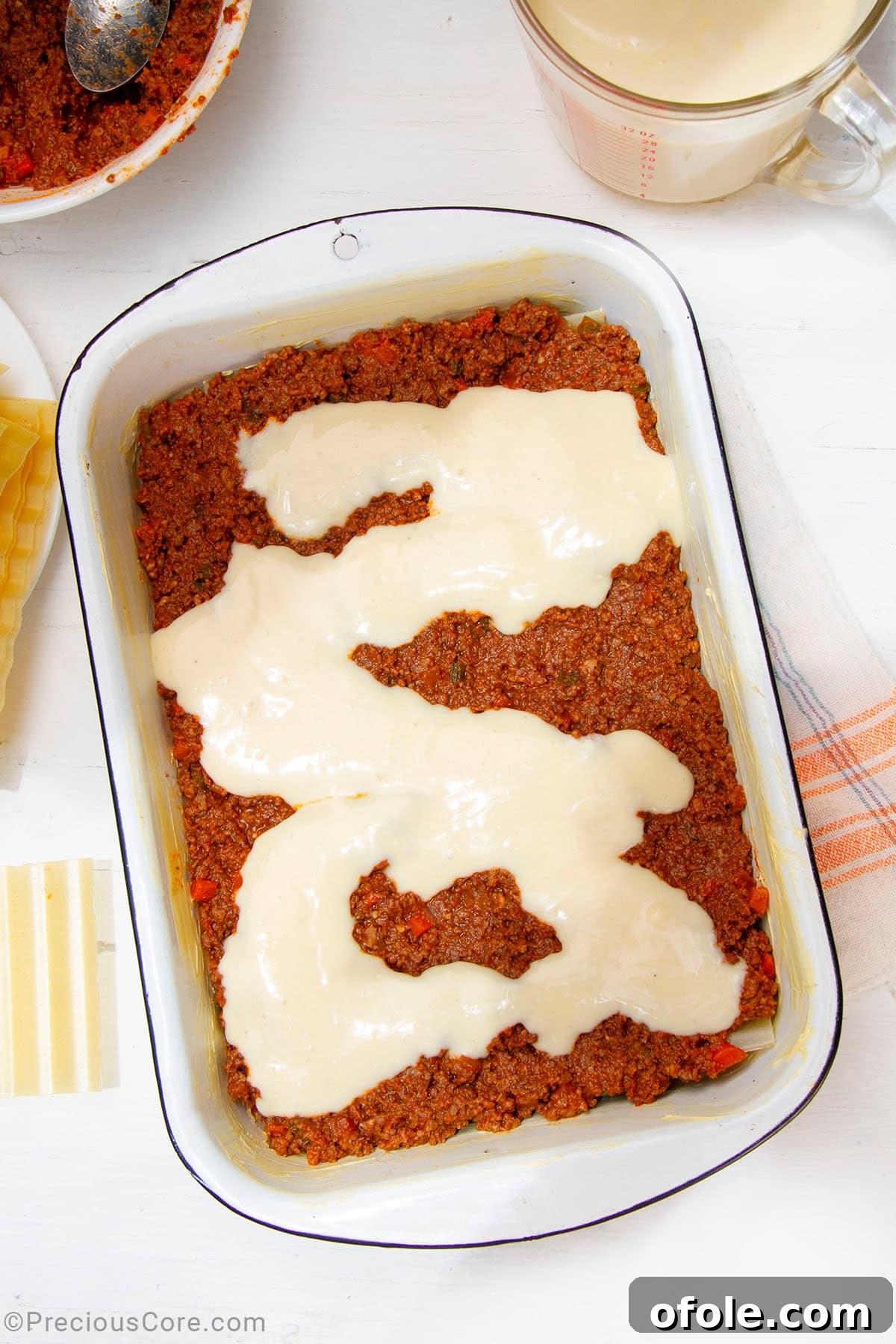
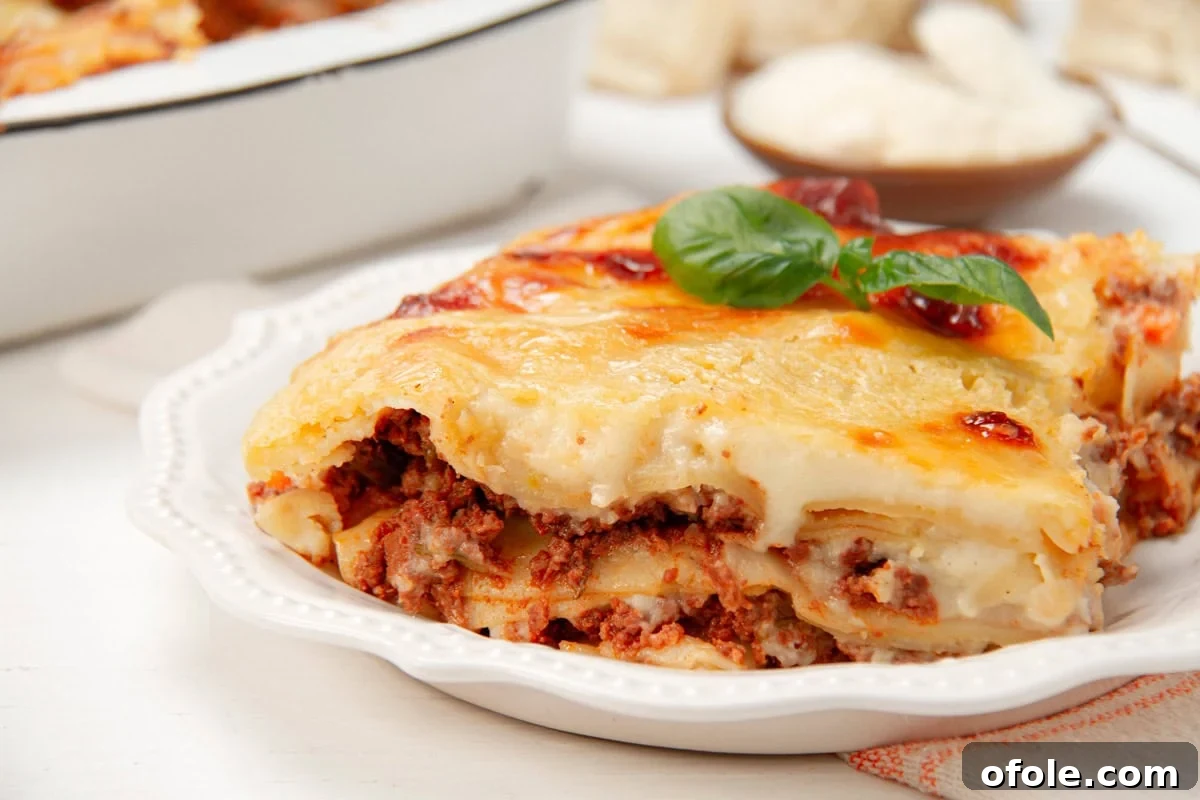
- Continue repeating these layers – pasta, Bolognese, then béchamel – three or four times, depending on the depth of your baking dish and your desired lasagna height. Always ensure you conclude with a final top layer of pasta, followed by plenty of béchamel sauce, and then a generous sprinkling of cheeses. I typically use a delightful mix of shredded mozzarella for its meltiness and grated Parmesan (or Parmigiano-Reggiano for an extra nutty flavor) for its sharp, savory notes.
Time-Saving Tip: To streamline your lasagna preparation, opt for oven-ready or no-boil lasagna pasta sheets. These convenient noodles can be placed directly into your baking dish without any prior cooking, saving you valuable time and effort in the kitchen.
For a unique and delightful twist on lasagna, be sure to also explore our creative recipe for Plantain Lasagna.
Creative Variations and Substitutions for Lasagna with Homemade Béchamel
While this classic Lasagna with Béchamel Sauce is a masterpiece in its own right, the versatility of lasagna lends itself to countless delicious variations and substitutions. Feel free to get creative and adapt the recipe to your preferences or what you have on hand:
- Traditional Bolognese Twist: For an even richer, more traditional Bolognese, consider using a mix of equal parts ground beef and ground pork. This blend adds a depth of flavor and a tender texture that is truly exceptional. It’s often my go-to choice for an extra special ragu.
- Pesto Infusion: Introduce a vibrant, herbaceous note by adding a few spoonfuls of your favorite pesto. You can stir it directly into the Bolognese sauce for an earthy flavor, or swirl it into the béchamel for a fragrant, creamy pesto béchamel layer.
- Wholesome Vegetable Lasagna: Transform this dish into a lighter, equally satisfying option by replacing the pasta layers with thinly sliced zucchini or eggplant. These vegetable layers absorb the sauces beautifully and add a wonderful freshness. Ensure you salt and drain the vegetables beforehand to remove excess moisture.
- Alternative Pasta Types: While classic lasagna sheets are traditional, don’t hesitate to experiment with different pasta types. Fresh pasta sheets will yield an incredibly tender lasagna, while specialized alternative noodles can cater to dietary preferences. Ensure whatever pasta you choose is suitable for baking in a layered dish.
- Cheese Varieties: Beyond mozzarella and Parmesan, consider incorporating other melting cheeses like provolone, fontina, or even a smoked cheddar for a unique flavor profile. A layer of creamy ricotta, though not traditional in béchamel lasagna, can also be added for extra richness if desired.
- Spicy Kick: For those who enjoy a bit of heat, a pinch of red pepper flakes added to the Bolognese sauce can introduce a delightful spicy kick that complements the rich flavors.
Expert Tips for Lasagna Perfection
Achieving a truly perfect Lasagna with Béchamel Sauce requires attention to detail. Follow these expert tips and tricks to ensure your homemade lasagna is nothing short of spectacular:
- Chop Vegetables Finely: For the Bolognese sauce, finely chop the carrot, celery, and onion. This ensures they soften and almost melt into the sauce, providing flavor without noticeable large chunks. Avoid large pieces of carrot, which can remain too firm.
- Cook Bolognese for at Least Two Hours: The key to a deeply flavorful and tender meat sauce is slow cooking. Ensure your Bolognese simmers for a minimum of two hours, and ideally longer. This extended cooking time allows the meat to become incredibly tender and the flavors to fully develop and meld. Remember to stir occasionally to prevent sticking.
- Adjust Bolognese Liquid as Needed: During the long simmering process, if your meat sauce appears to be drying out, don’t hesitate to add more water or beef broth. The sauce should be juicy, not dry, to ensure the pasta cooks properly in the oven. Always adjust the salt and pepper at the very end, once the sauce has fully reduced and concentrated.
- Whisk Continuously for Béchamel: When preparing the béchamel, constant stirring with a whisk is non-negotiable, especially when adding the milk. This prevents lumps and ensures a smooth, velvety sauce. If you need to step away for a moment, turn off the heat and remove the pot from the stove; you can always resume cooking later.
- Add Parmesan to Béchamel for Depth: For the most authentic and flavorful béchamel, always stir in a couple of tablespoons of grated Parmesan cheese (or Parmigiano-Reggiano) at the end. This adds a subtle salty, umami depth that elevates the sauce beyond a simple white sauce.
- Pair with French Bread: Nothing complements a rich Lasagna with homemade béchamel better than a slice of warm, crusty Easy Homemade French Bread. The bread is perfect for soaking up every last drop of the exquisite sauces. For ultimate convenience, consider baking both the lasagna and the French bread at the same time for a delicious and well-coordinated meal.
- Plan Ahead: Both the Bolognese and béchamel sauces can be prepared a day or two in advance. Store them separately in airtight containers in the refrigerator. This significantly reduces assembly time on the day you plan to bake, making lasagna a more manageable weeknight or weekend meal.
- Rest Before Serving: After baking, let the lasagna rest for at least 10-15 minutes before slicing and serving. This allows the layers to set, making for cleaner cuts and preventing the lasagna from falling apart. It also allows the molten cheese and hot sauces to cool slightly, ensuring a more enjoyable eating experience.
Serving Suggestions
This magnificent homemade lasagna is a complete meal in itself, but serving it alongside a few carefully chosen side dishes can elevate the dining experience. Here are some perfect accompaniments:
Homemade Milk Bread
Cucumber Tomato and Onion Salad
Sautéed Vegetables
Garlic Butter Rolls
Pan Fried Brussels Sprouts With Bacon
Garlic Butter Green Beans
More Delightful Family-Friendly Dinner Recipes
Garlic Butter Chicken Pasta
Steak and Pasta
Lemon Butter Salmon
If you try this incredible Lasagna with Béchamel Sauce recipe, please consider leaving a star rating below. Your feedback helps other home cooks discover and enjoy this recipe, and I truly love hearing from you! Thank you!
Lasagna with Béchamel Sauce
Pin Recipe
Rate
Print Recipe
Equipment
- 9 by 13 inch baking dish
Ingredients
Bolognese Sauce
- 2 tbsp olive oil
- 2 celery stalks, finely chopped (120 g)
- 2 medium onions, finely chopped (300 g)
- 2 medium carrots, finely chopped (400 g)
- 2 pounds ground beef (900 g)
- 4 cups grated tomatoes (about 8 medium tomatoes, or substitute with canned crushed tomatoes)
- 6 tbsp tomato paste
- 4 cups beef broth (1 l)
- 2 bay leaves
- 1 tsp dried oregano
- Black pepper to taste
- 1/2 tsp paprika
- 1 tsp salt
Bechamel Sauce
- 250 g all-purpose flour (2 cups)
- 250 g butter (17 tablespoons)
- 6 cups whole milk (1.4 liters), warmed
- 1/4 cup Parmesan cheese (30 g), grated
- Pinch of grated nutmeg
- Pinch of salt, as needed
Assembling the Lasagna
- 1 tsp butter for greasing pan
- Prepared bolognese sauce
- Prepared béchamel sauce
- 24 lasagna pasta sheets (no-boil recommended)
- 2 cups shredded mozzarella cheese (200 g)
- 1 cup shredded Parmesan cheese (100 g)
Instructions
-
1. Sauté Vegetables: Heat olive oil in a large pot over medium heat. Add the finely chopped onion, celery, and carrots. Cook, stirring occasionally, until the vegetables are soft and the onion is translucent, about 5-7 minutes.
-
2. Add Tomatoes and Paste: Stir in the grated tomatoes (or crushed canned tomatoes) and tomato paste. Mix thoroughly to combine all ingredients.
-
3. Cook Meat: Add the ground beef to the pot. Cook, breaking it apart with a spoon, until it is fully browned and cooked through, approximately 8-10 minutes.
-
4. Simmer Bolognese: Pour in the beef broth. Add the bay leaves, dried oregano, black pepper, paprika, and salt. Bring the mixture to a boil, then reduce the heat to low. Cover the pot and let the Bolognese sauce simmer for at least 1.5 hours, stirring occasionally, until the meat is very tender and the flavors have deepened.
-
5. Make Roux: In a separate large saucepan, melt the butter over medium heat. Once completely melted, add the all-purpose flour. Whisk continuously to form a smooth roux. Cook the roux for 2-3 minutes until it turns a pale golden color, ensuring the raw flour taste is cooked out.
-
6. Add Milk to Béchamel: Gradually add the warm whole milk to the roux, whisking constantly and vigorously to prevent any lumps from forming. Continue to cook and stir until the sauce thickens significantly and is able to coat the back of a spoon.
-
7. Season Béchamel: Remove the saucepan from the heat. Stir in the grated Parmesan cheese and a pinch of nutmeg for classic flavor. Taste and season with an additional pinch of salt if needed. Set the béchamel sauce aside.
-
8. Prepare for Assembly: Preheat your oven to 375°F (190°C). Lightly grease a 9×13 inch baking dish with the teaspoon of butter.
-
9. Begin Layering: Spread a thin layer of the prepared Bolognese sauce at the bottom of the greased baking dish. Place a layer of lasagna sheets over the Bolognese (you can use a single or double layer as preferred). Spread another layer of Bolognese sauce over the pasta, followed by a generous layer of béchamel sauce. Repeat these layers (pasta, Bolognese, béchamel) until you have 3-4 full layers, ensuring you end with a top layer of béchamel sauce.
-
10. Add Cheese Topping: Evenly sprinkle the shredded mozzarella cheese and grated Parmesan cheese over the top béchamel layer.
-
11. Bake: Cover the baking dish tightly with aluminum foil. Bake in the preheated oven for 30 minutes. After 30 minutes, remove the foil and continue baking for an additional 15-20 minutes, or until the top is golden brown, bubbly, and the cheese is beautifully melted.
-
12. Rest and Serve: Allow the lasagna to rest for 10-15 minutes before carefully cutting into individual portions and serving. This resting period helps the layers set and makes for cleaner slices.
Notes
- You can easily halve the ingredients for the béchamel sauce if you prefer a slightly thinner sauce or are making a smaller lasagna. Even a reduced amount will yield a generous quantity of creamy béchamel. If you happen to have leftover béchamel sauce, it’s incredibly versatile and delicious when served with pasta, roasted vegetables, fish, or even steak.
- This lasagna tastes even better on the second day as the flavors continue to meld and deepen! To reheat, I recommend covering it with aluminum foil and warming it in a 350°F (175°C) oven until it is heated through to the center.
How To Fix Common Mistakes With Béchamel Sauce (Detailed in section above)
- Lumps: If your béchamel has lumps, blend it until smooth, then return it to a clean pot and heat until desired consistency.
- Burnt Bottom: If a hard layer forms, taste the unburnt béchamel. If it’s not tainted, carefully transfer the good portion to a fresh pot, leaving the burnt layer behind.
- Hardened Top Layer: If a skin forms on top (from not covering properly), add a bit more milk and blend again until smooth.