
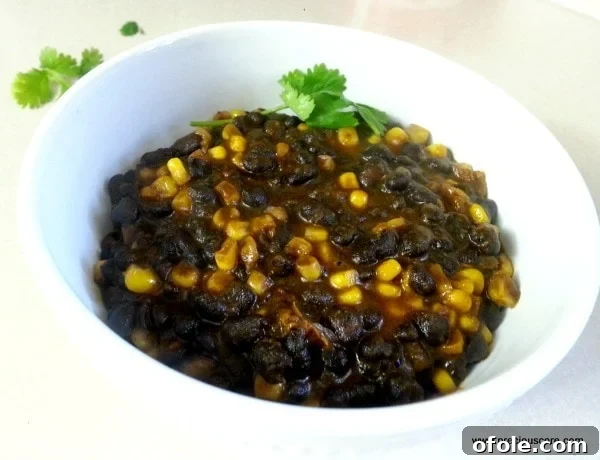
Embark on a culinary journey to the heart of West Africa with Corn Chaff, a beloved and incredibly flavorful dish that has graced tables across Cameroon for generations. Known widely as Corn and Beans Porridge, this delightful creation is a testament to the simple yet profound magic that happens when humble ingredients like corn and beans are brought together with a symphony of spices. It’s a truly creamy, deeply satisfying, and utterly delicious experience that promises a party for your taste buds. While primarily a Cameroonian staple, its spirit resonates across West Africa; a similar dish known as Adalu is a popular delicacy in Nigeria, highlighting the region’s shared culinary heritage.
Growing up with Corn Chaff, I can personally attest to its comforting and soul-nourishing qualities. It’s more than just a meal; it’s a memory, a tradition, and a celebration of robust, earthy flavors. This dish perfectly marries the sweet, starchy goodness of corn with the hearty, protein-rich texture of beans, creating a harmonious blend that is both nutritious and incredibly appealing. Whether you’re seeking to explore new international flavors or recreate a taste of home, Corn Chaff offers a unique and unforgettable dining experience that deserves a place in your culinary repertoire.
At the core of any authentic Corn Chaff recipe are a few essential ingredients that lay the foundation for its rich flavor profile. The undisputed star of the fat component is palm oil, which not only imparts a beautiful, vibrant orange hue to the dish but also a distinctive, earthy sweetness that is characteristic of many West African stews and porridges. Alongside this, simple yet crucial additions like salt and seasoning cubes (commonly known as Maggi or Knorr in the region) are vital for enhancing the overall savoriness and umami depth. These foundational elements ensure that every spoonful of Corn Chaff is packed with the rich, savory notes that make it so addictive.
Beyond these staples, the true artistry of Corn Chaff comes alive with the addition of fresh aromatic vegetables and spices. You can elevate the dish with finely chopped onions, pungent garlic, zesty ginger, and a medley of fresh green herbs such as celery and parsley. These ingredients are often blended to form a potent spice paste that infuses the corn and beans with incredible layers of flavor. For those who enjoy a richer, more complex taste, ingredients like ripe tomatoes and ground crayfish (dried smoked prawns) can be added, introducing a tangy sweetness and an intense seafood umami respectively. If you’re feeling particularly indulgent or preparing for a special occasion, don’t hesitate to throw in some tender pieces of smoked fish or even succulent chunks of meat to transform it into an even more luxurious meal. A little secret weapon, colloquially known as contri onions (which refers to the nutty, aromatic spice from the *Tetrapleura tetraptera* fruit) in Cameroon, will work wonders, imparting a uniquely profound flavor that sets the dish apart.
My personal preference for crafting Corn Chaff typically involves a vibrant blend of garlic, ginger, fresh onions, and a generous mix of green herbs, while often opting to leave out the tomatoes. This combination consistently yields a remarkably fresh and deeply aromatic dish that’s bursting with natural flavors. I usually only incorporate tomatoes when I’m using a neutral vegetable oil instead of palm oil, as they help to lend a much-needed splash of color and a slight tanginess to the final product. The beauty of Corn Chaff lies in its versatility, allowing you to tailor the spice blend to your individual taste preferences, creating a truly personalized culinary masterpiece every time.
Traditionally, the preparation of Corn Chaff begins with carefully selected corn, either harvested fresh off the cob during season or using high-quality dried corn kernels. The traditional method for preparing dried corn is a labor of love, demanding patience but promising an unparalleled texture and authentic flavor. This ancestral technique involves a fascinating process that softens the tough outer skins of the corn kernels, making them tender and wonderfully chewy for the final dish.
- **The Traditional Corn Preparation Method:** If using whole dried corn, the journey begins by boiling the kernels with a small amount of *akanwa*, a natural potassium-rich limestone found in many parts of West Africa. This alkaline substance acts as a natural softener, similar to the nixtamalization process, helping to loosen the corn skins and tenderize the kernels without overcooking the interior.
- Once the corn has boiled sufficiently and the skins have softened, it is crucial to allow it to cool completely. Alternatively, you can rinse it immediately with cold water to halt the cooking process and prepare it for the next step.
- The traditional peeling process involves rubbing the corn kernels vigorously between your palms. This gentle friction helps to separate the softened skins from the corn. After rubbing, pour the corn into a huge quantity of water; the detached skins, being lighter, will float to the surface.
- Using a colander, carefully skim off and drain the floating skins. This step is repeated until most of the skins are removed, revealing the soft, peeled corn kernels.
- Return the peeled corn to the pot and boil it again until it reaches perfect tenderness. The kernels should be soft but still retain a slight bite, ensuring they don’t turn mushy in the final porridge.
- Once the corn is perfectly boiled and ready, add your pre-soaked raw beans to the pot. Cook the corn and beans together until both are tender. Season the mixture with salt to taste when both ingredients are fully cooked, and allow it to boil for an additional 5 minutes to let the flavors meld before turning off the heat. This entire meticulous process is what makes the corn incredibly soft, easy to chew, and wonderfully integrated into your Corn Chaff.
While the traditional method offers a deep connection to culinary heritage and an unparalleled texture, modern life often calls for quicker alternatives. In this particular recipe, I’ve opted for the convenience of **frozen sweet corn**, which delivers a fantastic taste and texture without the extensive preparation. I’ve also heard of many cooks successfully using **canned corn**, which works equally well and offers similar ease. When it comes to the beans, the choice is yours; any type of dried beans will work beautifully in Corn Chaff. Popular choices include classic **black beans**, hearty **red kidney beans**, or delicate **small red beans**, among others. My personal preference, and what I used here, are black beans—not only because they were readily available, but also for their incredibly rich flavor and creamy texture when cooked, which beautifully complements the sweetness of the corn.
Choosing between dried corn and its convenient counterparts allows you to adapt the recipe to your schedule without sacrificing flavor. Whether you commit to the traditional process for a truly authentic experience or embrace modern shortcuts, the essence of Corn Chaff remains its comforting blend of corn and beans, elevated by aromatic spices and a touch of palm oil.
Mastering Cameroonian Corn Chaff: A Detailed Recipe Guide
Prep Time: 15 minutes
Cook Time: 2 hours (approx.)
Total Time: 2 hours 15 minutes (approx.)
Ingredients
– 2 cups of dried beans (e.g., black beans, red kidney beans), soaked overnight or for at least 4 hours.
– 2 cups of dried corn (for traditional method) OR 4 cups of pre-cooked corn (frozen sweet corn or canned corn, drained and rinsed).
– 1 medium-sized onion, roughly chopped.
– 4 stems of green spices: 2 stems of fresh parsley, 2 stems of fresh celery (or 1/4 cup chopped).
– 1 stem of green onions (scallions) or a small leek, chopped.
– 5 cloves of garlic, peeled.
– Half an inch of fresh ginger, peeled.
– 1 cup of palm oil (or more, depending on your preference for richness and color). You can substitute with vegetable oil for a milder taste and lighter color, but palm oil is traditional.
– 3 seasoning cubes (e.g., Maggi, Knorr, Royco) or two teaspoons of bouillon seasoning powder, crumbled.
– Half a cup of ground crayfish (optional, but highly recommended for authentic flavor).
– 1 habanero pepper (or Scotch bonnet), whole or minced, depending on desired heat level.
– Salt to taste.
Directions
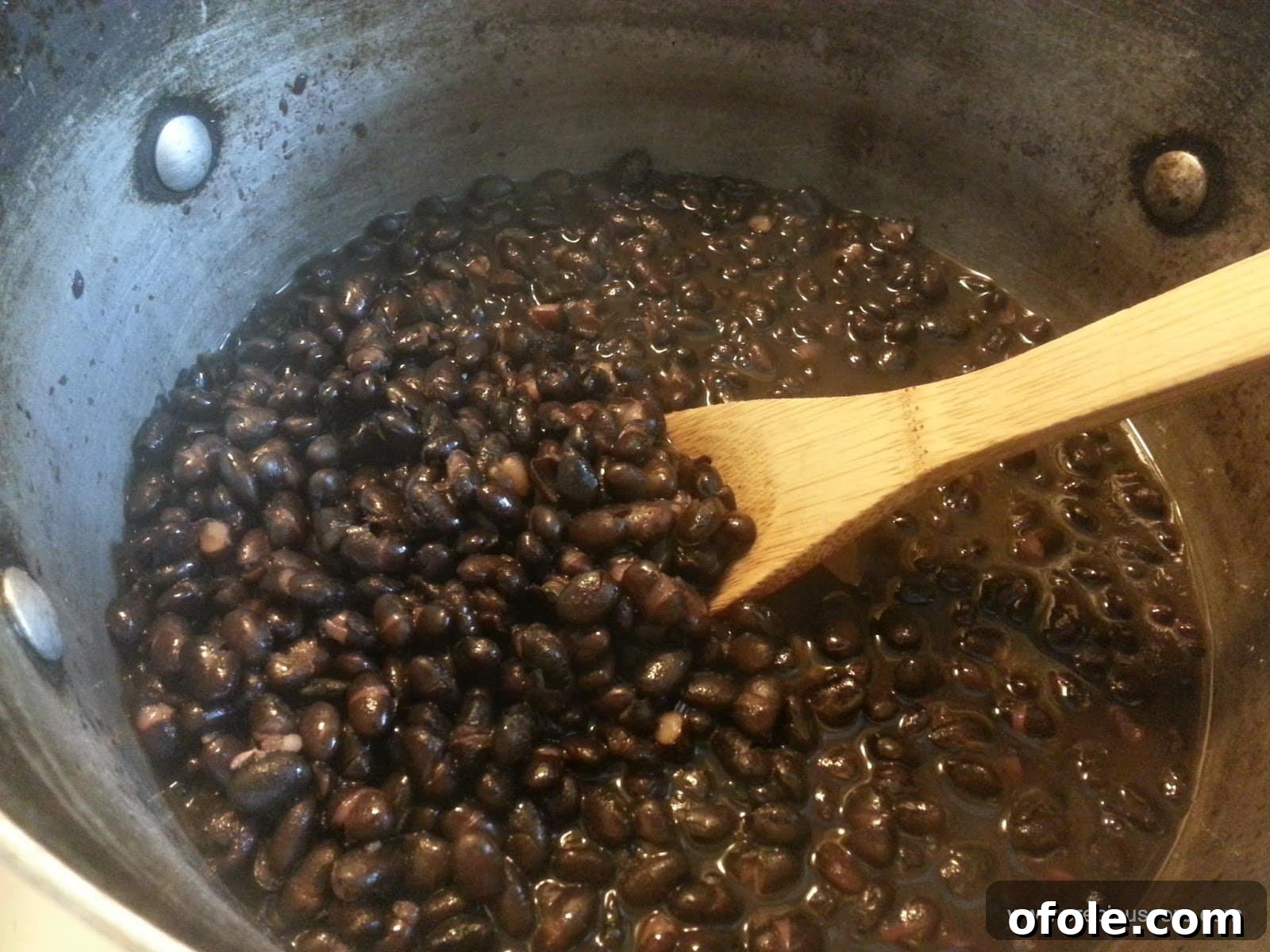
1. **Prepare the Corn and Beans:** If you are using dried corn, begin by boiling it thoroughly until it becomes tender and easy to chew. This can take a significant amount of time, so plan accordingly. If you’re opting for the convenience of canned or frozen corn, as I did in this recipe, you can set it aside for now. Instead, focus on boiling your pre-soaked dried beans until they are exceptionally soft and creamy. It’s crucial that the beans are thoroughly cooked to avoid a hard, unpalatable texture in your final dish. Ensure they are tender but still hold their shape.
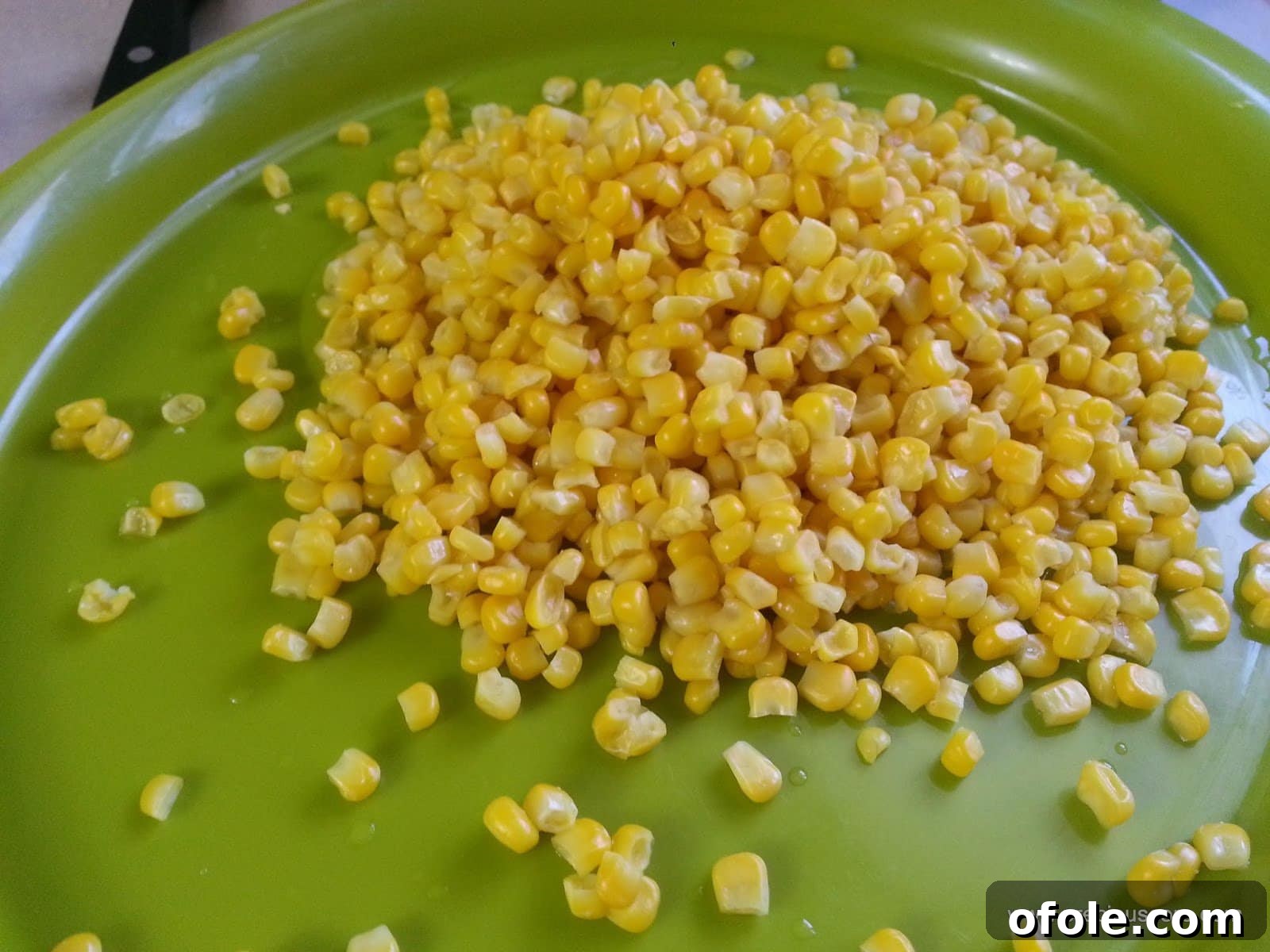
2. **Rinse Corn (if applicable):** If you are using canned or frozen corn, thoroughly rinse it under cold water to remove any excess brine or ice. This step helps to maintain the natural flavor of the corn and ensures it blends well with the other ingredients. Once rinsed, set the corn aside, ready to be added to the pot later.
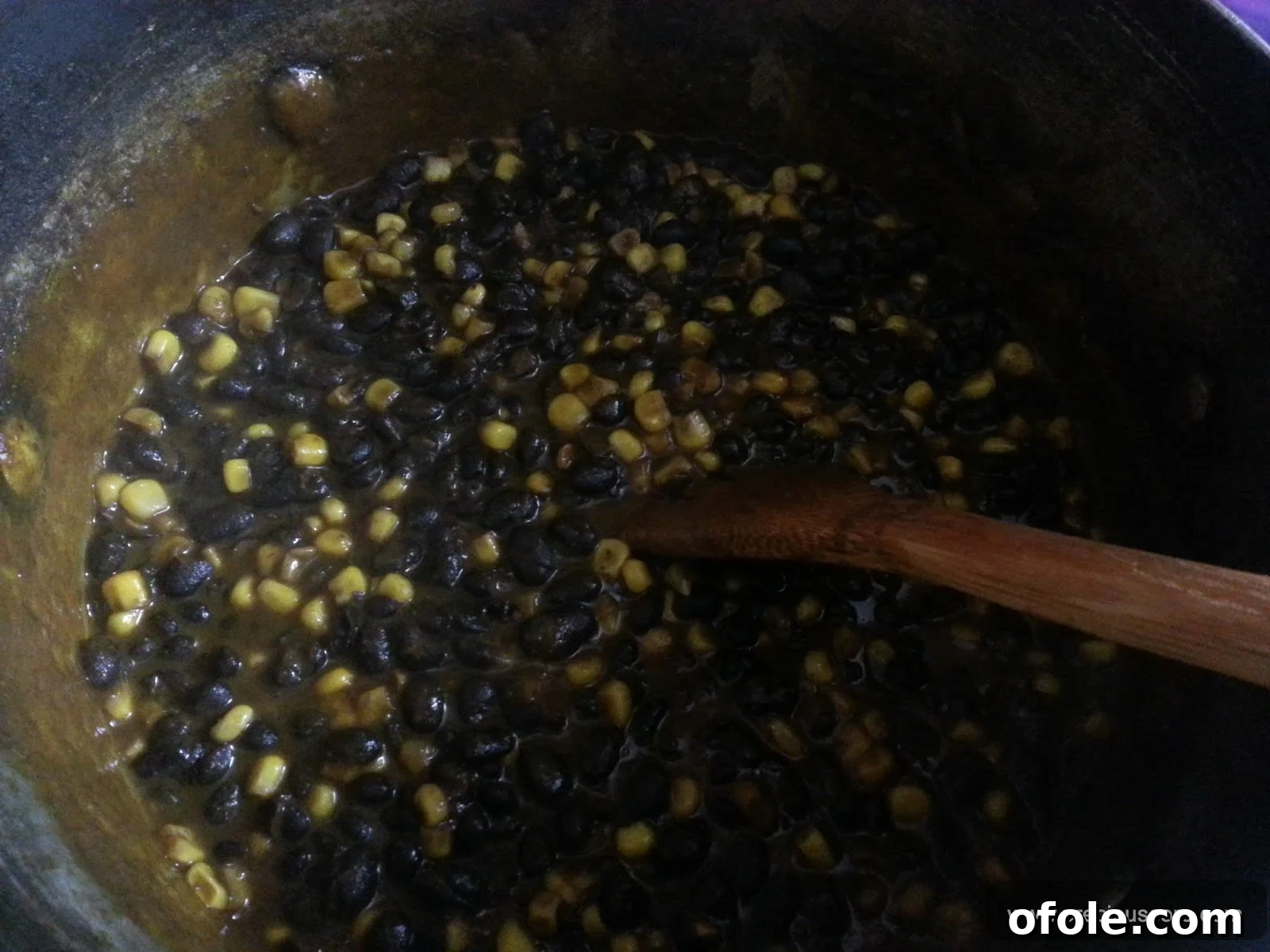
3. **Combine and Begin Cooking:** Carefully rinse your cooked beans (and any freshly boiled corn, if you chose the traditional method) once more. Then, combine the corn and beans in a large, sturdy pot. Add approximately one cup of fresh water, or just enough to barely cover the mixture. Place the pot on medium heat and bring it to a gentle simmer, allowing the flavors of the corn and beans to begin to meld even before the main spices are added.
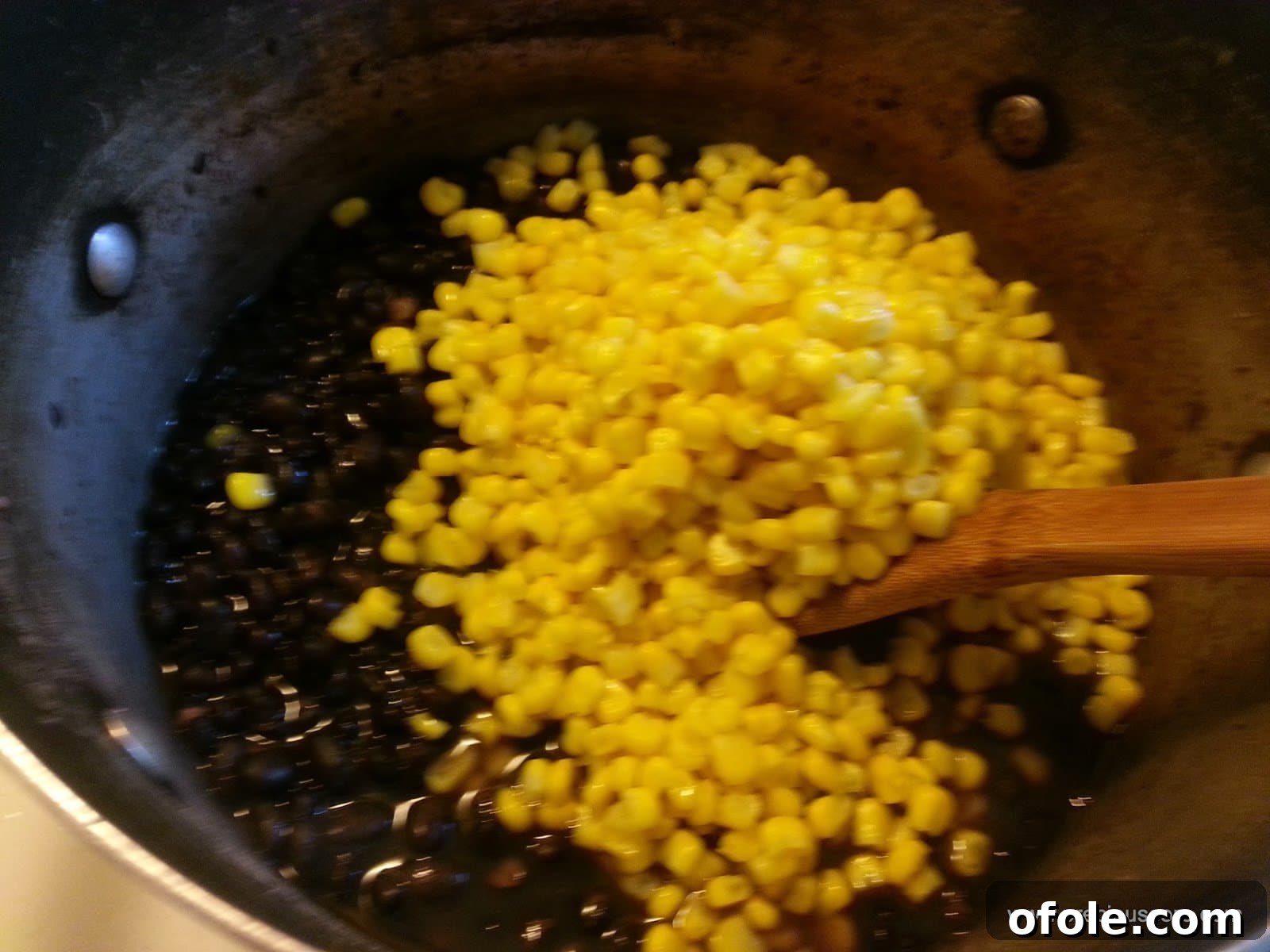
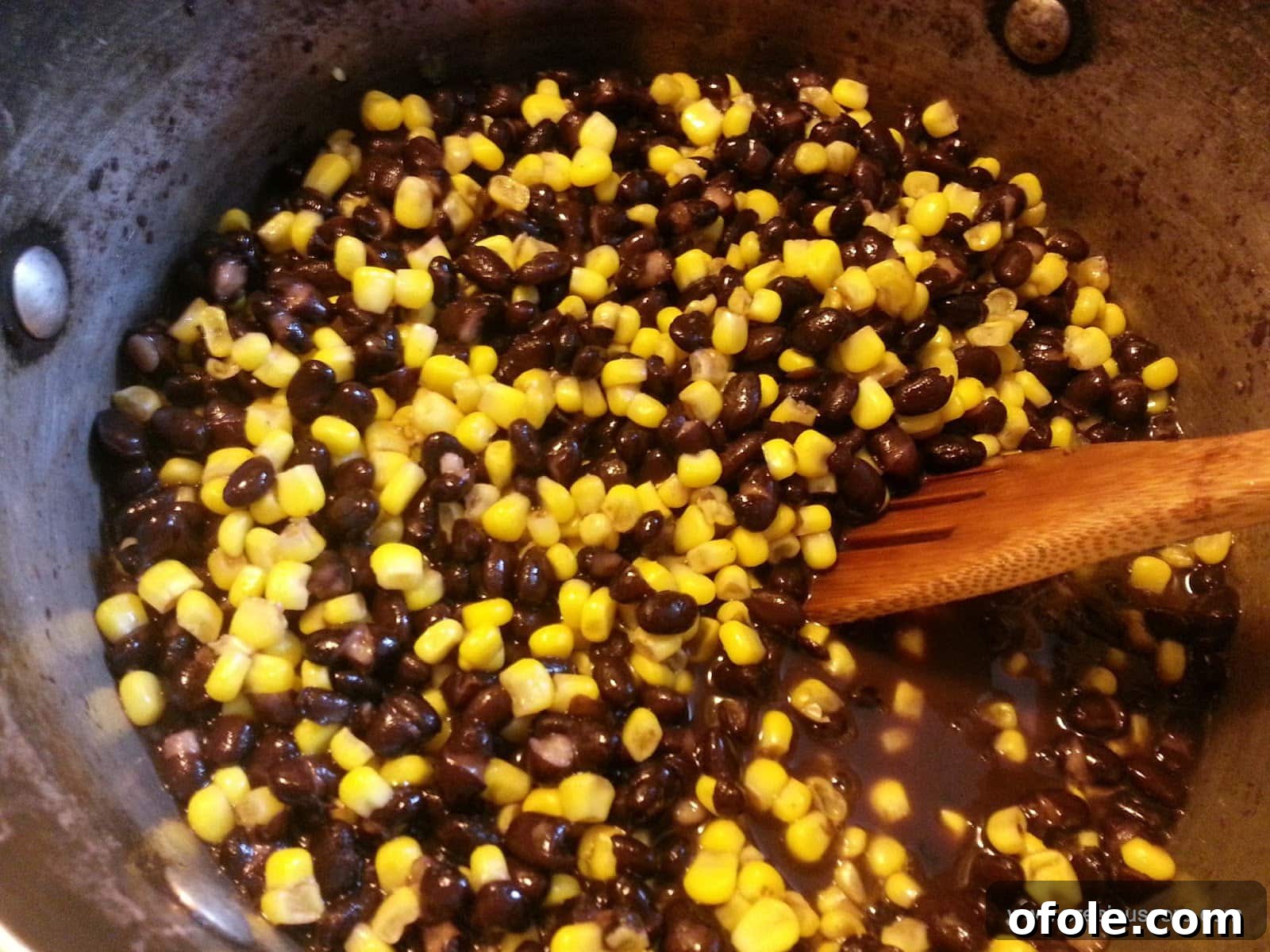
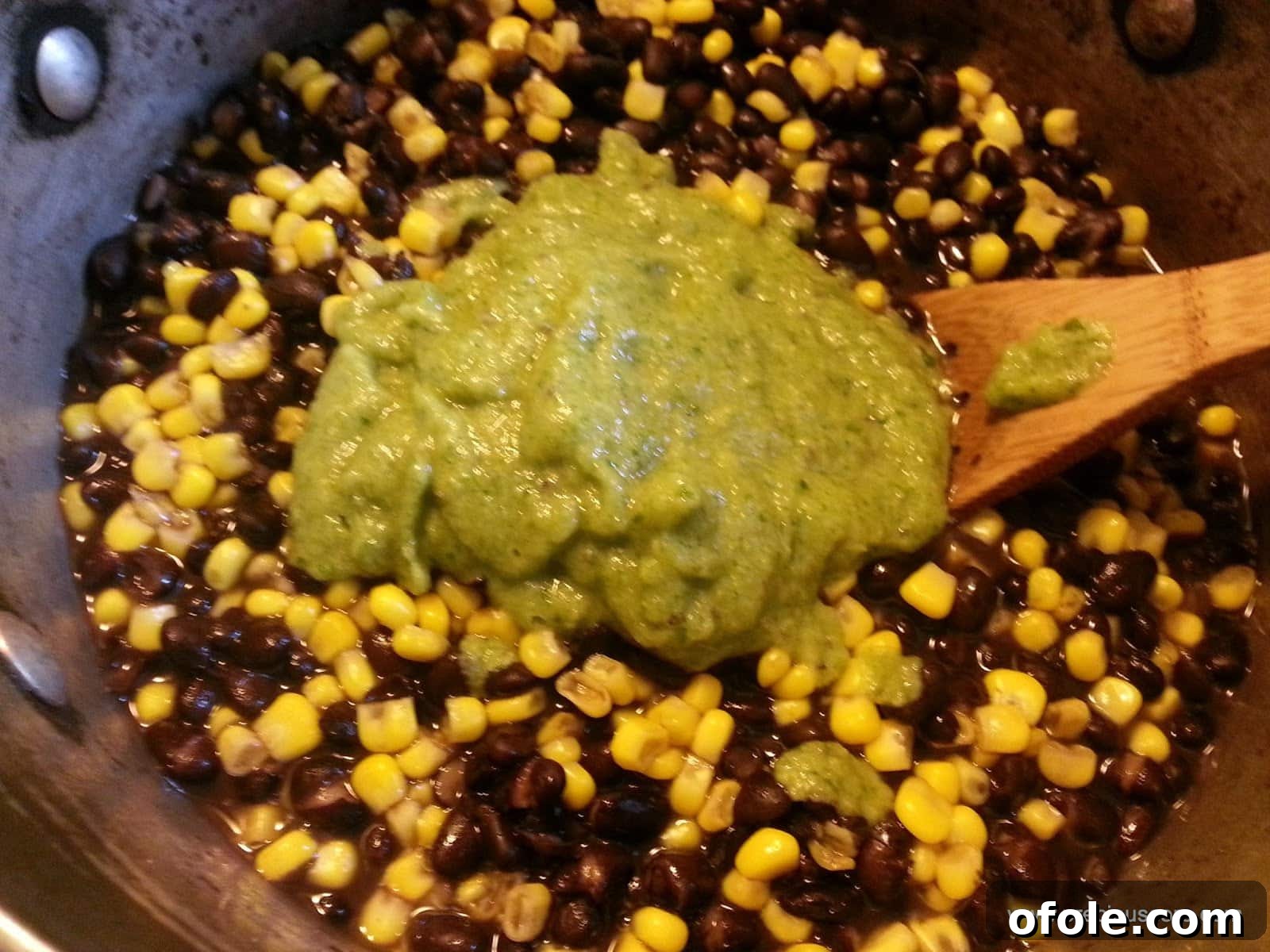
4. **Prepare the Aromatic Spice Blend:** Now is the time to gather and prepare all your aromatic ingredients. Take the ginger, garlic cloves, chopped onions, and fresh herbs (parsley, celery, green onions/leeks). For the best flavor infusion, blend these ingredients together into a fine paste using a food processor or a mortar and pestle. This creates a potent aromatic base that will perfume the entire dish. Once blended, carefully dump this fragrant spice paste directly into the pot with the simmering corn and beans.
5. **Season and Add Palm Oil:** At this stage, incorporate the essential seasonings. Add the salt, crumbled seasoning cubes (Maggi/Knorr), ground crayfish (if using), and the whole habanero pepper for heat. Finally, pour in the rich palm oil. This oil will not only contribute a beautiful color but also a distinct flavor and luxurious mouthfeel that is central to authentic Corn Chaff. Stir everything thoroughly to ensure all ingredients are well combined and evenly distributed throughout the corn and beans.
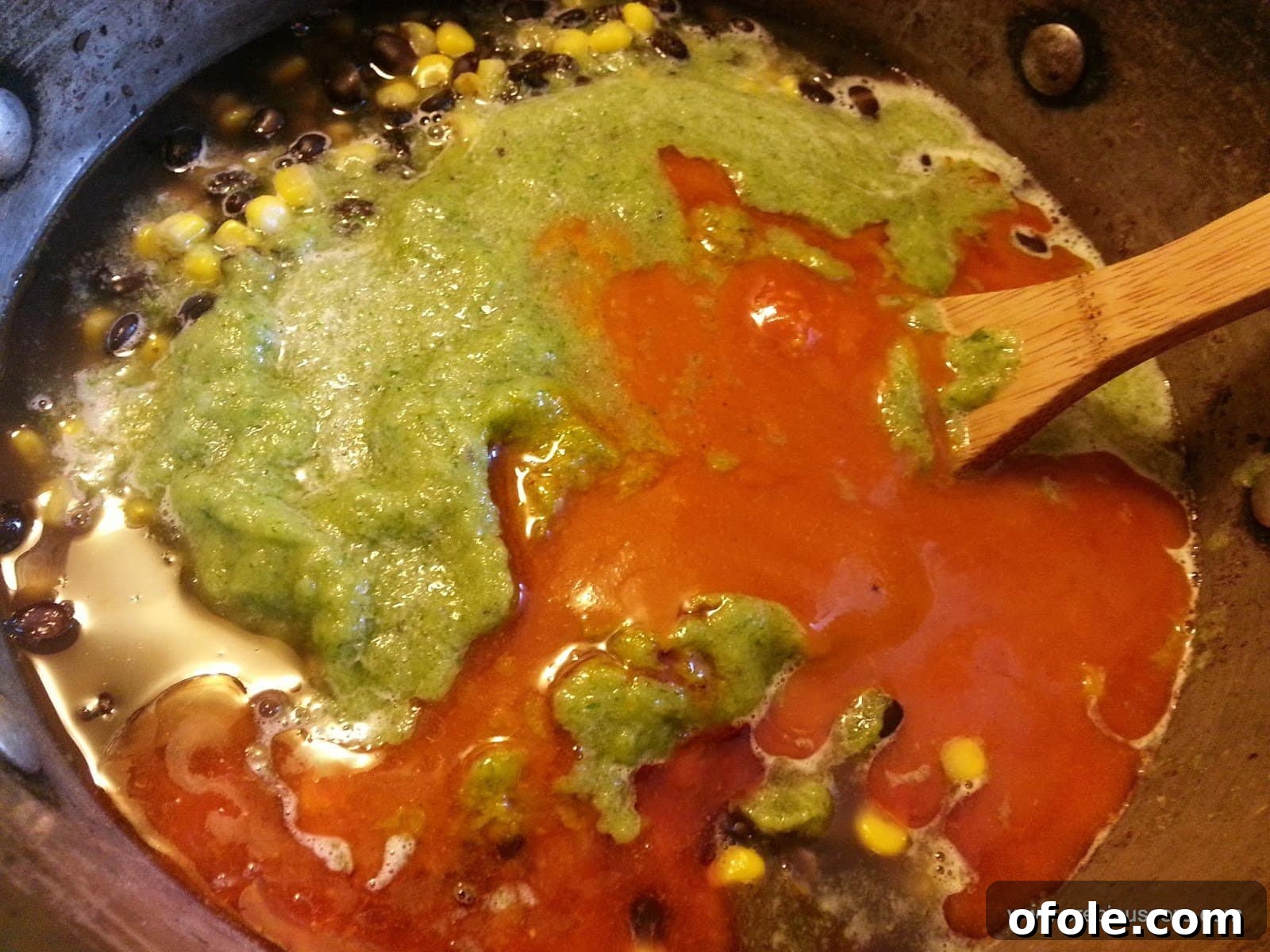
6. **Simmer to Perfection:** Reduce the heat to low, cover the pot, and allow all these wonderful ingredients to gently simmer together for approximately 20 to 30 minutes. This simmering period is crucial as it allows the flavors to deepen, meld, and fully infuse the corn and beans. The aroma that fills your house during this stage will be absolutely incredible, a true prelude to the deliciousness that awaits. Stir occasionally to prevent sticking and ensure even cooking. Your taste buds will undoubtedly be dancing for joy in anticipation. Once the oil has fully integrated and the mixture has thickened to a porridge-like consistency, your Corn Chaff is done and ready to be savored! *Corn Chaff don done!*
**Tips for the Perfect Corn Chaff:**
* **Consistency is Key:** If your Corn Chaff appears too thick, you can add a little hot water, a quarter cup at a time, until you reach your desired consistency. If it’s too watery, simply allow it to simmer uncovered for a few extra minutes to reduce.
* **Spice Level:** Adjust the amount of habanero pepper according to your heat preference. For less spice, use half a pepper or remove the seeds. For more, add an extra one!
* **Storage:** Leftover Corn Chaff can be stored in an airtight container in the refrigerator for up to 3-4 days. It reheats beautifully on the stovetop or in the microwave.
* **Serving Suggestions:** Corn Chaff is often enjoyed as a hearty meal on its own. It pairs wonderfully with fried plantains, a side of fresh bread, or even a simple green salad for a balanced meal. It’s also a fantastic dish to share with family and friends, offering a true taste of Cameroonian hospitality.
* **Consistency is Key:** If your Corn Chaff appears too thick, you can add a little hot water, a quarter cup at a time, until you reach your desired consistency. If it’s too watery, simply allow it to simmer uncovered for a few extra minutes to reduce.
* **Spice Level:** Adjust the amount of habanero pepper according to your heat preference. For less spice, use half a pepper or remove the seeds. For more, add an extra one!
* **Storage:** Leftover Corn Chaff can be stored in an airtight container in the refrigerator for up to 3-4 days. It reheats beautifully on the stovetop or in the microwave.
* **Serving Suggestions:** Corn Chaff is often enjoyed as a hearty meal on its own. It pairs wonderfully with fried plantains, a side of fresh bread, or even a simple green salad for a balanced meal. It’s also a fantastic dish to share with family and friends, offering a true taste of Cameroonian hospitality.
**The Cultural Significance:**
Corn Chaff is more than just food; it’s a dish that evokes warmth, family gatherings, and community celebrations in Cameroon. Often prepared for special occasions, Sunday lunches, or simply as a comforting weeknight meal, it symbolizes the richness of local produce and the art of transforming simple ingredients into something extraordinary. Sharing a bowl of Corn Chaff is sharing a piece of Cameroonian culture.
Corn Chaff is more than just food; it’s a dish that evokes warmth, family gatherings, and community celebrations in Cameroon. Often prepared for special occasions, Sunday lunches, or simply as a comforting weeknight meal, it symbolizes the richness of local produce and the art of transforming simple ingredients into something extraordinary. Sharing a bowl of Corn Chaff is sharing a piece of Cameroonian culture.
We sincerely hope you enjoy recreating this authentic and incredibly delicious Cameroonian Corn Chaff recipe in your own kitchen. It’s a dish that truly embodies the heart and soul of West African cuisine.