
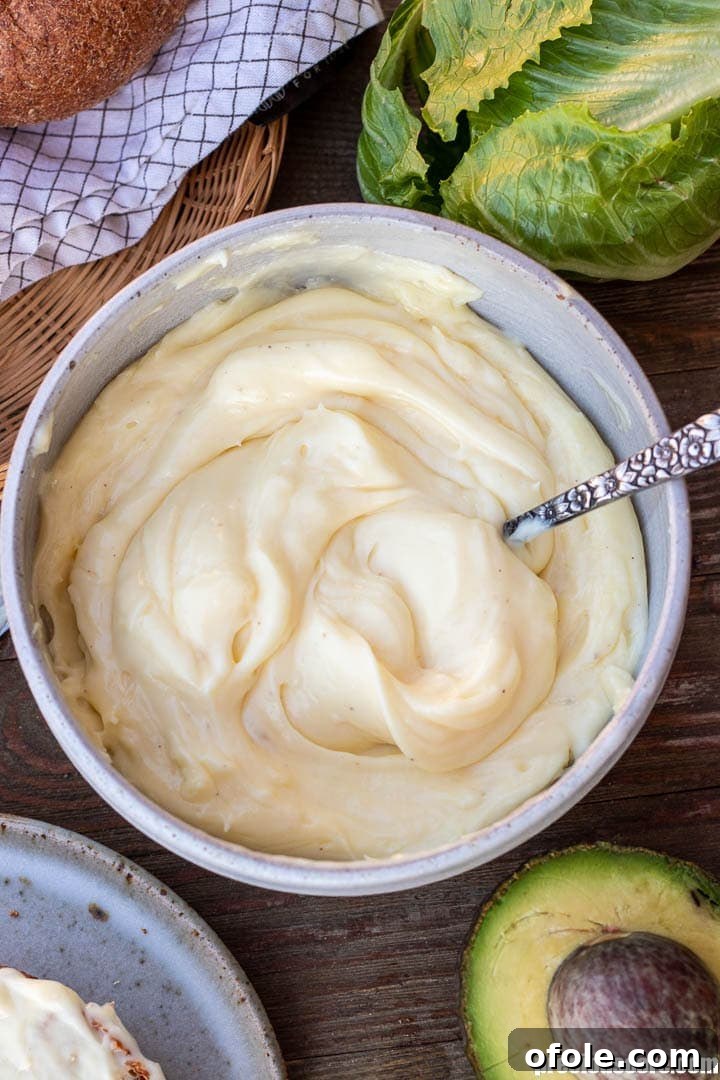
Unlock the secret to the most delicious, creamy, and undeniably fresh condiment you’ll ever taste with this **Homemade Mayonnaise Recipe**. Forget store-bought jars filled with preservatives and questionable ingredients; crafting your own mayonnaise at home is not only incredibly simple but also yields a superior flavor and texture that will elevate all your favorite dishes. Perfect for slathering on sandwiches, enriching salads, or serving as a base for delightful dips, this versatile homemade mayo is about to become your kitchen staple.
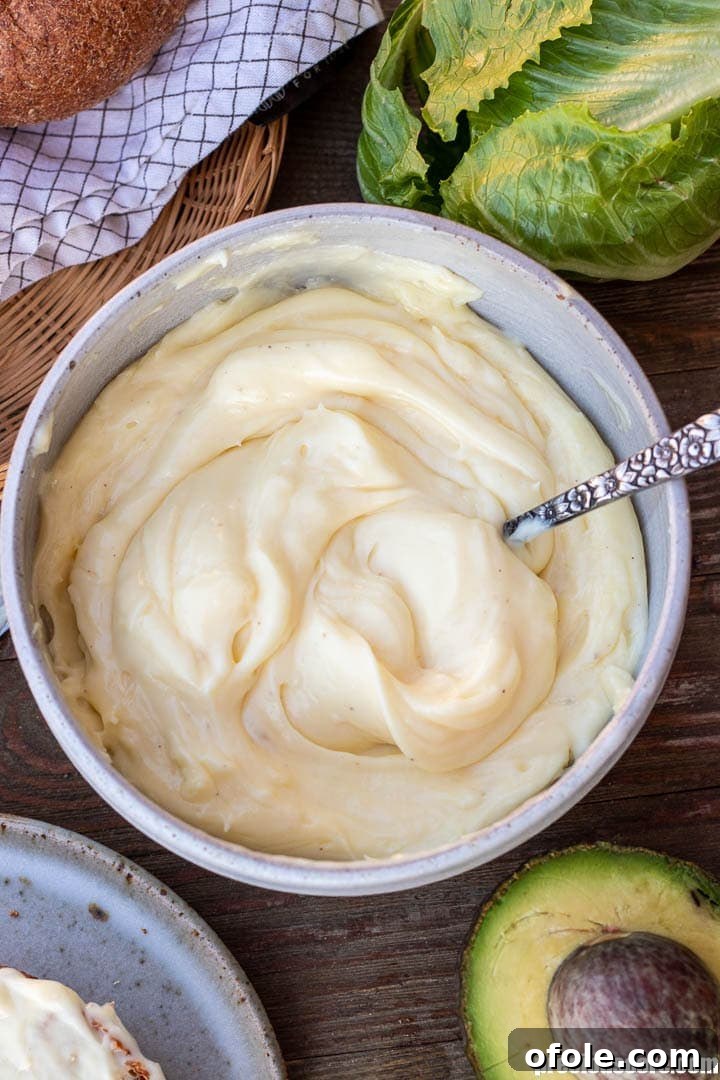
Easy Homemade Mayonnaise: The Ultimate Guide
My journey with mayonnaise began many years ago, in a secondary school Food and Nutrition class in Cameroon – an experience similar to middle school in the United States. It was there that I first discovered the magic of transforming simple ingredients into this creamy emulsion. The idea that I could create such a fundamental condiment from scratch was truly empowering, and I remember rushing home to experiment, making batch after glorious batch.
That initial learning sparked a lifelong passion. Over the years, I’ve refined the original recipe, experimenting with various techniques and ingredient ratios. What I proudly share with you today is the culmination of countless batches and a deep understanding of what makes the best homemade mayonnaise. This isn’t just a recipe; it’s a fail-proof method designed to give you consistently perfect results, along with essential tips to guide you every step of the way.
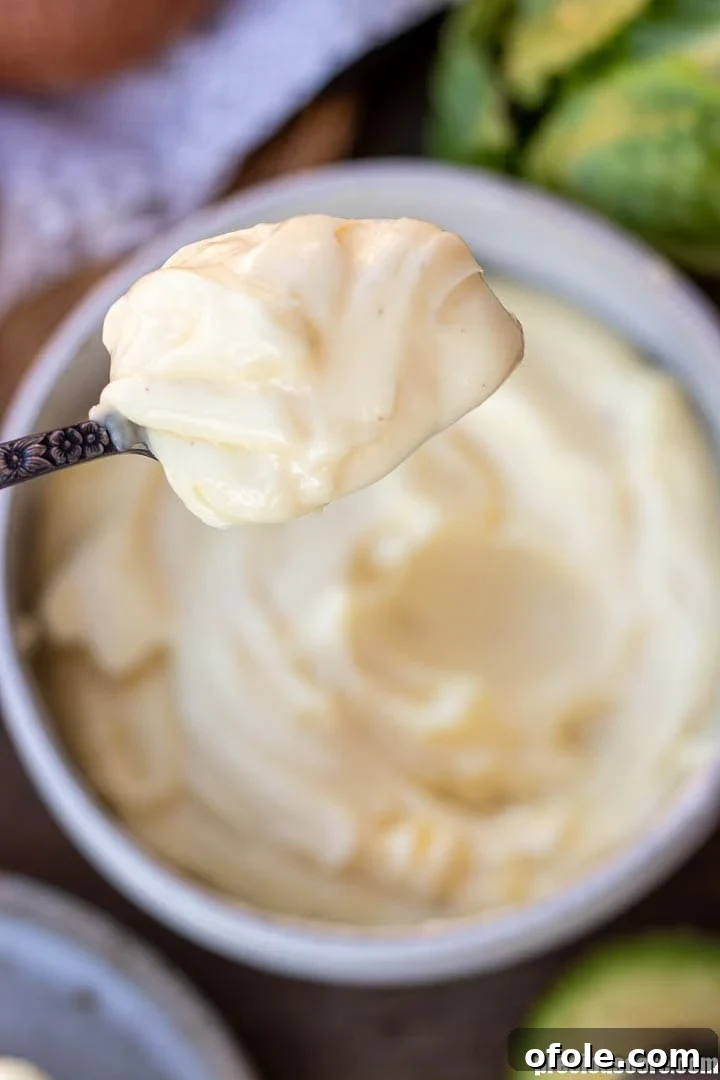
Prepare yourself for the best homemade mayonnaise you will ever encounter. Its texture is a dream – lusciously creamy with a delicate custardy feel, perfectly balanced with just the right amount of tang. It’s so incredibly delicious, you’ll be tempted to eat it straight from the spoon! Beyond its incredible taste, homemade mayonnaise offers significant advantages over its store-bought counterparts. It’s inherently healthier, free from artificial additives, and boasts a freshness that mass-produced versions simply cannot match. Plus, the ability to customize its flavor profile opens up a world of culinary possibilities.
Embark on this culinary adventure and discover how effortless it is to whip up your own batch of superior mayonnaise. You’ll not only save money but also gain complete control over the quality and taste of one of the world’s most beloved condiments. Let’s dive into the simple yet profound art of making homemade mayonnaise.
Key Ingredients for Perfect Homemade Mayonnaise
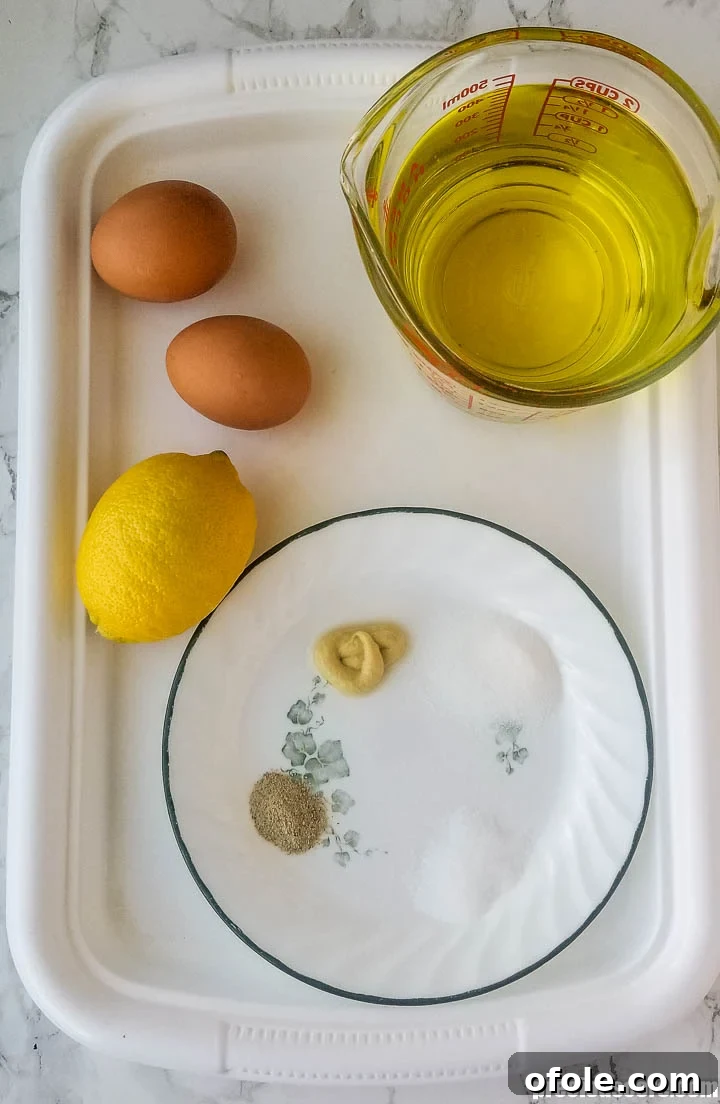
At its core, homemade mayonnaise requires just four fundamental ingredients: egg yolks, oil, an acidic component (like vinegar), and salt. These elements combine through the marvel of emulsification to create the creamy condiment we all love. However, for a truly exceptional, full-flavored mayonnaise that stands out, a few additional ingredients make all the difference. Here’s a detailed look at everything you’ll need to achieve the best-tasting homemade mayo:
- Egg Yolks: The foundation of rich, authentic mayonnaise. Egg yolks are essential for their emulsifying properties and contribute significantly to the mayonnaise’s luxurious texture and classic off-white hue. While some recipes use whole eggs, I prefer yolks for their unparalleled richness. Don’t discard those egg whites; they can be used in other delightful recipes like meringues or coconut macaroons! Ensure your egg yolks are at room temperature for optimal emulsification.
- Mild-Tasting Oil: The oil is crucial for thickening the mayonnaise. Choosing a neutral-flavored oil is paramount to allow the other flavors to shine. Excellent choices include light olive oil, soybean oil, canola oil, corn oil, or peanut oil. Avocado oil is another fantastic option, known for its healthy fats and mild flavor. **Important:** Avoid extra-virgin olive oil, as its strong, distinctive flavor will overpower your mayonnaise. If you wish to use olive oil, opt for the “light” variety, which has a much milder taste akin to vegetable oil.
- Vinegar: This acidic hero is vital for initiating and stabilizing the emulsion, preventing your mayonnaise from separating. Beyond its structural role, vinegar introduces a sharp, bright tartness. White vinegar or apple cider vinegar are ideal choices. Red wine vinegar can also be used, but be aware it might impart a subtle pinkish tint to your final product.
- Lemon Juice: Freshly squeezed lemon juice is a game-changer. While vinegar provides essential acidity, lemon juice contributes a unique, vibrant brightness and zest that elevates the overall flavor profile. The combination of both vinegar and lemon juice creates a more complex and balanced tartness that is simply irresistible.
- Ground White Pepper: For a nuanced layer of flavor without visual distraction, white pepper is preferred. It blends seamlessly into the pale color of the mayonnaise. If you don’t mind tiny black specks, feel free to substitute with freshly ground black pepper for a slightly bolder kick.
- Salt. A fundamental seasoning, salt is indispensable for enhancing and balancing all the flavors within the mayonnaise. Whether you use fine sea salt or regular table salt, ensure it’s well incorporated to bring out the best in your condiment.
- Mustard. Often considered a secret ingredient, mustard plays a dual role: it acts as a secondary emulsifier (thanks to its lecithin content) which helps stabilize the mixture, and it adds a subtle, savory depth of flavor. Dijon mustard or classic yellow mustard both work wonderfully. While some recipes suggest mustard powder, I haven’t personally tested it. Mayonnaise can certainly be made without mustard, and many commercial brands omit it, but I find it significantly improves the final product.
- Sugar. This might seem surprising, but just a touch of sugar (typically a single teaspoon for two cups of mayonnaise) beautifully balances the acidity and tartness, rounding out the flavor without making the mayonnaise taste sweet. It’s that subtle “je ne sais quoi” that completes the recipe, transforming it from good to truly exceptional.
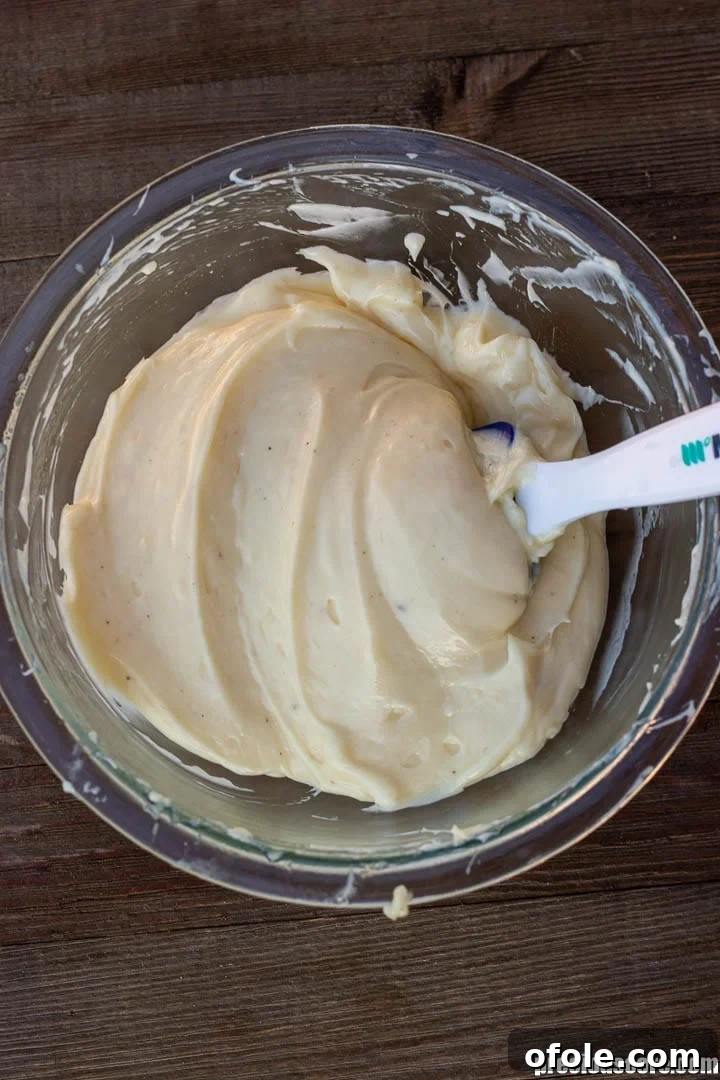
For the complete list of ingredients with precise measurements, please refer to the recipe card located at the end of this article.
Step-by-Step: How To Make Homemade Mayonnaise
Once you master this recipe, you’ll have the best mayonnaise at your fingertips, ready to transform everything from chicken salad and potato salad to tuna salad, creamy dressings, and homemade condiments. The process is remarkably straightforward, requiring minimal effort for maximum reward. Here’s how to create your own batch of luscious homemade mayonnaise:
-
Combine Base Ingredients: In a medium mixing bowl, add your room temperature egg yolks, vinegar, salt, mustard, sugar, white pepper, and lemon juice. These are your foundational flavor components. Using a hand mixer (or a whisk), beat these ingredients together until they are well combined and slightly frothy. This initial mixing prepares the egg yolks for emulsification.
-
Slowly Emulsify with Oil: This is the critical step for achieving that signature creamy texture. While continuously mixing with your hand mixer on a low to medium speed, very slowly drizzle in the oil in a thin, steady stream. The key is to add the oil gradually, almost drop by drop at the beginning, allowing it to fully incorporate before adding more. As the oil is added and blended, you will observe the mixture gradually thickening and transforming into rich, luscious mayonnaise. Continue until all the oil has been incorporated and the mayonnaise reaches your desired consistency.
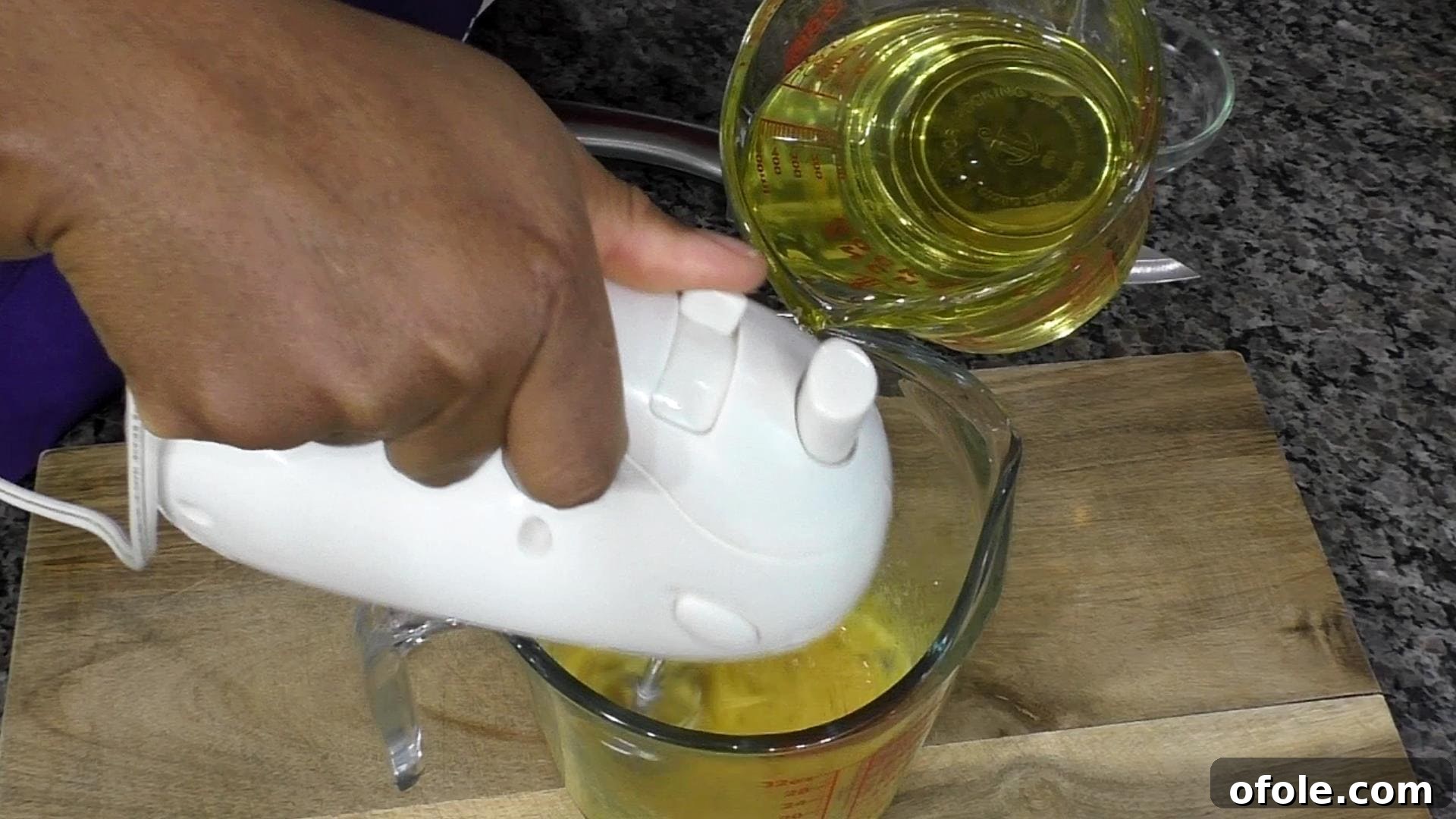
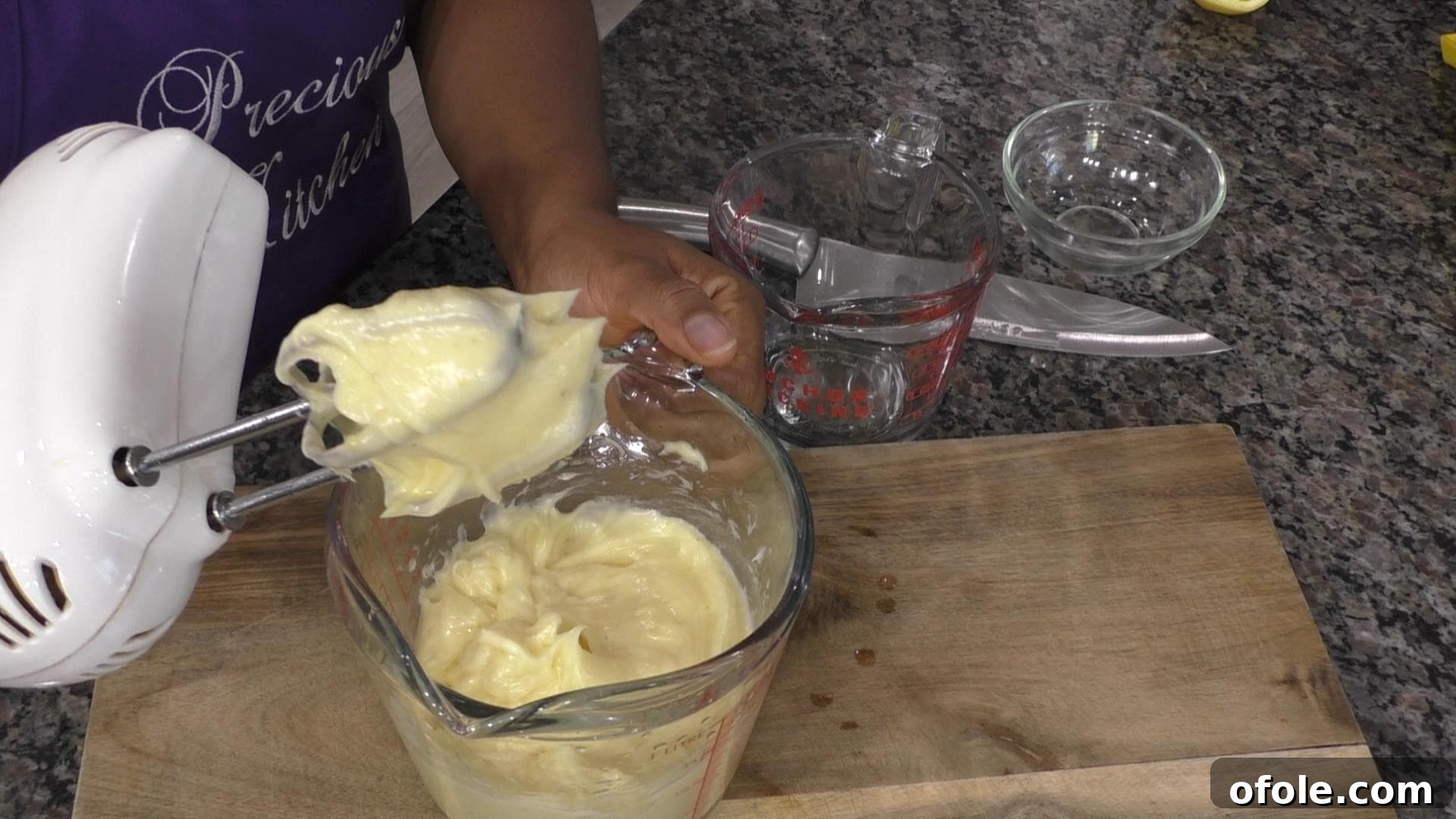
Alternatively, for an even quicker method, you can place all ingredients (except the oil) into a tall jar or container. Then, using an immersion blender (stick blender), blend to combine before slowly drizzling in the oil with the blender running, moving it up and down until the mayonnaise emulsifies and thickens.
That’s all there is to it! Just these two simple steps stand between you and a jar of homemade mayonnaise that far surpasses any store-bought alternative in both taste and quality. Get ready to experience the pure, fresh flavor difference.
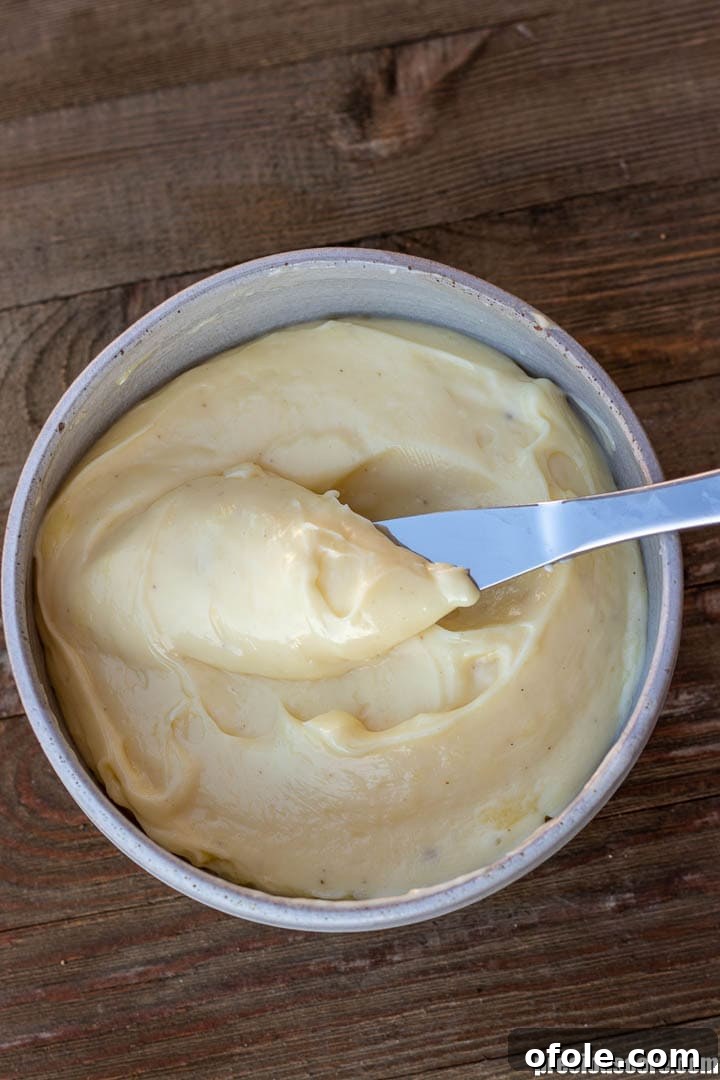
Various Methods to Make Homemade Mayonnaise
While the basic principle of emulsifying oil into egg yolks remains constant, there are several tools you can use to achieve beautifully thick, homemade mayonnaise. Choose the method that best suits the equipment you have on hand:
- Homemade Mayonnaise in a Blender: Combine all ingredients except the oil in your blender. Pulse briefly to mix. With the blender running on low, slowly drizzle in the oil through the top opening until the mixture emulsifies and thickens to form mayonnaise.
- Homemade Mayonnaise in a Food Processor: Place all ingredients except the oil into the food processor. Pulse to combine. With the food processor running, slowly add the oil through the feed tube in a steady stream until the mayonnaise thickens.
- Homemade Mayonnaise in a Stand Mixer: Using the whisk attachment, combine all ingredients except the oil in the bowl of your stand mixer. Mix on a low speed to combine. Gradually drizzle in the oil while the mixer continues to run, until the mixture visibly thickens into mayonnaise.
- Homemade Mayonnaise with a Hand Mixer: As demonstrated above, this is a highly effective method. Place all ingredients except the oil in a bowl. Beat with your hand mixer to combine. Slowly add the oil in a thin stream while continuously mixing until the mayonnaise forms and thickens.
- Homemade Mayonnaise with an Immersion Blender: This is often considered the easiest method. Add all ingredients (including the oil) to a tall, narrow container that perfectly fits the head of your immersion blender. Place the blender at the bottom and blend. As the mixture emulsifies, slowly lift the blender upwards until all the oil is incorporated and the mayonnaise is thick.
- Homemade Mayonnaise with a Whisk: For those who enjoy a bit of a workout! Combine all ingredients except the oil in a bowl and whisk vigorously to combine. Then, very slowly drizzle in the oil while continuously whisking with sustained effort. It requires patience and arm strength, but it absolutely works!
- Homemade Mayonnaise with Forks: Believe it or not, this is how I started! If you don’t even have a whisk, you can improvise. Place all ingredients except the oil in a bowl. Join two forks together and use them to beat the mixture. Gradually drizzle in the oil while continuously beating with the makeshift whisk until the mayonnaise thickens.
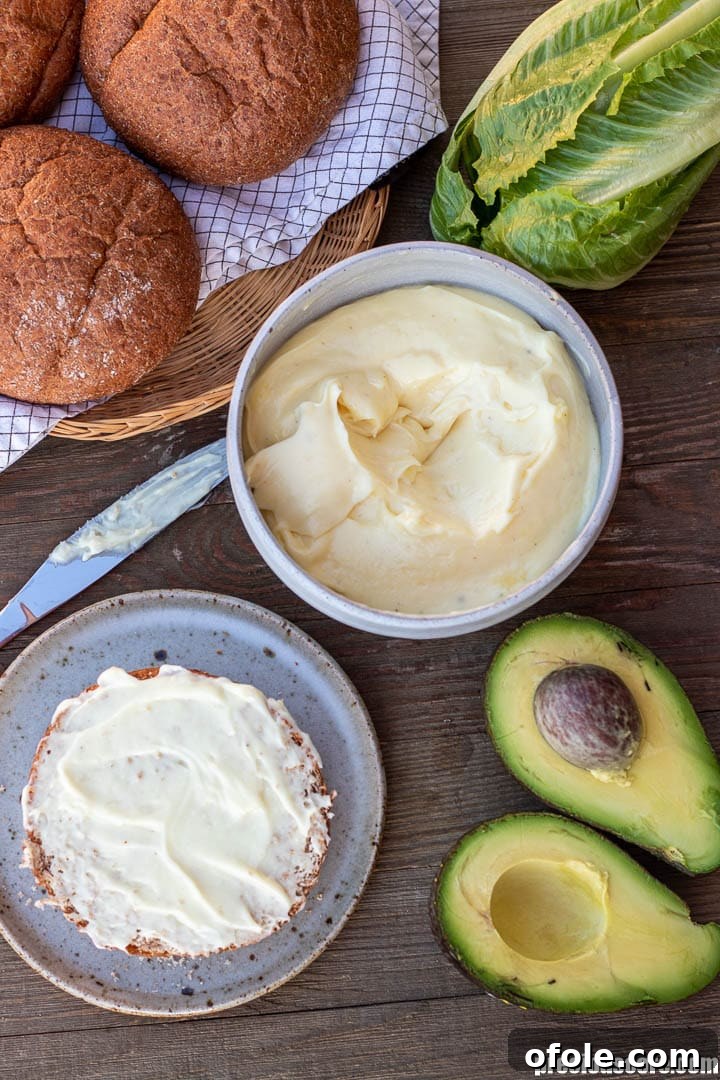
My personal journey with mayonnaise started with the most basic tools – a pair of forks serving as a whisk! This story serves as a testament: you truly do not need fancy gadgets or specialized equipment to achieve wonderful homemade mayonnaise. While kitchen tools like blenders, food processors, or stand mixers can certainly make the process quicker and less labor-intensive, they are by no means prerequisites for success. For this particular recipe, I used a hand mixer, striking a perfect balance between ease and efficiency. However, if all you have is a sturdy whisk and a bit of determination, you are more than capable of creating a magnificent batch of mayonnaise.
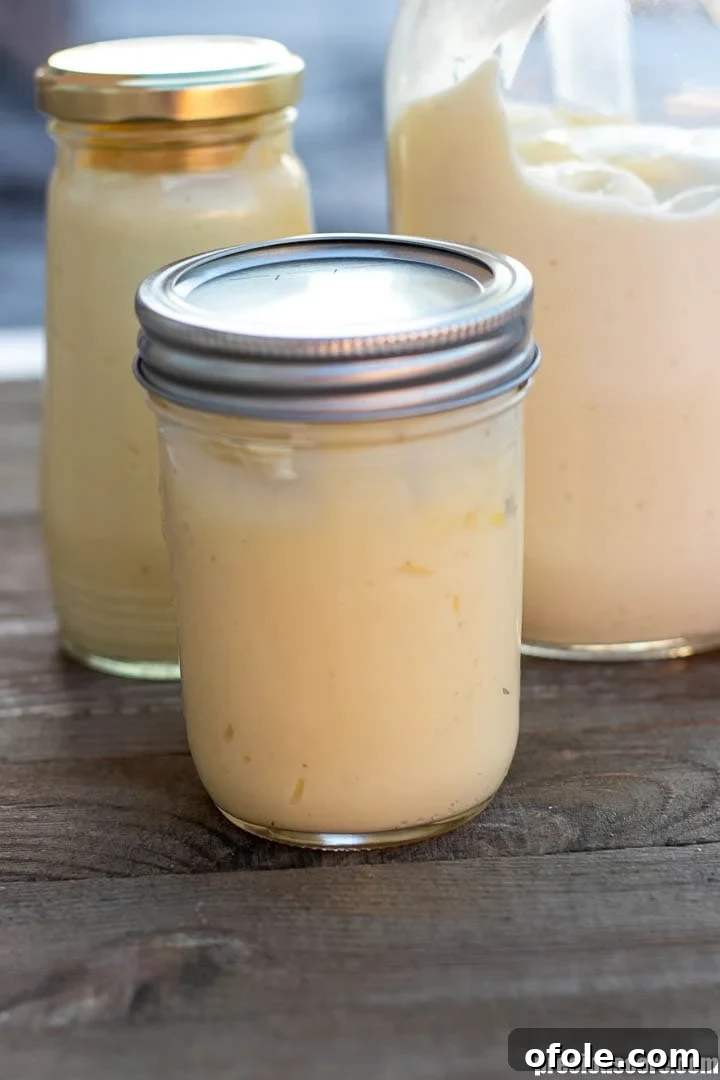
The Fundamental Mayonnaise-Making Principle
A crucial guideline passed down from my Food and Nutrition teacher, which has stayed with me for decades, is the ideal ratio for successful mayonnaise. The principle is simple and easy to remember: **use one egg yolk for every 250 milliliters (or 1 cup) of oil.** This ratio is your golden rule for achieving a perfectly stable and creamy emulsion every time. So, if you’re making a larger batch with two egg yolks, you’ll simply double the oil to 500 milliliters (or 2 cups). This consistent ratio ensures your mayonnaise thickens beautifully without breaking. Commit this to memory: “One egg yolk per one cup of oil.” Easy, right?
What is Homemade Mayonnaise Used For?
Once you’ve tasted the fresh, vibrant flavor of homemade mayonnaise, you’ll want to use it everywhere! Its superior quality enhances countless dishes. Here are just a few ideas for incorporating your freshly made mayonnaise:
- Elevate your Vegetable Salads with a rich, creamy dressing.
- Create the most delectable Pasta Salads, bursting with flavor.
- Make a simple yet satisfying Breakfast Salad with avocado and eggs.
- Whip up a tangy Mayo-Ketch Dipping Sauce for fries or fried plantains.
- Prepare elegant and crowd-pleasing Deviled Eggs that truly stand out.
- Enhance the freshness of a Cucumber Avocado Salad.
- Craft the creamiest, most delicious Coleslaw from scratch.
- Use it as a binder for chicken salad, tuna salad, or egg salad.
- Spread it generously on sandwiches, wraps, and burgers.
- Utilize it as a base for various creamy dips and dressings.
- And much, much more! Anywhere you would normally use store-bought mayo, your homemade version will be a flavorful upgrade.
Don’t limit mayonnaise to just cold dishes! It can also be a fantastic cooking ingredient. For an unexpected and incredibly juicy dinner, try my Mayonnaise Chicken recipe. You’ll be amazed at how this simple addition tenderizes and flavors your poultry, creating a dish worthy of a standing ovation!
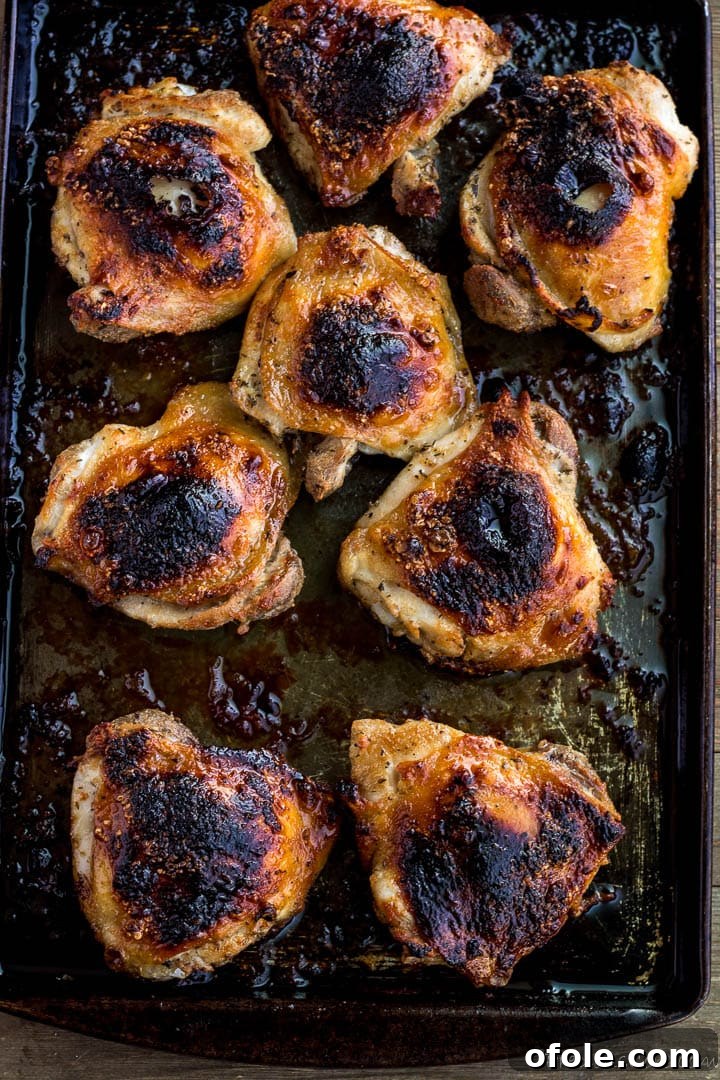
This homemade mayonnaise recipe consistently delivers a product that is perfectly “mayonnaise-y” – rich, tangy, and utterly satisfying. I confess, I’ve enjoyed spoonfuls of this fresh mayo more times than I can count! I sincerely hope you find as much joy and deliciousness in this recipe as I do. Once you try it, you’ll declare: #NeverBuyMayonnaiseAgain!
Homemade Mayonnaise Success Tips for a Perfect Batch
Achieving perfectly emulsified mayonnaise is simple when you follow a few key guidelines. These tips will help ensure your homemade mayo turns out beautifully thick and creamy every single time:
- Use Room Temperature Eggs: This is arguably the most crucial tip. Egg yolks at room temperature emulsify far more easily and effectively with oil than cold eggs. If your eggs are straight from the refrigerator, simply place them in a bowl of lukewarm (not hot!) water for about 5-10 minutes before separating the yolks and using them. This small step makes a significant difference.
- Ensure Fresh, High-Quality Eggs: Since you’ll be consuming the egg yolks raw, using the freshest, highest-quality eggs available is paramount for both safety and flavor. Opt for cage-free or organic eggs from a trusted source. The better the eggs, the better your mayonnaise will taste and emulsify.
- Drizzle Oil Slowly and Steadily: Patience is a virtue in mayonnaise making. The most common reason for mayonnaise “breaking” (separating into oil and egg) is adding the oil too quickly. When beating the mayonnaise, add the oil in a very slow, thin, consistent stream. Allow each small addition of oil to fully incorporate before adding the next. This gradual process creates a stable emulsion. If you add it too fast, the egg yolks can’t bind with the oil effectively, leading to a runny or separated mixture.
Watch How To Make Homemade Mayonnaise
Seeing the process in action can be incredibly helpful! Watch me demonstrate my Homemade Mayonnaise Recipe in the video below, where I guide you through each step to ensure your success.
Frequently Asked Questions About Homemade Mayonnaise
Here are answers to some common questions about making and storing homemade mayonnaise:
- How long can I store homemade mayonnaise? Store your freshly made mayonnaise in an airtight jar or container in the refrigerator for 1 to 2 weeks. Due to the fresh ingredients and lack of preservatives, its shelf life is shorter than commercial varieties.
- Can I make mayonnaise without raw eggs? Traditional mayonnaise fundamentally requires raw egg yolks for emulsification. If concerns about consuming raw eggs are present, consider using pasteurized eggs, which are treated to reduce the risk of salmonella. Only use the freshest, highest-quality eggs available, such as cage-free or organic, as this contributes to both safety and flavor. While the risk is low, some people prefer to avoid raw eggs entirely.
- What can I do if my mayonnaise breaks? Don’t despair if your mayonnaise separates or fails to emulsify! This is a common issue and easily fixable. To rescue broken mayonnaise, place a fresh egg yolk and a tiny pinch of mustard into a clean bowl. Beat them together until well combined. Then, very slowly begin drizzling the broken mayonnaise mixture into this new egg yolk base, whisking continuously. The broken mayo will gradually emulsify and thicken again.
- What if my mayonnaise is too thick? Sometimes, homemade mayonnaise can become excessively thick, almost jelly-like. To achieve the perfect spreadable consistency, simply add 1 tablespoon of hot (not boiling) water to the overly thick mayonnaise. Beat or whisk it in until the mayonnaise reaches your desired creamy texture.
Delicious Variations to Homemade Mayonnaise Recipe
One of the joys of making your own mayonnaise is the freedom to customize it! Once you have your basic batch, you can easily transform it into a variety of flavored condiments. Here are some exciting ways to switch up your homemade mayonnaise:
- Garlic Mayonnaise (Aioli): For a pungent and aromatic spread, add 1-2 cloves of finely minced garlic (or roasted garlic for a milder flavor) to your mayonnaise base.
- Herby Mayonnaise: Infuse your mayo with fresh herbs for a bright and fragrant condiment. Blend in finely chopped fresh basil, parsley, dill, chives, or thyme. A combination of herbs works wonderfully too!
- Spicy Mayonnaise: Kick up the heat by incorporating a pinch of cayenne pepper, a dash of hot sauce, or finely minced hot peppers like habanero or jalapeño. Adjust to your preferred level of spiciness.
- Smoked Paprika Mayonnaise: For a smoky, savory depth, stir in half a teaspoon of smoked paprika. This is fantastic with grilled meats or roasted vegetables.
- Chipotle Mayonnaise: Add a smoky, spicy, and tangy flavor by blending in a tablespoon of adobo sauce from a can of chipotle peppers, or finely chopped chipotle peppers themselves.
- Lemon-Herb Mayonnaise: Combine the brightness of extra lemon zest with your favorite fresh herbs for a zesty, aromatic spread that’s perfect for seafood.
This recipe was originally published on January 23rd, 2018. It has been thoroughly updated with fresh photos, comprehensive information, and a helpful video to enhance your cooking experience.
If you enjoy this recipe and make it, please consider leaving a star rating below. Your feedback helps other home cooks discover and enjoy the recipe, and I always love hearing from you! Thank you!
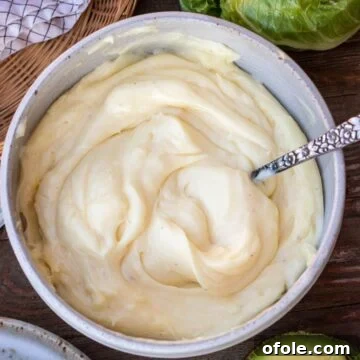
Homemade Mayonnaise Recipe
Average Rating: 4 out of 5 stars (based on 1 vote)
Discover how to make the best homemade mayonnaise at home! This fail-proof recipe is incredibly easy, tastes supremely delicious, and is far healthier than any store-bought alternative. Use it to enhance sandwiches, salads, dips, and much more!
Ingredients
- 2 egg yolks (room temperature for best results)
- 1/4 teaspoon ground white pepper
- 1/2 teaspoon salt (or to taste)
- 4 teaspoons lemon juice (freshly squeezed, from about half a lemon)
- 1 teaspoon vinegar (white vinegar or apple cider vinegar recommended)
- 1 teaspoon sugar (optional, but highly recommended for flavor balance)
- 1 teaspoon mustard (Dijon mustard or yellow mustard; can be omitted)
- 2 cups oil (500ml or half liter) (neutral-tasting oil like peanut, canola, soy, or light olive oil; see notes)
Instructions
-
Place all ingredients except the oil in a mixing bowl. Use a hand mixer or a whisk to beat them together until well combined. The mixture should be uniform and slightly frothy.
-
While continuously whisking or mixing on low speed, slowly drizzle in the oil in a thin, steady stream. As the oil is gradually added, the mixture will begin to thicken and emulsify, transforming into creamy mayonnaise. If you are whisking by hand and get tired, rest for a few seconds before continuing. Continue until all the oil is incorporated and the mayonnaise reaches a thick, luscious consistency.
-
Taste and adjust seasonings if necessary. Use your homemade mayonnaise immediately on salads, in sandwiches, as a dip, or wherever you would normally use mayonnaise. Store any leftover mayonnaise in an airtight container in the refrigerator for 1-2 weeks.
Notes
-
Oil Choice: I used peanut oil in this recipe, but any light, neutral-flavored oil will work well. Canola, soy, and avocado oils are excellent options. It’s crucial to avoid oils with strong, overpowering flavors, such as extra virgin olive oil, which can dominate the taste of your mayonnaise. If you prefer to use olive oil, choose a light olive oil, or use a blend of half extra virgin olive oil and half a lighter, neutral oil.
-
Mustard: Yellow mustard contributes to a slightly yellowish hue and enhances the overall flavor of the mayonnaise. Dijon mustard is also a great choice, adding flavor without significantly altering the color. While mustard helps stabilize the emulsion and adds depth, it is not a compulsory ingredient; I have successfully made delicious homemade mayonnaise without it on several occasions.
-
Sugar: Although optional, adding a single teaspoon of sugar makes a remarkable difference in balancing the flavors. You won’t taste sweetness, but it rounds out the tartness and acidity, resulting in a more complete and satisfying taste profile for your homemade mayonnaise.
-
Troubleshooting Thickness: If your mayonnaise doesn’t thicken adequately when whisking by hand, or if it breaks, transfer the mixture to a blender or a tall, narrow container suitable for an immersion blender. Blend until it achieves the desired thick consistency. This method often helps to rescue a stubborn emulsion.
-
Nutritional Information: The nutritional information provided in this section is an estimate per tablespoon serving.
Nutrition
Additional Info
Tried this recipe? Share your culinary creations! Mention @preciouscore or tag #PreciousCore on Instagram!