
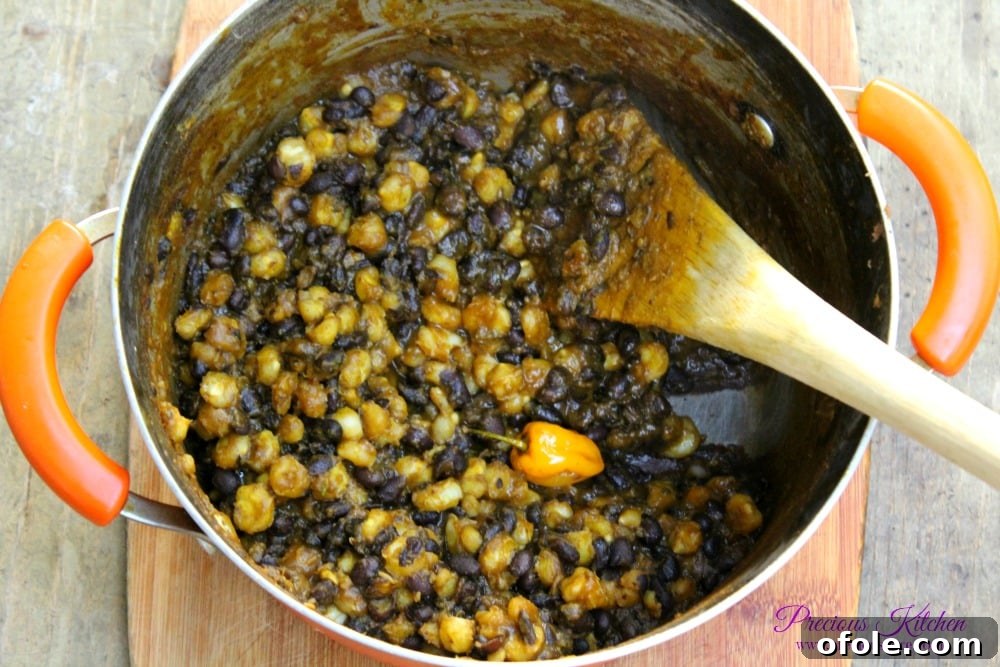
Discover the Hearty Delight of Cornchaff: An Authentic One-Pot African Recipe
There are some dishes that transcend mere sustenance and become synonymous with comfort, nostalgia, and pure culinary joy. For many, including myself, Cornchaff is precisely that dish. From my formative years in boarding school, where it was a frequent and much-anticipated meal, to becoming a weekly staple in my adult kitchen, this delectable blend of corn and beans, slow-simmered in a symphony of rich flavors, has consistently captured my heart. It’s a creamy, deeply satisfying, and incredibly flavorful experience that warms both body and soul.
What is Cornchaff? A Staple of African Comfort Food
Cornchaff, often known as “Corn and Beans,” is a beloved one-pot dish deeply rooted in West African cuisine, particularly popular in countries like Cameroon and Nigeria. At its core, it’s a humble yet incredibly flavorful stew made from tender corn and protein-rich beans, cooked down with vibrant palm oil and an aromatic blend of spices. What makes Cornchaff truly special is its ability to transform simple, wholesome ingredients into a complex and comforting meal that feels both hearty and incredibly satisfying. It’s the kind of dish that brings families together, evokes cherished memories, and offers a delicious taste of African culinary heritage.
Despite its rich flavor profile, Cornchaff remains incredibly easy to prepare. This recipe embodies the essence of a “dump-and-go” meal, where you simply combine your ingredients in a pot, let them simmer, and allow the magic to happen. It’s perfect for busy weeknights, meal prepping, or simply when you crave something wholesome and flavorful without spending hours in the kitchen.
My Culinary Quest: Perfecting Cornchaff in the United States
My journey to perfecting Cornchaff since moving to the United States has been an interesting and often comical adventure. Adapting beloved traditional recipes to new environments often requires ingenuity and a good dose of trial and error. The availability of specific ingredients can be a major hurdle, but it also opens doors to exciting discoveries and new interpretations of classic dishes.
The Early Days: Navigating Dried Corn Challenges
Initially, my attempts at making Cornchaff in the US involved using dried peeled broken corn, readily available in most grocery stores. While convenient, the results were consistently too mushy for my liking. The texture, a crucial element in Cornchaff, was lost, leaving me with a dish that lacked the satisfying chewiness I remembered from home. It was edible, certainly, but it didn’t quite hit that nostalgic mark of authentic Cornchaff.
A Traditional Method: The Kanwa Experience
My quest continued, and one day, during a visit to an African grocery store, I stumbled upon bags of dried corn – the kind that truly resembled what we used back home. Filled with excitement, I embraced the traditional method: boiling the corn with *Kanwa* (limestone, or sometimes baking powder as a substitute) to soften it, then painstakingly peeling off each individual skin. After a thorough rinse, the peeled corn would go back into the pot for further cooking before adding the pre-soaked raw beans. While the outcome was closer to the authentic texture I craved, the process was undeniably time-consuming and labor-intensive. It was a commitment I wasn’t always prepared for, especially on busy weekdays.
A Sweet Revelation: The Frozen Corn Shortcut
The turning point arrived when my sister-in-law shared a brilliant tip: she made her Cornchaff with a particular brand of canned corn. Though I couldn’t locate that exact brand, her suggestion inspired me to experiment with frozen sweet corn. And what a revelation it was! The frozen corn was a game-changer – tender, sweet, and requiring no peeling or extensive pre-preparation. This simple switch transformed Cornchaff from a weekend project into an effortless weeknight meal. I was so thrilled with this discovery that I even shared a detailed recipe for it previously, allowing others to experience this newfound ease and deliciousness. That version of the recipe, highlighting sweet frozen corn, was a huge hit, offering a wonderful alternative for those seeking convenience.
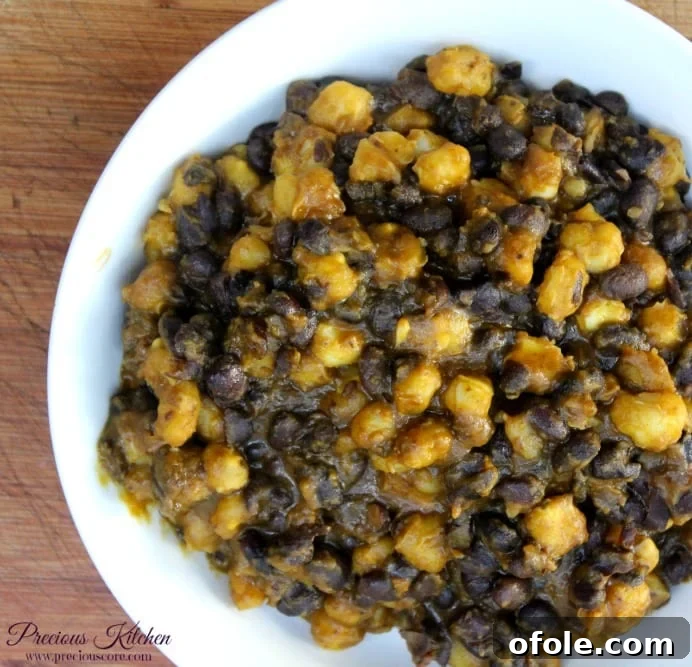
The Game-Changer: Discovering Canned Hominy
Just when I thought my Cornchaff journey had reached its peak with frozen corn, fate intervened. On a routine grocery run, my eyes caught something intriguing in the canned goods aisle: what appeared to be whole, peeled corn in a can. It didn’t look like sweet corn; it looked exactly like the dried peeled corn I knew from home, but miraculously, it was ready to use. I was initially confused by the label, which prominently read “Hominy.” After examining the can multiple times, I finally spotted “Maiz” written subtly – a clear sign that this was indeed corn, thanks to my rudimentary French lessons. My excitement was palpable!
I purchased it with eager anticipation, hoping it would be the answer to my quest for truly authentic and effortless Cornchaff. Brethren, when I arrived home and opened that can, what I found was pure magic: perfectly peeled, soft corn, just like the kind we prepare from scratch back home! It was an absolute dream come true. I paired this newfound treasure with black beans, which I had conveniently boiled earlier while multitasking with household chores. Pre-boiling beans in advance, or even using canned beans, significantly cuts down cooking time, making this hearty dish even more accessible.
The combination of this exquisite canned hominy, perfectly cooked black beans, and the robust blend of ingredients outlined in this recipe creates a Cornchaff that is simply “da bomb.com” – incredibly flavorful, deeply satisfying, and wonderfully reminiscent of home. This particular recipe celebrates that serendipitous discovery, bringing the true essence of Cornchaff to your table with unparalleled ease.
For those living in the United States, finding the right type of hominy can make all the difference. This specific variety of canned, peeled corn is often available in the ethnic foods aisle or alongside other canned vegetables. If you’re looking to purchase it online for ultimate convenience, here’s an affiliate link to help you find it:
Watch the Cornchaff Magic Unfold!
Seeing a recipe come to life can be incredibly helpful. For a visual guide to making this delicious Cornchaff, including tips on preparing your ingredients and achieving that perfect simmer, watch my video tutorial below. It walks you through each step, ensuring your Cornchaff turns out perfectly every time.
The Ultimate Cornchaff Recipe: A Detailed Guide
Ingredients for Your Authentic Cornchaff
- 5 cups cooked hominy corn (drained from cans, or traditionally boiled and peeled corn)
- 5 cups cooked beans (such as black beans, kidney beans, or cowpeas, pre-soaked and boiled until tender)
- 1 cup rich palm oil (essential for authentic flavor and color, or a neutral vegetable oil for a milder taste)
- 1 large stem fresh leeks, thoroughly washed and finely chopped
- ½ inch piece fresh ginger, peeled and roughly chopped
- 7 cloves garlic, peeled
- 3 – 4 cubes bouillon cubes (e.g., Maggi, Knorr, or your preferred brand, crushed)
- ½ a large onion, roughly chopped
- ½ teaspoon sea salt, or adjust to your personal taste
- 1/4 teaspoon country onions (rondelles) powder – optional, but highly recommended for a truly authentic African flavor profile
- 1 habanero pepper – optional, deseeded and roughly chopped, adjust quantity based on desired heat level
Step-by-Step Instructions for Making Cornchaff
2. Blend the Aromatics: In a blender or food processor, combine the peeled garlic cloves, fresh ginger piece, roughly chopped onions, chopped leeks, and the habanero pepper (if you’re adding it for heat). Blend these ingredients until you achieve a smooth or slightly coarse paste. This fragrant mixture will infuse your Cornchaff with its signature “BIG flavors.”
3. Infuse with Flavor: Add the entire blended aromatic paste directly into the pot with the corn, beans, and oil. Stir thoroughly, ensuring the aromatic blend is evenly distributed throughout the mixture.
4. Season and Simmer: Pour in about half a cup of water, then add the salt and the crushed bouillon cubes. If you’re seeking to enhance the authentic African essence of your Cornchaff, now is the time to add the country onion (rondelles) powder. Stir everything together one last time to fully combine the seasonings.
5. Cook to Perfection: Place the pot on a medium-high heat setting. Cover it tightly with a lid and allow the mixture to come to a gentle simmer. Reduce the heat slightly to maintain a steady simmer and let it cook for approximately 20 minutes. During this simmering period, the flavors will meld and deepen, creating a rich and harmonious taste. Remember to check periodically and stir the contents of the pot to prevent any sticking to the bottom. If the mixture appears too thick or dry for your preference, add a small splash of additional water or even vegetable broth to achieve the desired moisture and consistency.
6. Serve and Enjoy: Once the Cornchaff has simmered beautifully and all the ingredients are perfectly tender and flavorful, remove the pot from the heat. Your delicious and comforting Cornchaff is now ready to be served warm. It makes for an incredibly satisfying main course.
Details for Your Cornchaff Preparation
Prep time: Cook time: Total time: “>Yield: 5 generous servings
Tips for Making the Best Cornchaff Every Time
Achieving the perfect Cornchaff is straightforward, but a few tips can elevate your dish from good to unforgettable:
- Bean Preparation is Key: Whether you’re using dried beans or canned, ensure they are fully cooked and tender before adding them to the pot. If using dried beans, soaking them overnight and boiling them until soft is crucial. Using a pressure cooker can significantly speed up this process. Alternatively, good quality canned black beans or kidney beans, thoroughly rinsed and drained, are excellent time-savers.
- Corn Choice Matters: As my journey shows, the type of corn dramatically impacts the texture. Canned hominy corn offers the closest texture to traditionally peeled corn. If you can’t find hominy, frozen sweet corn is a fantastic second choice, providing tenderness and a touch of sweetness. Avoid dried broken corn if you prefer a less mushy consistency.
- Palm Oil vs. Vegetable Oil: Palm oil lends Cornchaff its authentic flavor, rich color, and distinct aroma. If you’re aiming for traditional taste, don’t skip it. However, if palm oil isn’t available or you prefer a lighter dish, a neutral vegetable oil like canola or sunflower oil can be used, though the flavor profile will be slightly different.
- Adjust Spice Levels: Habanero pepper adds a delightful kick, but feel free to adjust the quantity or omit it entirely based on your preference for heat. You can also use Scotch Bonnet or a milder pepper.
- Country Onions (Rondelles) Powder: This indigenous African spice, derived from the seeds of the African ‘country onion’ tree, contributes a unique, earthy, and slightly pungent flavor that is characteristic of many West African dishes. While optional, it adds an authentic depth that is hard to replicate. You can find it in most African grocery stores.
- Simmer for Flavor: Don’t rush the simmering process. Allowing the ingredients to cook together slowly ensures that the flavors from the aromatics and palm oil thoroughly permeate the corn and beans, creating a deeply integrated and satisfying taste.
- Consistency Control: The desired consistency of Cornchaff varies. Some prefer it thicker, while others like it slightly looser. Adjust the amount of water during simmering to reach your ideal texture. It should be creamy but not watery.
- Storage and Reheating: Cornchaff stores wonderfully! Allow it to cool completely before transferring it to an airtight container. It can be refrigerated for up to 3-4 days. Reheat gently on the stovetop or in the microwave, adding a splash of water if needed to restore moisture.
Cornchaff Variations to Explore
While this recipe provides the authentic base for Cornchaff, feel free to experiment and personalize it with these delicious variations:
- Protein Boost: For an even heartier meal, consider adding pre-cooked smoked fish (like smoked mackerel or dry fish), cooked beef, chicken, or even shrimp during the simmering phase. These additions will absorb the flavors beautifully and add another layer of richness.
- Green Additions: Towards the end of the cooking process, stir in some fresh leafy greens like spinach, callaloo, or collard greens. They will wilt beautifully, adding nutrients and a fresh, vibrant element to the dish.
- Smoky Flavor: If you enjoy a smoky depth, a pinch of smoked paprika or a tiny amount of smoked turkey or ham hock (cooked until tender and shredded) can be added during the initial stages of cooking.
- Nutty Twist: Some variations include a spoonful of ground roasted peanuts or peanut butter, which adds a creamy texture and a subtle nutty flavor, common in certain West African stews. Add this during the last 10 minutes of simmering.
Why Cornchaff Deserves a Spot in Your Kitchen
Cornchaff is more than just a meal; it’s an experience. It’s a testament to the power of simple ingredients combined with traditional cooking methods to create something truly extraordinary. Whether you’re reconnecting with cherished childhood memories, exploring new culinary horizons, or simply seeking a delicious, easy-to-make, and wholesome dish, Cornchaff ticks all the boxes. Its rich flavors, comforting texture, and the ease of its one-pot preparation make it an ideal addition to any home cook’s repertoire. I invite you to embark on this flavorful journey and discover the pure joy of making and sharing this incredible African corn and beans stew. Your taste buds will thank you!