
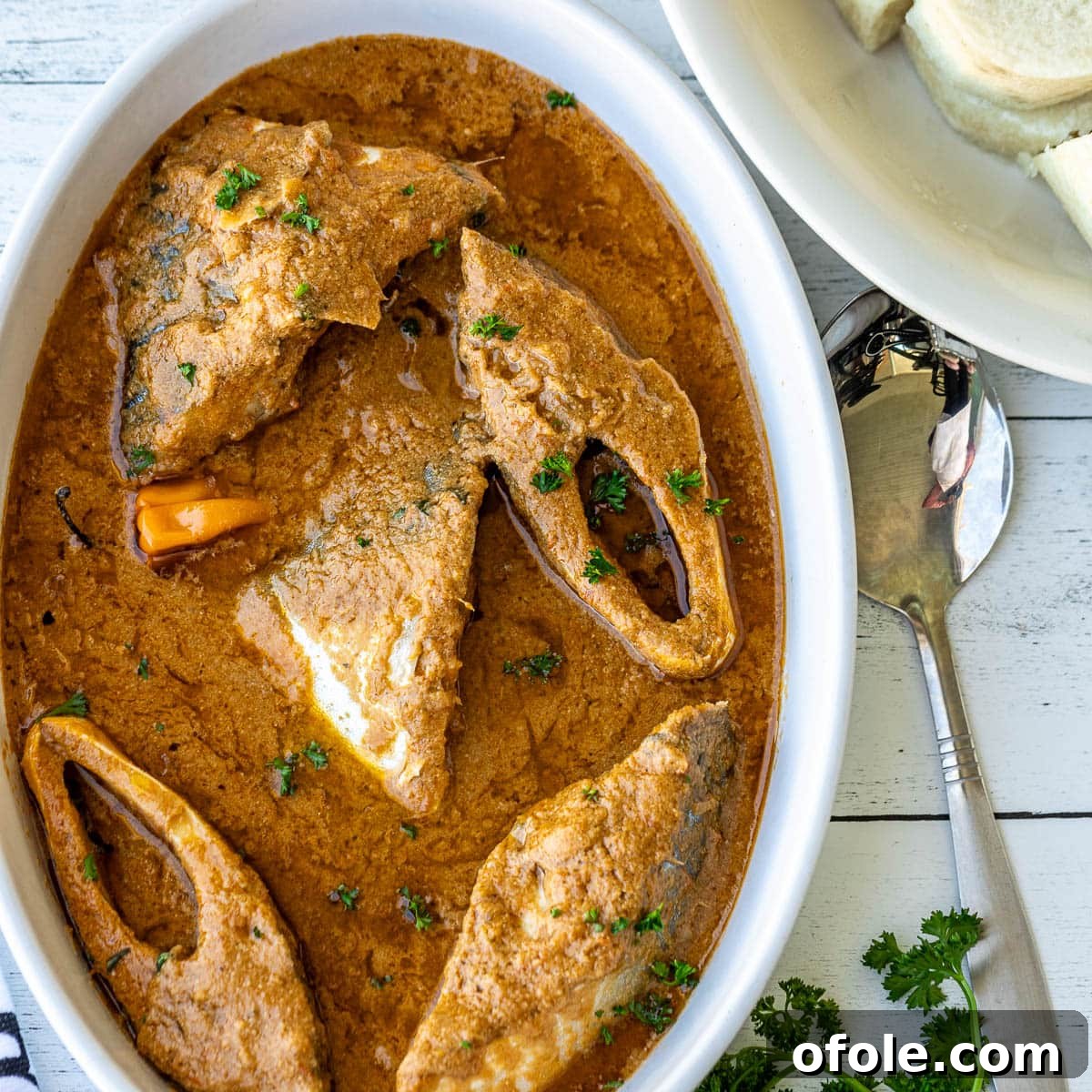
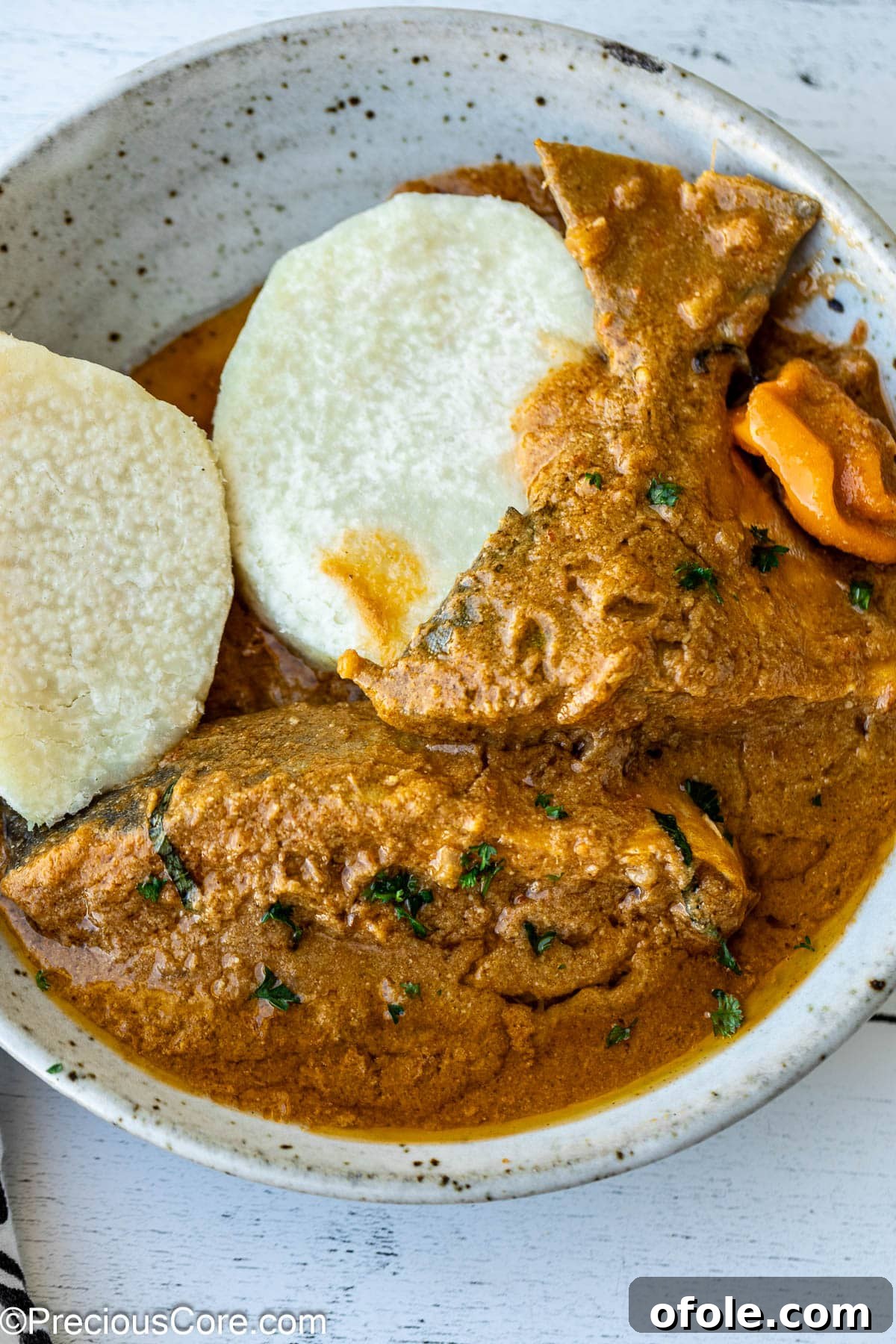
Welcome to the heart of Cameroonian cuisine, where flavors explode and traditions come alive! Today, we’re diving into the delightful world of Cameroonian Njangsa Sauce, also affectionately known as Njangsa Stew. This culinary masterpiece is renowned for its irresistibly creamy texture and deep, savory umami flavor. It’s a versatile dish that pairs beautifully with a range of staples, from classic boiled plantains and hearty African white yams to fluffy white rice, making it a perfect meal for any occasion.
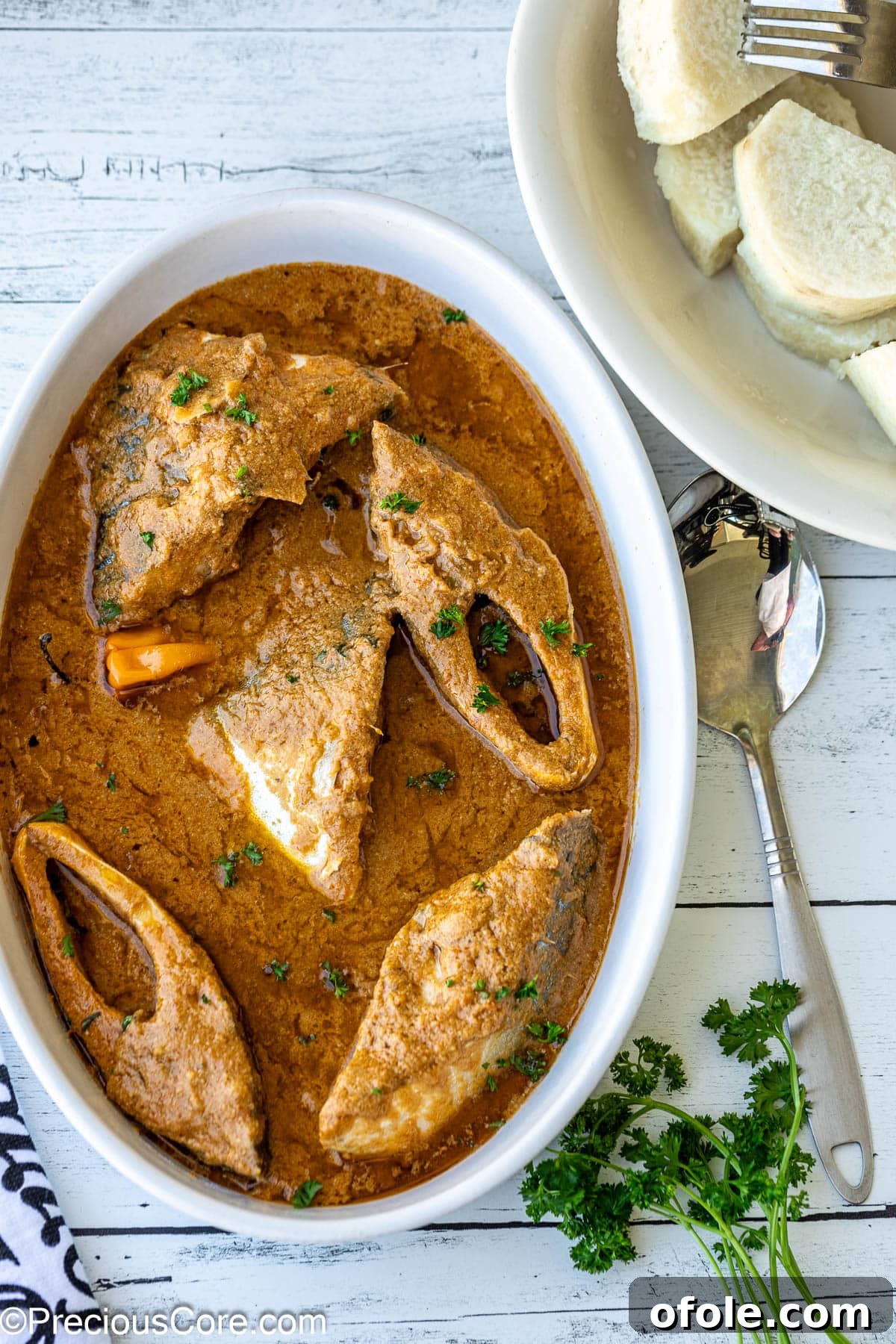
At the very core of this exquisite recipe lies its star ingredient: Njangsa seeds. These unique, orange-hued kernels are not just visually distinct; they are the secret behind the sauce’s characteristic creaminess and an unparalleled nutty, earthy flavor profile. Across Cameroon and beyond, these precious seeds are known by various names such as Njangsa, Njangsang, Djangsang, or even Njansa. This versatile oil kernel is a staple in many Cameroonian dishes, cherished for its ability to elevate simple ingredients into something truly extraordinary.
Njangsa is far more than just a stew ingredient; its culinary applications are wide-ranging. It plays a pivotal role in the comforting depth of Cameroonian Pepper Soup, lending a thick, aromatic base. Furthermore, its unique taste adds an extra “oomph” to marinades, especially for dishes like Cameroonian Roasted Fish, where it infuses the fish with a rich, nutty essence. For those eager to embark on this flavorful journey, Njangsa seeds can typically be sourced from well-stocked African grocery stores or international markets, making this authentic taste of Cameroon accessible to kitchens worldwide.
Whether you’re planning a quick weeknight dinner or preparing for a special gathering, this authentic Njangsa Sauce recipe promises an unforgettable culinary experience. Its insanely delicious flavor and satisfying texture make it a dish you’ll want to revisit again and again.
Table of Contents
- Why You’ll Love This Cameroonian Njangsa Sauce
- Understanding Njangsa: The Star Ingredient
- Key Ingredients for Your Njangsa Stew
- How To Prepare Cameroonian Njangsa Sauce: Step-by-Step Guide
- Serving Suggestions for Njangsa Sauce
- Watch the Njangsa Sauce Recipe Video
- Delicious Variations for Njangsa Sauce
- Frequently Asked Questions About Njangsa
- More Cameroonian Recipes To Try
- Authentic Cameroonian Njangsa Sauce Recipe
Why You’ll Love This Cameroonian Njangsa Sauce
There are countless reasons to fall in love with this traditional Cameroonian dish. It’s more than just food; it’s an experience that tantalizes your taste buds and introduces you to the rich culinary heritage of West Africa. Here’s why this Njangsa Sauce recipe is a must-try:
- Explosion of Flavor: Prepare for a flavor fiesta! The sauce boasts an incredibly rich and complex taste, a hallmark of Cameroonian cooking that masterfully blends vibrant herbs and aromatic spices. Its creamy texture provides a luxurious mouthfeel that complements the robust flavors perfectly. This dish truly showcases the brilliant use of natural ingredients to create depth and warmth.
- A Gateway to African Cuisine: For those new to the diverse and exciting world of African gastronomy, Njangsa stew serves as an excellent introduction. It’s surprisingly straightforward to prepare, even for novice cooks. The most intensive part, cleaning the fish, can often be handled by your fishmonger, simplifying your cooking process and allowing you to focus on the magic of the flavors.
- Incredible Versatility: One of the greatest attributes of Njangsa Sauce is its adaptability. It’s a fantastic main course that can be paired with an array of traditional African staples or common sides. Serve it with fluffy rice, sweet fried or savory boiled plantains, the distinct flavor of African white yams (which are quite different from their American counterparts), comforting boiled taro (cocoyams), or even simple potatoes. The options are endless, ensuring a different delightful meal every time.
Understanding Njangsa: The Star Ingredient
Before we delve into the cooking process, let’s take a closer look at the ingredient that makes this sauce truly special: Njangsa seeds. These small, flat, oily kernels are derived from the tropical African tree, Ricinodendron heudelotii. This tree is native to many West African countries, including Cameroon, where its seeds are highly prized for their culinary uses.
Njangsa seeds are typically light brown to reddish-orange and have a hard outer shell that needs to be cracked to reveal the edible kernel inside. Once extracted, the kernels are often dried and can be stored for extended periods. When ground or blended, Njangsa transforms into a rich paste that imparts a unique flavor – often described as nutty, earthy, and slightly smoky – and a wonderful creamy consistency to stews and soups.
The cultural significance of Njangsa extends beyond its taste. It’s a key component in traditional medicine and a source of essential nutrients. Its presence in a dish often signifies warmth, comfort, and the authentic flavors of home-cooked Cameroonian meals. When shopping for Njangsa, you might encounter it under its various regional names like Essessang (Cameroon), Akpi (Cote d’Ivoire), Bofeko (Zaire), Wama (Ghana), Okhuen (Nigeria), Kishongo (Uganda), and Munguella (Angola), reflecting its widespread use across the continent.
Key Ingredients for Your Njangsa Stew
Crafting the perfect Cameroonian Njangsa Sauce begins with selecting fresh, high-quality ingredients. Here’s a detailed look at what you’ll need to create this flavorful stew:
For the Fish
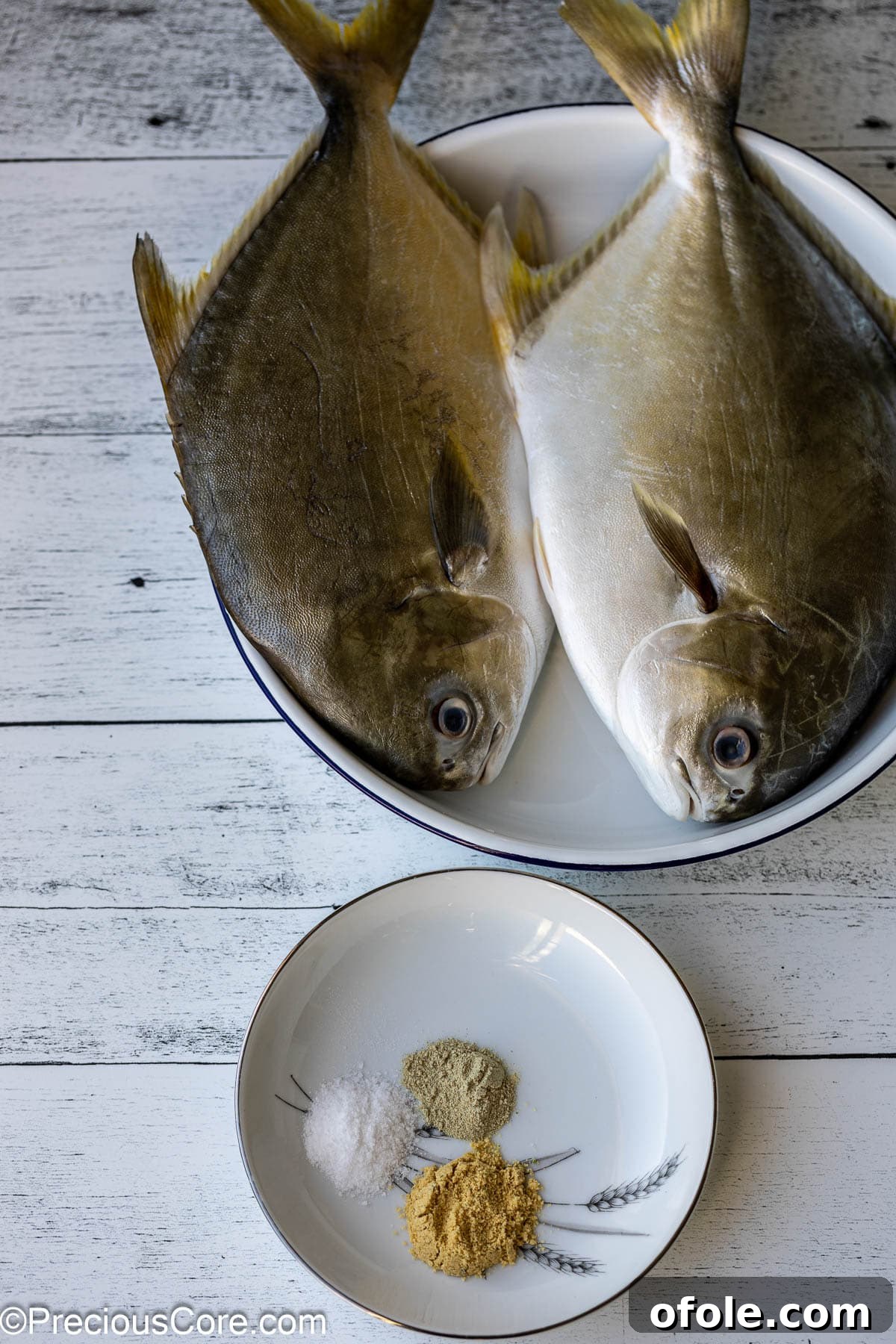
- Fish: While whole pompano is an excellent choice for this stew due to its firm flesh and rich flavor, other whole fish varieties like mackerel, snapper, trout, sea bass, sea bream, or tilapia work beautifully. Using whole fish is highly recommended as the bones slowly release a profound depth of flavor into the sauce as it simmers, enhancing the overall taste significantly.
- Simple Seasoning: A foundational seasoning blend of salt, white pepper, and chicken bouillon powder (or a Maggi seasoning cube) provides a savory base for the fish before it’s introduced to the simmering sauce. This initial seasoning ensures the fish is flavorful from the inside out.
For the Cameroonian Njangsa Sauce
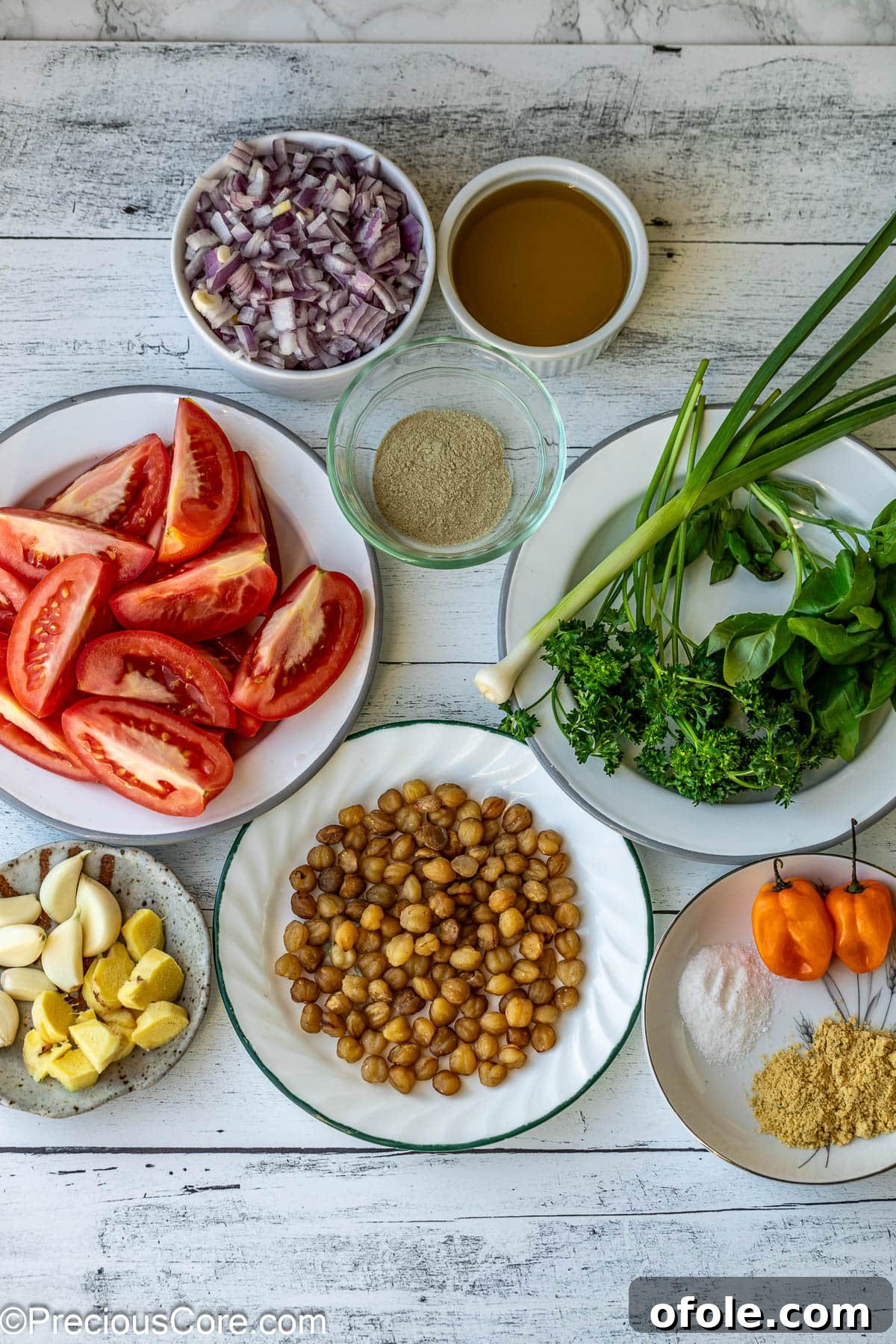
- Njangsa Seeds: As the defining ingredient, these seeds are crucial. To find them, search online for African markets near you and call ahead to confirm their stock. Their distinctive flavor and ability to create a creamy texture are what make this stew truly unique.
- Cooking Oil: Olive oil is a good choice for sautéing, but any neutral-tasting oil such as vegetable oil, canola oil, or avocado oil will work just as well, allowing the other flavors to shine.
- Aromatics (Garlic and Ginger): Fresh is always best! Taking the time to peel and mince fresh garlic and ginger will greatly enhance the aromatic complexity and overall depth of flavor, perfectly complementing the fish.
- Fresh Herbs (Green Spices): Known in Cameroon as “green spices,” this vibrant blend of herbs is a cornerstone of Cameroonian cooking. A combination typically includes parsley, celery, leeks, or green onions. These herbs aren’t just for garnish; they are blended into the sauce, taking every meal up a notch with their fresh, herbaceous notes. For a comprehensive guide, check out my Green Seasoning Recipe.
- Tomatoes and Onions: These form the flavorful base of the sauce. Diced onions are sautéed until fragrant, and blended Roma tomatoes are cooked down to develop a rich, sweet, and tangy foundation.
- Habanero Peppers: For those who appreciate a fiery kick, habanero (or scotch bonnet) peppers add significant heat and a fruity undertone that is characteristic of many West African stews. Adjust the quantity to your preferred spice level.
- Bouillon and Salt: Additional chicken bouillon powder or Maggi seasoning cubes, along with salt, are used to further season the sauce, balancing the flavors and bringing out the best in all the ingredients.
For the full list of ingredients with precise measurements, please refer to the comprehensive recipe card provided below.
Chef’s Tip for Freshness: Always select the freshest fish available for this recipe. The flesh should be firm to the touch, and it should have a clean, oceanic smell, free from any unpleasant odors. For maximum convenience and easier preparation, consider asking your fishmonger to clean, gut, and even cut the fish into steaks for you.
How To Prepare Cameroonian Njangsa Sauce: Step-by-Step Guide
Cooking this delectable Njangsa Sauce is simpler than you might imagine. Follow these detailed steps to create a rich and flavorful stew that will impress everyone:
- Prepare and Season the Fish: Begin by thoroughly cleaning the fish. Trim the fins with kitchen scissors, remove all entrails, and rinse the fish under cold running water until the water runs completely clear. If you prefer, your fishmonger can handle this step for you. Once cleaned, cut the fish into desired steaks. Season generously with salt, white pepper, and chicken bouillon powder (or a Maggi seasoning cube). Allow the seasoned fish to rest, absorbing the flavors, while you prepare the sauce.
- Sauté Aromatics and Cook Tomatoes: Heat your chosen oil in a medium-sized pot over medium-high heat until it shimmers. Add the diced onions and sauté for about a minute, stirring occasionally, until they become fragrant and translucent. Next, add the blended tomatoes (or tomato paste) to the pot. Let them cook undisturbed for about 5 minutes, allowing their flavors to deepen. Stir the tomatoes, then continue cooking for another 5-7 minutes, or until they begin to stick slightly to the bottom of the pot, indicating they are well reduced and flavorful.
- Incorporate Blended Njangsa and Spices: In a blender, combine the leeks (or green onion), parsley, basil, peeled garlic cloves, diced ginger root, and the crucial Njangsa seeds with about a cup of water. Blend until you achieve a smooth, consistent paste. Pour this aromatic spice blend into the pot with the cooked tomatoes. Rinse out the blender with approximately 3 cups of water and add this water to the pot, ensuring you capture all the remaining flavors. Stir everything thoroughly to combine. Add the habanero peppers (if using for heat), along with the remaining salt and bouillon powder. Stir once more to ensure even distribution of seasonings.
- Add Fish and Simmer to Perfection: Gently add the prepared and seasoned fish steaks to the simmering sauce in the pot. Arrange them carefully to avoid overcrowding. Cover the pot and allow the stew to cook for about 10 to 15 minutes, or until the fish is completely cooked through and flakes easily. During this cooking time, resist the urge to stir the stew vigorously, as this can break up the delicate fish. Instead, gently spoon some of the rich sauce over the fish periodically to keep it moist and infuse it with flavor.
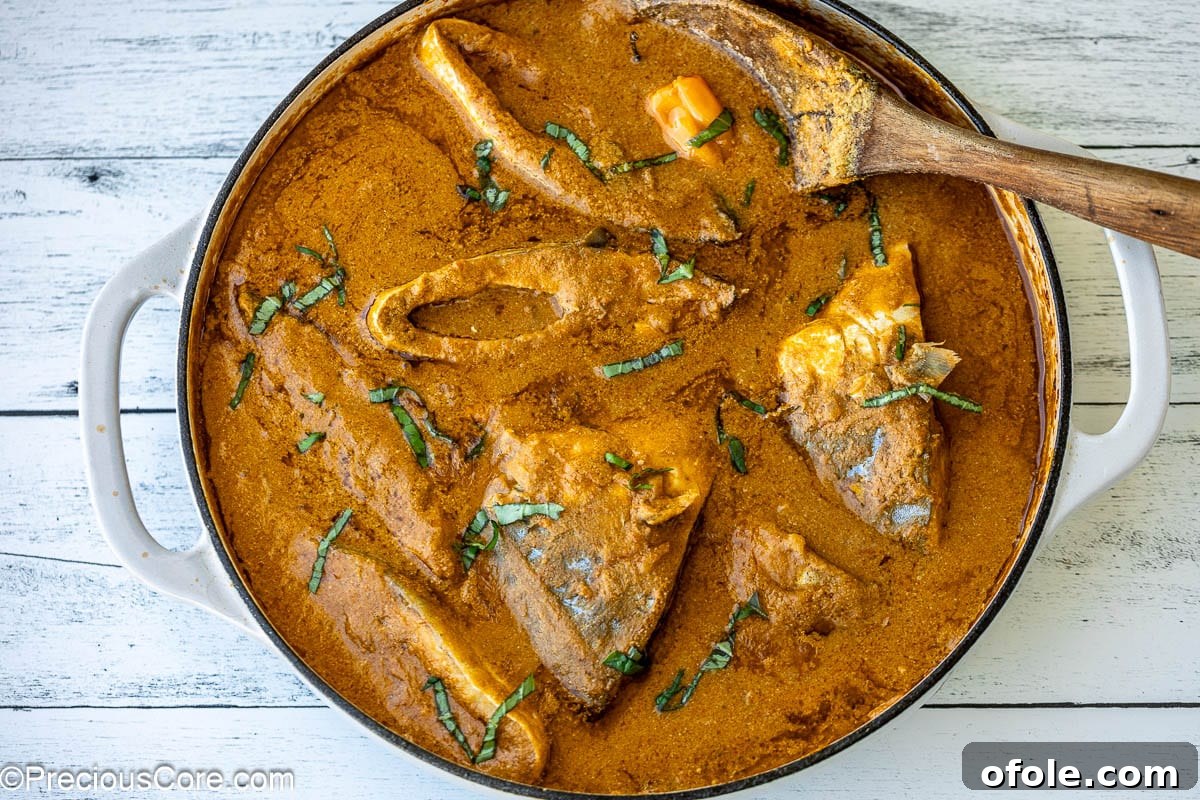
Gentle Handling is Key: Once you’ve added the fish to the pot, it’s crucial to avoid stirring the stew aggressively. This prevents the fish from breaking apart and maintaining its shape. Instead, use a large spoon to gently baste the fish by spooning the rich sauce over it as it cooks, ensuring even flavor distribution without disturbing its integrity.
Serving Suggestions for Njangsa Sauce
Once your Cameroonian Njangsa Sauce is perfectly cooked, it’s time to enjoy its rich flavors! Taste and adjust the seasoning if needed, adding a pinch more salt or a dash of bouillon if desired. If you prefer a thinner sauce, you can add a little more water, then re-check the seasoning. Garnish generously with fresh sliced basil or minced parsley for a burst of fresh flavor and color. Njangsa Sauce is traditionally served hot and pairs wonderfully with a variety of starchy staples:
- Boiled Rice: A classic and satisfying pairing that allows the sauce to be fully appreciated.
- Boiled Plantains: A sweet and savory contrast that is a staple in Cameroonian cuisine.
- African White Yams: These starchy tubers are a perfect hearty accompaniment, soaking up the sauce beautifully.
- Boiled Taro (Cocoyams): Another traditional root vegetable that complements the stew.
- Fufu or Eba: For a truly authentic West African experience, serve with a swallow like fufu or eba.
Watch the Njangsa Sauce Recipe Video
Seeing the cooking process in action can be incredibly helpful! I’ve created a detailed YouTube video to guide you through every step of preparing this authentic Njangsa Sauce. Watch below and learn all the tips and tricks for making this creamy, delicious stew that goes great with rice, plantains, or yams. Don’t forget to subscribe to my YouTube channel, Precious Kitchen, for more authentic African recipes and cooking tutorials. Your support helps me continue sharing these amazing dishes!
Subscribe to my channel
Subscribe
Delicious Variations for Njangsa Sauce
While the classic Njangsa Sauce with fish is incredibly satisfying, this recipe is highly adaptable. Feel free to experiment with these variations to suit your taste preferences or dietary needs:
- Alternative Proteins: Instead of fish, you can easily substitute with other protein sources. Bone-in chicken, such as thighs and drumsticks, adds a different depth of flavor. Pork (especially pork trotters) or beef also make excellent, hearty additions. Keep in mind that if you change the protein, the cooking time will need to be adjusted, as meats like chicken, pork, and beef typically require longer to cook through than fish.
- Spice Level Customization: If you love a fiery kick, blend an additional habanero pepper (or scotch bonnet) directly with the green herbs and spices before adding them to the sauce. For a milder heat, reduce the amount or omit the peppers entirely.
- Herb Enhancements: Feel free to experiment with different types of fresh herbs to customize the aromatic profile. Incorporating celery leaves or a touch of fresh thyme into the spice blend can introduce new layers of flavor. Remember, a good green seasoning is always fantastic for Njangsa Sauce!
- Vegetarian/Vegan Option: To make this sauce vegetarian or vegan, simply omit the fish and use vegetable broth instead of water. You can add hearty vegetables like spinach, okra, eggplants, or mushrooms to create a delicious plant-based Njangsa stew that still delivers on flavor and creaminess.
Frequently Asked Questions About Njangsa
Njangsa offers a unique and distinctive flavor that is primarily earthy and nutty. When blended and incorporated into soups and stews, it imparts a rich, creamy texture and a deeply savory, umami quality that is quite complex and aromatic.
The scientific name for Njangsa is Ricinodendron Heudelotii. It’s an oily seed derived from trees commonly found in tropical West Africa. Beyond Njangsa, it is known by many regional names, including Essessang (Cameroon), Akpi (Cote d’Ivoire), Bofeko (Zaire), Wama (Ghana), Okhuen (Nigeria), Kishongo (Uganda), and Munguella (Angola).
Whole Njangsa kernels can be stored effectively in an airtight container. Keep them in a cool, dry place away from direct sunlight and humidity. When stored properly, Njangsa seeds can maintain their freshness and quality for up to one year.
Yes, Njangsa Sauce freezes well! Allow the sauce to cool completely, then transfer it to freezer-safe containers or bags. It can be stored in the freezer for up to 3 months. Thaw overnight in the refrigerator and reheat gently on the stove or in the microwave, adding a splash of water if needed to adjust consistency.
More Cameroonian Recipes To Try
Jollof Rice With Chicken
Green Seasoning Recipe
How To Make Puff Puff
If you make this recipe, please consider leaving a star rating and a comment below. Your feedback helps others discover the recipe, and I truly love hearing from you! Thank you!
Sign up to receive this recipe and more delicious content directly to your inbox!
Sign Up For Recipes
Cameroonian Njangsa Sauce
20 minutes
25 minutes
45 minutes
6
servings
Save Recipe
Pin Recipe
Rate
Print Recipe
Ingredients
FOR THE FISH
- 2 pounds whole fish I used pompano
- ½ teaspoon salt
- 1 teaspoon chicken bouillon powder or 1 Maggi seasoning cube
- ¼ teaspoon ground white pepper
FOR THE SAUCE
- ½ cup olive oil or any neutral tasting oil
- 1 medium onion diced
- 4-5 large Roma tomatoes cut into chunks
- 7 garlic cloves peeled
- 3 inches ginger root peeled and diced
- 4 sprigs parsley
- 4 sprigs basil
- ½ a large leek or 1 green onion
- 2 teaspoons ground white pepper
- ½ cup Njangsa seeds obtainable from an African market
- 1 teaspoon salt
- 2 teaspoons chicken bouillon powder or 2 small Maggi seasoning cubes
- 2 habanero peppers or scotch bonnet peppers (optional, for heat)
- Sliced basil or minced parsley for garnishing
Instructions
-
Prep the fish: Trim the fins of the fish with kitchen scissors and cut the fish into steaks. Remove the entrails and rinse thoroughly until the water runs clear. You could have your fish monger clean and gut the fish for you.
-
Season the fish with the salt, white pepper, chicken bouillon powder or one small Maggi seasoning cube. Let it rest while you work on the sauce.
-
Add oil to a medium pot set on medium-high heat, then let the oil heat up until shimmering. Add the diced onions, and sauté for about a minute until fragrant. Blend the tomatoes into a paste and add to the pot. Let them cook undisturbed for 5 minutes. Stir the tomatoes and let them continue to cook until they start sticking to the bottom of the pot. Another 5 minutes.
-
Blend together the leeks or green onion, parsley, basil, garlic, ginger, and njangsa seeds with a cup of water. Pour the blended spices into the pot with tomatoes. Rinse the blender with about 3 cups of water and add to the pot. Stir well to combine. Add the habanero pepper (if using) with the remaining salt and bouillon powder. Stir to combine.
-
Add the seasoned fish steaks to the pot. Cover and let it cook for about ten to fifteen minutes until the fish is completely cooked through. Spoon some of the sauce over the fish as they cook. Avoid stirring as this might break the fish.
-
Taste and adjust seasoning or thickness if needed. If you want a lighter sauce, thin it out with water then taste to see if it needs a pinch of salt.
-
Garnish with fresh sliced basil or minced parsley. Serve with boiled rice, plantains or African white yams.
Video
Notes
Tomatoes: I use Roma tomatoes nine times out of ten because they have more flesh and less acidity. But you could use other kinds of tomatoes if that’s all you’ve got.
Fresh spices: Fresh spices are best for this recipe as they really complement the flavor of the fish. Take time to peel fresh garlic and ginger for the best flavor.
Nutrition
Carbohydrates: 7g |
Protein: 34g |
Fat: 27g |
Saturated Fat: 4g |
Polyunsaturated Fat: 3g |
Monounsaturated Fat: 14g |
Cholesterol: 76mg |
Sodium: 910mg |
Potassium: 628mg |
Fiber: 2g |
Sugar: 3g |
Vitamin A: 446IU |
Vitamin C: 14mg |
Calcium: 37mg |
Iron: 1mg
Additional Info
Dinner
Cameroonian
406
Tried this recipe?
Mention @preciouscore or tag #PreciousCore!