
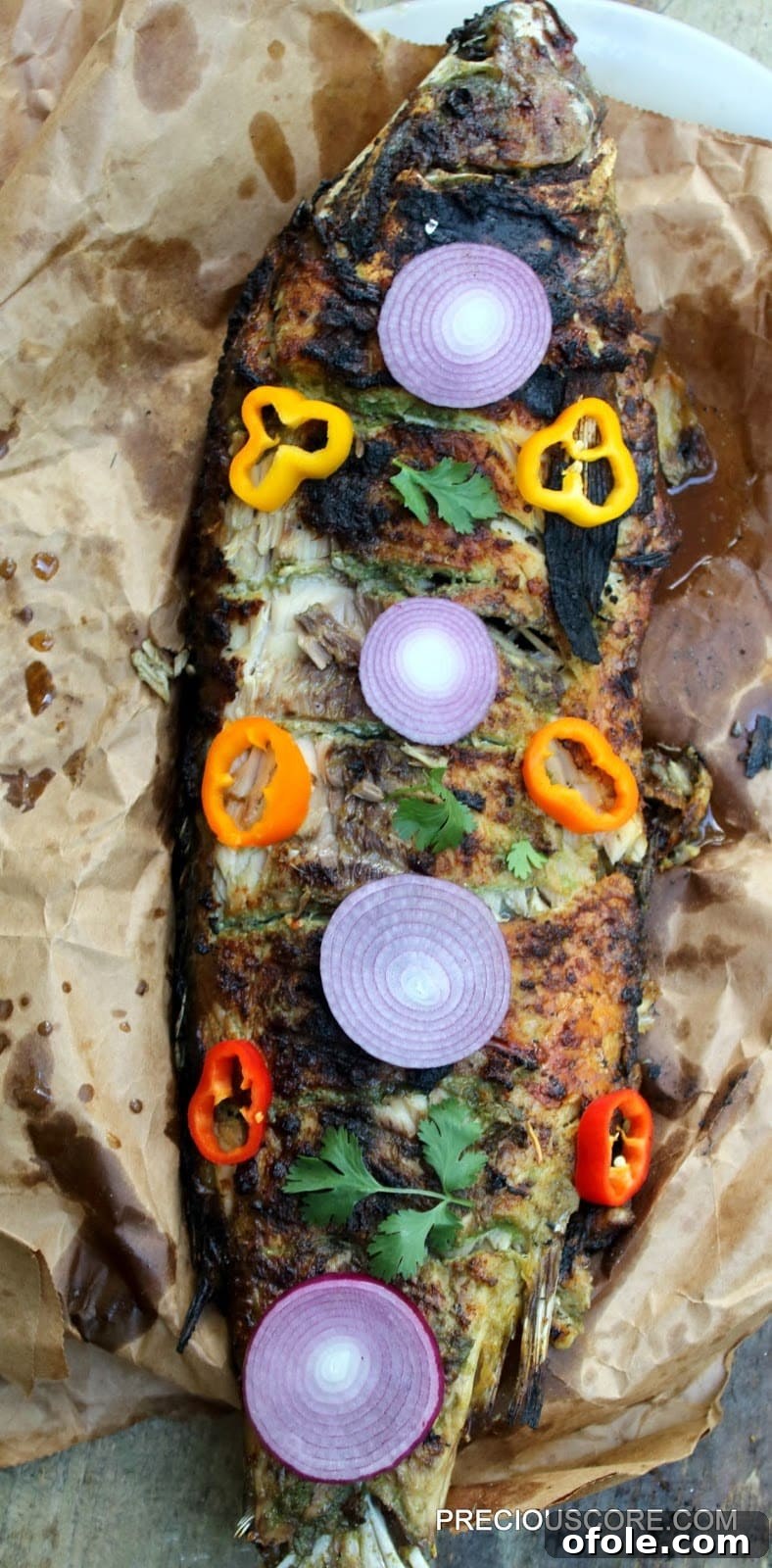
There’s something truly special about grilled fish. The smoky aroma, the tender, flaky flesh, and that perfectly charred skin all combine to create a culinary masterpiece. While grilling smaller fillets is straightforward, taking on a large whole fish can seem like a daunting task. However, mastering the art of grilling a big fish is incredibly rewarding, yielding a show-stopping centerpiece that’s bursting with flavor and guaranteed to impress. Whether you’re celebrating a special occasion, like our recent wedding anniversary, or simply looking to elevate your backyard barbecue, this comprehensive guide will equip you with all the knowledge you need to grill a magnificent whole fish to perfection. Forget dry, unevenly cooked fish; we’re about to unlock the secrets to juicy, tender, and incredibly flavorful results every time.
Grilling a large, whole fish isn’t just about cooking; it’s an experience. The visual appeal of a beautifully grilled fish on the dinner table is unmatched, making it ideal for entertaining guests or simply indulging your own palate. But beyond the aesthetics, there’s a practical challenge: how do you ensure such a thick cut of fish cooks evenly without burning the outside or leaving the inside raw? The conventional approach of direct grilling often leads to disaster, as the intense heat quickly chars the exterior before the internal flesh has a chance to reach a safe and palatable temperature. This is where a clever technique comes into play – a method that guarantees succulence and exquisite flavor. We’re going to use a two-step process involving foil wrapping, which is exactly how I achieved perfect results for our anniversary celebration. I meticulously documented each step, and now I’m sharing this foolproof method with you, so you can confidently grill any large fish. Let’s dive in and transform your grilling game!
The Foundation of Flavor: Crafting the Perfect Marinade
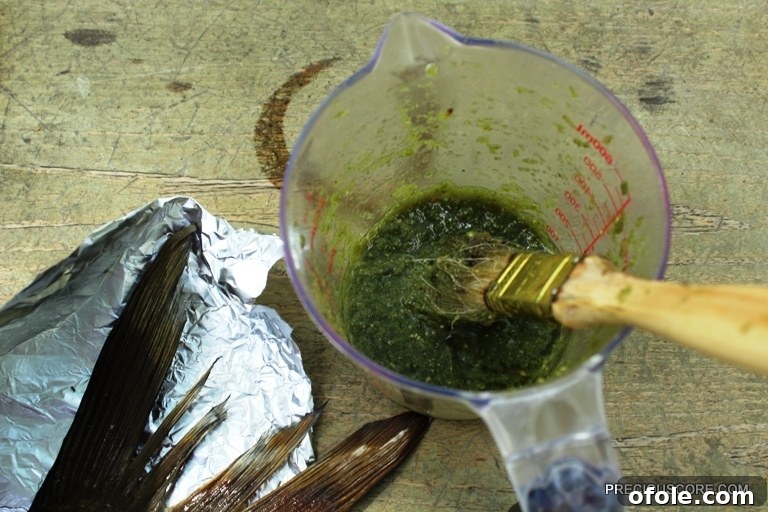
Before any heat touches your fish, the magic begins with a robust and aromatic marinade. A good marinade not only infuses the fish with incredible flavor but also helps to keep it moist during the cooking process. For this particular recipe, I created a luscious blend that perfectly complements the rich taste of large fish. My go-to marinade includes:
- **Fresh Garlic**: Adds a pungent, aromatic base.
- **Fresh Ginger**: Contributes a warm, zesty kick that brightens the overall flavor.
- **White Pepper**: Offers a subtle, less aggressive heat than black pepper, allowing other flavors to shine.
- **Cilantro**: Provides a fresh, herbaceous note.
- **Celery**: Adds a delicate, earthy crunch and depth.
- **Green Onions (Scallions)**: Delivers a mild onion flavor with a hint of sharpness.
- **Salt**: Essential for seasoning and bringing out the natural flavors of the fish.
- **Maggi or Bouillon Powder**: A flavor enhancer that adds umami and depth, often used in African cuisine.
- **Vegetable Oil**: Helps to distribute the fat-soluble flavors and keeps the fish moist.
You can easily adjust these ingredients based on your preference or what you have on hand. Feel free to incorporate other herbs like parsley or thyme, a squeeze of lemon or lime juice for acidity, or a touch of smoked paprika for extra depth. The key is to create a vibrant, well-balanced flavor profile that will deeply penetrate the fish. For inspiration, you can find a similar marinade recipe here, or simply blend these ingredients to a fine paste. Ensure your fresh ingredients are finely minced or blended to allow maximum flavor release.
Preparing and Marinating the Fish for Maximum Flavor
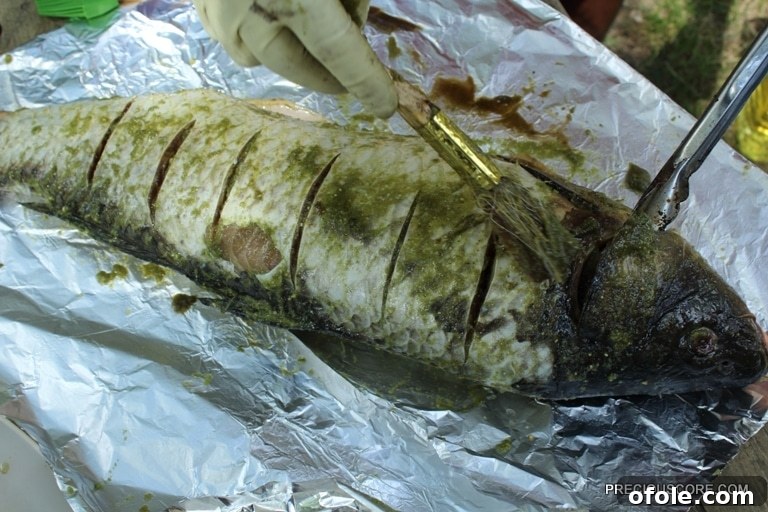
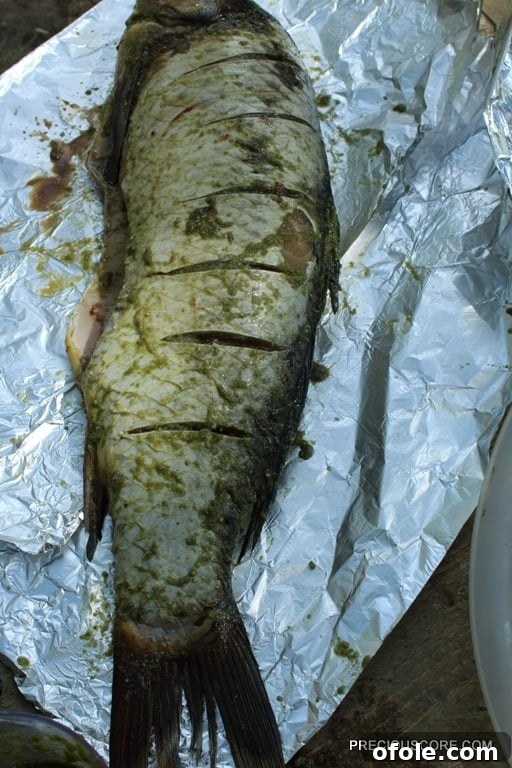
Once your marinade is ready, it’s time to prepare your fish. For this demonstration, I used a magnificent Buffalo Fish, known for its firm texture and delightful taste. Before applying the marinade, ensure your fish is thoroughly cleaned, scaled, and gutted. For larger fish, I highly recommend making several diagonal scores on both sides of the fish, approximately 1-2 inches deep. These cuts are crucial as they allow the marinade to penetrate deeper into the thickest parts of the flesh, ensuring every bite is seasoned to perfection and aiding in even cooking.
Now, generously rub the luscious marinade all over the prepared fish. Don’t be shy! Use your hands to really work the mixture into every crevice, gap, and especially into those scores you made. Pay attention to the cavity of the fish as well, stuffing some marinade inside for internal flavoring. The goal is to ensure the marinade reaches every nook and cranny, creating an explosion of flavor from the inside out. This thorough application is what will elevate your grilled fish from good to absolutely sensational. After coating, allow the fish to marinate for at least 30 minutes at room temperature, or for more intense flavor, refrigerate it for 2-4 hours, or even overnight. Just remember to bring it back to room temperature for about 30 minutes before grilling for best results.
The Foil Method: Ensuring Even Cooking and Moisture
This is the game-changing step for grilling large fish. Directly placing a thick, whole fish on the grill often results in a burnt exterior and an undercooked interior. The foil method provides a gentle, steaming environment that allows the fish to cook through evenly while retaining all its precious moisture.
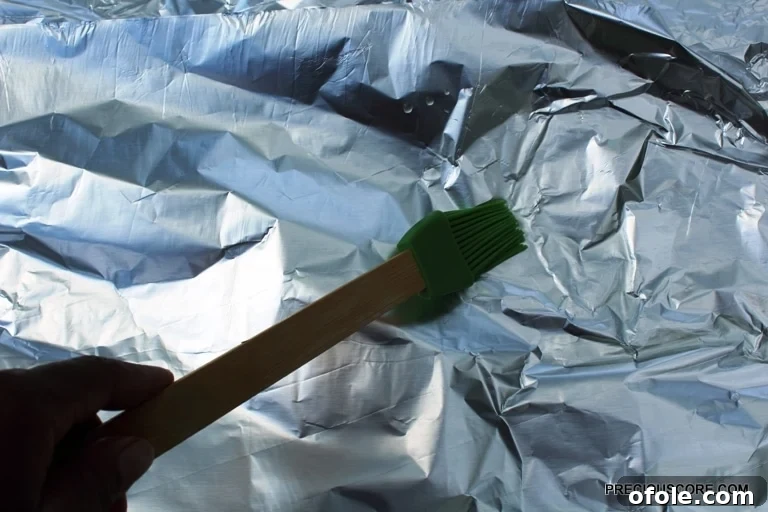
First, prepare a large piece of heavy-duty aluminum foil. You’ll need enough to fully enclose your fish without tearing, so cut it generously – at least twice the length of your fish. Lay the foil flat, and here’s a critical tip: generously rub vegetable oil all over the side of the foil where the fish will rest. And when I say generously, I mean it! A liberal coating of oil acts as a non-stick barrier, preventing the delicate fish skin from sticking to the foil as it cooks. Without sufficient oil, you risk losing that beautifully cooked skin, and potentially bits of flesh, when you unwrap it.
Carefully place your marinated fish onto the well-oiled foil. Make sure it’s centered and has enough foil around it to create a sealed packet.
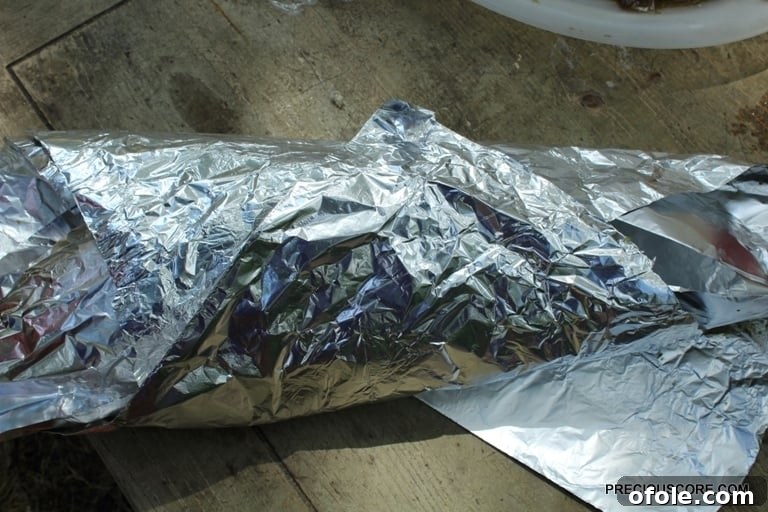
Now, meticulously wrap the fish, creating a tight, sealed packet. Ensure there are no gaps or openings where steam can escape. You want to create a little sauna for your fish, allowing it to gently steam-cook within its own flavorful juices and the marinade. This initial cooking phase is crucial for ensuring the thickest parts of the fish cook through completely, leading to a moist and tender texture that’s ready for its final kiss of smoky grill flavor.
The Two-Stage Grilling Process: From Tender to Charred Perfection
With your fish snugly wrapped in foil, it’s time to bring on the heat. Preheat your grill to a medium-high temperature. For charcoal grills, aim for coals that are glowing and covered with a light ash. For gas grills, set burners to medium-high. Place the foil-wrapped fish directly onto the grill grates. If your grill has a lid, cover it. This acts like an oven, trapping heat and ensuring an even cooking environment around the foil packet.
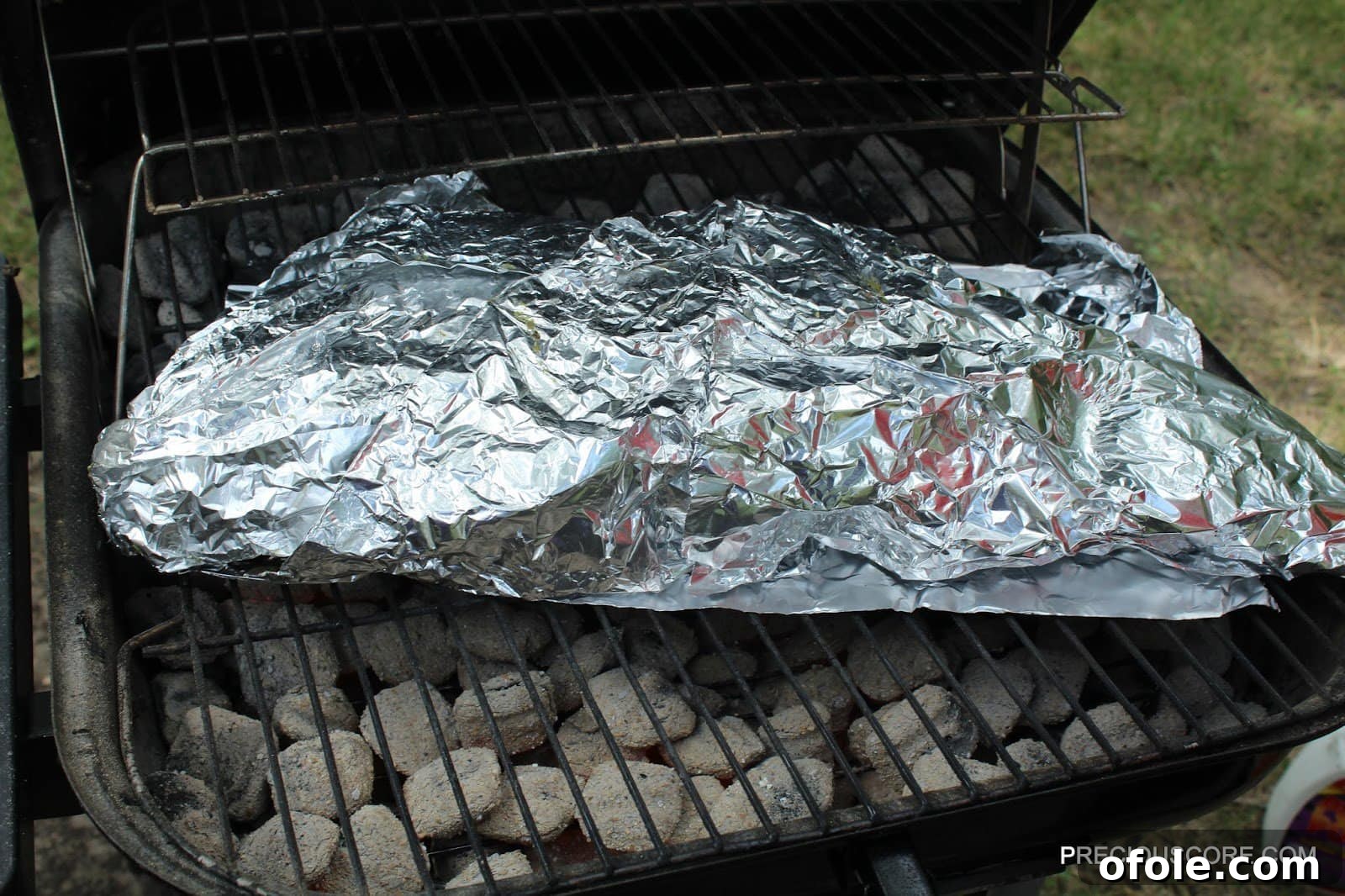
Allow the fish to cook in its foil packet for a good 25-35 minutes, depending on the thickness of your fish. For a large fish (2-3 lbs), 30 minutes is a good starting point. This stage ensures the fish is cooked through and flaky, yet still incredibly moist. The steam trapped within the foil works wonders, preventing the fish from drying out.
Once the initial cooking in foil is complete, carefully remove the fish from the grill. Place it on a heat-proof surface and gently unwrap the foil, allowing the steam to escape. Be cautious as the steam will be hot. You’ll notice the fish is mostly cooked, but now it’s time for the final, crucial step: direct grilling. This is where we achieve that irresistible smoky flavor and beautiful char.
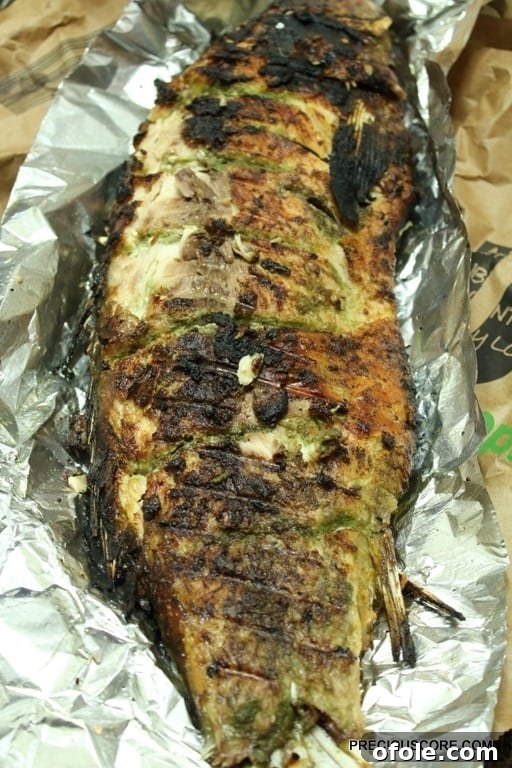
Before placing it back on the grill, take any remaining marinade (or fresh marinade if you prefer) and generously slather it over the partially cooked fish. This fresh coating will caramelize and deepen the flavor profile, creating a delectable crust. Now, carefully place the fish directly onto the hot grill grates. Keep a close eye on it. Let one side cook until it develops a beautiful golden-brown color and distinct grill marks – this usually takes 5-7 minutes. Then, using two spatulas or a fish spatula, gently flip the fish to the other side to achieve the same smoky grilling goodness. The total direct grilling time will be relatively short, focusing on developing flavor and texture. The fish is done when it easily flakes with a fork at its thickest point, and its internal temperature reaches 145°F (63°C).
No Grill? No Problem! Oven Alternative
If you don’t have an outdoor grill, you can still achieve a fantastic result using your oven. Follow the exact same marinating and foil-wrapping steps. Preheat your oven to 400°F (200°C). Place the foil-wrapped fish on a baking sheet and bake for 25-35 minutes. After this, carefully unwrap the fish, slather with more marinade, and increase the oven temperature to 425°F (220°C) or use the broiler setting. Cook directly on the baking sheet for another 5-10 minutes, or until the fish is nicely browned and slightly charred. While it may not have the same intense smokiness as a grill, it will still be incredibly flavorful and juicy.
Presentation and Serving Your Masterpiece
Once your magnificent grilled fish is perfectly cooked, carefully transfer it to a large serving platter. The aroma alone will be enough to get mouths watering! To enhance both its visual appeal and flavor, garnish generously. Sliced red onions add a vibrant color and a pleasant bite. Bell peppers, especially a mix of red, yellow, and green, provide sweetness and a refreshing contrast. A sprinkle of fresh cilantro, parsley, or dill adds a burst of freshness and herbaceous notes. You can also add lemon or lime wedges for a bright, zesty finish.
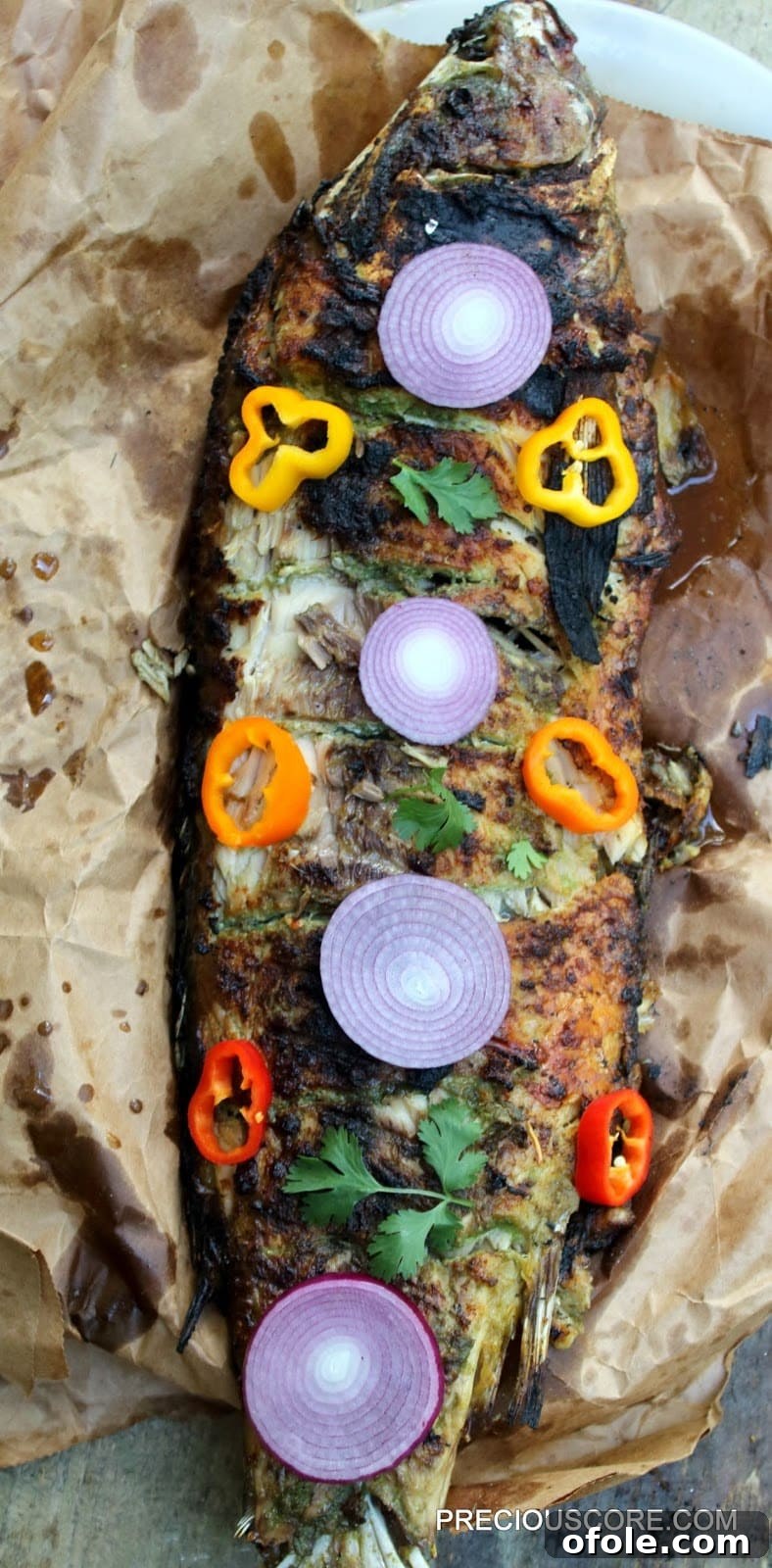
Serve this stunning grilled fish with your favorite side dishes. It pairs wonderfully with roasted potatoes, a fresh garden salad, jollof rice, steamed vegetables, or even a simple side of crusty bread to soak up all those delicious juices. The beauty of grilling a whole fish is that it’s a complete meal in itself, requiring minimal additional effort to create a truly memorable dining experience. Enjoy the compliments, because this “Mamamiya!” worthy grilled fish is sure to be a showstopper.
Tips for Grilling Success:
- **Choose the Right Fish**: Opt for firm-fleshed fish like Buffalo Fish, Snapper, Sea Bass, or Grouper for best results with whole grilling.
- **Temperature Control**: Keep a consistent medium-high heat on your grill. Avoid extremely high heat during the foil stage to prevent burning.
- **Don’t Overcook**: Fish cooks quickly! Use a meat thermometer to ensure an internal temperature of 145°F (63°C) at the thickest part. Overcooked fish becomes dry and tough.
- **Resting**: Like meat, fish benefits from a short resting period (5-10 minutes) after cooking. This allows the juices to redistribute, ensuring maximum tenderness.
- **Clean Grates**: Always start with clean grill grates to prevent sticking and ensure beautiful grill marks.
Embrace the challenge of grilling a large, whole fish, and you’ll be rewarded with an incredibly flavorful and visually impressive dish. The foil method ensures even cooking and moisture, while the direct grilling stage adds that irresistible smoky char. So, fire up your grill, prepare your marinade, and get ready to create a culinary masterpiece that will delight your senses and impress everyone at your table. Happy grilling!
More Fish Recipes to Explore:
- Oven-Grilled Fish
- Cameroonian Roasted Fish
- Smoked Fish at Home
- Fish and Njangsa Stew
- Cameroonian Fish Peppersoup
Enjoy!