
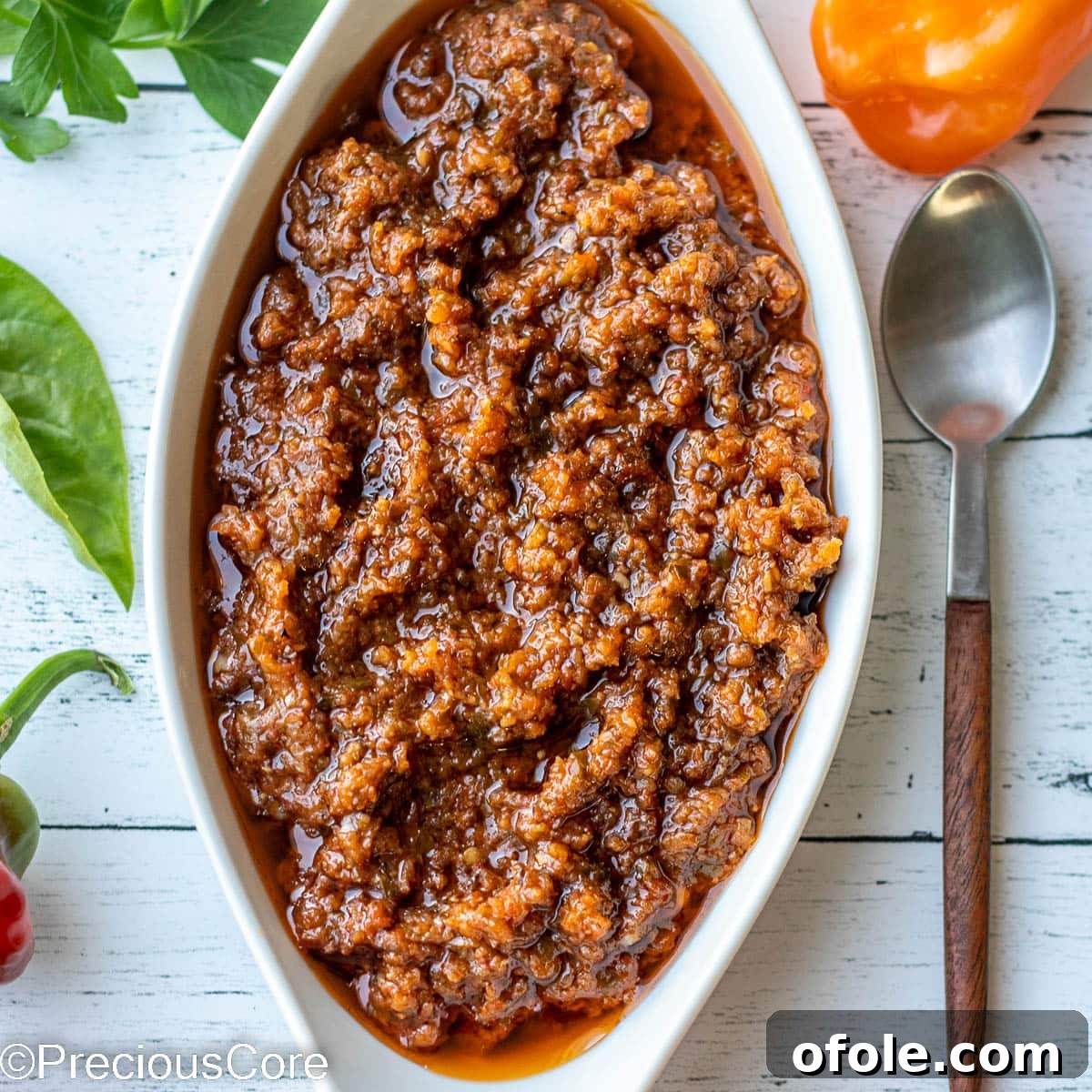
Welcome to the ultimate guide to crafting my cherished African Pepper Sauce. This vibrantly piquant and highly aromatic condiment is more than just a dip; it’s a flavor explosion that transforms ordinary dishes into extraordinary culinary experiences. Whether you’re serving it alongside Garlic Butter Wings, savory Fish Rolls, fluffy Puff Puff, or simply drizzling it over your favorite mains, this sauce promises an unforgettable journey for your taste buds.
Every culinary enthusiast, from the seasoned chef to the home cook exploring global flavors, deserves this essential West African pepper sauce recipe in their repertoire. It’s a culinary secret weapon, designed to add a burst of life and excitement to countless meals and snacks.
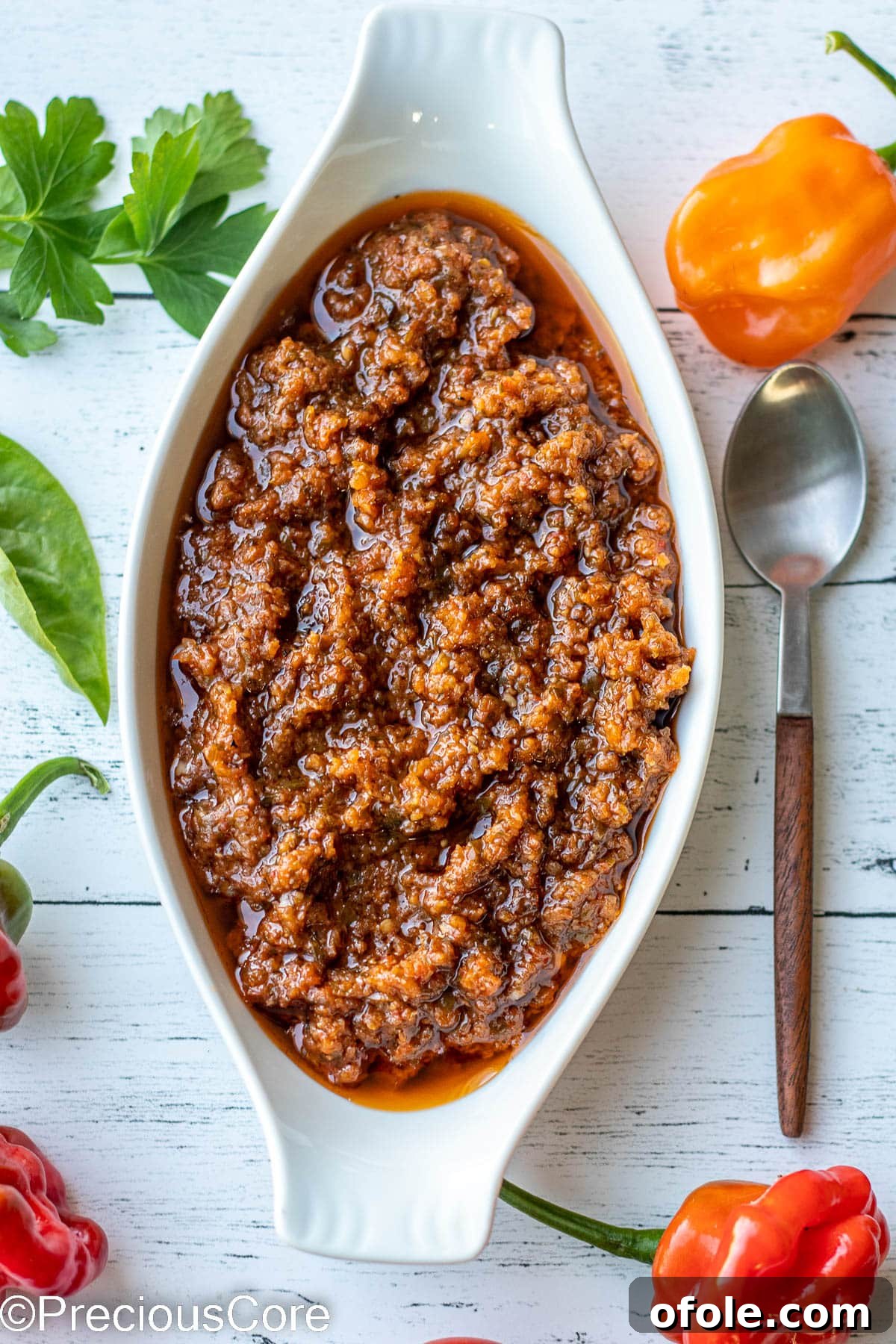
This fiery yet balanced sauce is a staple that you’ll always want readily available on your table. It serves as an exquisite condiment for main courses or an irresistible dip for appetizers. I’ve heard countless anecdotes from friends who confess they could happily enjoy this sauce simply with white rice – a testament to its profound and satisfying flavor. Forget about bland store-bought options; nothing quite compares to the depth and authenticity of this homemade creation.
Over the years, I have proudly prepared this African Pepper Sauce countless times for gatherings, catering to both African and non-African palates. Without fail, it consistently receives rave reviews, captivating everyone who tries it. It’s truly a universal crowd-pleaser that transcends cultural boundaries.
Learning to perfect this dipping sauce was one of my earliest and most rewarding culinary achievements when I first ventured into cooking. The cornerstone of its incredible flavor is, of course, a selection of vibrant, hot peppers. Through trial and error, and a keen sense of balance, I developed a version that consistently stands out, earning compliments and requests for the recipe (a humble brag, perhaps, but a genuine one!).
In this comprehensive guide, I am excited to unveil all my carefully guarded secrets, ensuring you can recreate the very best African Pepper Sauce right in your own kitchen. Prepare to unlock a world of intense flavor and aromatic bliss!
Table of Contents
- Why You’ll Love This African Pepper Sauce Recipe
- Essential Ingredients for Authentic African Pepper Sauce
- Step-by-Step: How To Make African Pepper Sauce
- Versatile Uses: What To Pair With African Pepper Sauce
- Expert Tips for the Perfect Pepper Sauce
- African Pepper Sauce Recipe FAQs
- Explore More African Recipes
- African Pepper Sauce Recipe Card
Why You’ll Love This African Pepper Sauce Recipe
- An All-Around Culinary Enhancer: Having a jar of this homemade hot pepper sauce at your fingertips is a game-changer. It instantly elevates a wide array of meals and snacks, adding depth, warmth, and an irresistible zing that makes every bite more enjoyable. From breakfast eggs to dinner staples, it makes complete meals come alive with its unique flavor profile.
- Perfectly Balanced Spice, Not Overwhelming: One of the key secrets to my pepper sauce is the strategic addition of ripe tomatoes. These not only intensify its naturally vibrant red color but also expertly temper the fiery heat of the peppers. This balance allows you to generously spoon the sauce over a hard-boiled egg or mix it into a dish, enjoying the delightful interplay between the subtle sweetness of the tomatoes and the exciting kick of the chilies. It’s pure bliss – spicy, yet tolerably so, ensuring maximum enjoyment without discomfort.
- Easy-to-Find, Familiar Ingredients: You don’t need exotic or hard-to-source items to create this incredible condiment. This hot chili sauce recipe features readily available, familiar ingredients that are accessible to most home cooks around the globe. This approachability makes it a joy to prepare, welcoming everyone to experience the rich flavors of West African cuisine without complication.
- Homemade Goodness & Freshness: Crafting your own sauce means you control every ingredient, ensuring freshness, quality, and a lack of artificial preservatives often found in commercial alternatives. The flavor of homemade pepper sauce is incomparably richer and more nuanced.
- Authentic West African Flavors: This recipe captures the true essence of West African pepper sauce, a cornerstone of many regional cuisines. It delivers an authentic taste that will transport your senses straight to the heart of Africa, making it a fantastic way to explore diverse culinary traditions from your kitchen.
You’ll soon find that having a jar or bowl of this epic sauce in your kitchen at all times becomes a necessity. My friends frequently leave my home with a jar of this precious pepper sauce in hand after visiting, proving it also makes a thoughtful and truly delectable edible gift. It’s more than just a sauce; it’s a gesture of flavor and warmth.
Essential Ingredients for Authentic African Pepper Sauce
Crafting this flavorful sauce requires a blend of fresh, aromatic, and fiery ingredients. Here’s what you’ll need to create this incredibly tasty condiment:
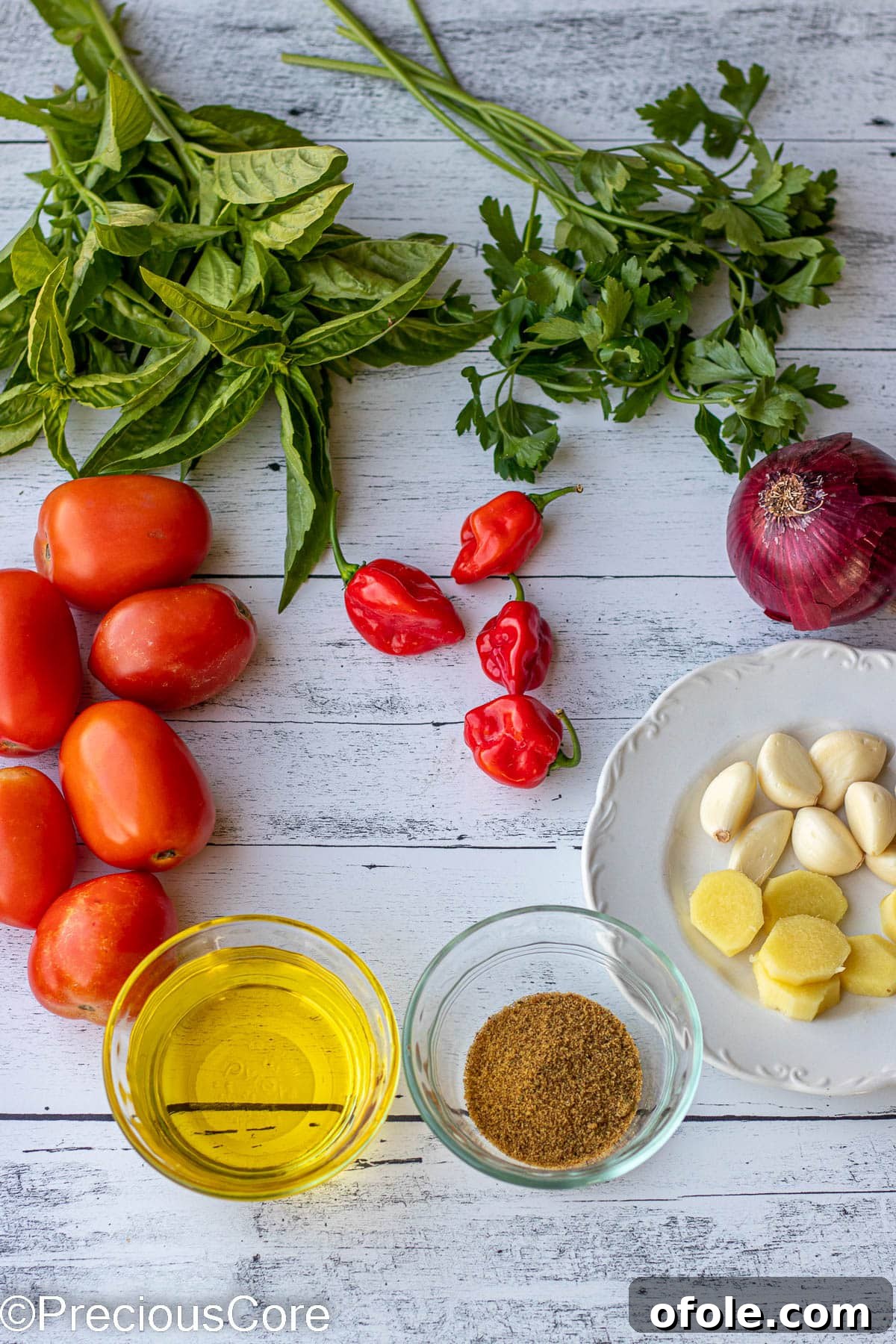
- Hot Peppers: The star of the show! Habanero or Scotch Bonnet peppers are traditional choices, known for their distinct fruity heat. You can also experiment with other types of chili peppers like bird’s eye chilies for a different heat profile. Adjust the quantity according to your preferred spice level.
- Onion: Adds essential volume, a subtle sweetness, and a foundational savory flavor to the sauce, balancing the heat of the peppers. Red onions are particularly good for their vibrant color and slightly milder taste.
- Garlic and Ginger: These two powerful spices are indispensable, contributing a deep, aromatic complexity and a warm, pungent undertone that is characteristic of many West African dishes. Freshly peeled ginger root and garlic cloves are highly recommended for the best flavor.
- Tomatoes: Key to achieving a balanced and palatable sauce. Tomatoes not only lend a beautiful, rich red hue but also mellow the intensity of the hot peppers. This makes the sauce spicy without being overwhelmingly fiery, allowing more of the nuanced flavors to shine through. For a spicier sauce, you can reduce or even omit the tomatoes. Roma tomatoes are a good choice due to their firm flesh and lower water content.
- Seasoning Cubes or Bouillon Powder: To infuse the sauce with authentic West African umami depth, a good quality seasoning cube or bouillon powder is crucial. Chicken or beef bouillon powder works wonderfully. My personal preference for bouillon powder is Knorr, and I typically use the Knorr Beef Bouillon Powder in this recipe for its robust flavor. Alternatively, you can use Maggi cubes, a popular choice in African cuisine.
- Salt: A fundamental seasoning that enhances and brings out all the wonderful, complex flavors of the other ingredients, ensuring a well-rounded taste.
- Ground White or Black Pepper: Either ground white pepper or black pepper can be used, but I often opt for white pepper. Its more subtle, earthy, and slightly exotic flavor profile complements the other ingredients beautifully without overshadowing them.
- Fresh Herbs: Parsley, celery, and basil form a common aromatic trio in Cameroonian cuisine. For this pepper sauce, I usually use a combination of two herbs, such as basil and celery, or basil and parsley. In this specific recipe, I chose a fragrant blend of basil and parsley to add a fresh, herbaceous note that brightens the entire sauce.
- Neutral Oil: Incorporating a neutral-tasting oil (like vegetable oil, olive oil, avocado oil, or canola oil) serves multiple important purposes. It not only contributes to the sauce’s smooth texture and rich mouthfeel but also acts as a natural preservative, extending its shelf life. Furthermore, it helps to carry and meld the flavors together during the cooking process.
For the precise quantities and detailed measurements of each ingredient, please refer to the comprehensive recipe card conveniently located further down below.
Step-by-Step: How To Make African Pepper Sauce
Creating this aromatic African Pepper Sauce is a straightforward process, broken down into four simple and manageable steps. Follow these instructions carefully to achieve a sauce that’s bursting with flavor:
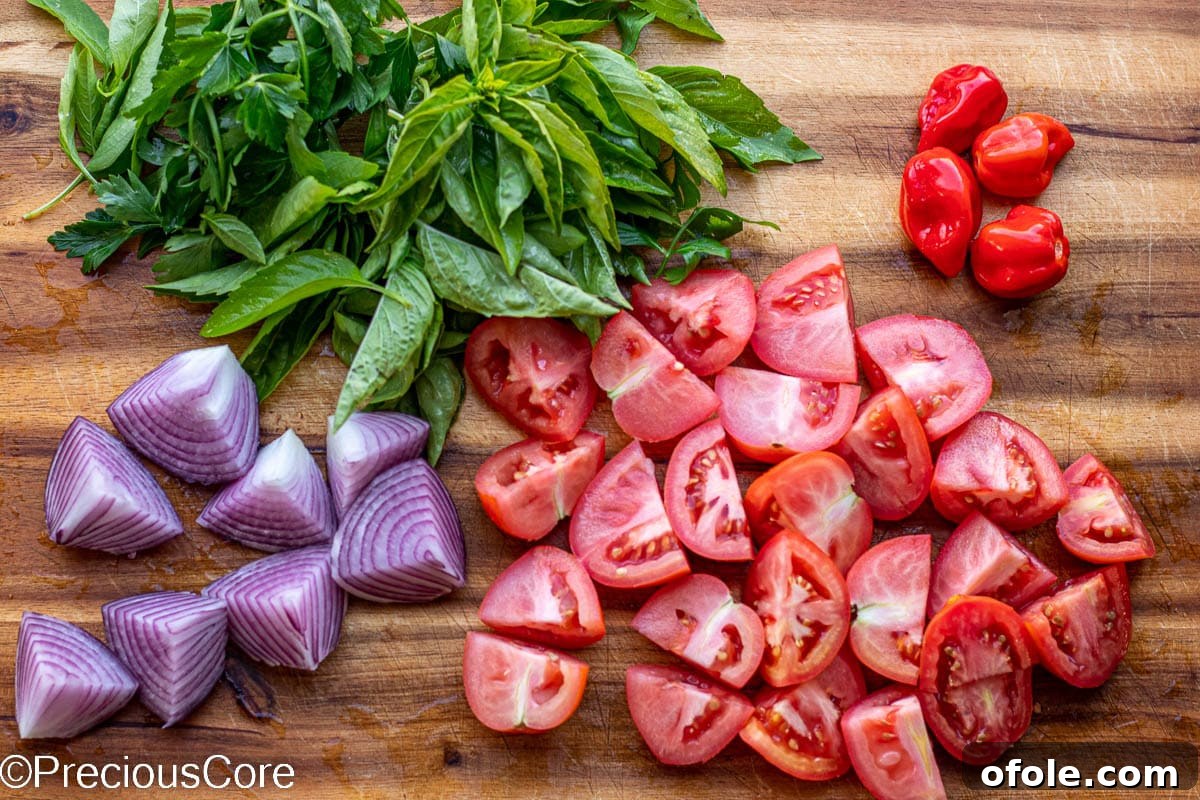
- Prep the Ingredients: Begin by thoroughly rinsing all your fresh herbs and spices under cool water. Carefully remove the leaves from the tougher, hard stems of the herbs. Prepare your vegetables by cutting the tomatoes into quarters and the onion into large chunks. Finally, discard the stems from the hot peppers. This preparation ensures everything is ready for blending.
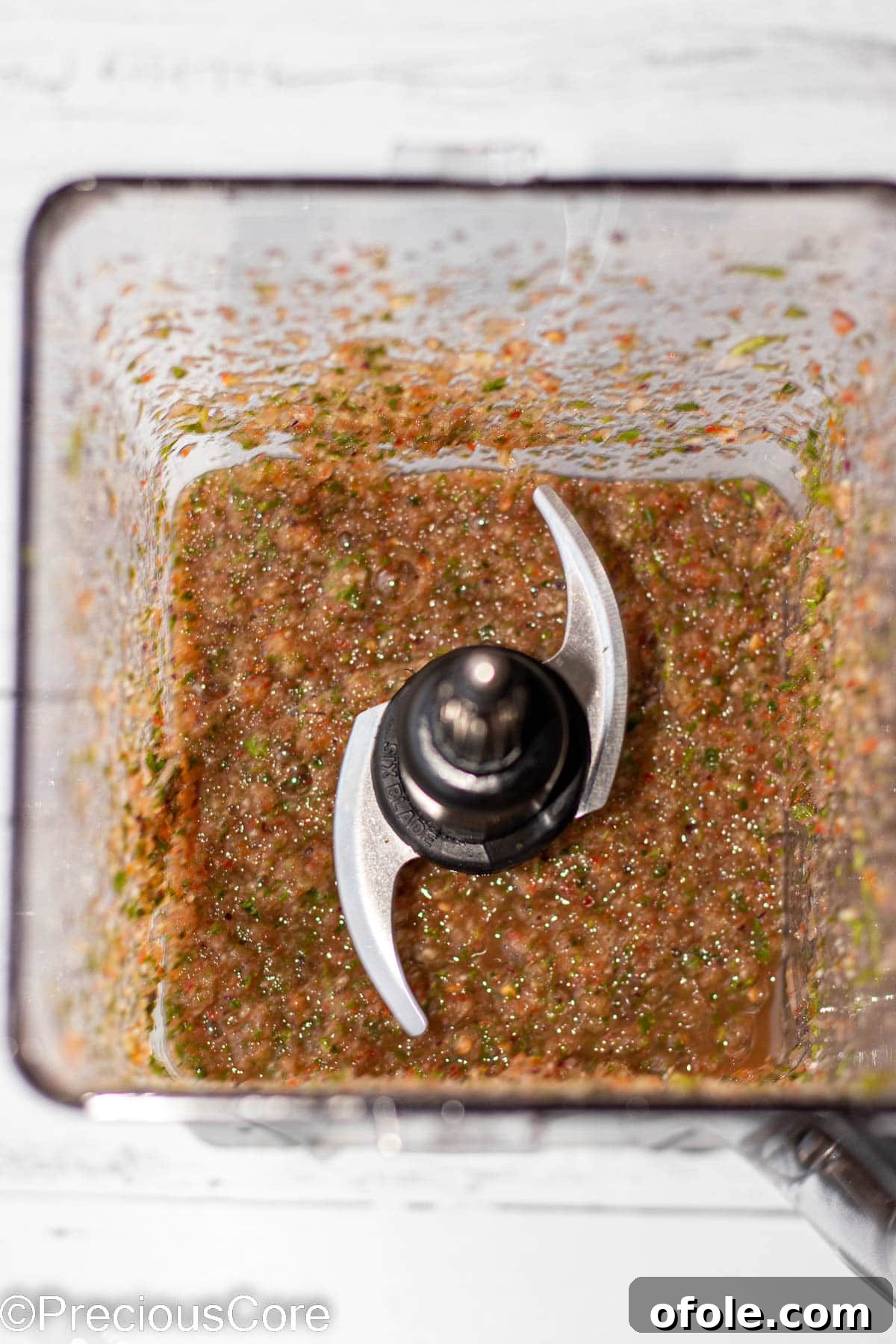
- Blend the Ingredients to a Paste: Systematically add your prepped ingredients to a blender. Start with the tomatoes at the bottom, followed by the onions, and then the fresh herbs, garlic, and ginger. Blend the mixture on low speed until it forms a slightly chunky, yet cohesive paste. There’s usually no need to add water at this stage, as the tomatoes provide sufficient liquid. However, if you prefer a lighter, thinner consistency, you may add a small amount of water until desired. Alternatively, all ingredients can also be processed efficiently in a food processor.
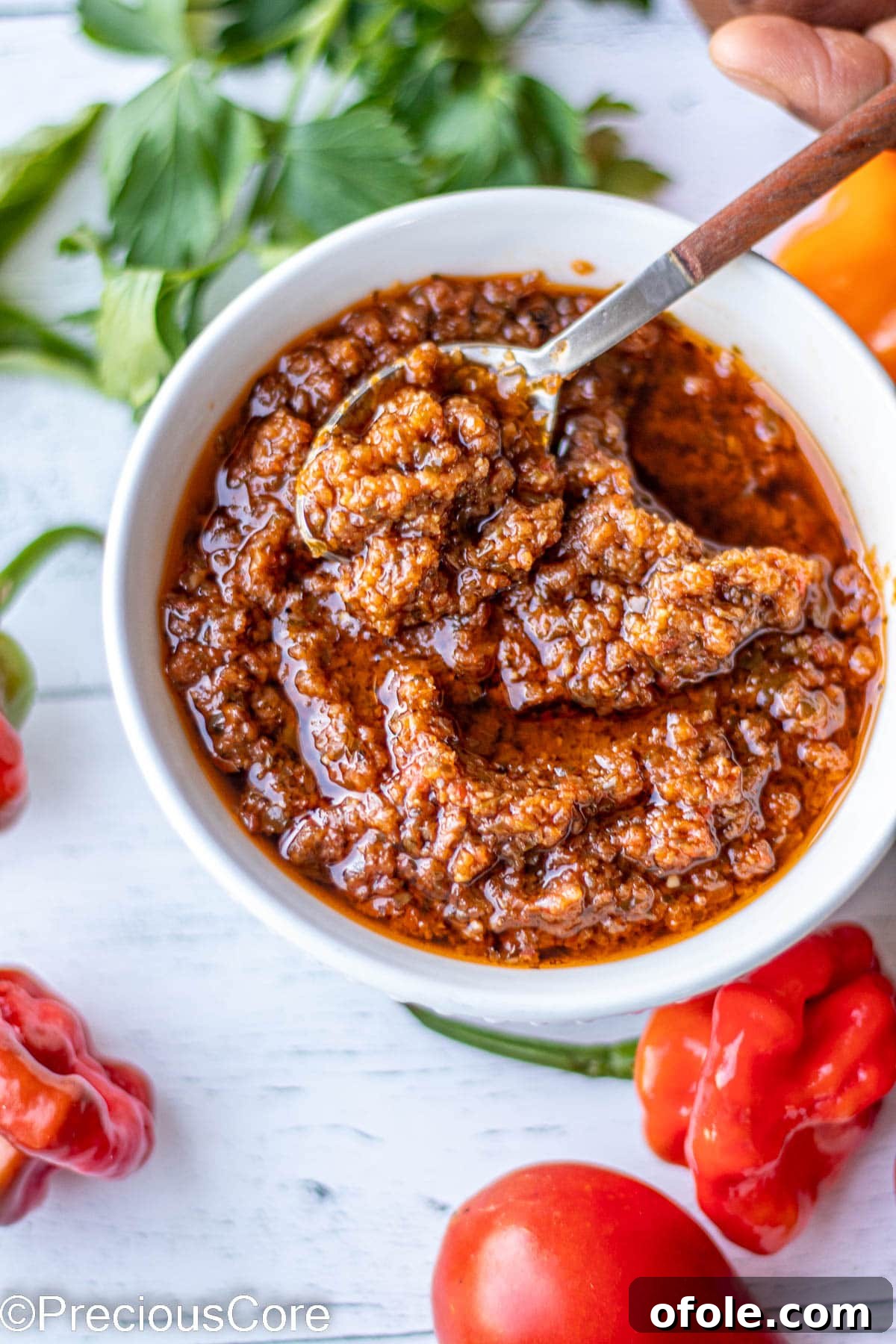
- Cook Down the Sauce to Perfection: Transfer the freshly blended pepper mixture into a medium-sized pot and place it over medium heat. Stir in the neutral oil, bouillon powder, salt, and ground pepper. Bring the entire mixture to a gentle simmer. Once simmering, cover the pot and allow it to cook undisturbed for approximately 15 minutes. This initial simmer helps to meld the flavors. After 15 minutes, reduce the heat to low and continue to simmer for another 15 minutes, stirring periodically to prevent any sticking or burning at the bottom of the pot. The sauce will deepen in color and thicken as it cooks.
- Cool and Store for Future Enjoyment: Once the sauce has achieved its desired consistency and flavor, remove it from the heat. Allow it to cool completely to room temperature. This cooling process is crucial before storage. Transfer the cooled African Pepper Sauce into an airtight container, such as a clean mason jar with a tight-fitting lid, which is excellent for preserving its freshness. Store it in the refrigerator.
Versatile Uses: What To Pair With African Pepper Sauce
The beauty of African Pepper Sauce lies in its incredible versatility. Its vibrant flavor profile makes it an ideal accompaniment for a vast array of dishes, elevating both traditional African cuisine and everyday meals. Here are just a few suggestions for how you can enjoy this delightful sauce:
- Baked Chicken Drumsticks: A perfect companion for juicy chicken.
- The Best Grilled Chicken Tenders: Adds a smoky, spicy kick to your grilled favorites.
- Cameroonian Soya Without Skewers: The traditional pairing, irresistible!
- Hard-boiled eggs: A surprisingly delicious and simple snack or breakfast item that truly comes alive with a dollop of this sauce.
- Grilled Sockeye Salmon: Enhances the rich flavor of fish with a zesty spice.
- Grilled Whole Red Snapper (Oven Grilled): An excellent complement to roasted or grilled whole fish.
- Oven Baked Turkey Wings: Turn your poultry into a flavorful feast.
- Roasted Vegetables: Drizzle over roasted potatoes, sweet potatoes, broccoli, or plantains for a spicy side dish.
- Rice Dishes: Stir into plain white rice, jollof rice, or fried rice for an extra layer of flavor and heat.
- Sandwiches & Wraps: Use as a spread to add a kick to your everyday lunch.
- Soups & Stews: Swirl a spoonful into your favorite stews or peanut soup for added depth and spice.
- Noodles & Pasta: Mix with stir-fried noodles or simple pasta dishes for a quick, flavorful meal.
- Appetizers & Snacks: Beyond the suggested dishes, it’s fantastic with spring rolls, samosas, or even plain bread.
Expert Tips for the Perfect Pepper Sauce
Achieving the perfect African Pepper Sauce, rich in flavor and with just the right kick, involves a few key techniques and considerations. Here are some expert tips to guide you:
- Optimal Storage for Longevity: Proper storage is crucial for preserving the freshness and flavor of your pepper sauce. Store it in an impeccably clean, airtight container, ideally a glass mason jar, in the refrigerator. To significantly extend its shelf life, ensure there’s a thin layer of neutral oil completely covering the surface of the sauce before sealing. This acts as a barrier against air and bacteria. When stored correctly, your homemade pepper sauce can last for up to a month in the refrigerator. For longer preservation, this sauce also freezes exceptionally well for up to 3 months. Portion it into smaller containers or ice cube trays for convenient thawing.
- Scaling the Recipe with Ease: Whether you’re cooking for a crowd or a single serving, this recipe is highly adaptable. Easily double or triple all the ingredients to prepare a larger batch for parties or for stocking your freezer. Conversely, to make a smaller quantity, simply reduce every ingredient by half. Maintain the ingredient ratios for consistent flavor.
- Managing the Peppery Aroma During Cooking: When the sauce begins to simmer, the fragrant and intense aroma of the hot peppers can fill your kitchen, sometimes causing a slight sneeze or cough for sensitive individuals. To minimize this, always ensure your pot is covered during the simmering process. Only lift the lid briefly to stir. Before stirring, it’s a good practice to reduce the heat to low. This prevents the hot mixture from splattering, which can cause minor burns. Once stirred, you can return the heat to its normal setting.
- Transforming into a Spicy Marinade: This versatile pepper sauce isn’t just for dipping or drizzling. It makes an incredibly flavorful and spicy marinade for meats, fish, or chicken. Simply coat your protein generously with the raw blended sauce (before cooking it down for extended storage) and let it marinate for at least 30 minutes, or preferably several hours in the refrigerator, before grilling, baking, or frying. The results are truly delicious!
- Enhancing Flavor with an Initial Fry: For an even deeper, more complex flavor profile, consider an alternative preparation method. Begin by heating the neutral oil in your pot first. Once shimmering, pour in the blended pepper mixture and fry it gently for a few minutes before adding the bouillon, salt, and pepper and continuing with the simmering steps. Frying the ingredients in oil initially helps to deepen their flavors, allowing them to release their aromatic compounds more intensely.
- Safe Handling of Hot Peppers: Hot peppers, especially varieties like habanero and scotch bonnet, contain capsaicin, which can cause significant irritation if it comes into contact with your skin or eyes. Always wear kitchen gloves when handling hot peppers during preparation, particularly when removing stems and chopping. Wash your hands thoroughly with soap and water immediately after handling them, even if you’ve worn gloves, to prevent any residual discomfort or accidental transfer to your face.
- Customizing Heat Levels: If you prefer a milder sauce, you can reduce the number of habanero peppers or replace some with milder chilies like serrano or even bell peppers for color and bulk without the heat. For an extra spicy kick, increase the habaneros or add a pinch of cayenne pepper during cooking.
African Pepper Sauce Recipe FAQs
The African continent is vast and diverse, leading to a wide variety of hot sauces across different countries. One common African hot sauce, particularly popular in East and Central Africa, is known as ‘pili pili’ or ‘peri peri’. This term, meaning ‘pepper pepper’ in Swahili and Lingala languages, refers to a spicy chili sauce often enjoyed in countries like Mozambique, Angola, and the Democratic Republic of Congo.
Across West and Central Africa, a sauce commonly known as “pepper sauce” is typically crafted from intensely flavorful Scotch bonnet or habanero peppers. These are often blended with other aromatic spices such as garlic and ginger, along with onions and sometimes tomatoes. There isn’t just one universal hot sauce for the entire African continent, as each country and even specific regions boast their own unique variations and family recipes for pepper sauces, reflecting local ingredients and culinary traditions.
There isn’t a single type of chili that can be broadly categorized as “African pepper,” as many different varieties of peppers are cultivated and consumed across the African continent. These peppers range significantly in their heat level, from sweet and mild varieties used for flavor and bulk to extremely spicy chilies like the habanero and Scotch bonnet, which are prized for their intense heat and fruity undertones. The spice level therefore depends entirely on the specific type of pepper being referred to.
Explore More African Recipes
If you love the rich and vibrant flavors of African cuisine, be sure to check out these other fantastic African recipes. They pair wonderfully with this pepper sauce or stand as delicious dishes on their own!
Cameroonian Spaghetti Omelette Sandwich
Fried Pork And Plantains
Catfish Pepper Soup
25 African Breakfast Food Recipes
Banana Fritters
How To Make Chin Chin
If you make this incredible African Pepper Sauce recipe, please consider leaving a star rating below. Your feedback and rating greatly assist other home cooks in discovering and enjoying this recipe. I truly appreciate hearing from you! Thank you for trying it!
Authentic African Pepper Sauce
5 out of 5 stars (based on 7 votes)
This African Pepper Sauce is a vibrant, aromatic hot sauce made with fresh peppers, fragrant spices, and earthy herbs. It’s the perfect versatile condiment to elevate any meal!
15 mins
30 mins
45 mins
20 servings
Print Recipe
Ingredients
- 6 roma tomatoes cut into quarters
- 1 red onion cut into chunks
- 4 habanero peppers stems removed (adjust to your heat preference)
- 6 sprigs parsley rinsed, hard stems removed
- 6 sprigs basil rinsed, leaves plucked from hard stems
- 2 inches ginger root peeled and cut into chunks
- 8 cloves garlic peeled
- 1/4 teaspoon ground white pepper (or black pepper)
- 1/4 teaspoon salt (or to taste)
- 2/3 cup neutral oil olive oil, avocado oil, or vegetable oil would work
- 4 teaspoons beef bouillon powder Replace with 4 (4g) cubes of Maggi for authentic flavor
Instructions
-
Prepare & Blend Ingredients: Thoroughly rinse all herbs and spices. Remove the leaves from the hard stems of the herbs, and discard the stems of the peppers. Cut the tomatoes into quarters and the onion into large chunks. In a blender, combine the tomatoes, followed by the onions, then the herbs, garlic, and ginger. Blend on low speed until a slightly chunky paste forms. There’s typically no need to add water, but a small amount can be added if a lighter consistency is preferred. A food processor can also be used for this step.
-
Cook Down the Sauce: Transfer the blended mixture to a medium-sized pot over medium heat. Stir in the neutral oil, bouillon powder, salt, and ground white pepper. Bring the mixture to a gentle simmer. Once simmering, cover the pot and allow it to cook undisturbed for 15 minutes. Afterward, reduce the heat to low and continue to simmer for an additional 15 minutes, stirring occasionally to prevent the sauce from sticking or burning at the bottom of the pot.
-
Cool & Store: Remove the pot from the heat and let the African Pepper Sauce cool down completely to room temperature. Once cooled, transfer the sauce into a clean, airtight container, such as a mason jar with a tight-fitting lid. Store the sauce in the refrigerator.
Notes
Scaling the recipe: This recipe is easily adjustable. You can double or triple the ingredients to make a larger quantity for entertaining or meal prep. Conversely, halve all ingredients for a smaller batch.
Handling Hot Peppers: When working with hot peppers like habanero or scotch bonnet, it’s crucial to protect your skin. Wear kitchen gloves to prevent irritation and wash your hands thoroughly with soap and water immediately after handling, even if you’ve used gloves.
Nutrition Information
Per Serving (based on 20 servings per recipe):
- Calories: 77kcal
- Carbohydrates: 2g
- Protein: 0.4g
- Fat: 8g
- Saturated Fat: 1g
- Polyunsaturated Fat: 2g
- Monounsaturated Fat: 5g
- Trans Fat: 0.03g
- Cholesterol: 0.1mg
- Sodium: 138mg
- Potassium: 70mg
- Fiber: 0.4g
- Sugar: 1g
- Vitamin A: 206IU
- Vitamin C: 7mg
- Calcium: 7mg
- Iron: 0.1mg
Additional Information
Appetizer, Condiment, Side Dish
African, West African
Tried this recipe?
Mention @preciouscore or tag #PreciousCore on Instagram!