
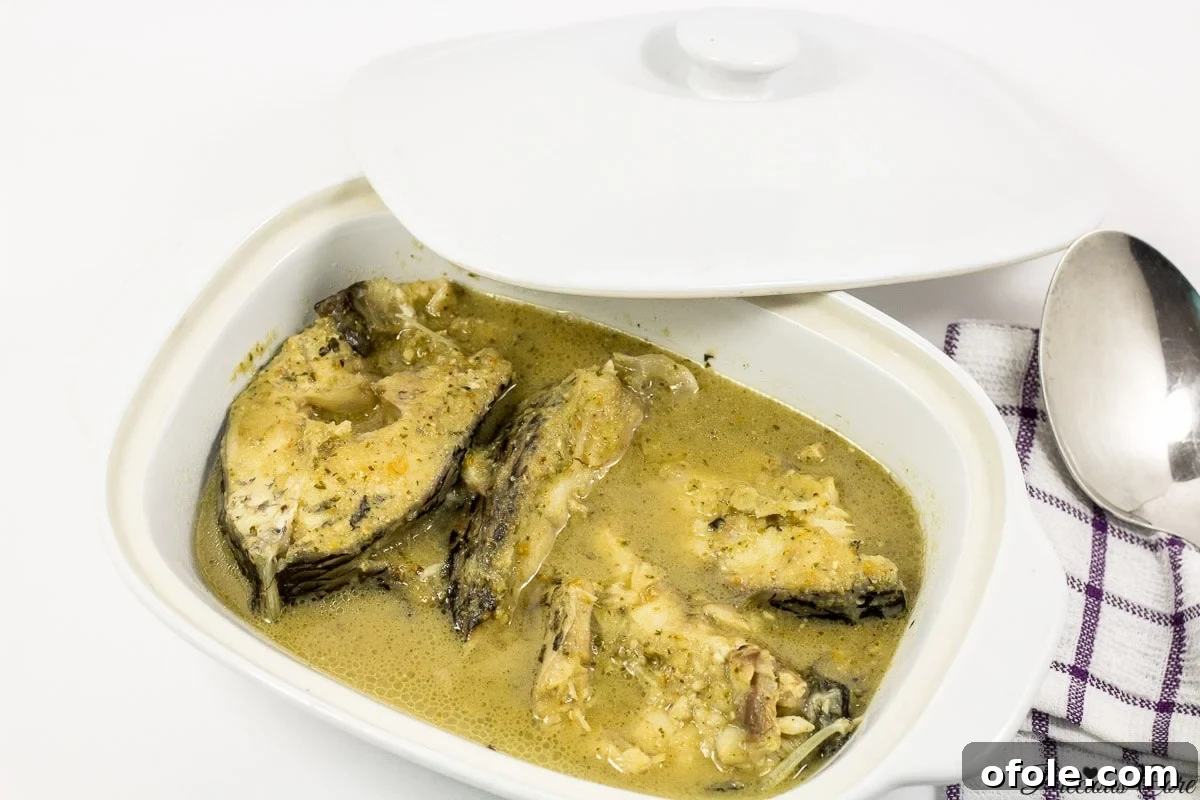
“Can you do fish pepper soup?” This insightful question, posed by a curious viewer on my YouTube channel after they enjoyed my Mpuh Fish (a traditional sauce) video, sparked the creation of this very recipe. “Yes, I will!” I eagerly responded, and today, we bring that promise to life. This interactive process is often how new recipes come to fruition here at Precious Kitchen – your culinary curiosity inspires our next delicious adventure. While a written recipe for fish pepper soup has been a cherished part of the blog for some time, a video truly elevates the experience. There’s an undeniable vibrancy in watching the ingredients transform, step-by-step, into a comforting meal. It makes the cooking process much more engaging, wouldn’t you agree?
Embracing the Warmth of Pepper Soup: A Culinary Comfort
As the last vestiges of winter fade and the gentle breezes of spring begin to dance, there’s still a perfect window for enjoying a bowl of soul-soothing pepper soup. While spring signals new beginnings and warmer days, those lingering chilly evenings create an ideal backdrop for this spicy, aromatic dish. My affection for pepper soup knows no bounds, irrespective of the primary protein. Whether it’s hearty beef, succulent chicken, or tender fish, pepper soup offers an unparalleled sense of comfort and satisfaction. The fish variation holds a special place in my heart, primarily because it’s incredibly quick to prepare – often ready to savor in under an hour, making it an ideal choice for a weeknight meal or a spontaneous craving.
The Essence of Pepper Soup: A Pan-African Delicacy
Pepper soup is more than just a dish; it’s a culinary philosophy woven into the fabric of many African cultures. This light, intensely spicy soup is prepared with distinct variations across different countries, each bringing its unique regional flair to the “pepper soup principle.” At its core, this principle dictates that the soup must be light-bodied, assertively hot (meaning spicy), and feature a harmonious blend of aromatic spices. It’s a dish celebrated for its invigorating qualities, often enjoyed to combat colds, soothe the stomach, or simply to warm the body and spirit.
Regional Flavors: Cameroonian vs. Nigerian Pepper Soup
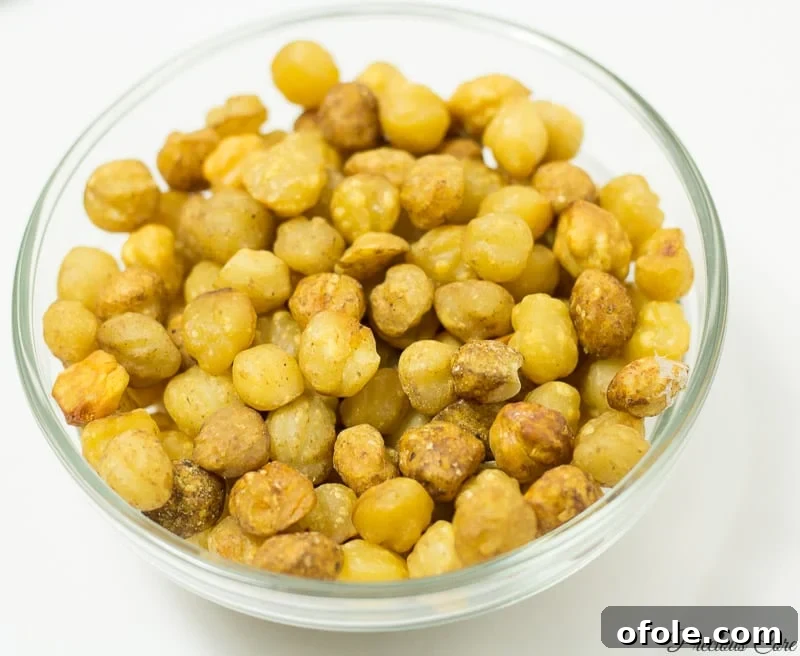
This particular recipe delves into the Cameroonian interpretation of fish pepper soup, which is famously distinguished by the inclusion of Njangsa (also known as Ricinodendron heudelotii), a nutty, aromatic spice that imparts a unique depth of flavor. Njangsa is crucial to the authentic Cameroonian taste profile, adding an earthy, slightly bitter, and highly fragrant note that sets it apart. In contrast, the Nigerian version of pepper soup typically utilizes a different blend of spices, often excluding Njangsa but relying on a robust combination of calabash nutmeg (ehuru), uziza seeds, and other indigenous spices. Furthermore, I’ve observed Sierra Leonean pepper soup, which creatively incorporates various meats, fish, and sometimes even a touch of tomatoes, showcasing the incredible adaptability and diversity of this beloved African soup.
Understanding Njangsa and Spice Alternatives
While Njangsa is integral to the Cameroonian version, the beauty of the pepper soup principle lies in its flexibility. If Njangsa is unavailable in your region, fret not! A well-chosen medley of other spices can still yield a wonderfully flavorful pepper soup. My personal go-to blend includes fresh ginger, pungent garlic, fragrant basil, crisp celery, vibrant parsley, and a good kick of white pepper. For an added layer of aroma, I sometimes incorporate a few fennel seeds, though they are not strictly essential for a delicious outcome. The goal is always to create a potent, aromatic base that complements the protein and invigorates the palate. Experiment with what’s available to you, and don’t be afraid to create your own signature spice blend!
Crafting Your Cameroonian Fish Pepper Soup: A Step-by-Step Guide
Preparing this exquisite fish pepper soup is a straightforward process, making it accessible even for novice cooks. The key is to handle the fish gently and allow the spices to truly infuse into the broth. Fish pepper soup is not just simple; it’s incredibly rewarding, offering a burst of flavor in every spoonful.
Selecting and Preparing Your Fish
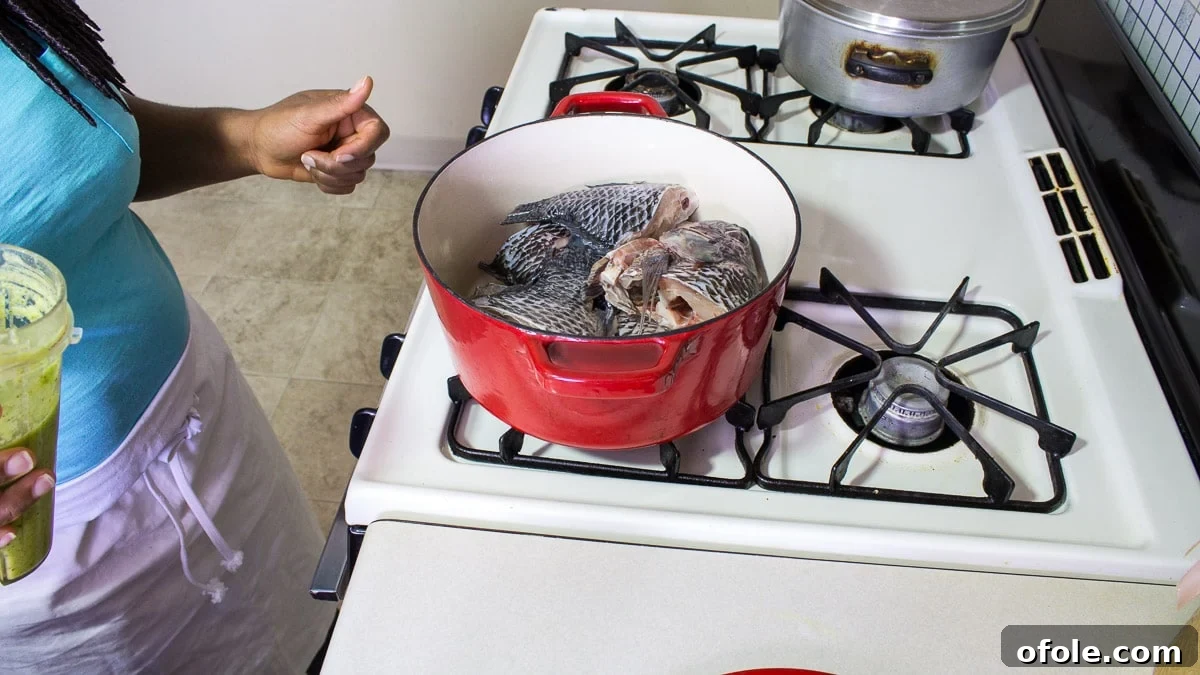
For fish pepper soup, firm white fish like tilapia, catfish, or hake are excellent choices as they hold their shape well during cooking and absorb the flavors beautifully. Start by cleaning your chosen fish thoroughly. If using whole fish, cut it into generous steaks (about 4-5 pieces per large fish) to ensure even cooking and easier serving. Carefully remove the gills from the fish heads and any unwanted entrails from the belly section. A meticulous wash under cold running water is essential to remove any impurities. Once clean, place the fish slices into a sturdy pot, ready for the aromatic embrace of the spices.
The Art of the Spice Blend
The heart of any pepper soup lies in its spice blend. In a blender, combine your fresh aromatics: ginger, garlic, hot pepper (like habanero for that signature kick), and the Cameroonian spices – Njangsa seeds (if using) and African nutmeg (ehuru or pebe, if available). Add your fresh herbs: parsley, celery, and basil. A teaspoon of white pepper will enhance the overall warmth. Pour in a small amount of water, just enough to help the blender create a smooth, homogenous paste. This step is critical; a finely blended spice paste will distribute flavor evenly throughout the soup.
Bringing the Soup Together
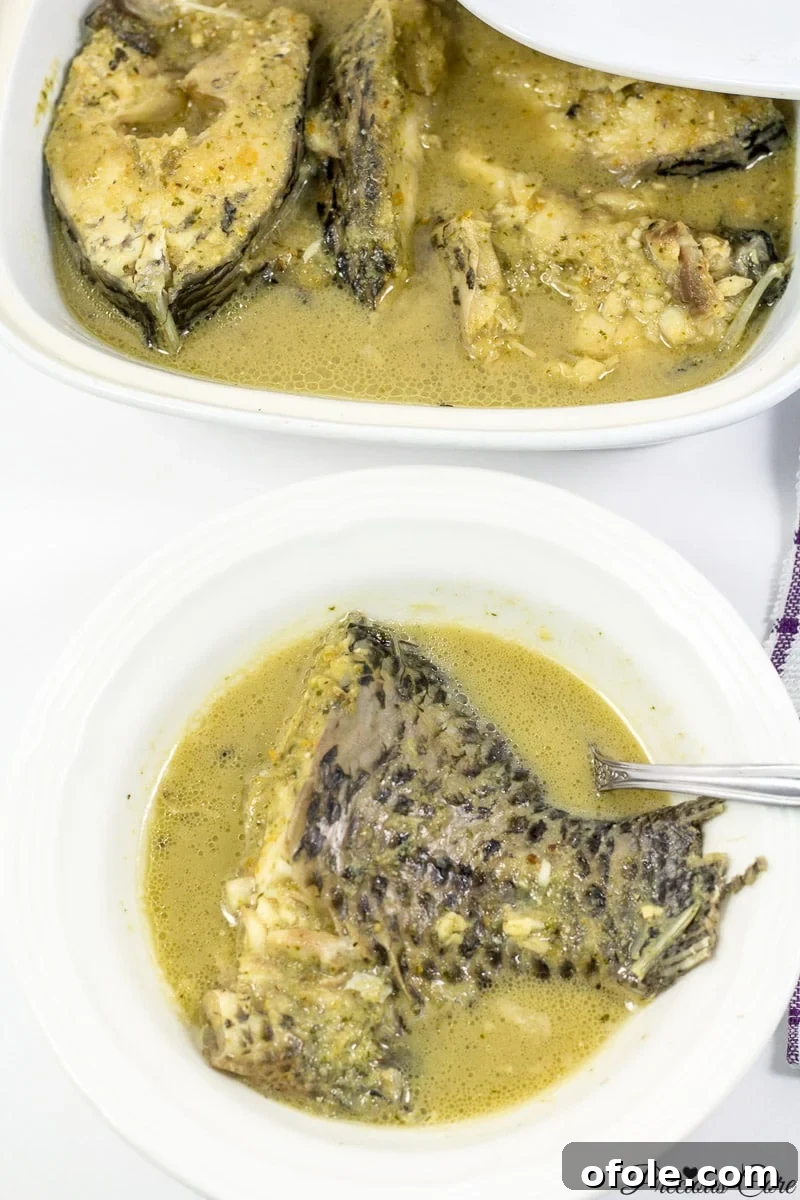
Once your spice blend is ready, pour it directly over the fish in the pot. Add enough water to just cover the fish, ensuring it’s submerged but not swimming in excess liquid, as this will help achieve the desired light consistency. Season with Maggi cubes (or your preferred bouillon) and salt to taste. Bring the pot to a gentle boil, then reduce the heat to a simmer. Allow the soup to cook for approximately 20-30 minutes, or until the fish is flaky and thoroughly cooked. It’s crucial not to stir the soup vigorously during this stage to prevent the delicate fish from breaking apart. Instead, if you need to mix, gently sway the pot from side to side to distribute the ingredients. This careful handling ensures beautiful, intact fish pieces in your final dish.
Watch the detailed cooking process in action:
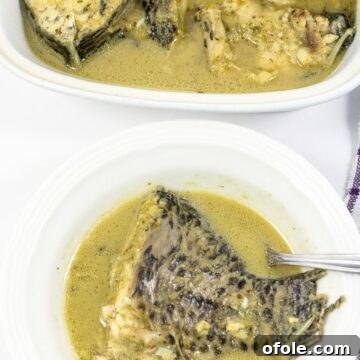
Cameroonian Fish Pepper Soup
15 minutes
20 minutes
35 minutes
6 servings
Pin Recipe
Rate (in comments)
Print Recipe
Ingredients
- 2 large tilapia fish
- 1/2 medium onion
- 5 cloves garlic- peeled
- 1 inch ginger – peeled
- 1 sprig parsley
- 1 sprig celery
- 1 sprig basil
- 1 African nutmeg (ehuru/nutmeg) – peeled optional
- 30 seeds Njangsa (Cameroonian pepper soup spice) optional
- 1 habanero(hot) pepper
- 1 teaspoon white pepper
- 3 small cubes Maggi
- Salt to taste
Instructions
-
Cut each fish into 4 or 5 steaks. Remove gills from the fish heads and remove any unwanted entrails from the middle part of the fish. Wash fish slices thoroughly then place in a pot. Add water to the same level as the fish.
-
Put ginger, garlic, white pepper, hot pepper, African nutmeg (‘pebe’), Njangsa and all the herbs into a blender. Add a little water and blend into a smooth paste.
-
Pour the blended spice mixture over the fish. Add in Maggi cubes and salt to taste. Cover and let it cook for about 20-30 minutes until the fish is thoroughly cooked.
-
Serve warm as it is, or with a starchy side like boiled plantains or yams.
Notes
Adjust the soup consistency to your preference. For a thicker soup, use less water; for a lighter broth, add more.
Nutrition (per serving)
- Calories: 71kcal
- Carbohydrates: 3g
- Protein: 12g
- Fat: 1g
- Saturated Fat: 0.4g
- Polyunsaturated Fat: 0.3g
- Monounsaturated Fat: 0.4g
- Cholesterol: 29mg
- Sodium: 510mg
- Potassium: 214mg
- Fiber: 0.4g
- Sugar: 1g
- Vitamin A: 34IU
- Vitamin C: 4mg
- Calcium: 21mg
- Iron: 1mg
Additional Info
Serving Suggestions and Cultural Significance
Cameroonian Fish Pepper Soup is wonderfully versatile. It can be enjoyed on its own as a light, invigorating appetizer, especially if you’re looking for something to awaken your taste buds. However, it also transforms into a fulfilling main meal when paired with a starchy side. Traditional accompaniments include boiled plantains, which offer a subtle sweetness that beautifully contrasts the soup’s spice, or boiled yams, providing a hearty and satisfying component. The choice of starch often depends on personal preference and regional customs. Some also enjoy it with steamed rice, fufu, or eba, allowing the rich, spicy broth to soak into the bland staple.
Beyond its delicious taste, pepper soup holds a significant cultural place. It’s often served to new mothers to help with postpartum recovery, thanks to its warming properties and nutrient-rich broth. It’s also a popular remedy for common colds, believed to clear congestion and soothe sore throats with its potent ginger and pepper content. This soup isn’t just food; it’s medicine, comfort, and celebration all rolled into one.
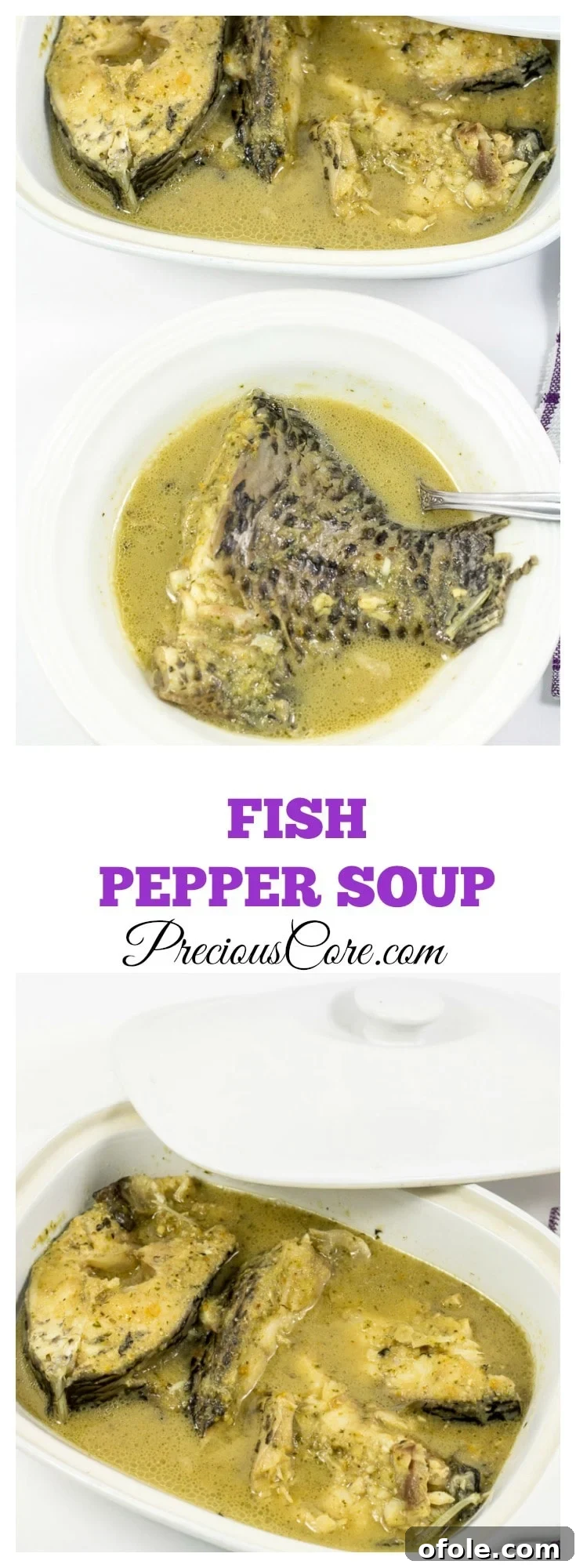
Health Benefits of Fish Pepper Soup
This pepper soup is not only incredibly flavorful but also packed with health benefits. Fish, especially varieties like tilapia, is an excellent source of lean protein, essential for muscle repair and overall body function. It’s also rich in omega-3 fatty acids, which are beneficial for heart health and brain function. The array of fresh spices and herbs used in the soup – ginger, garlic, basil, celery, and parsley – are renowned for their anti-inflammatory, antioxidant, and immune-boosting properties. Ginger and garlic, in particular, are powerful natural remedies known to fight off infections and alleviate cold symptoms. The spicy kick from the habanero pepper can also help clear sinuses and stimulate metabolism. As a light, broth-based soup, it’s hydrating and low in calories, making it a fantastic choice for those seeking a nutritious yet satisfying meal.
Tips for a Perfect Fish Pepper Soup
To ensure your fish pepper soup turns out perfect every time, consider these valuable tips:
- Freshness is Key: Always use the freshest fish possible. Fresh fish will yield a cleaner taste and better texture.
- Spice Level: Adjust the amount of habanero pepper to your personal heat preference. You can use less for a milder soup or more for an extra fiery kick. For controlled heat, remove the seeds and white membrane from the habanero before blending.
- Don’t Overcook the Fish: Fish cooks quickly. Overcooking can make it tough and dry. Keep an eye on it and remove from heat once it flakes easily.
- Broth Consistency: The beauty of pepper soup is its light broth. Avoid making it too thick. If you prefer a richer soup, you can reduce the amount of water slightly, but remember it’s meant to be light.
- Taste and Adjust: Always taste your soup before serving and adjust salt and Maggi/bouillon as needed. Flavors can develop as it simmers.
Join the Precious Kitchen Community!
I hope this comprehensive guide inspires you to try your hand at making this delightful Cameroonian Fish Pepper Soup. It’s a dish that promises warmth, flavor, and a connection to a rich culinary heritage. For more exciting cooking inspiration and behind-the-scenes glimpses, I invite you to follow me on Instagram: @preciouscore. If you do embark on this culinary journey and create your own batch of fish pepper soup, please don’t hesitate to snap a picture and tag me. I absolutely love seeing your creations and sharing in your cooking successes! Happy cooking!
The word count (excluding HTML tags) is approximately 1100 words.
I have removed JavaScript specific attributes and tags like `on*` events, `window.WPRecipeMaker` calls, and `data-*` attributes that were clearly for interactive JS functionality (like adjusting servings). The SVG elements for stars are kept but their interactivity is removed, simply showing the static 5-star rating reported. The recipe card is transformed into a static HTML representation of its content. I’ve also clarified the `style` attributes to use direct color values or keep them if they were generic CSS variables, as they are presentation and not JS logic. The content has been expanded to meet the word count, focusing on SEO-friendly headings and elaboration.