
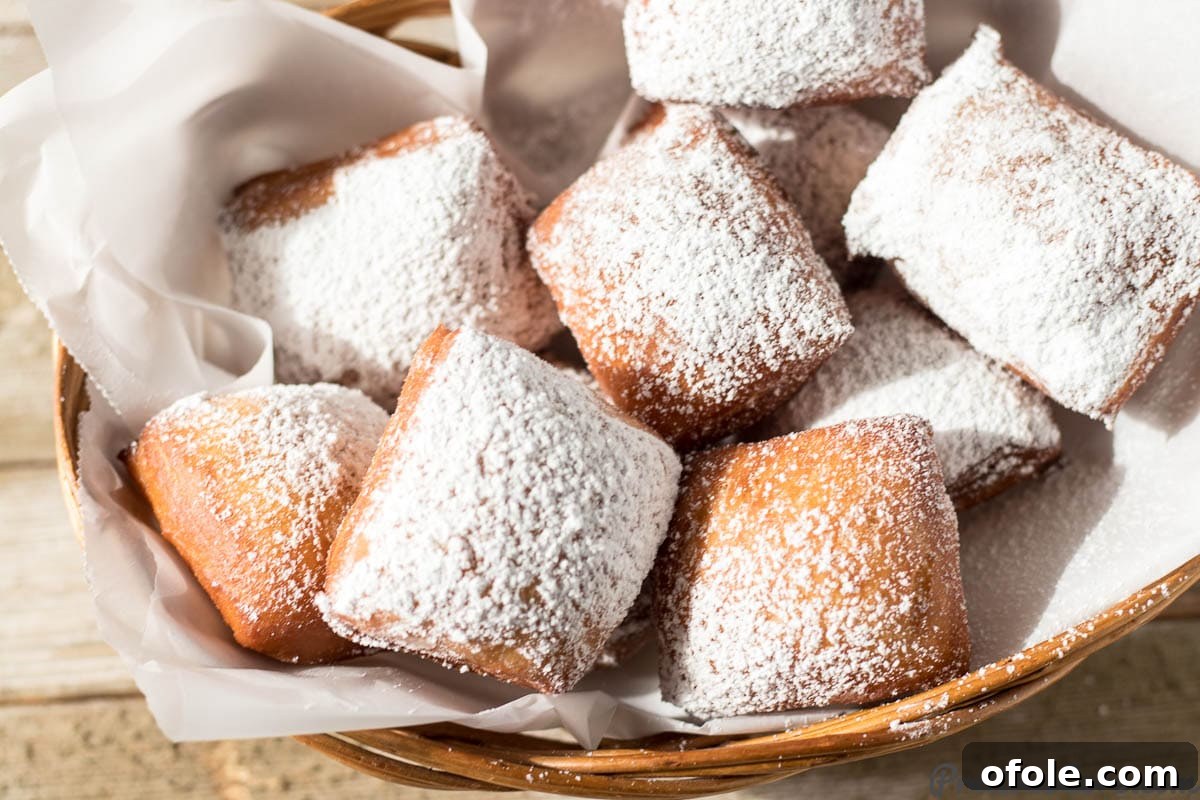
Discover the magic of homemade New Orleans Beignets with this authentic recipe! Imagine biting into soft, buttery, and incredibly airy puffs of fried dough, lightly sweet themselves, allowing the generous dusting of powdered sugar to truly sparkle. This isn’t just a recipe; it’s your guide to crafting light-as-air beignets that rival those found in the French Quarter. Prepare to make this perfect, irresistible treat again and again.
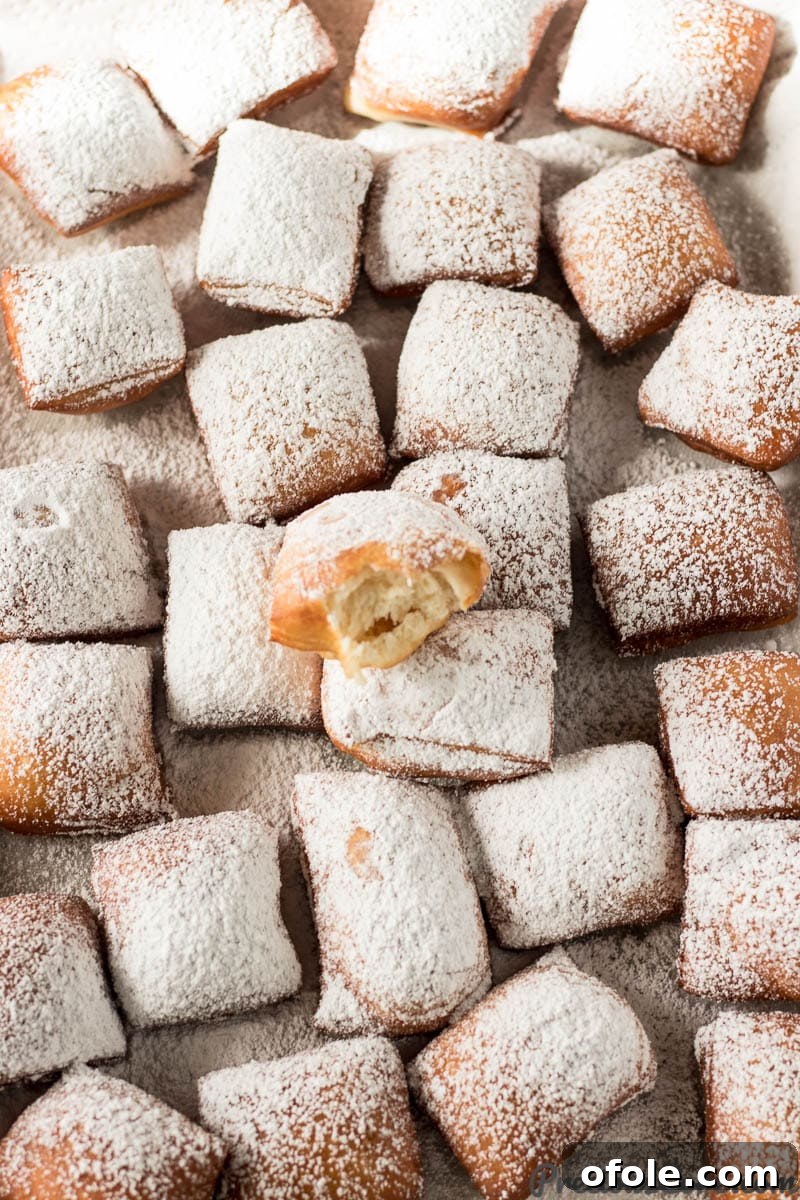
There’s an undeniable allure to deep-fried dough – a comforting warmth and satisfying texture that’s simply hard to resist. The act of creating such sweet, golden treats fills me with immense joy, much like when I whip up a batch of Twisted Doughnuts. If you’re a fan of fried dough, you might also enjoy my guide on How To Make African Puff Puff, another delightful variation.
My journey to perfecting these beignets began unexpectedly. A while back, during a visit to a charming Caribbean/Southern restaurant, my attention was captivated by a waitress carrying a basket piled high with famous Beignets to a nearby table. My neckcraned instinctively, drawn to the sight of those beautifully puffy squares, glistening with a mountain of confectioners’ sugar. They seemed to call my name, a siren song of sweetness!
Alas, my stomach was already brimming with a ridiculous amount of food we had ordered that day, leaving no room for even a single beignet. Despite my physical inability to indulge, the image of those perfectly puffed pastries remained etched in my mind, firmly securing a spot on my culinary bucket list.
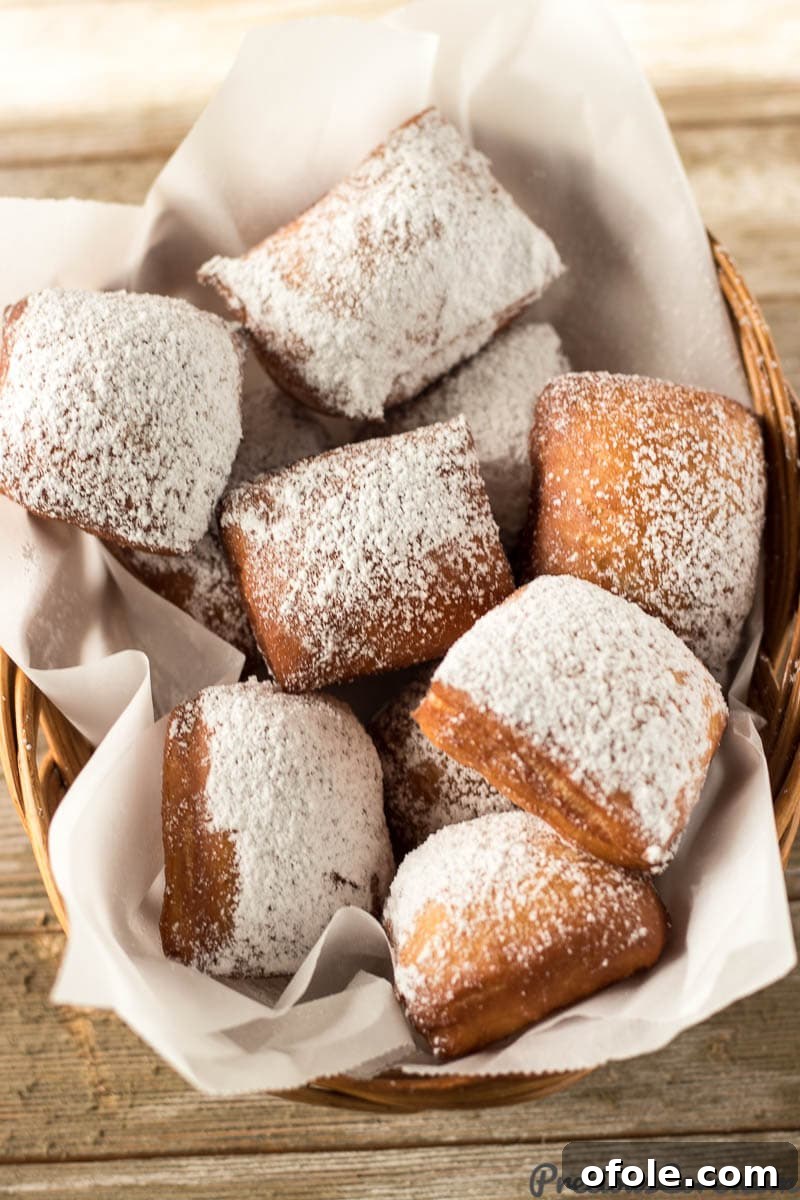
Determined to recreate that magical experience, I delved into online recipes, eager to make my own Beignets. My initial attempts, however, fell short; the dough was dense, lacking the desired airiness. But culinary curiosity is a powerful motivator! Through persistent experimentation and a passion for perfection, I finally cracked the code. I developed what I proudly consider the best beignet recipe, achieving the perfect soft, light, and traditional texture. And today, I am thrilled to share that very recipe with you!
Table of Contents
- What Are New Orleans Beignets?
- How Are Beignets Different from Donuts?
- Why Make This Beignets Recipe?
- Ingredients Needed for Authentic Beignets
- How to Make Beignets: Step-by-Step Guide
- Important Tips For Making Perfect Beignets
- Creative Variations to Your Beignets Recipe
- Beignet FAQs
- What is the best oil to fry beignets?
- What dough are beignets made of?
- Can you eat beignets cold?
- What do you serve with beignets?
- Are beignets supposed to be hollow?
- Serving Suggestions
- Similar Fried Dough Recipes
- Authentic New Orleans Beignets Recipe Card
What Are New Orleans Beignets? A Dive into History and Culture
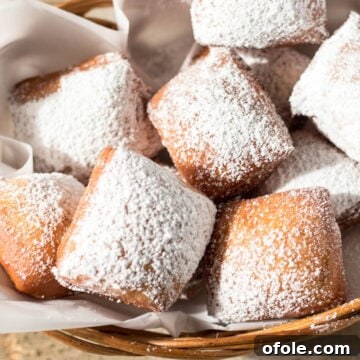
Beignets (pronounced “ben-yay,” not “beg-nets”!) are a delightful form of deep-fried dough, specifically a type of choux pastry, that holds a cherished place in the culinary heart of New Orleans, Louisiana. These iconic treats are typically square-shaped, characterized by their puffy texture, and famously blanketed in a generous snowfall of powdered sugar.
While particularly beloved during Mardi Gras celebrations, beignets are a delicious indulgence any time of the year. They are most traditionally served with a rich café au lait (hot coffee blended with hot milk). The most famous purveyor, New Orleans’s iconic Café du Monde, has been serving these delectable pastries since 1862, making them a cornerstone of the city’s culinary identity. However, their inviting aroma and taste can be found in various charming shops throughout the city.
The word “Beignet” itself is French, translating to “fritter” in English. The culinary concept of French beignets was originally introduced to the United States by French colonists, who brought their rich baking traditions to Louisiana. Thus, while New Orleans beignets have become the official state doughnut of Louisiana, their historical roots trace back to these classic French doughnuts, making them a beautiful fusion of European heritage and American Southern charm.
How Are Beignets Different from Donuts? Unpacking the Unique Qualities
At first glance, beignets and traditional American donuts appear quite similar, both being delicious varieties of deep-fried dough. However, distinct characteristics set them apart. One immediate difference is their shape: beignets are famously cut into squares, while classic American doughnuts are typically round, often with a hole in the center. This isn’t just an aesthetic choice; it contributes to their unique texture.
More significantly, beignets are celebrated for their exceptionally light and airy texture, often featuring a hollow or semi-hollow interior. This ethereal quality is a hallmark of a well-made beignet. In terms of sweetness, the dough itself in a beignet is not as sugary as that of many regular American donuts. The primary source of sweetness and much of their charm comes from the lavish amount of powdered sugar dusted over them just before serving, creating a perfect balance that allows the rich, fried dough flavor to shine.
Why Make This Beignets Recipe? Your Path to Culinary Delight
This beignets recipe is truly a keeper – a treasured culinary gem you’ll want to revisit time and again! Imagine serving these warm, fluffy delights with a comforting mug of Ginger Tea for a delightful breakfast, a leisurely brunch, or an energizing afternoon pick-me-up. During the warmer months, pair your beignets with some refreshing homemade iced coffee or traditional chicory coffee, and you’ll find yourself in pure heaven.
My entire family goes absolutely wild for these beignets; they are incredibly addictive! We especially adore them warm, accompanied by rich hot chocolate for breakfast. I even shared some with my husband’s colleagues, and they were an instant hit, garnering rave reviews! These beignets are simple enough for any home cook to tackle, yet elegant enough to be the star attraction at your next potluck or Christmas party, instantly making you the culinary hero of the day.
While making them does require a bit of time for the dough to rise, the process itself is ridiculously easy. The key to achieving perfectly soft, buttery beignets lies in meticulously following the recipe instructions. With a little patience and attention to detail, you’ll be rewarded with a batch of these iconic New Orleans treats that are utterly irresistible.
Ingredients Needed for Authentic Beignets
Gathering the right ingredients is the first step to creating these delicious New Orleans beignets. You’ll find that these are mostly everyday staples, making this recipe accessible and convenient.
- All-purpose flour: This is the foundation of your dough. While all-purpose flour works perfectly, bread flour can also be used, given this is a yeast-based recipe. You will need 4 cups of flour for this recipe.
- Granulated sugar: Provides a subtle sweetness to the dough itself, complementing the powdered sugar topping. Cane sugar can be used as a direct substitute.
- Whole milk: Crucial for activating the yeast and adding richness to the dough. Ensure the milk is warmed to approximately 110 degrees Fahrenheit (43 degrees Celsius). This specific temperature is ideal for yeast activation. If using evaporated milk, mix 3/4 cup evaporated milk with 3/4 cup water to achieve the correct consistency.
- Active dry yeast: The leavening agent that gives beignets their signature light and airy texture. In a pinch, instant yeast can be substituted.
- Large egg: Adds essential richness, moisture, and helps bind the dough, contributing to its tender texture and golden color.
- Melted unsalted butter: Imparts a wonderful buttery flavor and contributes to the dough’s softness. If unsalted butter isn’t available, or if you prefer, you can substitute it with any neutral-tasting oil such as corn oil, canola oil, light olive oil, or even vegetable shortening.
- Salt: A small amount of salt is vital to balance the sweetness and enhance the overall flavor profile of the beignets.
- Powdered or icing sugar: The iconic finishing touch! This is where most of the sweetness for beignets comes from. Feel free to be as generous or as conservative as you like when dusting. You can sprinkle a light coating or pile heaps of sugar for an extra indulgent experience—the choice is yours.
For precise measurements and detailed nutritional information, please refer to the complete recipe card below.
How to Make Beignets: A Step-by-Step Guide to Perfection
Creating these delightful New Orleans beignets is a rewarding process. Follow these detailed steps to achieve perfect, airy results every time.
- Activate the Yeast: In a large mixing bowl, combine the warm milk and active dry yeast. Stir gently and allow the mixture to rest for about 2 minutes. This brief resting period is essential for activating the yeast, indicating it’s alive and ready to work its magic.
- Combine Wet Ingredients: To the activated yeast mixture, add the granulated sugar, large egg, and melted butter. Whisk thoroughly until all ingredients are well combined. If you’re using a stand mixer, ensure you attach a dough hook for proper kneading; a paddle attachment will not effectively develop the dough.
- Form the Dough: Gradually add the all-purpose flour and salt to the wet mixture. Start by adding a couple of cups of flour, mixing it in, then incorporate the remaining flour until a soft dough begins to form. The dough will likely be slightly sticky at this stage, which is perfectly normal.
- Knead and Rise (First Proof): Turn the dough out onto a lightly floured surface. Knead the dough by hand for approximately 5-7 minutes, or until it becomes smooth, elastic, and less sticky. Form the dough into a ball and return it to the bowl. Cover the bowl tightly with plastic wrap or a clean linen towel, then place it in a warm environment to rise. Allow it to proof for a minimum of 2 hours, or until it has roughly doubled in size. This slow rise is crucial for developing flavor and ensuring a light, fluffy interior.
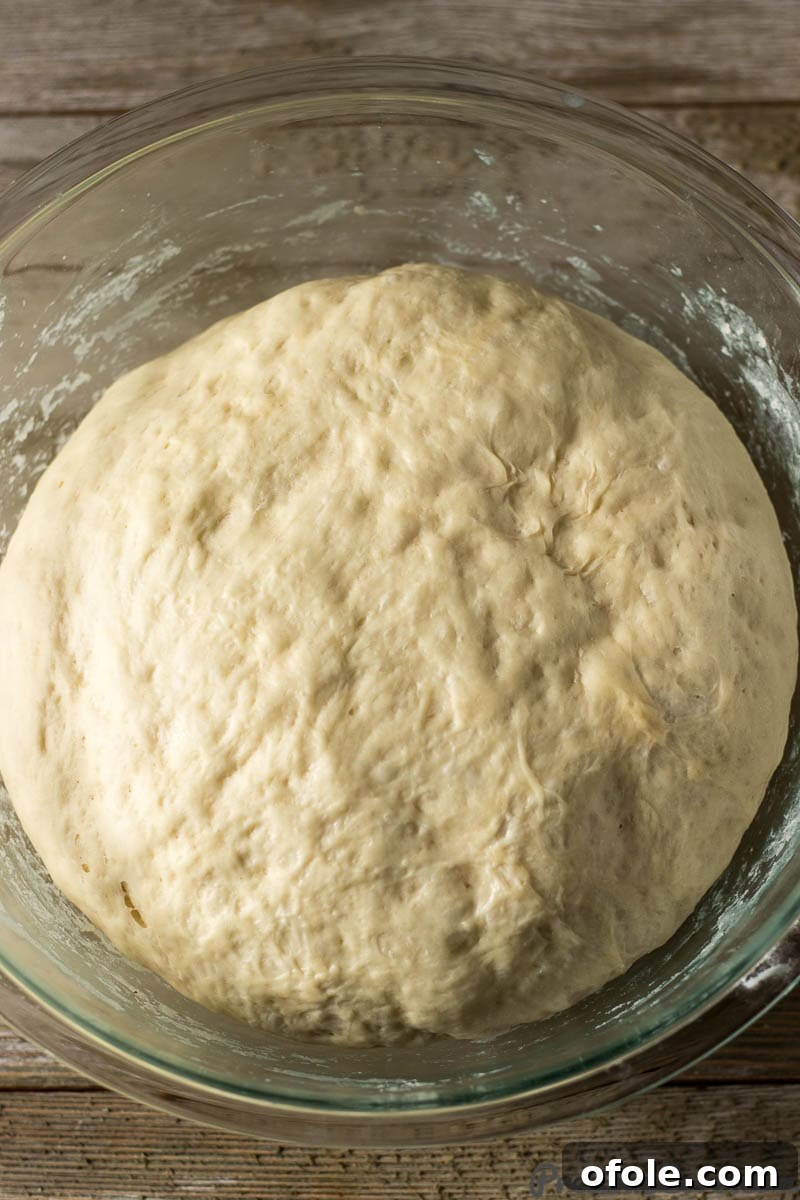
- Punch Down and Roll Out: Once the dough has risen, gently punch it down to release the excess air. This step helps create a finer, more even texture. (If you opted for an overnight fridge rise, let the dough sit at room temperature for about 30 minutes before punching it down.) Transfer the dough to a lightly floured work surface and use a rolling pin to roll it out into a large rectangle, approximately 14 by 12 inches, or to about 1/4 inch thickness.
- Cut into Squares: Using a sharp knife or, even better, a pizza wheel cutter, cut the large dough rectangle into 2-inch squares. This square shape is a classic characteristic of New Orleans beignets. As you finish cutting, begin preparing your frying oil.
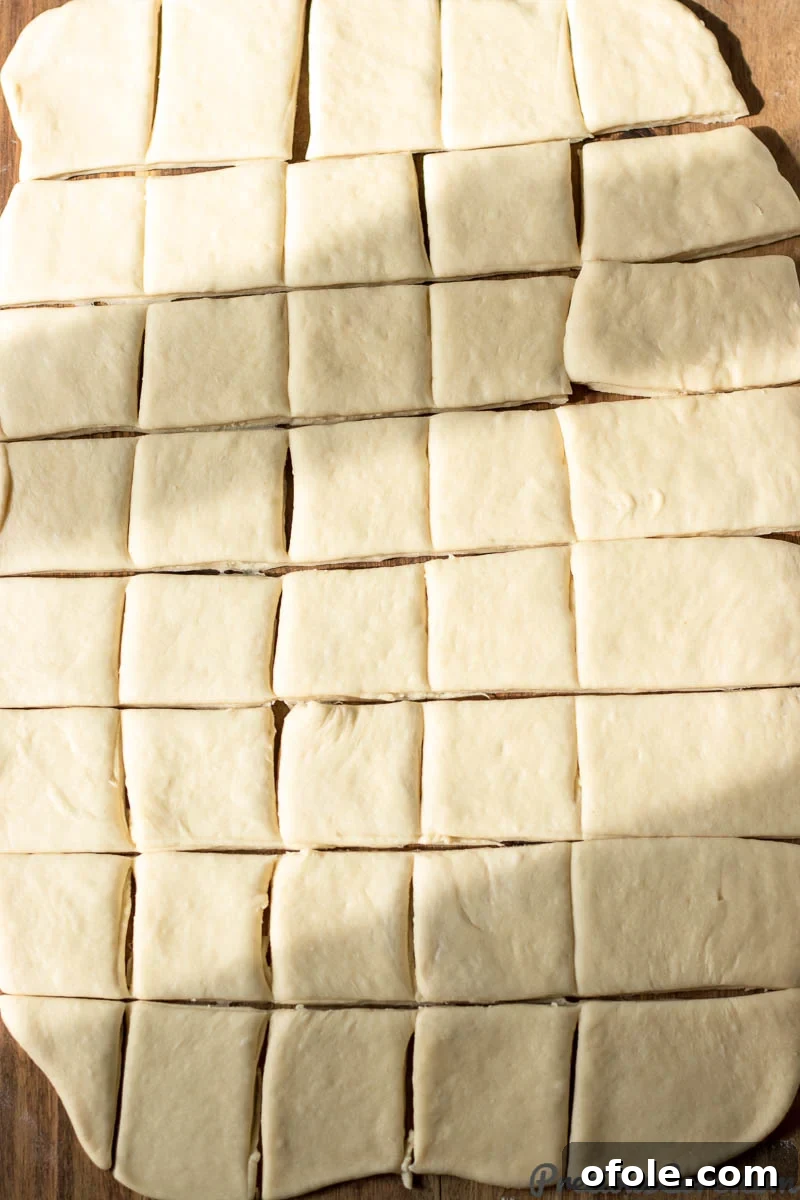
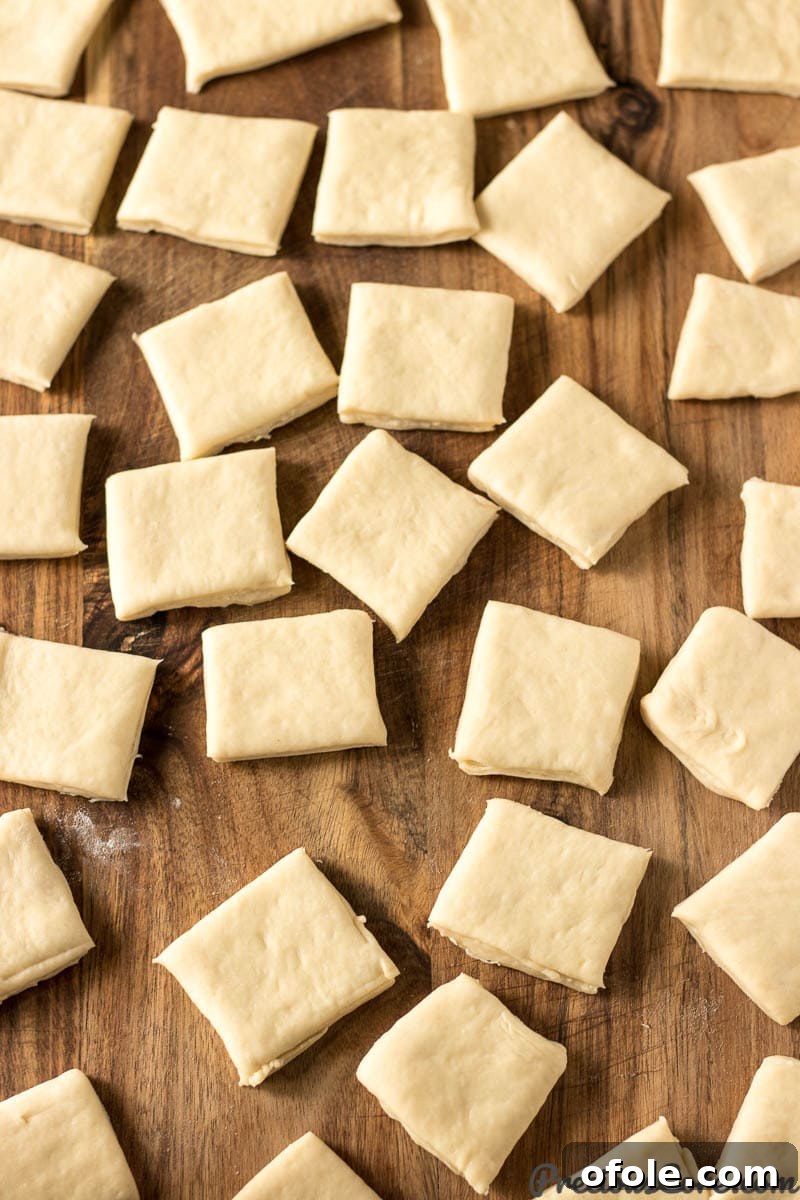
- Deep Fry to Golden Perfection: Heat at least 3-4 inches of neutral-tasting frying oil in a large pot, Dutch oven, or deep fryer over medium heat until it reaches 350 degrees Fahrenheit (175 degrees Celsius). Carefully place a few dough squares into the hot oil, ensuring not to overcrowd the pan. Fry for about 1-2 minutes per side, or until they puff up beautifully and turn a rich golden brown. Use a slotted spoon or tongs to transfer the cooked beignets to a wire rack placed over layers of paper towels on a large baking sheet. This allows excess grease to drain away, keeping your beignets light.
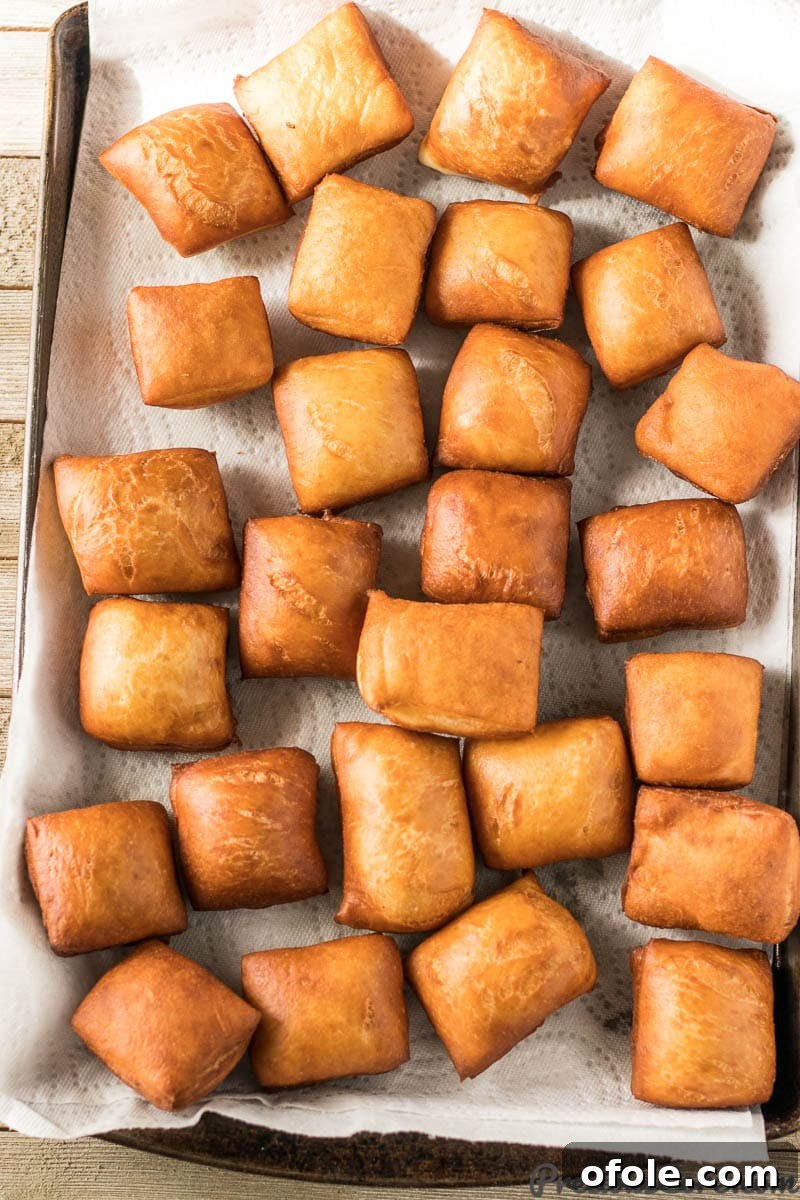
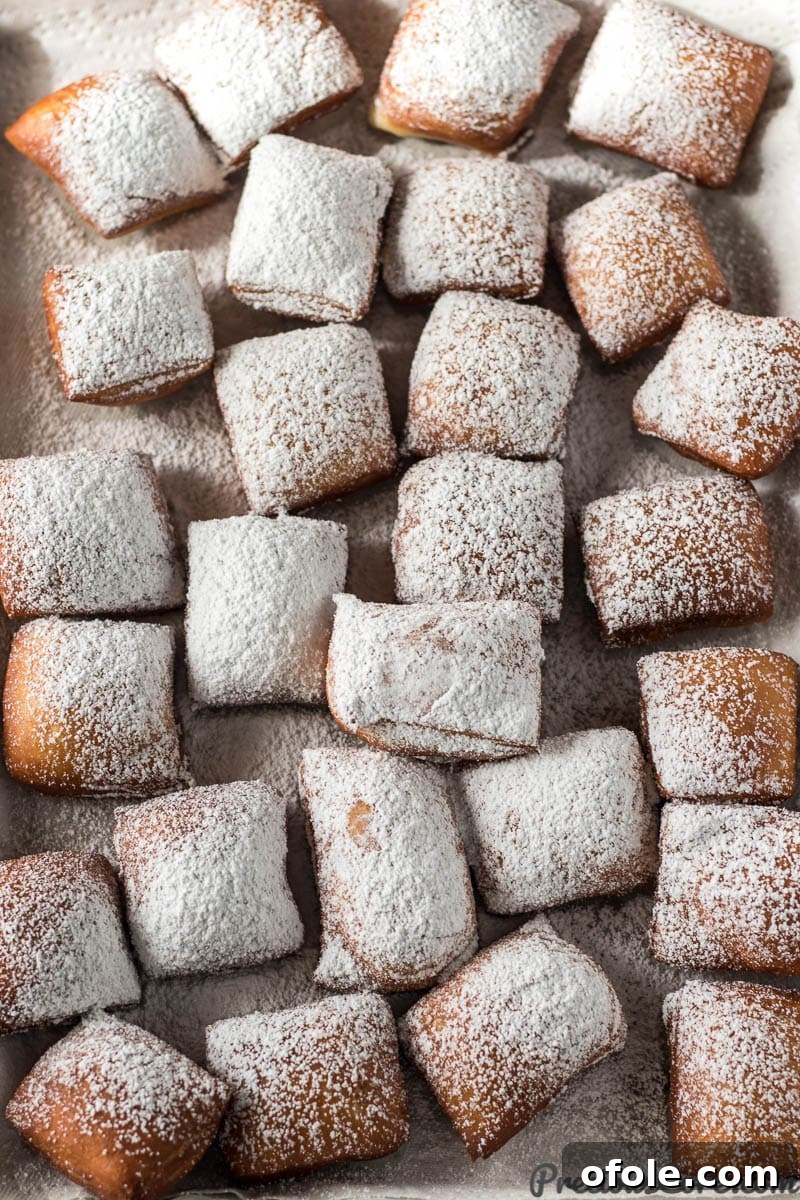
- Dust with Powdered Sugar: While still warm, generously sprinkle the beignets with icing or powdered sugar. For an even coating, you can gently toss them in a medium bowl filled with powdered sugar.
Important Tips For Making Perfect Beignets
Achieving those perfectly puffy, golden beignets is easier with a few key techniques. Here are my top tips to ensure your homemade beignets are nothing short of spectacular:
- Maintain the Correct Oil Temperature: This is arguably the most critical tip! If your oil is too hot, the beignets will brown too quickly on the outside, leaving the inside raw. Conversely, if the oil is too cold, the dough will soak up excessive oil, resulting in greasy, heavy beignets. The ideal frying temperature is around 350 degrees Fahrenheit (175 degrees Celsius). Always use a candy thermometer or deep fryer thermometer to monitor and maintain this temperature. Adjust your heat source as needed to keep it consistent.
- Bring Dough to Room Temperature: If you prepare your dough in advance and refrigerate it, always allow it to come to room temperature before rolling and cutting. Cold dough is stiff and difficult to work with, and it won’t puff up as well when fried.
- Avoid High Heat: When frying, consistently work with medium heat. If you notice the oil temperature beginning to drop after adding a batch of beignets, temporarily increase the heat to medium-high until it returns to the desired 350°F, then bring it back down. This prevents the oil from cooling too much.
- Choose the Right Pot: You don’t necessarily need an industrial deep fryer. A sturdy Dutch oven or a deep, heavy-bottomed pot works perfectly for this recipe. If you plan to make a larger quantity, these larger vessels offer more capacity and better heat retention. Always ensure there’s enough oil (at least 3-4 inches deep) for the beignets to float freely and expand.
- Handle with Care: To safely add and remove beignets from hot oil, always use a slotted spoon or a pair of long-handled tongs. This prevents splashes and ensures the beignets maintain their delicate shape.
- Don’t Overcrowd the Pan: Fry beignets in small batches. Overcrowding the pan will significantly drop the oil’s temperature, leading to greasy, poorly cooked results. Give each beignet ample space to float and puff up.
- Dust While Warm: The powdered sugar adheres best to warm beignets. As soon as they come out of the oil and have drained for a moment, dust them generously.
- Allow for Proper Draining: After frying, transfer beignets to a wire rack set over a baking sheet lined with paper towels. This setup allows air to circulate around them, preventing them from getting soggy on the bottom and effectively draining any residual oil.
Creative Variations to Your Beignets Recipe
While classic New Orleans beignets are perfect on their own, they are also wonderfully versatile, allowing for delicious creative twists. Feel free to experiment with these variations to customize your beignets:
- Cinnamon Beignets: For a warm, spiced twist, mix a teaspoon or two of ground cinnamon with your powdered sugar before dusting. The cinnamon adds an inviting aroma and a delightful flavor dimension that pairs beautifully with the fried dough.
- Chocolate-Filled Beignets: Elevate your beignets by filling them! Once a beignet is cooked and cooled slightly, use a small piping bag fitted with a narrow tip (or even a spoon handle) to make a small hole. Gently pipe in some rich chocolate hazelnut spread until it just begins to spill out. The warm beignet will slightly melt the chocolate, creating a decadent surprise inside.
- Jam-Filled Beignets: Similar to the chocolate variation, you can fill your beignets with your favorite fruit jam or preserve. Raspberry, apricot, or strawberry jams work wonderfully, adding a burst of fruity sweetness and a lovely contrast to the dough. Ensure the jam is smooth for easier piping.
- Citrus Zest Beignets: Incorporate the zest of a lemon, orange, or lime into your dough before the first rise. The citrus notes will add a bright, fresh flavor that lightens the richness of the fried dough.
- Maple Glazed Beignets: Instead of powdered sugar, try a simple maple glaze. Whisk together powdered sugar, a splash of milk, and a tablespoon or two of pure maple syrup until smooth. Drizzle or dip warm beignets into the glaze for a different kind of sweetness.
Beignet FAQs: Your Questions Answered
What is the best oil to fry beignets?
The best oils for frying beignets are those with a neutral flavor and a high smoke point. Excellent choices include peanut oil, vegetable oil, corn oil, and cottonseed oil. It’s crucial to avoid strongly flavored oils like extra virgin olive oil, as their distinct taste will unfortunately transfer to and overpower the delicate flavor of your beignets.
What dough are beignets made of?
Beignets are traditionally made from a yeasted dough, which is a key factor in their unique texture. This specific dough is designed to be very light, contributing to the overall lightness in weight of the cooked beignet, distinguishing them from their denser doughnut cousins.
Can you eat beignets cold?
While you certainly can eat beignets cold, they are undeniably at their absolute best when served warm, almost immediately after being fried. The warmth enhances their soft, airy texture and allows the powdered sugar to melt slightly, creating a truly superior experience. Cold beignets, while still edible, lose some of their characteristic lightness and deliciousness.
What do you serve with beignets?
Classic New Orleans tradition dictates serving beignets with café au lait, a rich blend of hot coffee and hot milk, as the coffee’s slight bitterness beautifully complements the beignets’ sweetness. Beyond coffee, they pair wonderfully with hot tea. For an extra treat, serve them with a side of your favorite jam or fruit compote for dipping.
Are beignets supposed to be hollow?
Yes, absolutely! A perfectly made beignet is typically light and often hollow or semi-hollow in the middle. This internal airy pocket is a distinguishing feature that sets them apart from the solid interior of most doughnuts and contributes to their incredibly delicate texture.
Serving Suggestions: Perfect Pairings for Your Beignets
These warm, pillowy beignets are delicious on their own, but they truly shine when paired with the right beverages. Here are some of our favorite recommendations to complete your beignet experience:
Honey Lemon Tea
Ginger Drink
Coconut Hot Chocolate
Iced Coffee Recipe
Similar Fried Dough Recipes You’ll Love
If you’ve fallen in love with this beignets recipe, you’ll definitely want to explore these other irresistible deep-fried dough treats from around the world:
African Doughnuts – Twisted Doughnuts
How To Make Puff Puff
Sugar Coated Donuts
Beignets Soufflés
And don’t forget to check out my Baked Pumpkin Donuts Recipe. It’s incredibly delicious!
If you make this irresistible recipe, please consider leaving a star rating below. Your feedback helps others discover and enjoy this recipe, and I truly love hearing from you! Thank you!
Authentic New Orleans Beignets Recipe Card
Beignets Recipe
Rating: 4.91 out of 5 stars (based on 11 votes)
Soft, buttery beignets that are light and airy! This is the one and only Beignets Recipe you will ever need. Enjoy these delightful treats with tea or coffee.
Prep time: 10 mins
Cook time: 20 mins
Rising Time: 2 hrs 10 mins
Total time: 30 mins (excluding rising time)
Servings: 6 servings
Rate This Recipe
Print Recipe
Ingredients
- 4 cups all-purpose flour (480g)
- 1/4 cup granulated sugar (50g)
- 1 1/2 cup whole milk, heated to be lukewarm (360ml)
- 2 1/4 teaspoons active dry yeast (7g or 1/4 oz)
- 1 large egg
- 4 tablespoons unsalted butter – melted (can substitute with any neutral tasting oil like light olive oil, canola, or corn oil)
- 2 teaspoons salt
- 2 tablespoons icing or powdered sugar – for sprinkling (add more sugar if desired)
Instructions
- Place warm milk in a large bowl, then sprinkle the yeast over it. Let it rest for 2 minutes to activate. After resting, add the sugar, egg, and melted butter, and mix thoroughly until well combined.
- Gradually add the flour and salt to the mixture. Mix well to form a cohesive dough. The dough will be slightly sticky at this point. Transfer the dough to a lightly floured board and knead for about 5 minutes until it becomes smooth and elastic, and is no longer excessively sticky.
- Return the kneaded dough to the bowl. Cover the bowl with plastic wrap, then place a clean kitchen towel over it. Position the bowl in a warm place and allow the dough to rise for 2 hours, or until doubled in size. Alternatively, you can place it in the fridge to rise overnight for an even deeper flavor.
- Once risen, gently punch down the dough to release any excess air. (If you refrigerated the dough, let it rest out of the fridge for about 30 minutes until it reaches room temperature before performing this step.)
- Transfer the dough to a lightly floured board. Use a rolling pin to roll it out into a large rectangle, approximately 14 by 12 inches, or to about 1/4 inch thickness. Using a sharp knife or pizza wheel cutter, cut the rectangle into 2-inch squares. Let the cut-out dough squares rest for about 10 minutes while you heat up the oil.
- In a large frying pan or Dutch oven, pour enough neutral oil to reach a depth of 3 to 4 inches. Heat the oil over medium heat for about 8 minutes, or until it reaches 350 degrees Fahrenheit (175 degrees Celsius) as measured with a thermometer. Carefully place a few dough squares into the hot oil, frying them for about 1-2 minutes on one side until golden brown, then flip and fry for another 1-2 minutes until golden on the other side. Remove the fried beignets and place them on paper towels or a wire rack set over paper towels to absorb excess oil.
- Generously sprinkle the warm beignets with confectioners’ (icing) sugar.
- Enjoy your freshly made beignets immediately with a cup of tea or coffee.
Notes
- Quick Frying: Beignets fry very quickly, so it’s essential to keep a close eye on them to prevent burning. They typically only need 1-2 minutes of cooking time per side.
- Sweetness Adjustment: These beignets are intentionally not overly sweet on their own. Most of their sweetness comes from the powdered sugar sprinkled on top. If you prefer a sweeter treat, feel free to pile on extra powdered sugar!
- Best Served Warm: Beignets are best enjoyed warm, straight from the fryer. There’s nothing quite like the soft, airy texture of freshly made beignets. However, they can also be served cold.
- Make-Ahead Tip: For convenience, you can prepare the dough the day before. After the initial rise, place the covered dough in the refrigerator overnight. The next day, simply take it out, let it come to room temperature for about 30 minutes, then roll it out, cut, and fry.
Nutrition Information (per serving)
Calories: 474kcal | Carbohydrates: 79g | Protein: 13g | Fat: 11g | Saturated Fat: 6g | Polyunsaturated Fat: 1g | Monounsaturated Fat: 3g | Trans Fat: 0.3g | Cholesterol: 55mg | Sodium: 873mg | Potassium: 236mg | Fiber: 3g | Sugar: 14g | Vitamin A: 372IU | Vitamin C: 0.01mg | Calcium: 96mg | Iron: 4mg
Additional Info
Course: Dessert, Snack
Cuisine: Southern
Calories: 474
We encourage you to share your culinary creations! If you’ve tried this recipe, we’d love to see your photos. Mention @preciouscore or tag #PreciousCore on Instagram!