
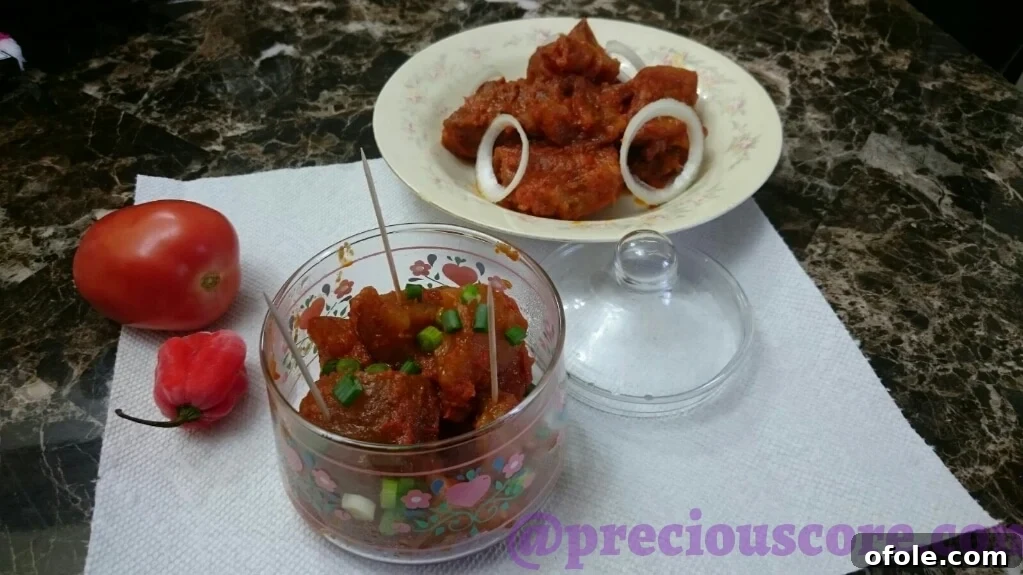
Unveiling the Authentic Flavor: A Step-by-Step Guide to Making Stewed Canda (Ponmo) at Home
Street food holds a special place in culinary culture worldwide, offering a vibrant tapestry of flavors, aromas, and traditions that captivate the senses. These cherished delicacies often become synonymous with their origins, drawing crowds and creating lasting memories. Today, we’re diving into the heart of West African street food to bring you a truly iconic dish: Stewed Canda, also widely known as Ponmo in Nigeria. This melt-in-your-mouth, intensely flavorful stewed beef skin is a beloved staple, celebrated for its unique texture and rich taste. Imagine recreating this authentic street food experience right in your own kitchen – it’s simpler than you think, and the rewards are absolutely delicious.
Stewed Canda is more than just a meal; it’s a journey back to cherished memories and a celebration of rich culinary heritage. For many, including myself, the mere mention of Canda evokes nostalgic scenes of bustling markets, lively festivals, and the enticing aroma that filled the air as vendors paraded their iron cast pots. I remember fondly how, as a child, we’d refer to it as chuking canda – a playful nod to how buyers would use a fork or toothpick to ‘chuk’ (pick) a tender piece from the vendor’s pot. Those were the days when 100 francs could secure a plump, tomato-sauce-marinated piece, a truly valuable treat.
The request for this particular recipe brought back a flood of these heartwarming memories: my little aunt and I selling Canda at the Mount Cameroon race in Buea, the satisfying chew of a perfectly soft slice, and the tantalizing scent that would draw us in from blocks away. The joy of reliving these moments by preparing this dish in my own kitchen is immeasurable, and I’m thrilled to share that experience with you. Canda is essentially beef skin, traditionally burnt to tenderize and flavor it before cooking. Its Nigerian counterpart, Ponmo, shares this same culinary identity and widespread popularity.
Why You’ll Love This Stewed Canda Recipe
If you’ve ever craved the authentic taste of African street food but felt intimidated by the process, this recipe is for you. We’ve streamlined the preparation to make it accessible for home cooks while preserving every ounce of its traditional flavor. You’ll love this recipe because it:
- Delivers Authentic Flavor: Experience the true taste of Canda/Ponmo, rich with savory notes and a subtle smoky undertone.
- Achieves Perfect Tenderness: Say goodbye to tough, chewy beef skin. Our method ensures your Canda will be incredibly soft and enjoyable.
- Is Surprisingly Easy to Make: With clear, step-by-step instructions, even novice cooks can achieve fantastic results.
- Brings Cultural Heritage to Your Table: Connect with the vibrant culinary traditions of West Africa through this beloved dish.
- Is Versatile: Perfect as a standalone snack, a hearty appetizer, or a flavorful addition to main meals.
Essential Ingredients for Your Delicious Stewed Canda
Gathering the right ingredients is the first step to crafting this delectable dish. Quality and freshness make a significant difference in the final taste. Here’s what you’ll need for approximately 4-6 servings:
- 2 pounds (about 1 kg) of Beef Skin (Canda/Ponmo): This is the star of our dish. Look for thick, clean pieces.
- 1 cup of Blended Tomatoes or Tomato Paste: You can use fresh blended tomatoes for a brighter flavor or high-quality crushed tomatoes from a can for convenience.
- 5 cloves of Garlic: Fresh garlic provides a pungent, aromatic base.
- About an inch of Ginger: Adds a warm, spicy note that complements the other flavors.
- 1 Red Habanero Pepper: For that essential kick of heat. Adjust to your preferred spice level; you can use less or a milder pepper if you prefer.
- 2 Small Seasoning Cubes (Maggi or Knorr): Preferably chicken flavored, these enhance the savory depth of the stew.
- 1 Medium-Sized Onion: Divisible for different stages of cooking, adding sweetness and aroma.
- Salt to Taste: Essential for balancing all the flavors.
- 1/2 cup Vegetable Oil: For frying the stew base.
Step-by-Step Guide to Crafting the Perfect Stewed Canda
Follow these steps closely to ensure your Stewed Canda turns out incredibly tender and bursting with flavor.
Step 1: Preparing Your Canda (The Essential First Stage)
The initial preparation of the beef skin is crucial for both flavor and texture. If you purchased already processed (browned) beef skin, you can skip to the boiling stage. However, if your Canda is raw and un-burnt, we’ll walk you through a simple DIY method:
Begin by thoroughly washing your beef skin. If there are any remaining fleshy parts on the interior, you can choose to remove them, though many prefer to keep them for added texture and richness. Cut the Canda into manageable pieces and arrange them on a baking tray lined with foil paper. This oven method is a fantastic alternative to the traditional open-flame burning, offering a cleaner and more consistent way to achieve that signature smoky flavor and slightly firm exterior.
Preheat your oven to 350°F (175°C). Once hot, place the tray with the Canda into the oven. Allow it to bake for approximately 15 minutes, or until the skin turns a rich brown color and begins to curl slightly. This process not only replicates the traditional burning effect but also infuses a delightful smoky flavor that will permeate the entire dish. If your beef skin is particularly lean, you’ll observe it curling up beautifully, mimicking the authentic look of street-vendor Canda.
Step 2: Boiling for Ultimate Tenderness
Achieving the perfect, melt-in-your-mouth texture is paramount for Stewed Canda. This stage requires patience, but it’s well worth the effort.
Transfer the browned Canda slices into a sturdy pot. Add just enough water to barely cover the Canda. The key here is to add water gradually and monitor closely; you want minimal water remaining by the time the Canda is fully tender. Bring the pot to a boil.
Once boiling, chop about half of your medium-sized onion and add it to the pot. Season generously with salt and the chicken seasoning cubes. These initial seasonings will infuse flavor deep into the Canda as it tenderizes.
Continue to boil until the Canda is exceptionally soft. This might take some time, and you may need to add small amounts of water periodically to prevent it from drying out. A truly soft Canda is a joy to eat, whereas tough Canda can be quite strenuous! When it’s done, you should have just a little flavorful stock left in the pot – do NOT discard this! This rich stock is essential for deepening the flavor of your stew.
Step 3: Crafting the Flavorful Stew Base
The stew base is where all the aromatic magic happens, building layers of deep, complex flavor.
Peel your garlic and ginger. Combine them with the red habanero pepper and a splash of water in a blender. Blend until you achieve a smooth, fragrant paste. This aromatic blend is crucial for the stew’s vibrant taste profile.
If you’re using canned crushed tomatoes, measure out one cup. If opting for fresh tomatoes, ensure they are well-blended to a smooth consistency.
Heat your pot over medium heat, then pour in the vegetable oil. Once the oil is hot, add the remaining chopped onion and sauté until it becomes translucent and fragrant. This step lays a sweet and aromatic foundation for your stew.
Next, add your blended or crushed tomatoes to the pot. Begin frying them, stirring occasionally. The key to a good tomato base is to fry it until the tomatoes darken slightly, release their oil, and start sticking to the bottom of the pot. This process deepens their flavor and removes any raw acidity.
Once the tomatoes are beautifully fried, add your blended ginger, garlic, and pepper paste. Sauté this mixture for another few minutes, allowing the aromatic spices to release their full potential. Frying ginger and garlic in oil is a traditional technique that significantly boosts the overall desirable flavor of the dish.
Step 4: Combining and Simmering to Perfection
The final stage brings all the components together, allowing the flavors to meld and deepen.
Carefully add the tenderized Canda pieces to the pot, along with all of its flavorful cooking stock. Stir everything together thoroughly, ensuring the Canda is well-coated with the rich tomato and spice base.
Allow the stew to simmer gently for about 5 minutes, stirring occasionally to prevent sticking. This simmering time is crucial for all the flavors to fully marry and create a harmonious, deeply satisfying dish. Taste and adjust for salt if necessary.
Serving Your Delicious Stewed Canda
And there you have it – your perfect pot of Stewed Canda! This versatile dish can be enjoyed in various ways. For an extra touch of freshness and crunch, garnish with a sprinkle of freshly chopped onions or spring onions just before serving. Enjoy it on its own as a hearty appetizer, or pair it with your favorite sides for a complete meal.
Serving Suggestions:
- As an Appetizer or Snack: The traditional way to enjoy Canda, picked directly from the pot.
- With Fried Plantains: The sweet and savory combination is simply divine.
- Alongside Rice: Whether white rice, jollof rice, or coconut rice, Canda stew makes a fantastic accompaniment.
- With African Swallow Dishes: Serve with fufu, eba, pounded yam, or banku for a truly authentic experience.
- With Bread: A crusty piece of bread is perfect for soaking up every drop of that rich sauce.
Expert Tips for the Perfect Stewed Canda
To ensure your Stewed Canda is always a triumph, keep these tips in mind:
- Choosing Your Canda: Look for beef skin that is thick and free from excessive hair. The thicker cuts tend to become more tender and have a more satisfying chew.
- Don’t Rush the Boiling: The key to tender Canda is patience during the boiling stage. Test a piece by pressing it between your fingers; it should yield easily. If it’s still tough, keep boiling and adding small amounts of water as needed.
- Preserve the Stock: The cooking liquid from boiling the Canda is gold! It’s packed with flavor and collagen, essential for the richness of your stew.
- Adjust Spice Levels: Habanero peppers provide a significant kick. If you prefer milder flavors, use less pepper or opt for a milder chili like a Scotch Bonnet (also common in West African cuisine) or even bell peppers for color and a subtle sweetness.
- Cut into Bite-Sized Pieces: For the most authentic street food experience, cut your Canda into pieces small enough to be picked with a toothpick. However, for a home meal, larger pieces are perfectly fine and often preferred.
- Storage: Leftover Stewed Canda can be stored in an airtight container in the refrigerator for up to 3-4 days. It often tastes even better the next day as the flavors continue to meld.
A Taste of Home, Anywhere
Creating Stewed Canda at home is a rewarding experience that connects you to a rich culinary tradition. It’s a dish that embodies comfort, flavor, and the vibrant spirit of West African street food. Whether you’re reliving cherished memories or discovering this delicacy for the first time, this recipe is designed to bring joy and authentic taste to your kitchen.
We encourage you to embark on this culinary adventure. Please leave a comment below if you plan on trying this recipe or if you have any cherished Canda/Ponmo memories of your own. Your feedback and stories are always welcome! Until our next delicious post, happy cooking!